






Exams always seem to sneak up on us, and when they do, panic revision rarely works. Revision: the word alone can make students groan. You might have gone through the lesson, highlighted important points, read and reread your notes, but when exam season is close, it's all about how effectively you revise.
I, too, fell into the trap of endlessly rereading my notes, only to find myself blanking during the exam. Later, I realised that revision is all about using techniques that strengthen your memory and make revisions less overwhelming.
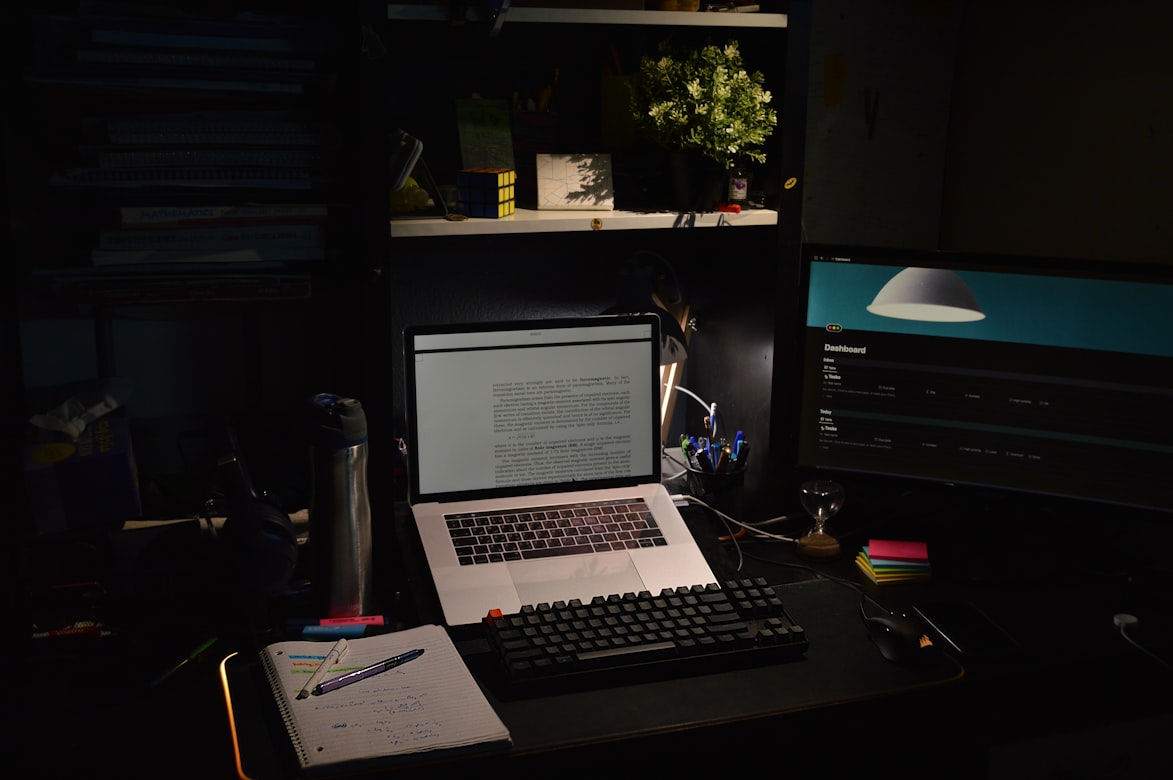
Image Credit: Faraaz Zuberi from Unsplash
Here are some tried and tested strategies that I've used and swear by which can make revision easier for you.
Let us slide into your dms 🥰
Get notified of top trending articles like this one every week! (we won't spam you)1. The Blurting Method
The blurting method is basically active recall in action. It shows you exactly what and how much you have revised and what still needs work. It made my revision sessions more targeted and efficient.
How does it work? Here's how: after studying a topic, close your book, take a piece of paper (your notebook works too, I personally just use rough sheets), and write down everything you can remember. It doesn't have to be chronological; whatever comes to your mind, you write it down.
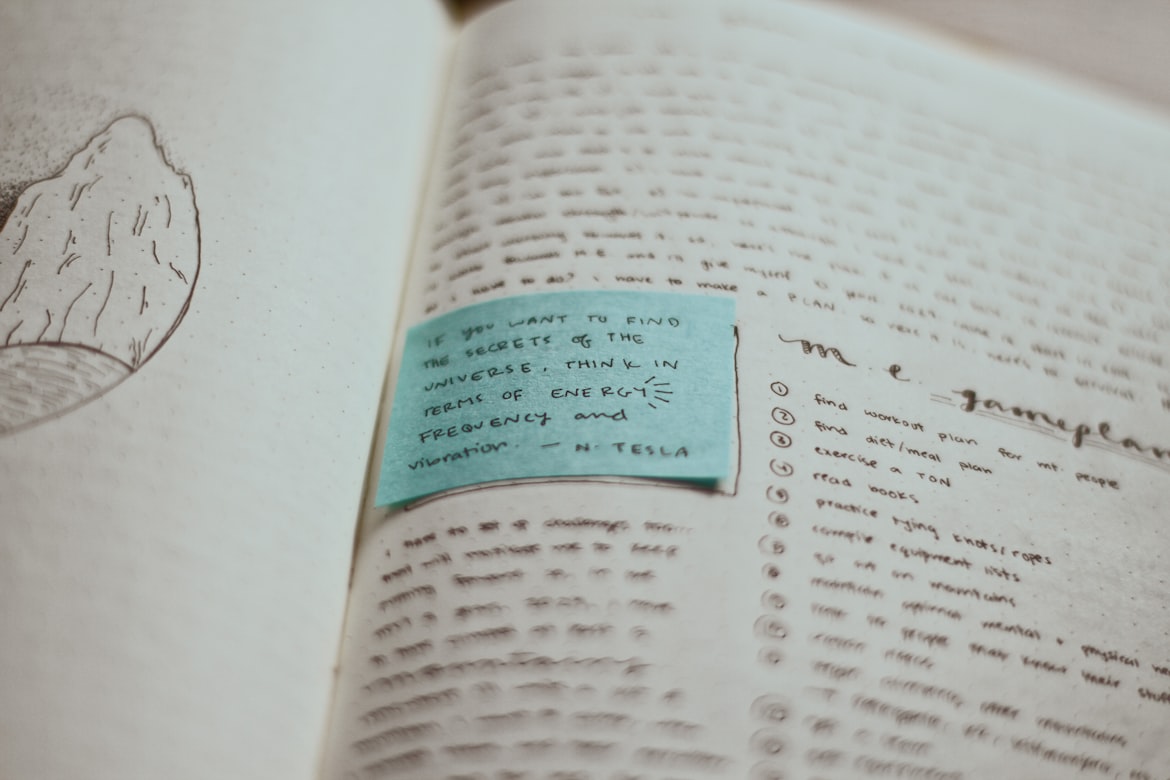 Image Credit: Noémi Macavei-Katócz from Unsplash
Once you have "blurted" everything out, compare what you wrote with your notes or textbook. Highlight and review the points you missed.
For instance, if you’re revising a history chapter, you could write down all the events and dates you remember without looking at your notes. Then, compare it with your textbook to spot the gaps.
This method is first on the list for a reason; it's my favourite. I mainly use it to study economics or any other subject that has a lot of theory. The Blurting Method forces your brain to recall information actively, which strengthens your memory.
Take the Quiz: Which Extracurricular Activity Fits Your Personality?
Want to take up an extracurricular activity but not sure which one fits your personality? Then this is the quiz for you!
2. Spaced Repetition
Instead of cramming all your revision into one sitting, space it out over time. Spaced repetition means revising the same topic at gradually increasing intervals. For example, study a chapter, review it the next day, then three days later, then after a week, and so on.
If you’re preparing for a biology exam, you might review cell division today, then again after two days, then a week later. By the time the exam arrives, the topic almost feels like second nature. This method is especially effective for subjects that require memorization, like science or languages.
Our brains are wired to forget information if it isn't reviewed. Spaced repetition beats this "forgetting curve" and ensures that what you study stays fresh in your memory until exam day.
This method is almost like training a muscle. The more spaced out practice you give it, the stronger it becomes.

Image Credit: Aaron Burden from Unsplash
3. Use Mnemonics & Acronyms
Sometimes the hardest part of revision is memorising dates, characteristics, or processes. That's where mnemonics come in. Memory tricks turn boring information into something fun and easy to recall.
For example, you know how we used to memorize the names of the planets in our solar system? "My very educated mother just served us noodles" or to remember the order of mathematical operations, we use "BODMAS" (Bracket of division, multiplication, addition, and subtraction).
I used this technique for chemistry to memorize the elements of the periodic table. These mnemonics and acronyms, help us to recall certain information by using creativity and association, which makes the information stick in your memory compared to rote learning.

Image Credit: Wes Hicks from Unsplash
4. Practice Past Papers
One of the smartest ways to prepare for exams is by solving past papers. They give you a clear idea of the exam format, the type of questions asked, and the weightage given to different topics. Most importantly, practicing under timed conditions trains you to manage your time effectively during the actual exam.
After solving a paper, I either check it from any answer key given or just get it checked by a teacher if they're available. This shows you exactly what examiners are looking for and highlights your weak areas.
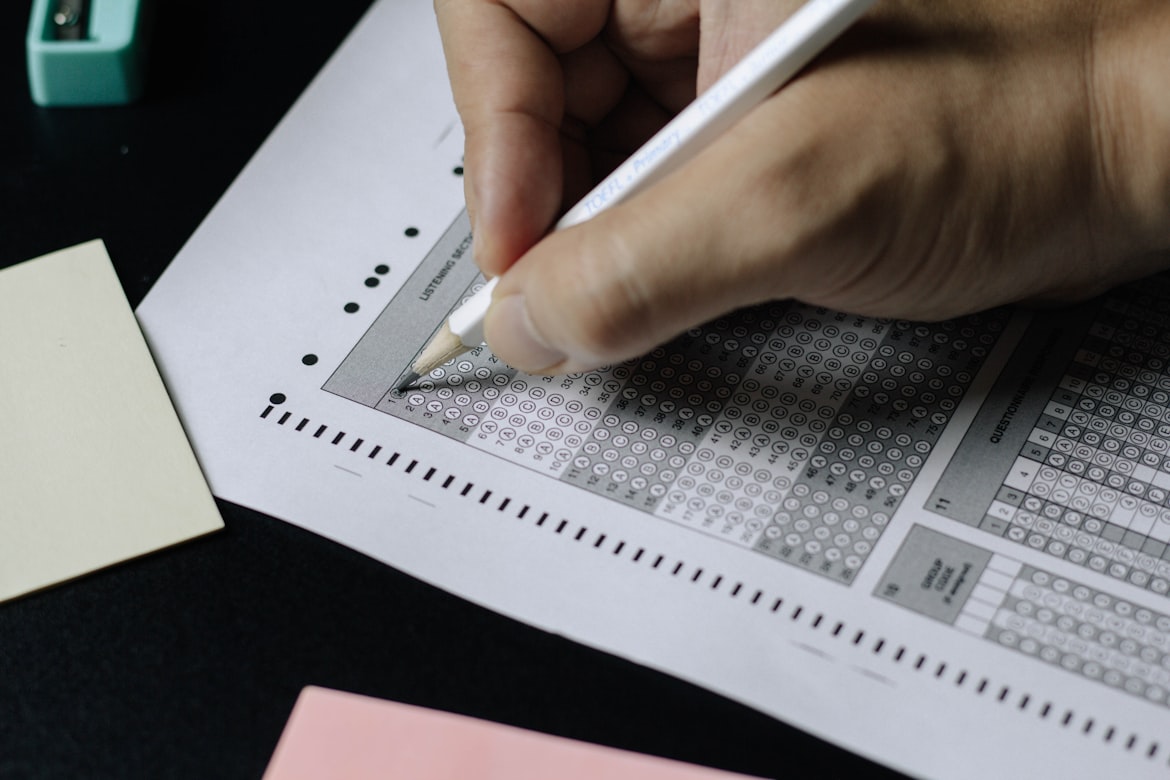
Image Credit: Nguyen Dang Hoang Nhu from Unsplash
Solving past papers or giving mock tests takes revision beyond theory and into exam application. It might be scary at first, but eventually it reduces your exam anxiety and builds confidence.
Your Revision Game Plan
Revision doesn't have to feel scary or overwhelming. By using these strategies or anything that works for you, you can study more efficiently and remember more on the exam day.
The key is to find the right mix of techniques that work for you because everyone's brain learns differently. With consistency, creativity, and smart planning, revision can shift from being a dreaded task to your secret weapon.
At the end of the day, consistency matters most, and with these methods, you’ll be more than ready to tackle any exam that comes your way.