





Have you ever been scrolling on TikTok and then an ad pops up? The colors may be intricatley designed, and they jump right off the screen. Or maybe a familiar face appears, your favorite influencer advertising their new merchandise. Before you know it, your finger hovers over the "add to cart" button.
Sound familiar?
You're not alone in this. Gen Z spends more time online than any other generation thus far, and companies are aware of this. Through this, they have mastered the art of grabbing your attention through psychology, culture, and technology.
In the same way companies utilize these tactics, you can utilize these strategies to help enlarge your own hustles. Whether you are reselling sneakers, starting a tutoring business, running a Depop shop, or dreaming of launching your own brand, these marketing tools are essential to success.
Let us slide into your dms 🥰
Get notified of top trending articles like this one every week! (we won't spam you)Color Codes That Sell
Have you ever wondered why McDonalds utilizes red and yellow? Why does Starbucks lean into the green? Why do so many skincare brands stick to white packaging? This all comes down to color psychology, which is the idea that certain color and shades invoke emotion. According to research conducted by digital marketing agency Robust Branding, different colors can evoke different emotions:
- Red: urgency, warmth, and appetite (think fast food logos).
- Yellow: warmth, optimism, (think of Snapchat's bright logo).
- Blue: trust, calmness.
- Green: health, growth, freshness.
Brands utilize these strategies to pick colors efficiently. Even small differences in these colors can significantly alters how likely a user is to select certain buttons.
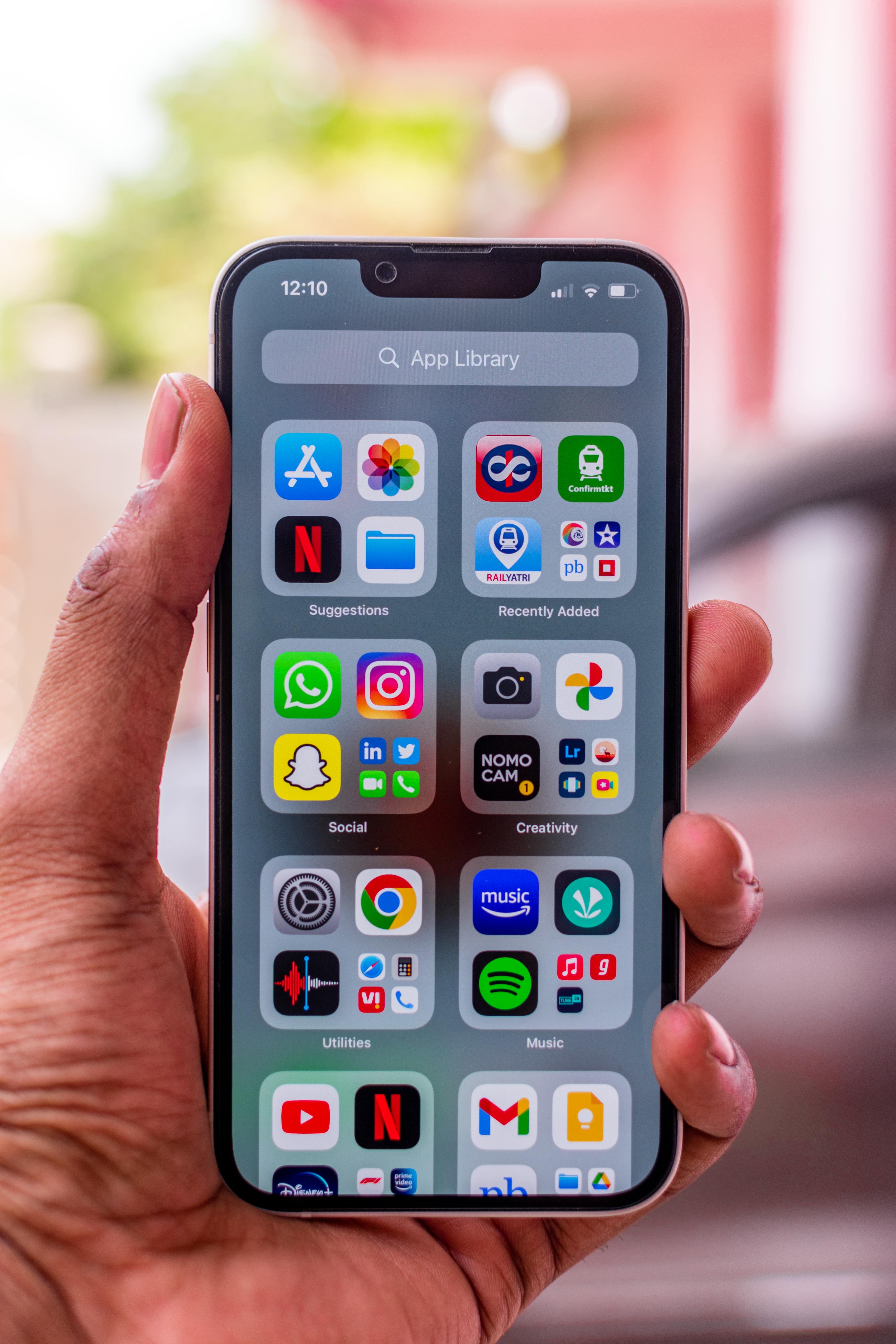
Image Credit: Prashant Singh from Pexels


Take the Quiz: Religion, Schools, and Equality
Religion in Schools: Teaching Respect, Not Bias.
Scarcity = Demand
Humans want what we can't easily have. This is why packaging labeled "limited edition" and "only 3 left in stock" on a banner makes us hit "buy" even quicker. Sneaker brands, such as Nike and Adidas, take advantage of this by announcing a new "drop" that sells out within minutes. Streetwear brands, such as Supreme have utilized their scarcity into a intricate business model.
Scarcity creates urgency. Our brains are wired to think "if we don't get this now, we're missing out forever." This mindset allows companies to use "drops" to increase their profits.
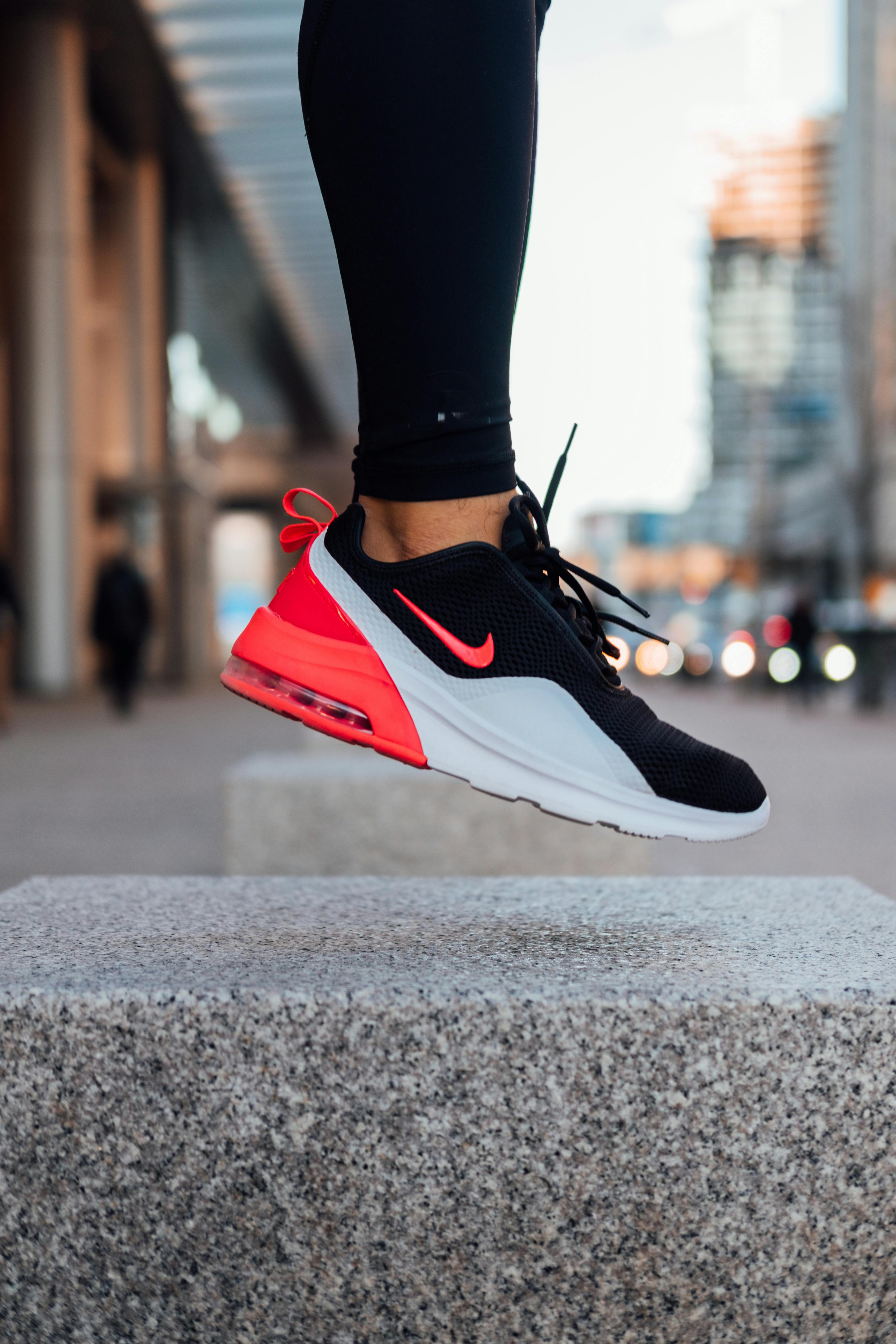
Image Credit: Mister Mister from Pexels
Authenticity is Key
Here's the catch: Gen Z can call out "fakeness" within seconds. Authenticity, being real and genuine, matters more than anything. This is why TikTok ads that feel like casual videos often perform better than polished commercials. People tend to trust other people, not corporations.
If you're starting your own business, lean heavily into your personality. Share behind-the-scenes videos of your creations, making mistakes, and your "why" for creating the business. Gen Z tends to respond more positive to honesty than polished advertisements.
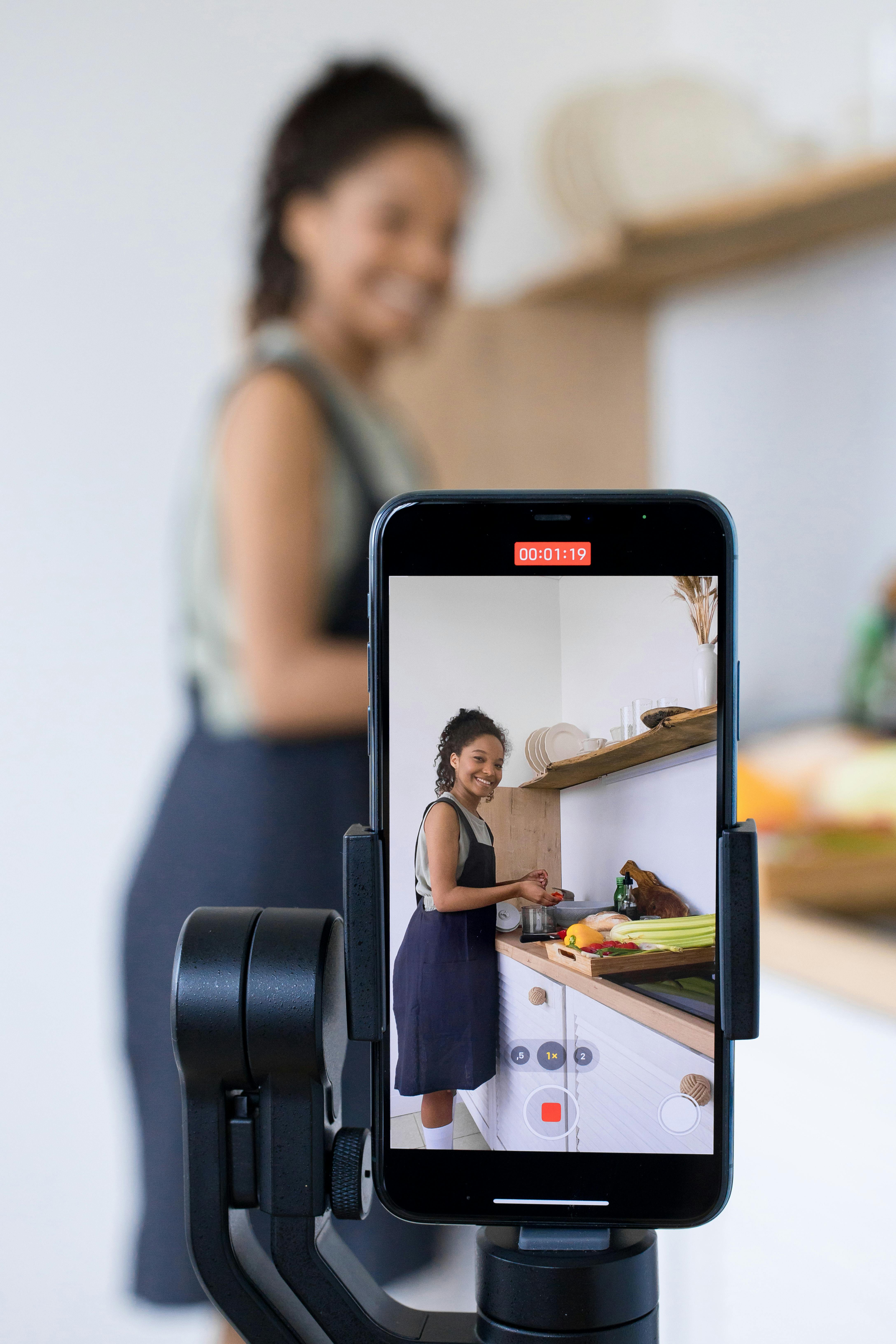
Image Credit: Ron Lach from Pexels
Storytelling that Sticks
People buy more than products: they also buy stories. For example, Apple doesn't just sell phones, they sell ideas of creativity, indviduality, and expression. Stories make products memorable because they create emotional connections. Neuroscience has even displayed that our brains light up more when we hear a story as opposed to hearing straight facts.
Even small businesses can benefit from effective storytelling. Don't just sell a certain product or service. Instead, share how you got into making the product or service, or why a certain design represents something meaningful to you.
If you tutor, it can be beneficial to tell the story of you became a tutor, maybe highlight how you've struggled in a certain subject before. People love supporting a journey, not just a product.
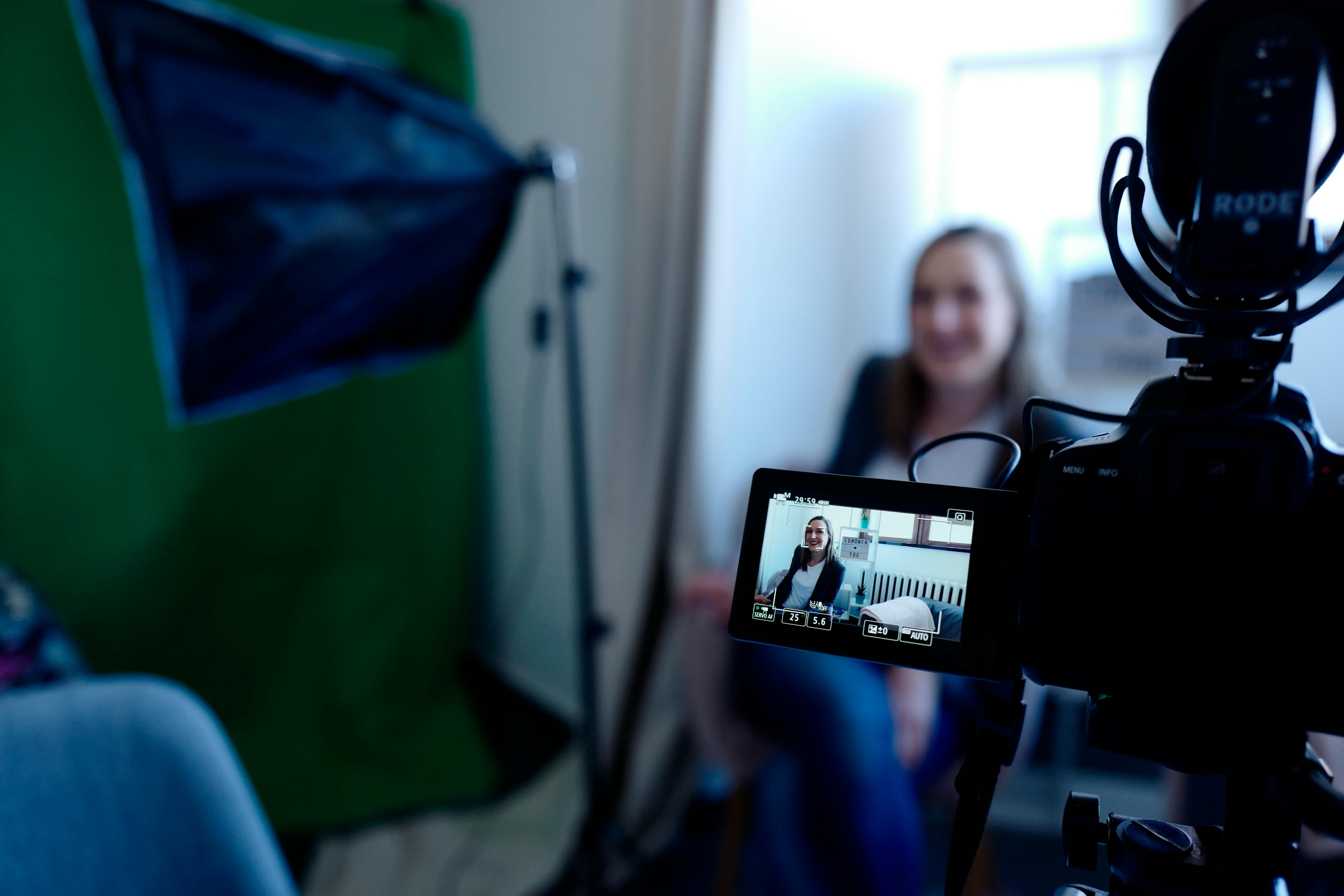
Image Credit: CoWomen from Pexels
Why It Matters
The real power comes along when you start seeing yourself as a creator and not just a consumer. Gen Z has the tools, the platforms, and the creativity to set trends.
So, the next time you see an influencer start a campaign or see a product drop, think of how you can use this strategy to enhance your own ideas. Because in a world that is always marketing to you, the smartest decision is to learn how to market right back.
