





The moment September hits and the breeze gets colder, we all know what time it is—back to school—something everyone dreads!
Nonetheless, schools have been around since ancient civilizations. That includes ancient Greece, ancient Rome, ancient China, and even ancient India! They all had their own definition of school and education; even so, we still have certain subjects like math and literature.
Though the curriculum as a whole has evolved since, for better or worse, it is no surprise America's education system got the shorter end of that stick. Declining numbers in various subjects like literacy, math, and science raise the question: when was America's education at its peak?
Quick History
In America, schools weren’t created until the mid-1800s by Horace Mann. He is known as the "father of American education" for his role in creating common, tax-funded schools, which were designed to be accessible to all children, regardless of social class.

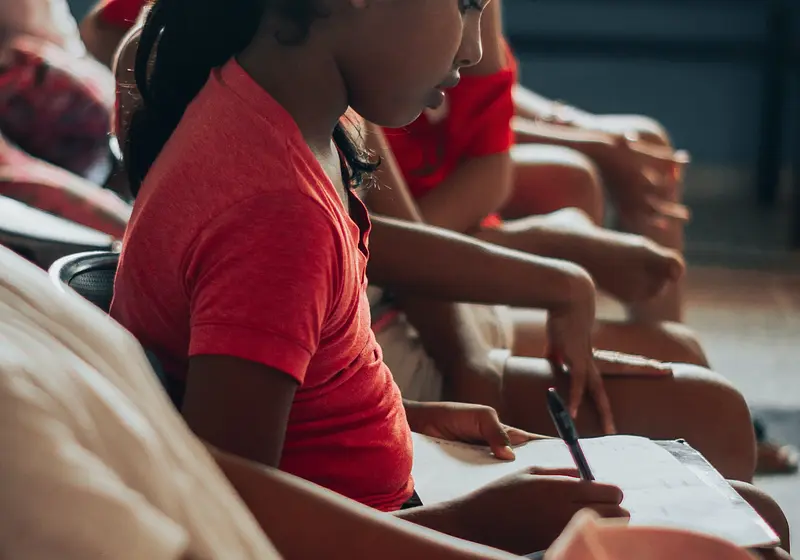
Image Credit: Giammarco Boscaro from Unsplash
Before that, in the 1600s and 1700s, educational opportunities varied widely depending on region, race, gender, and social class. As you can see, Horace Mann did not create schools to make you miserable; instead, they were meant to be places for everyone to learn. After all, the meaning of 'education' in Latin is ‘to bring up’, in other words, nourish and train.
The education system has strayed from this meaning and purpose. Now, there's such a thing as public and private, where your education is vastly different. Our education is controlled by politics and socioeconomic factors. But for now, let's focus on when America's education was at its peak.
Peak
The best way to determine when America’s education was at its best is by merit. The National Assessment of Educational Progress (NAEP) was at its all-time high in the early to mid-2010s. According to the U.S.
Department of Education, the average SAT score in the 2010s was 1509. Students showed great performance in writing and math.
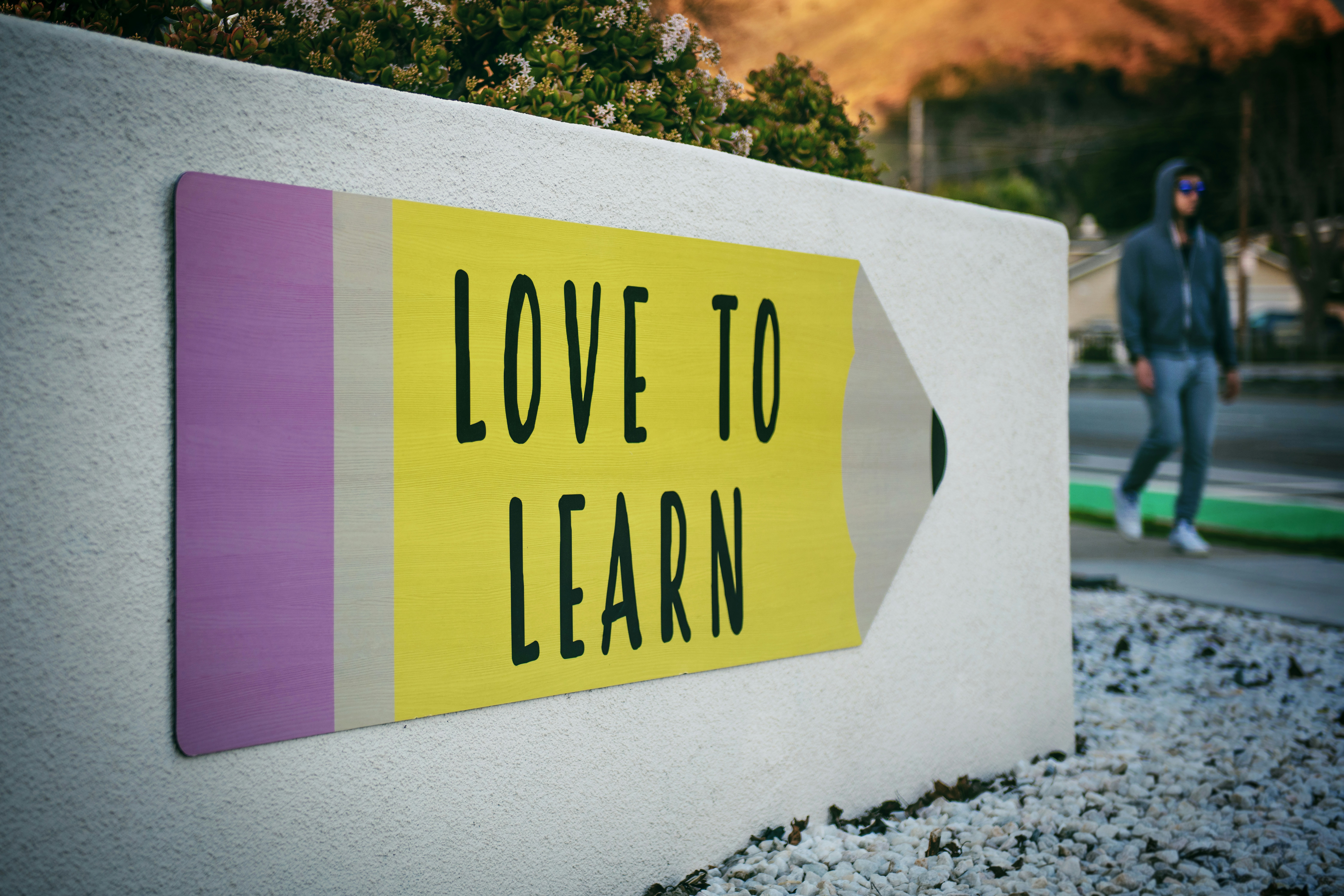
Image Credit: Tim Mossholder from Unsplash
During this time, schools also incorporated new technology into classrooms. Not Google Classroom or Zoom as we know them today, but it did make higher education accessible to more people with Massive Open Online Courses (MOOCs).
As for curriculum, it shifted from a teacher-centred way of learning to student-centred, so as we know today, to group work, projects, and problem-solving-based learning. (Which we still have today.) As well as an emphasis on social-emotional learning, such as stress management and workshops.
As you can see, this era was a mix of new and old and was finding the balance between the two. It seemed to want to create a more welcoming and engaging environment for students.
Changes
Obviously, there have been a lot of changes from ancient times to COVID-19. Yet, it seems like the merits in America have been dropping well before that. It has been noted by the NAEP that around 40 per cent of 4th graders are working below the NAEP Basic level in reading, the largest percentage since 2002.
As for science, scores fell to 2009 levels, after rising for years. Nearly 40% of eighth graders performed below the "basic" achievement level. Now, we can all imagine math levels.
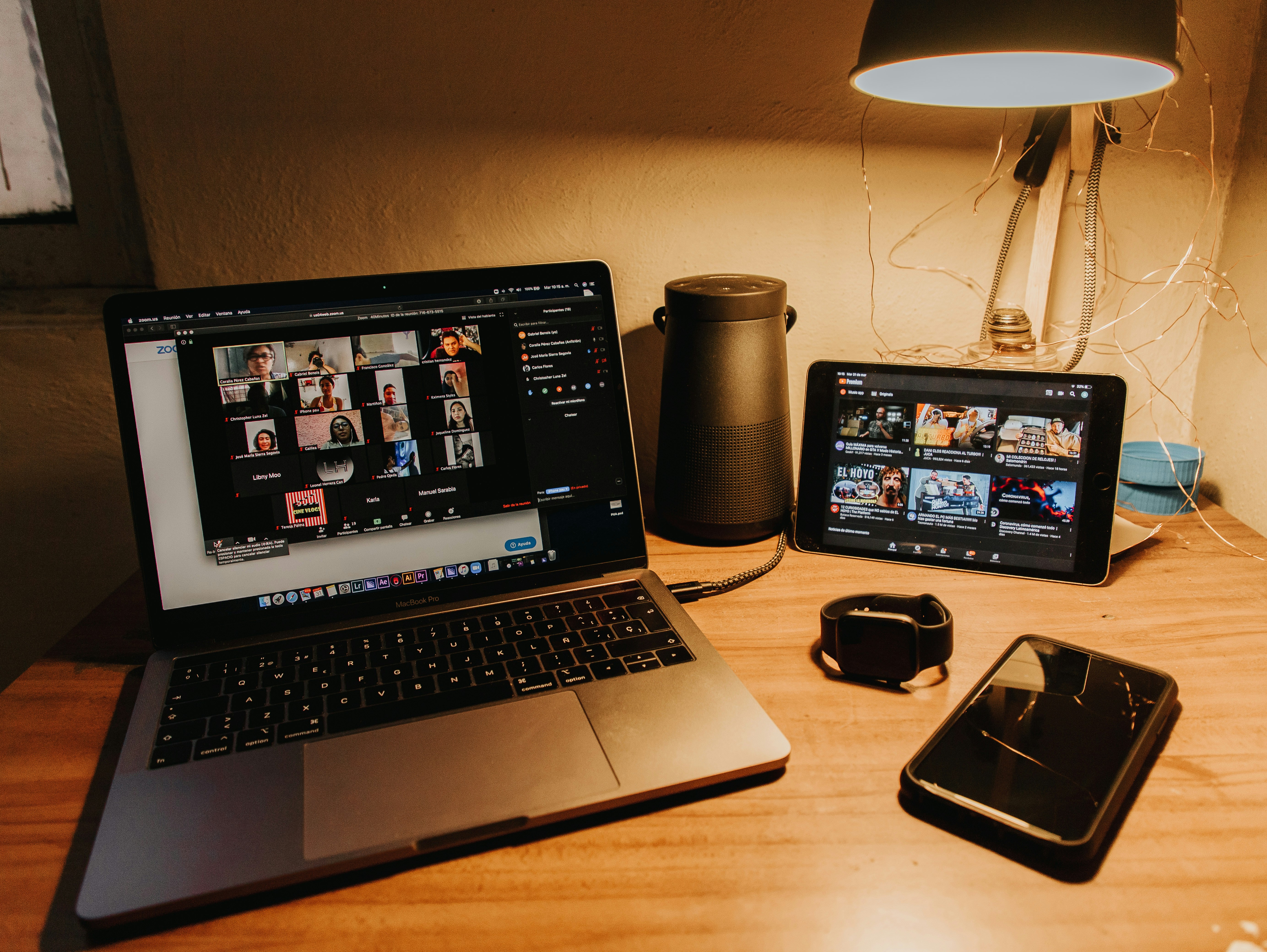
Image Credit: Gabriel Benois from Unsplash
Aside from the decline in performances, there's also been a shift in attitude surrounding school. I wonder if COVID-19 had anything to do with this or if people's feelings towards schools were already changing. I do remember having a more carefree attitude when it came to school during COVID-19; I would join the Zoom but then fall back asleep or watch a movie. Going back to school after that was strange because it lacked something.
Yet, I don’t think many students, aside from the high achievers, see school as something important. This most likely varies between states and the type of school, but either way, no one really sees the importance of school outside of grades.
Conclusions
Many factors affect the education we receive, and this article could've gone many different ways, but I wanted to show that America wasn’t always bad.
In addition to that, different factors play into these statistics, like race breakdown (after all, America is a melting pot), as well as economic and social ties. It is also a subjective topic; when America was at its peak, but it definitely was not anything past 2020. I think the reason has to do partly with the students in these classrooms and, overall, the politics and business behind schools.
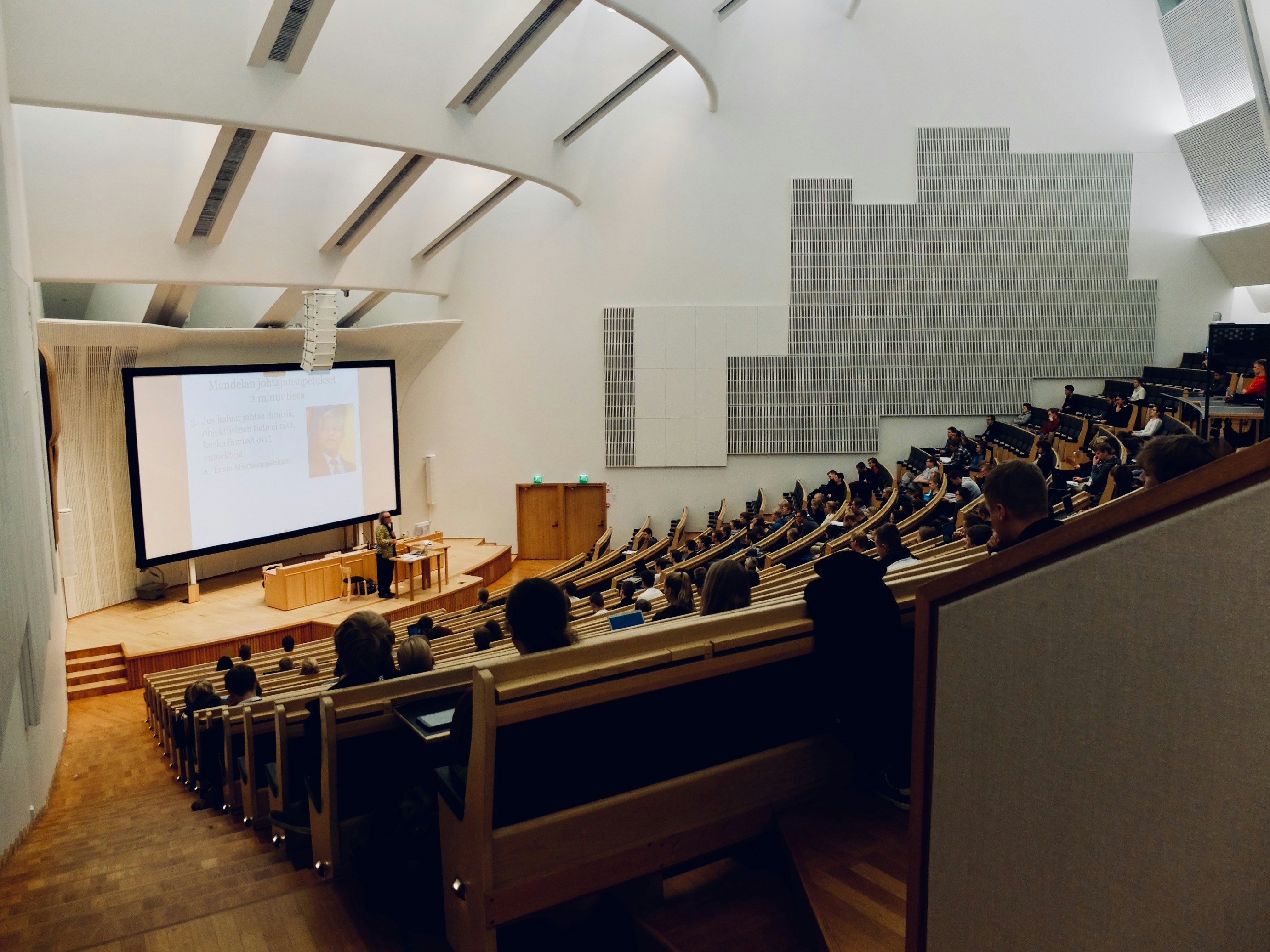
Image Credit: Dom Fou from Unsplash
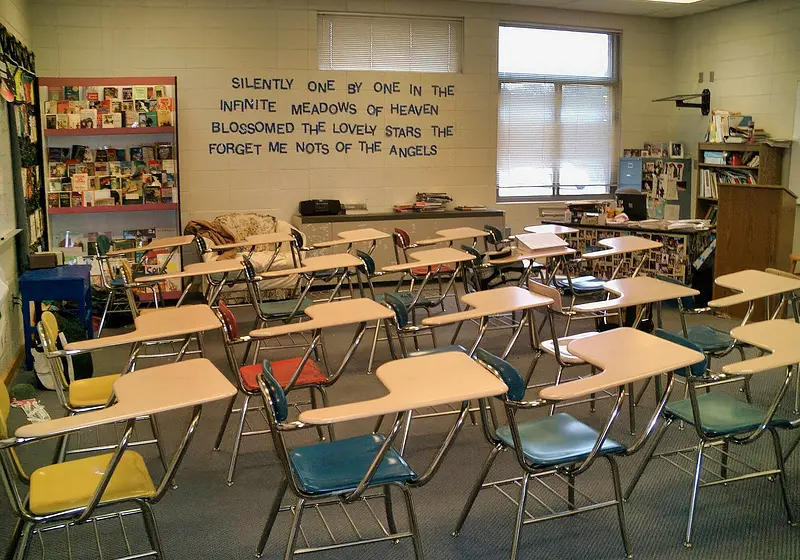
I don't really think there's a true advocate for giving American children a better education, and even if there was, do kids really want to learn something new every day? I mean, we’ve all been in those classrooms before.




.jpg)