


.jpg)

Through the centuries, we have healed ailments and facilitated major life events, such as birth and death, via natural practices and holistic medicines. Yet in the last century, these practices have drastically changed into sterile white rooms, painfully bright fluorescent-lit hospitals, and faceless doctors with poor bedside manner. Among these changes, natural remedies have been stigmatized, mocked, and labelled as “woo-woo.”
This simplification of natural medicines is by design and is actually built on an oppressive structure that diminishes our connection with the planet and our community, as well as assists in boosting harmful patriarchal values. The condemnation of natural methods of healing and the emergence of modern medicine is built on the destruction and [censored] of women and indigenous people alike.

Image Credit: Christina Victoria Craft from Unsplash
That being said, modern medicine has undeniably led to leaps and bounds in preventing illness and lowering mortality rates. In no way should it be discredited, yet there are flaws within our medical system that we should be aware of so that we can advocate for our own physical and mental well-being. In no way does this article encourage the reader to abandon modern medicine, yet it seeks to encourage a more nuanced approach to self-care and to educate the reader about the dark history of the emergence of the medical system that we are now beholden to today.
Let us slide into your dms 🥰
Get notified of top trending articles like this one every week! (we won't spam you)Witches
When considering “witches,” you may envision a cackling hag with a hooked nose who performs dark arts, or you may think of the innocent young women who were persecuted in the Salem witch trials. Yet “witches” is an umbrella term for powerful and wise women who, until the rise of Christianity, were venerated throughout history.
These women were part of the king's counsels, were sought out for advice, would usher new babies into the world, and would help departing souls leave in peace. They healed via ceremonies and natural medicines, and they were powerful, yes, but not because they cast spells or rode brooms.

Image Credit: Freestocks from Unsplash
What we now call “witches” were often women who carried ancient knowledge of healing through generations. Yet when Abrahamic religions began to spread throughout the world, bringing a male-centred and more violent approach to religion, these women were perceived as a threat to growing patriarchal structures. They held the power of life and death in their hand in a way that men could not, and so, in an act of jealousy and attempt to control, they were persecuted and said to be evil.
The demonisation and exaggeration of “witchcraft” is actually propaganda meant to stop us from perceiving these women for what they truly were: healers.
Women were told to be submissive and pure, and lived with the constant threat of persecution hanging over their heads. According to an article, popular ingredients in witches' spells, such as eye of newt, toe of frog, wool of bat, tongue of dog and adder’s fork, were actually synonyms for plants.
Female folk healers who made tinctures and worked with herbs were often labelled as witches, even more so if they met with other women to trade recipes and herbs. The network of communication and trade between women was criminalized because it was powerful. Women were the basis of the community, including passing stories, remedies, gossip and warnings between one another, and this was a threat to growing patriarchal values.
An interesting edition that is not so often discussed is the use of psychoactive plants and animal products that were used by women healers. Products from animals such as toads and frogs were often used ritually in spiritual and healing contexts.
These wise women facilitated a connection with divinity that was propagandized to be perceived as blasphemous and evil, but were actually long-standing ancient traditions. The power and potential that indigenous and folk women had with their medicines, both psychoactive and non-psychoactive, undermined the Catholic church's ideology of one, great, male God, and posed a threat to their desire for conversion.

Take the Quiz: What’s Your Perfect Skincare Product for the 'Clean Girl' Look?
Take this quiz to discover the perfect skincare product for your “clean girl” routine!
Midwives
The role of midwifery was a practice carried down by women for centuries. In ancient cultures, female midwives were considered the guardians of life and childbirth and would help women through the birthing process. But the 1600s saw major changes to women's roles in supporting birth, leading to a medicalized process.
It should seem obvious - no one knows a woman's body better than a woman, yet whereas women used to give birth surrounded by other women, in a safe, dark place, often in a body of water or in a kneeling/crouched position whilst holding a rope from the ceiling for support, “man-midwives” took overtook the role, leading with a medicalized and sterilized environment in which female midwives were sidelined, leading to women and infants facing years of mortality rates.
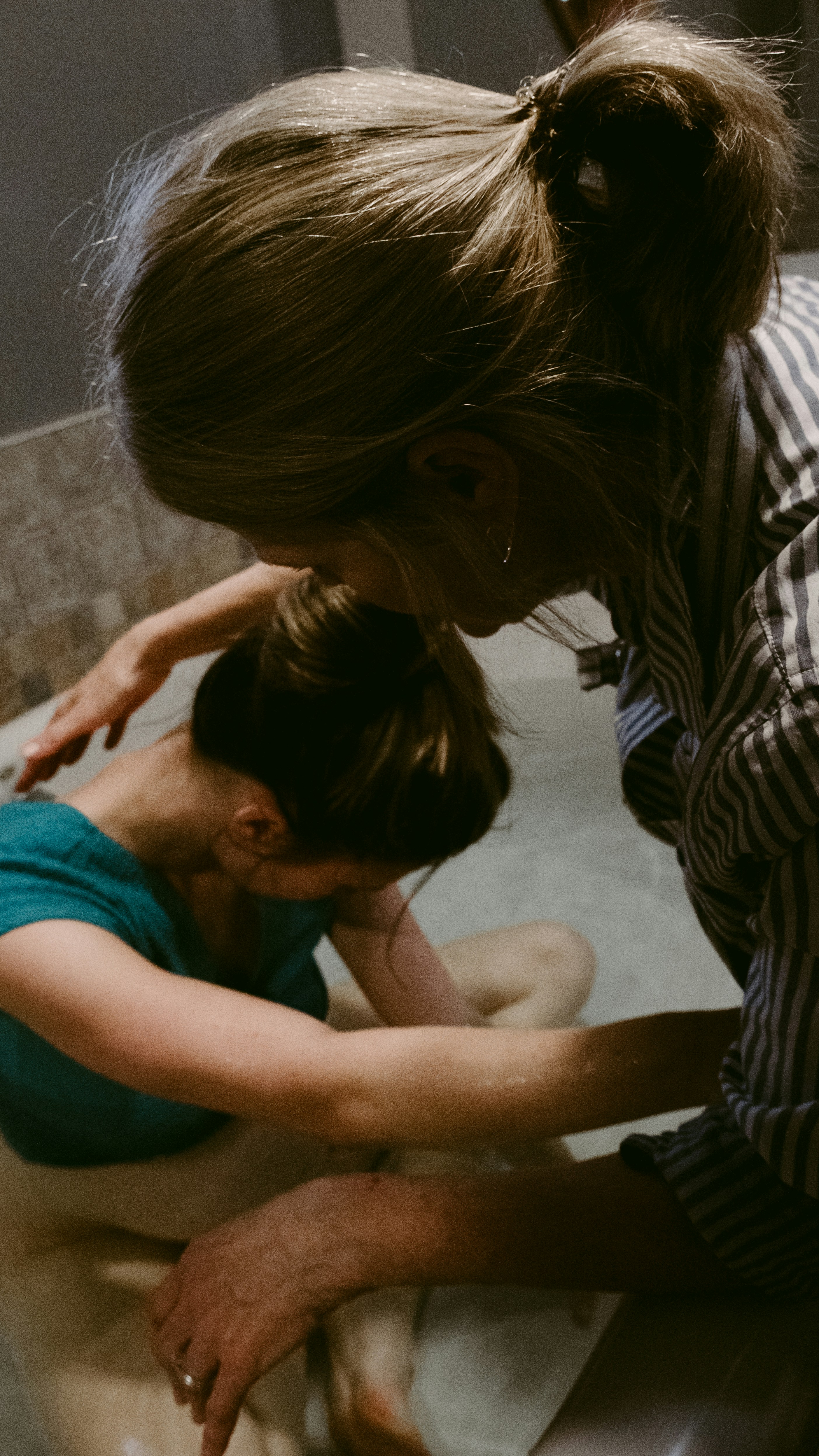
Image Credit: Olivia Anne Snyder from Unsplash
In the 1800’s white male physicians began to show more interest in childbirth, but, according to Centers For Women's Health, “Their approach was based on a colonization framework, which devalued birth as a ceremony.” While these doctors thought that their training as physicians made them more qualified to assist the birthing process, serious help could have resulted from a partnership between midwives and doctors, because doctors did not have the inherent and generational knowledge that women and midwives carried.
Yet, in alignment with patriarchal values that devalued women's professions, many doctors opposed midwife-assisted births, which ultimately led to greater risks for both mother and child. This is how women shifted to giving birth on their backs in hospitals, despite female anatomy being better suited to the original position.
According to a research article published by PubMed, “Women in the United States are still giving birth in the supine position and are restricted in how long they can push and encouraged to push forcefully by their caregivers. Research does not support these activities.”
To make matters worse, newborns are immediately taken by the doctors for testing, weighing and injections instead of having that pivotally important immediate contact with their mother. This transition to a form of giving birth that is actually harmful to women was ushered in by these male doctors who believed themselves to know better than midwives, and this practice has carried on into today. 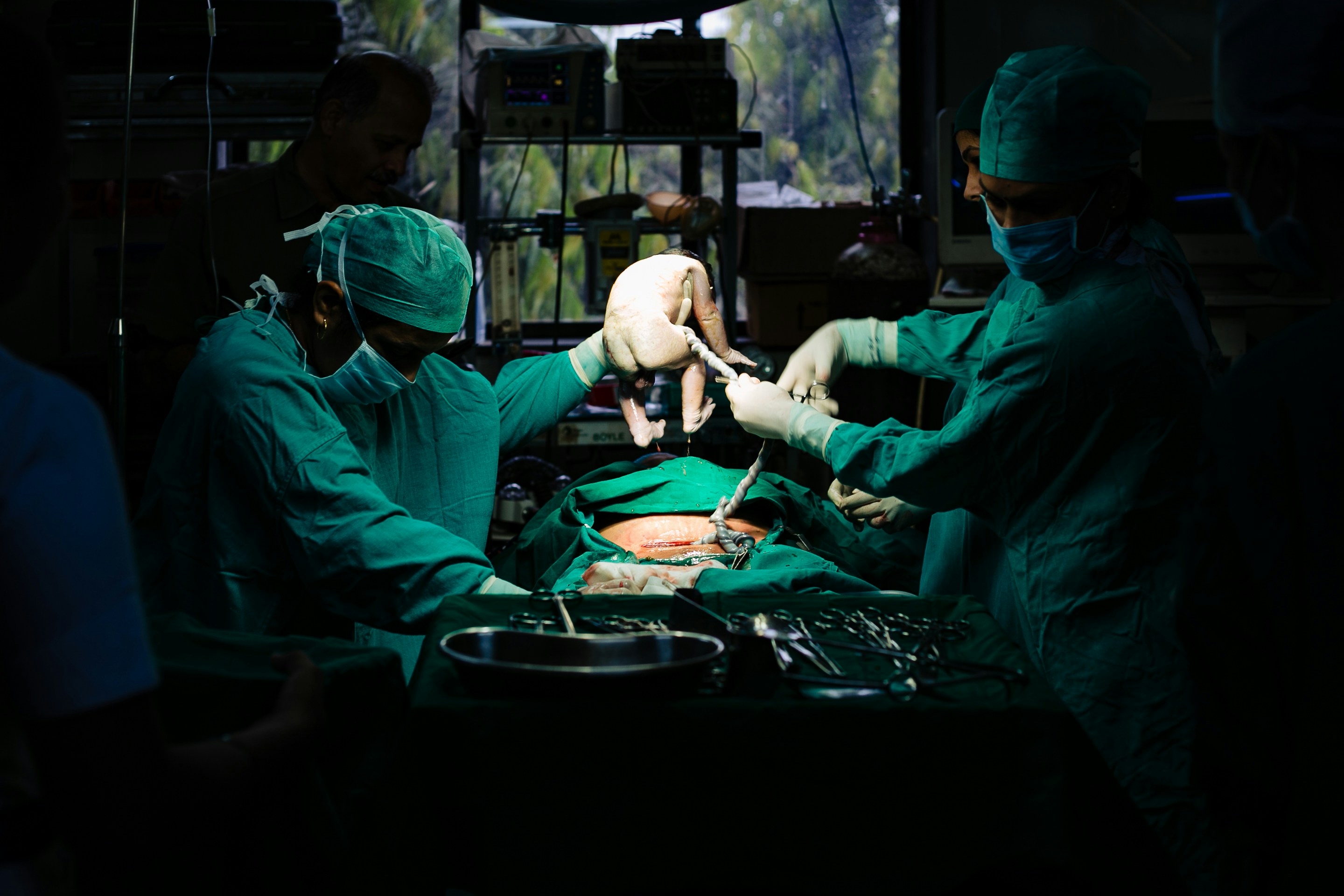
Image Credit: Amit Gaur from Unsplash
Even today, women who choose natural births or at-home births are often ridiculed, yet this manner of giving birth is the original way that that gave birth. They are mocked for returning to their roots and the ancient practices of childbirth that were facilitated by other women for centuries before modern medicine completely changed the birthing game to a system that is often just as dangerous, more stressful, and more expensive.
Indigenous People
“Witches” during the European and Salem witch trials weren't the only groups of people who suffered from the rise of patriarchal and Abrahamic religions. As Christianity and colonization swept the world, indigenous cultures that practiced ceremonies and used plant medicines became vilified.
Their practices, which seemed odd or unsavory, were deemed as demonic when in truth they were simply misunderstood. Thus, they were deemed as savages and were either converted or eradicated, not because these accusations held any weight, but because colonization and rising religions were threatened by indigenous peoples' practices. Particularly threatening was their ability to connect with both the land and divinity in a way that was not derived from an established church and could not thus be controlled through fearmongering, taxing, and "on high" demands.
Image Credit: Skull Kat from Unsplash
The Pharmaceutical Industry
Nowadays, the pharmaceutical industry plays a huge role in our mental and physical well-being, and holistic remedies are mocked or shoved to the side, but believe it or not, not only are plants and herbs just as effective as medications in some cases, they also are often the base for pharmaceutical treatments. Holistic healing is severely undervalued, but why?
First of all, plants are an easily accessible, renewable and cheap resource. You can grow them yourself or get them from local farmers. You don’t need a prescription or to have it covered by insurance, and there are fewer side effects. Because of this, the pharmaceutical industry, a multi-billion-dollar entity, cannot profit off consumers quite as much.
To quote an article from LinkedIn:
“These corporations thrive on chronic illnesses, recurring treatments, and expensive medications. The longer patients remain unwell, the more these companies stand to gain.
Take, for example, the pharmaceutical industry. Instead of focusing on cures, much of its attention is spent developing drugs that require lifelong use—medications that manage symptoms without ever addressing the root cause. Why? Because a cured patient is no longer a paying customer.”
A well-known example of how the pharmaceutical industry profits from sickness is the case of insulin, a life-saving drug given to diabetics. According to VerywellHealth, one vial of insulin only costs between $2 and $10 to make, depending on the type. However, for consumers, one vial of insulin can cost between $50 and $1,000, and a pack of insulin pens can range from $45 to $600.
That is up to a 100x markup cost for consumers. As a result, 25-30% of Americans with diabetes report rationing or skipping their insulin due to its high cost, according to a PubMed article.

Image Credit: Dennis Klicker from Unsplash
Alternatively, one example of a lifesaving plant is turmeric, which has been shown to have anti-inflammatory properties that rival those of some anti-inflammatory drugs. Used for thousands of years, dating back to ancient India and a powerful medicine, turmeric has additional health benefits, such as high antioxidants and even has the potential to alleviate symptoms of depression.
One article found that “in a study in 45 people with rheumatoid arthritis, 500 mg of curcumin per day was more effective than the anti-inflammatory drug diclofenac.” This is just one example of the powerful impact that natural supplements and plants can have on our health with minimal cost and side effects.

Image Credit: Julia Topp from Unsplash
Lawns and Dandelions
To further demonstrate the dynamic between the pharmaceutical industry and medicinal plants, take the case of lawns and dandelions. Here in the United States, particularly, we are encouraged to have neatly trimmed lawns of green grass and select manicured plants. Oftentimes, these lawns are sprayed with pesticides meant to prevent pests and weeds, which have harmful impacts on humans and wildlife alike.
One common plant that is often eradicated from green spaces and is considered a “weed” is the dandelion. We take great measures to ensure that dandelion cannot take root in our yards, yet dandelion actually has incredible potential health benefits, including being blood cleansing, antioxidant, immune boosting, diuretic, anti-inflammatory, skincare assisting, good for bone health, weight loss, liver function, antimicrobial and even can assist in treating cancer… to name a few.
Is it really such a coincidence that someone decided that it was bad and unsightly, rather than helpful and medicinal?
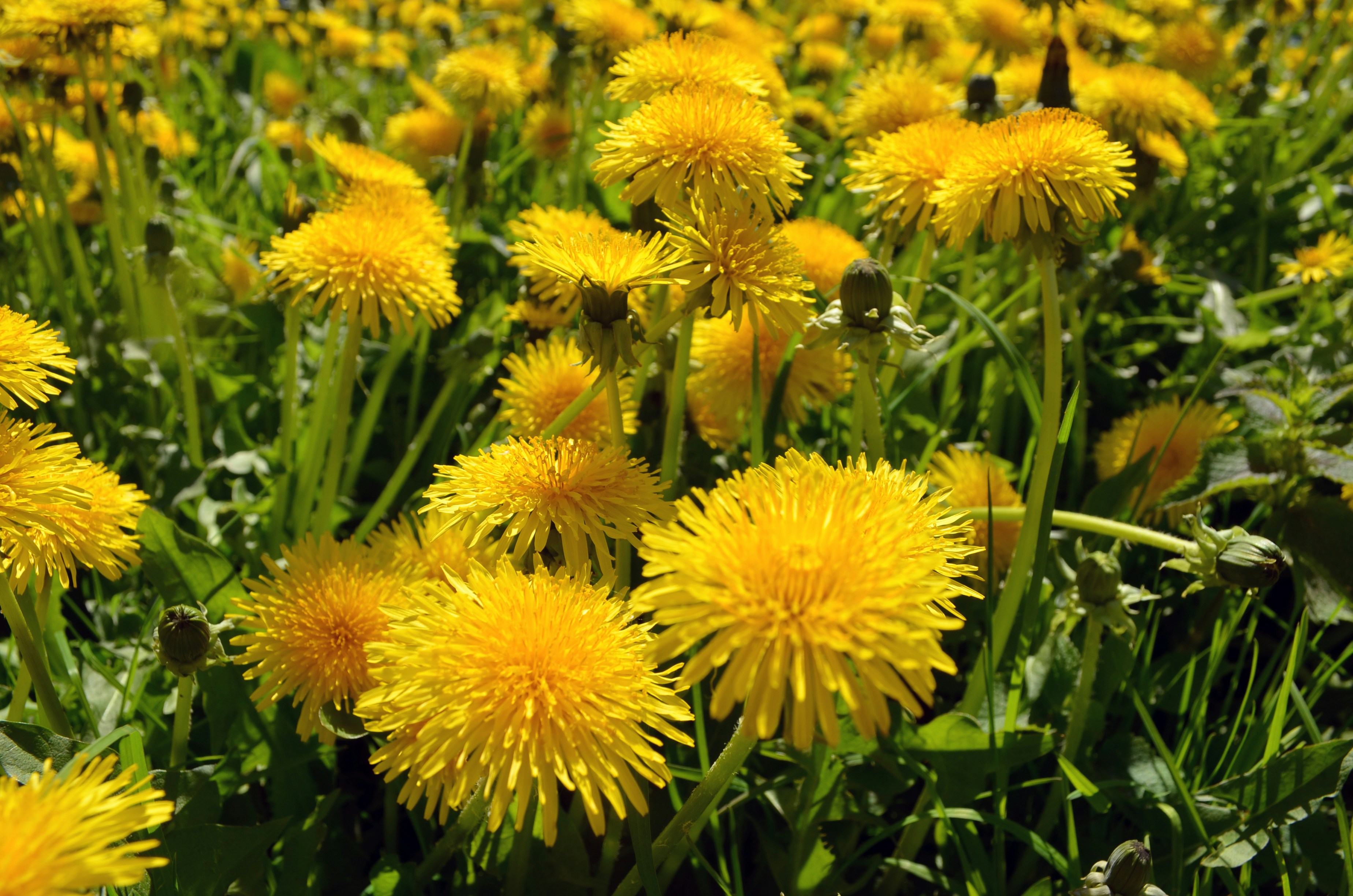
Image Credit: Viridi Green from Unsplash
The stereotype and negative connotation that comes with an unkept lawn is just another example of the subtle, unconscious ways that we have turned a cold shoulder to the plants that exist to help us thrive.
Acknowledgement and Discussion
Now, all this being said about medical plants and folk healers, it must be acknowledged that drugs and modern medicine have saved countless lives and provided relief from chronic conditions. Yet modern medicine should not be perceived as an untouchable and perfect entity that we put on a pedestal.
In order to take control of our health, we must understand the full scope of modern medicine and its fallibility, and we must have the knowledge and foresight to understand how we can benefit from the medicines and practices that the Earth and ancient wisdom provide to us.
The ancient people and folk healers who were burned, stoned, ridiculed, and otherwise killed or mistreated for their practices deserve respect and recognition. Only through becoming educated about their plight and their practices can we advance medicine in a way that combines proven holistic remedies and drugs.

Image Credit: Sayan Nath from Unsplash
By no means should readers abandon their prescription medication or snub their annual checkup, but they should do their best to do their own research and incorporate preventive measures into their daily routine and diet.
To give credit where credit is due, modern medicine is a miracle, but we still have a long way to go, and the best approach to personal health and wellness is a hybrid approach where modern science comes together with natural remedies.
Instead of perceiving one or the other as an enemy to progress, much can be learned from both traditional practices and modern medicine, and when the two can work together altruistically (without using the consumer to funnel money into the industry), that is when we truly begin to unlock the secrets to longevity.




.jpg)