







Is that anger aimed towards older teens trying to learn to drive really warranted? The taboo around new drivers on the road, specifically when in a car with an 'L' plate stuck to it, is one of conflicting discussions.
Growing up comes with new and frightening responsibilities, hitting milestones and generally just finding your way in life. With each new generation of freshly turned seventeen-year-olds (in the UK) also comes the wave of eagerness to hop on the bandwagon of learning to drive. Although still relatively a ‘child’ in the broader sense of experience out in the world, they are, however, older enough to now be entrusted with the adult responsibility of learning the rules of the road.
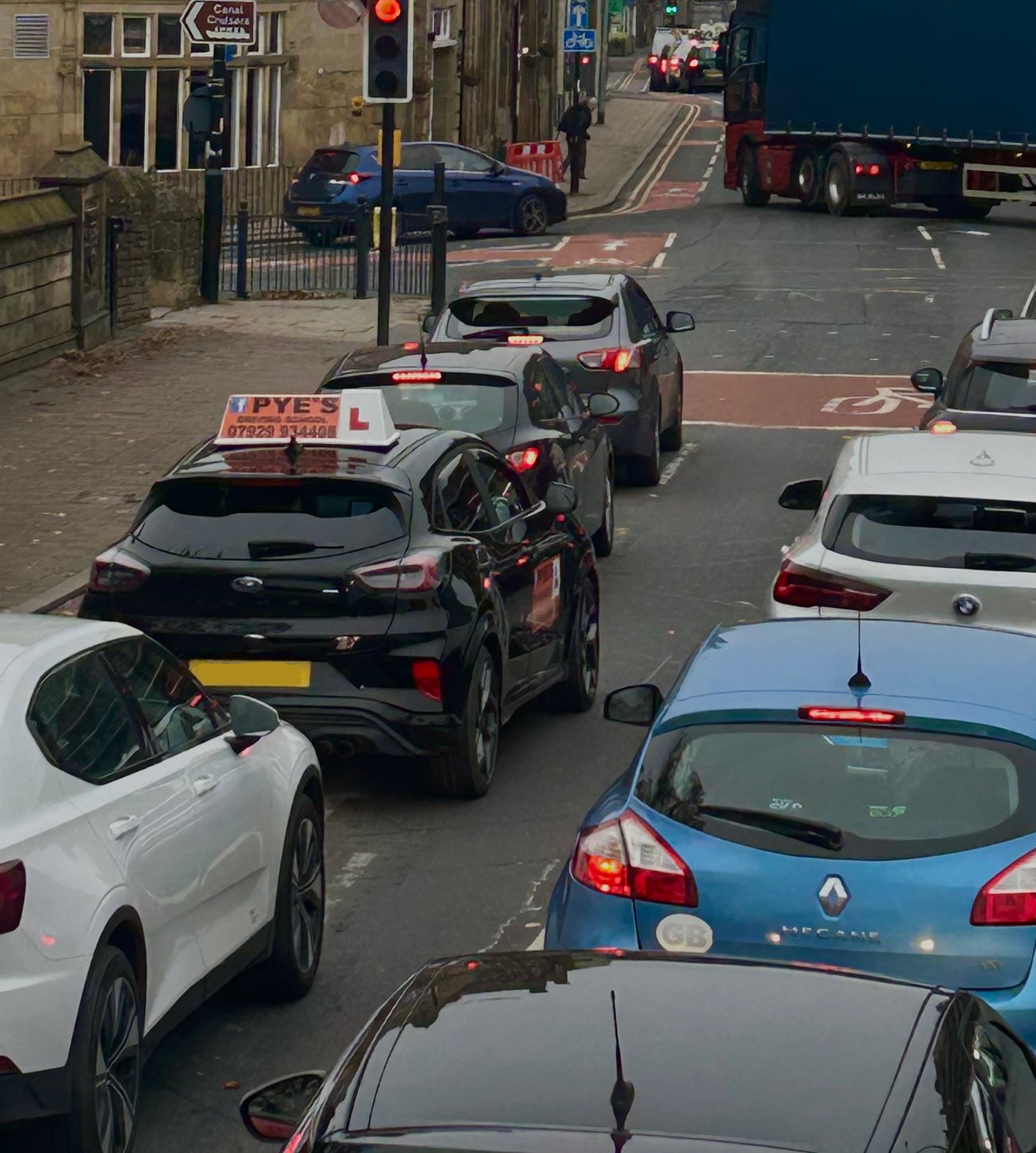
Image Credit: Isabella Laithwaite
But, with the flurry of student drivers being taught, also comes the addition of the red ‘L’ plate appearing on the roads at some inconvenient times. The painstakingly obvious 'L' plastered onto those cars immediately evokes a shared emotion amongst the experienced drivers: rage.
The consistent conflict present in today’s society revolves around the younger and older generations, specifically, the stereotypes associated with them. The young are categorised as snowflakes, who are fragile and unaware of the 'true' world, whilst the old are deemed opinionated, disinterested and 'stuck in their ways'. These stereotypical traits are then linked to almost everything, and a prominent one is driving. Young drivers are automatically deemed incapable and an annoyance, which is an unfair judgment to be made on people who are trying to learn a new (and difficult) skill.
The main issue is that everyone who already drives has had to go through the same process, anxieties, pressure, and self-deprecatory emotions when they were first learning. Empathy is what is missing here.
With a skill that is so widely shared, it's thought that the expectation is that you don’t need lessons to be able to learn it, because after driving for a while, it becomes a habit—muscle memory. Therefore, an ideology is formed that someone not being able to drive is ridiculous; almost as if driving is like learning to walk—everyone can do it, and hearing someone struggling sounds crazy.
But that’s not the case; learning a skill does not happen overnight. It takes patience, practice and time—something which is overlooked when it comes to driving and navigating a vehicle. Patience is something in particular that is needed by both new and experienced drivers; although that is easier said than done, it makes everyone's life a lot easier. We get it, you're running late for an engagement and your luck happens to place you behind a learner car, but that does not justify honking of horns, yelling and dangerous acts of driving while in a blinded rage, such as overtaking.
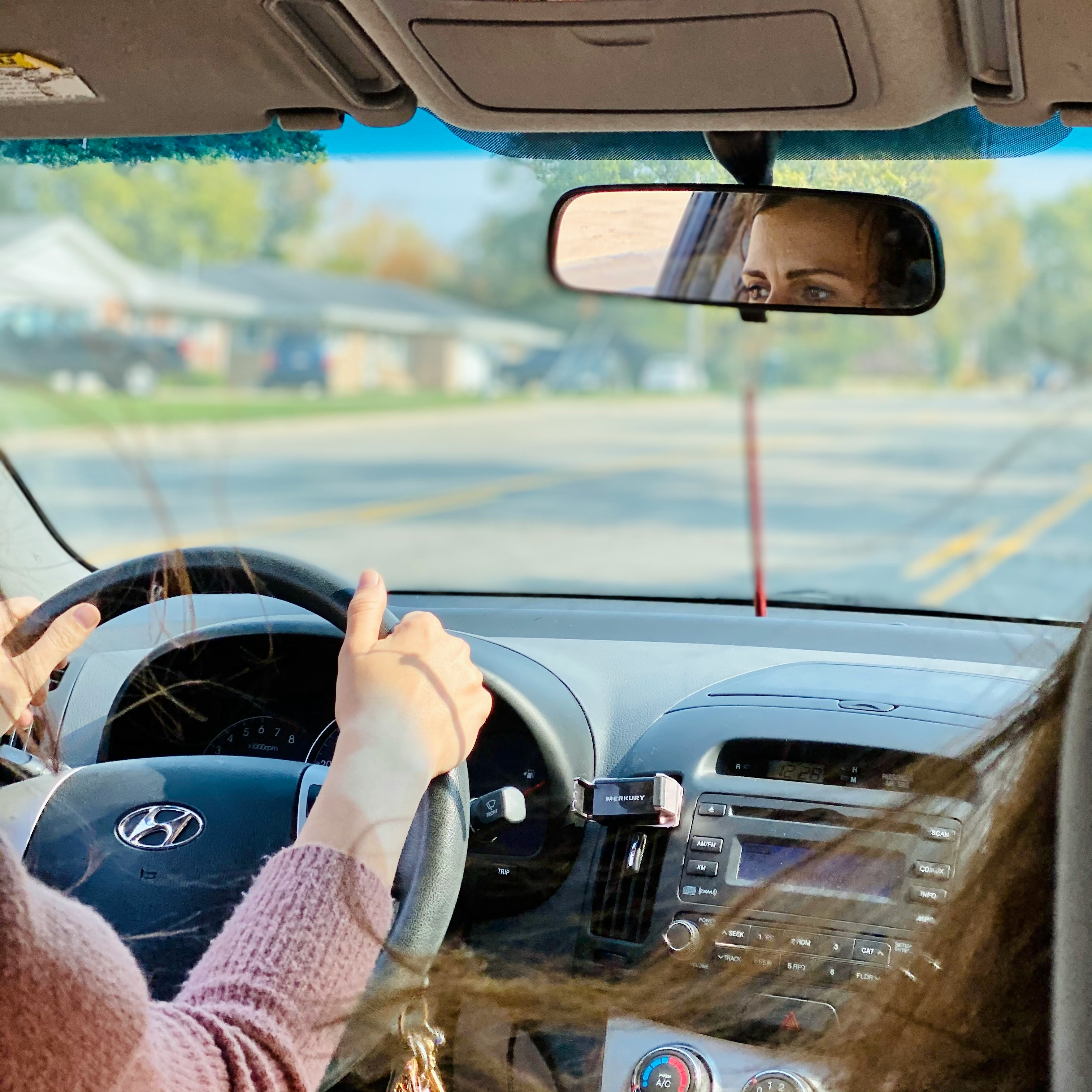
Image Credit: Tracy Anderson from Unsplash
It is frustrating when you have a journey planned out and everything is going smoothly until you're stuck behind a learner driver. Everyone does it; it is common and seems to be more of an impulse rather than a clear judgment. "Ugh, stuck behind a learner", and that opinion you've made sets you up for anger and annoyance towards them, regardless of whether they are taking their time or being cautious.
When seeing the red 'L' plate approaching your view in front of you, just take a moment and understand why they might be driving differently to you and, if this does affect your journey, well there isn't much you can do—the young dirvers have to learn somehow and they need to be out on the real road with real drivers to learn and the rage you inflict towards them, even if it is a subtle dig at them, like driving too close, just take a moment and acknowledge that they are trying their best and that's all they can do!
 Image Credit: Vitaly Gariev from Unsplash
If you're thinking about starting to learn to drive or are already learning, we know how unfair it is and how you feel. It is scary when you are being harassed while trying to learn a hard skill, but do not let the rage affect you; your instructor will tell you this, too. This is your driving journey, and you take it at your own pace, however you feel comfortable.
The learner's driver rage is not something to put you off driving; it is simply the older generation and other experienced drivers just not understanding how driving tests now work and how much harder they are. If anything, take the honking of horns as a way to prove to drivers, like that in the future, that you are capable of driving—it just takes time and practice.
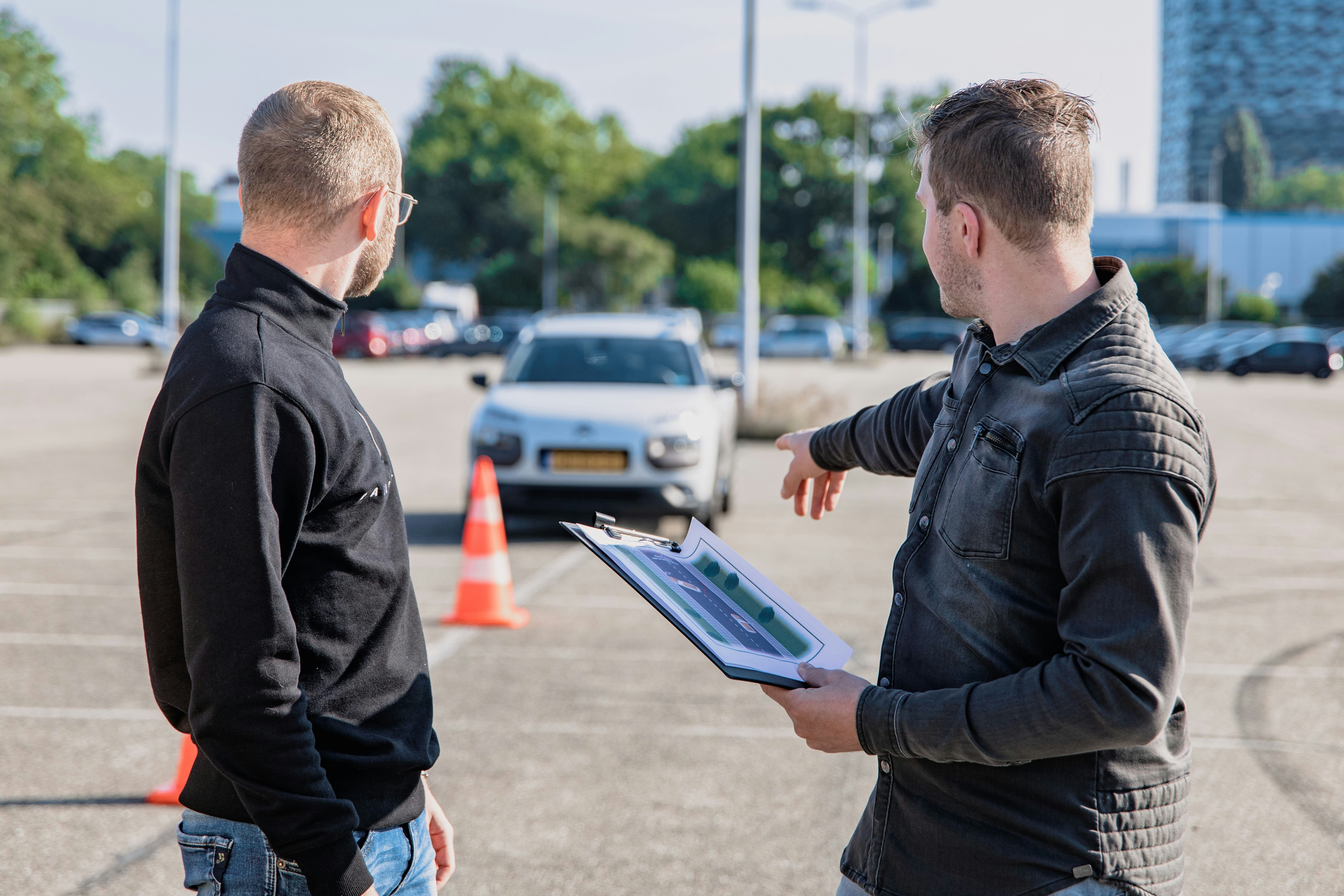 Image Credit: Bas Peperzak from Unsplash
All drivers have had to pass a driving test to make their journeys; all those already driving on the roads have once been in the same position with an instructor, being tested and judged. If you're an experienced driver, think back to your test when you were younger—how would you have liked it if someone was behind you honking their car horn at you while you're trying to figure out the speed limit of the road?
Additionally, another factor to consider when assessing learner drivers is that driving tests have become significantly more advanced in recent years. The older gen drivers already on the road today didn't have a separate theory test to pass before even getting to the practical side, so younger people now not only have to study for a 50-question theory exam on the knowledge of the road, but also worry about the practical learning part of the process.
So, this is where the empathy comes in, just put yourself in the shoes of the young driver, think how terrifying it must be to navigate a vehicle all on your own, surrounded by so many people who already know how, it feels embarrassing, nerve-racking and thrilling all at once.
 Image Credit: Orkun Azap from Unsplash
So, is this learner driver rage really warranted? We think perhaps not. Anger, rage and annoyance do not solve problems or make situations any easier for either party. If you are upset by the young drivers on the road, just keep the judgments to yourself and do not show your annoyance to the driver, because if anything, your act of anger you inflict towards them will worry the learner even more, perhaps making them go slower or even cause something much more detrimental, which is not good for anybody. Older gen: Let the learners learn, and young gen: keep going, 'you're doing amazing, sweetie!'
