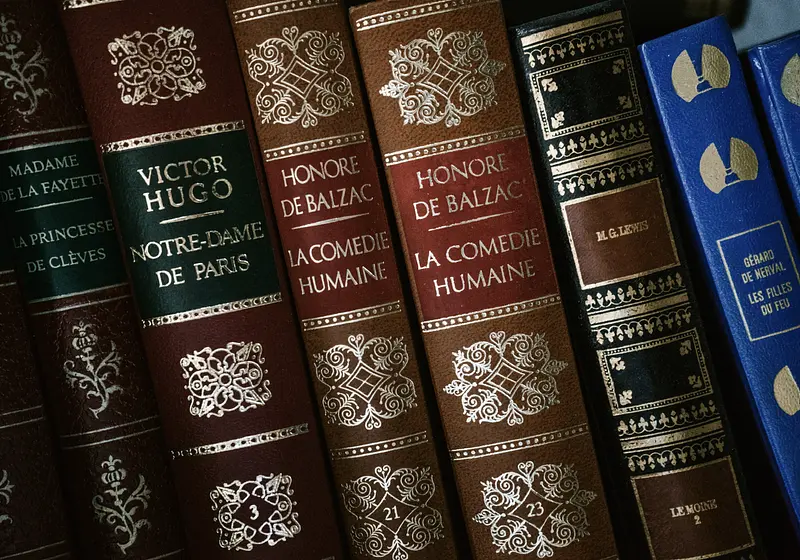




Many classics of old literature carry outdated, maybe even harmful, values into our school syllabi--leaving behind traces of ideas about race, gender, social class, power, etc. that are not constructive of the society that we should strive for today. And yet they continue to be taught, buttressed by the excuse that these are classics--taught without the necessary context that allows students to question, resist, or reinterpret them.

Image Credit: Bohovyk from Unsplash
Let us slide into your dms 🥰
Get notified of top trending articles like this one every week! (we won't spam you)Why Is This So Harmful?
Teaching old literature without critical framing can actively reinforce oppressive ideas. When racist, misogynistic, or classist scenarios are accepted into an educational system and presented to students in a non-negative context it signals to them that these perspectives still merit uncritical respect despite contemporary society.

Image Credit: Eliason from Unsplash
For marginalized students, this can feel not only uncomfortable but like erasure--they can feel as though their identities are being misrepresented or ignored in texts that are widely supported as classic, cultural standards. For other students it can normalize harmful attitudes, embedding them under the guise of traditional or intellectual merit. This results in a classroom that ultimately allows inequality and inequity into its discussions.


Take the Quiz: Religion, Schools, and Equality
Religion in Schools: Teaching Respect, Not Bias.
Examples
Shakespeare's plays are not avoidable in high school and college English environments--they are lauded as the pinnacle of literary achievment. However, his plays are permeated by harmful stereotypes that continue to echo and sink into students' minds when taught uncritically.
Othello alone is massively dependent on Othello's identity as a Black man--his character riding heavily into pigeonholes and riding racist assumptions: Othello is portrayed as dangerously jealous, overly emotional, ultimately violent. The play essentially portrays Black men as threats to white people, especially women--if taught void of critical framing, students may be led absorb these stereotypes and storylines rather than interrogate them as they should.

Image Credit: Mossholder from Unsplash
Of Mice and Men by Join Steinback, though now banned in many high schools across the US, was once regularly included in school curriculums--even today, it is still taught in some systems. Not only does it contain racist language, ableist stereotypes, and demeaning portrayals of marginalized groups, it also reinforces this idea that certain lives are of higher 'value' or 'quality' than others--some people deserve to be disposed of, while others deserve more: it dehumanizes humanity.
In doing so, Steinback's narrative gives normality to a hierarchy of human worth, subtly teaching students to view dehumanization as acceptable.
There are other more nuanced examples wherein criticism of certain aspects of the book should be broached to provide context for students. The Great Gatsby by F. Scott Fitzgerald, a quintessential American classic, glorifies wealth and privilege while objectifying and discarding the central women of the book--Myrtle and Daisy. These characters serve primarily as symbols of male desire and ambition, boiling down to an obsession with elite, white, upper-class lives that reduces everyone else to margins. Teaching texts like these with critical, sharp lens is critical
Rethinking How We Teach the Classics
The issue is not always just the texts themselves, but how they are framed, when or if they are criticized, and how they are discussed. When works such as the ones mentioned above--Othello, Of Mice and Men, The Great Gatsby--are taught without any context, there is an inevitable risk of reinforcing the very prejudices they contain. But when students are encouraged to actively read these texts through a modern lens and understand the aspects of these narratives they should be critiquing, the classroom becomes a place of empowerment rather than just passive absorption.
Teachers can pair "canonical" works with counter-texts by authors from marginalized communities, inviting students to compare and understand what is missing from the classics' perspectives. They can have open, enlightening discussions about the historical contexts that may have shaped these works, picking apart the racism, sexism, and classism that underpin them. This can create a space that opposes these harmful values, forming leeway for dialogue and important growth.

Image Credit: Arslaner from Unsplash
Many of these classics are classics for a reason--their morals and perspectives may be very wrong, but they contain storytelling, literary craft, and exploration of universal human experiences that remain very compelling. By analyzing these compellingly written texts through a modern lens, students can lead to recognize bias, question authority, and explore alternative perspectives--cultivating ethical reasoning and a deeper understanding of the modern world.
Youth Voices Today
Students today are not passive readers. We are a generation that has grown up trained and attuned to questions of justice and equality--therefore, we approach literature not only as a means or entertainment or academic requirement but as potential to challenge and reinterpret the narratives that were presented to us previously.
These classics, harmful values and compelling writing, can serve to be useful tools for critical engagement in classrooms--if they are used properly. If youth voices insist that literature should not simply preserve tradition but actively reflect and interrogate the societal values neglected in these classics, we can address important problems both in previous and our current, future, societies.
Our contemporary world is far from perfect in terms of equality; but by transforming the study of old texts into a practice of critical thinking, empathy and social awareness, students may be able to twist certain flawed narratives into an opportunity to have a deeper comprehension of how students and societies are shaped by literature. In doing so, we can uncover biases and imagine alternative ways of understanding human experience.