




Whenever you ask someone what languages they know, it’s not uncommon for them to reply with, “Oh, I learnt X language at school, but I can’t remember anything.” This kind of response saddens me as someone extremely passionate about languages. Although I don’t necessarily blame them! As with a lot of other subjects, school tends to make interesting things about as fun as watching paint dry on a cloudy day.
This is why I want to preach the importance of exploring the media and arts that the language you’re learning has to offer. Anything from a strong love of music, literature, theatre, and so on can bring your motivation to life while strengthening your connection with your target language.
Let us slide into your dms 🥰
Get notified of top trending articles like this one every week! (we won't spam you)The Classroom vs Real Life
People who only learn a language in the classroom often face a different challenge. While having a teacher to rely on is helpful, many teachers tend to teach an outdated and overly formal way of speaking.
For instance, I learnt French as a foreign language at school. Overall, I had 4 different teachers. My first teacher was incredibly dedicated to making a class of middle schoolers proficient in French.
It was mostly due to her that I’m able to understand French today. She urged us to speak, gave us homework every time and frequently tested our knowledge.
The very last French teacher I had taught us differently. When she noticed the absolute lack of interest and participation from a huge majority of the class, she decided to give us numerous grammar tasks each lesson. One time, we were given an informal writing task.
During that time, I frequently watched French content online, and I picked up quite a lot of useful vocabulary that is used when speaking. Upon being given this paper, I was quite excited as I could use my newly gained French knowledge! Right? Wrong.
What shocked me was that she changed the vocabulary I used to mean the word people. Where I had written «les gens» was changed into «les personnes». The word she changed it to is formal, whereas mine was informal — for the informal writing task. It did lead me to wonder why students are taught to speak in such an old-fashioned way rather than being taught the way native speakers truly speak.
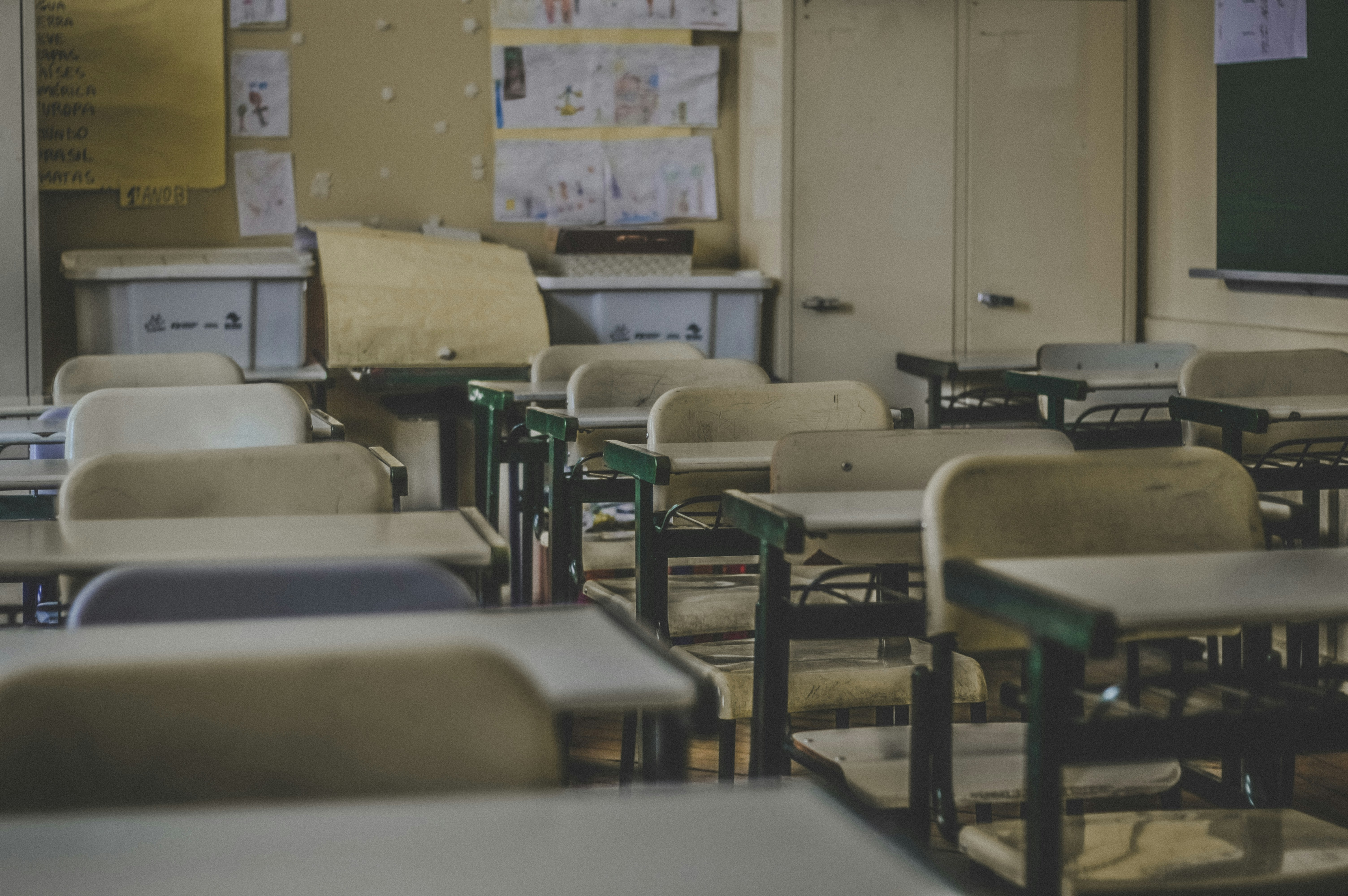
Image Credit: Schiarolli from Unsplash

Take the Quiz: What’s Your Secret Superpower? This Quiz Will Reveal Which Singer Icon You Resemble
This fun quiz will unveil your unique qualities and reveal which music icon you resemble the most.
Why do people still learn languages in this day and age?
Learning languages is not a very popular hobby worldwide. It is almost a lost art, much like the reason why people still continue to learn languages — for art. Thanks to globalisation, you see South Africans listening to K-pop, Americans binge-watching anime series, and Filipinos watching Eurovision.
All of these are perfect reasons to want to learn languages — due to the love of that specific art form. Honestly, who hasn’t fallen in love with media in a foreign language?
In my case, I’ve had far too many to count. Due to falling in love with Ziferblat, a Ukrainian band, I have been avidly learning Ukrainian every day. The reason I began to learn was that I wanted to understand their interviews and songs.
I was so captivated by the band and the Ukrainian language that I felt compelled to understand what they were saying in their native language. The need to understand songs in their original language is, truly, a shared experience. While translations are incredibly helpful, they, sadly, cannot portray the same effect as a song in its native tongue. With the rise of AI in the past few years, we can get quick translations in the blink of an eye. However, there is nothing more rewarding and validating than finally breaking through — understanding puns, idioms and conversations in your target language.

Image Credit: Leung from Unsplash
How the arts can continue to motivate
Language learning isn’t all cupcakes and rainbows. There are tons of moments in which people hit a slump or want to give up. The most important thing one can do at this point is to remember the reason why they’re learning their target language. To go back to where it all began, to that one song or poem.
Arts continue to teach, especially language learners, since a song isn’t just words. Songs teach pronunciation, tone, rhythm, and stress — all vital things to know about a language. Songs introduce you to sentence structure, vocabulary, and punctuation — all in a way that’s engaging.
While grammar books are useful, they shouldn’t be the only method. The best way would be to combine these two ways to maximise language learning abilities. From grammar books, you get to understand how a language works, but with the arts, you get to understand how a language lives.

Image Credit: Zhang from Unsplash
Bringing a language to life
The arts are also a great way to get to know the culture and values of the language you’re learning. Reading poems in your target language would depict how a culture deals with grief or joy. Films will let you in on common gestures or filler words. As well as seeing what kind of values native speakers bring to the table, whether they’re more introverted and respectful of your space, or more likely to invite someone they just met over for tea (though it's never just tea).
No matter what level you’re at, it’s always a great idea to befriend native speakers. Someone who would keep you on track and be able to help with questions. This would also be the best way to learn about the culture and relevant everyday slang.
After all, textbooks don’t preoccupy you with slang. The same thing goes for popular content creators online, watching people who are native speakers watch would give you the upper hand as by that point you would understand inside jokes and specific references. This is one of the most rewarding aspects of learning a language — being able to connect with people in their native language.
Language learning doesn’t have to be done by only sitting in front of a textbook, transported back to class. True language learning happens outside of your comfort zone: text a native speaker, listen to an interview or even try writing a poem. By doing so, you may reach goals faster than you thought you would.