





If you are Indian, you've likely heard the word “Seva” more frequently than you can recall. “Seva” literally means service, but for Indians, it is much deeper and more philosophical than that. Seva helps break down barriers between cultures and religions, with a singular aim: to promote humanity. I believe it is important for people to understand what Seva means to us and the impact it has made in the lives of Indians.
Let us slide into your dms 🥰
Get notified of top trending articles like this one every week! (we won't spam you)What Seva Means to Us
As I mentioned before, "Seva" literally means service, but what we as Indians perceive is much deeper. For a Hindu, seva involves serving bhadras, engaging in community service through ashrams, performing puja, and embracing Vedic philosophies.
For Punjabis, it means serving langar and participating in community service while following the teachings of their Guru. For Muslims, it often includes serving food to the poor and much more. What connects us all in this concept of seva is that it transcends religious and cultural boundaries; it doesn’t matter whether you are Hindu or Muslim, from North or South India, or what language you speak.
It is a devotion that comes from the heart. But the question is, why?
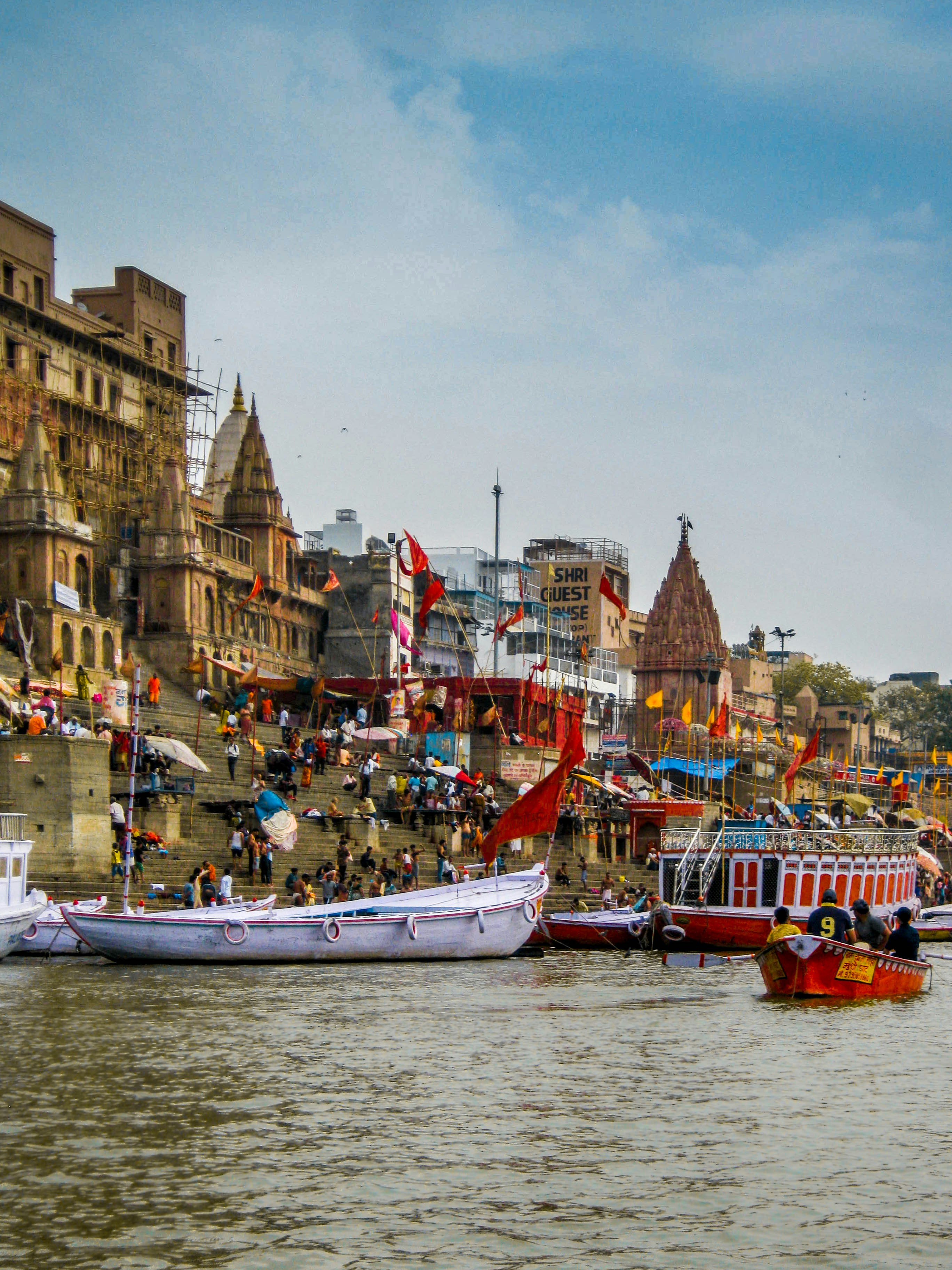
Image Credit: Photo by Srivatsan Balaji on Unsplash
The common understanding among our religions is that we must engage in Seva (selfless service) towards our Lord. This brings us blessings and spiritual upliftment. Most scriptures also emphasise that God's house is open to everyone because we are all human. If one person is strong, they must help the vulnerable, as this is the greatest virtue.
We believe that God is present in everyone, every animal, and every object. To attain the highest level of blessing, spiritual enlightenment, and to deeply immerse ourselves in God’s transcendental love, we must also serve all of His children (humanity). We should give as much as possible and help those in need.
This is the common philosophy we all abide by. We believe that no soul should go to sleep hungry or be deprived. We must care for each other because we are all brothers and sisters, with the Lord as our father.
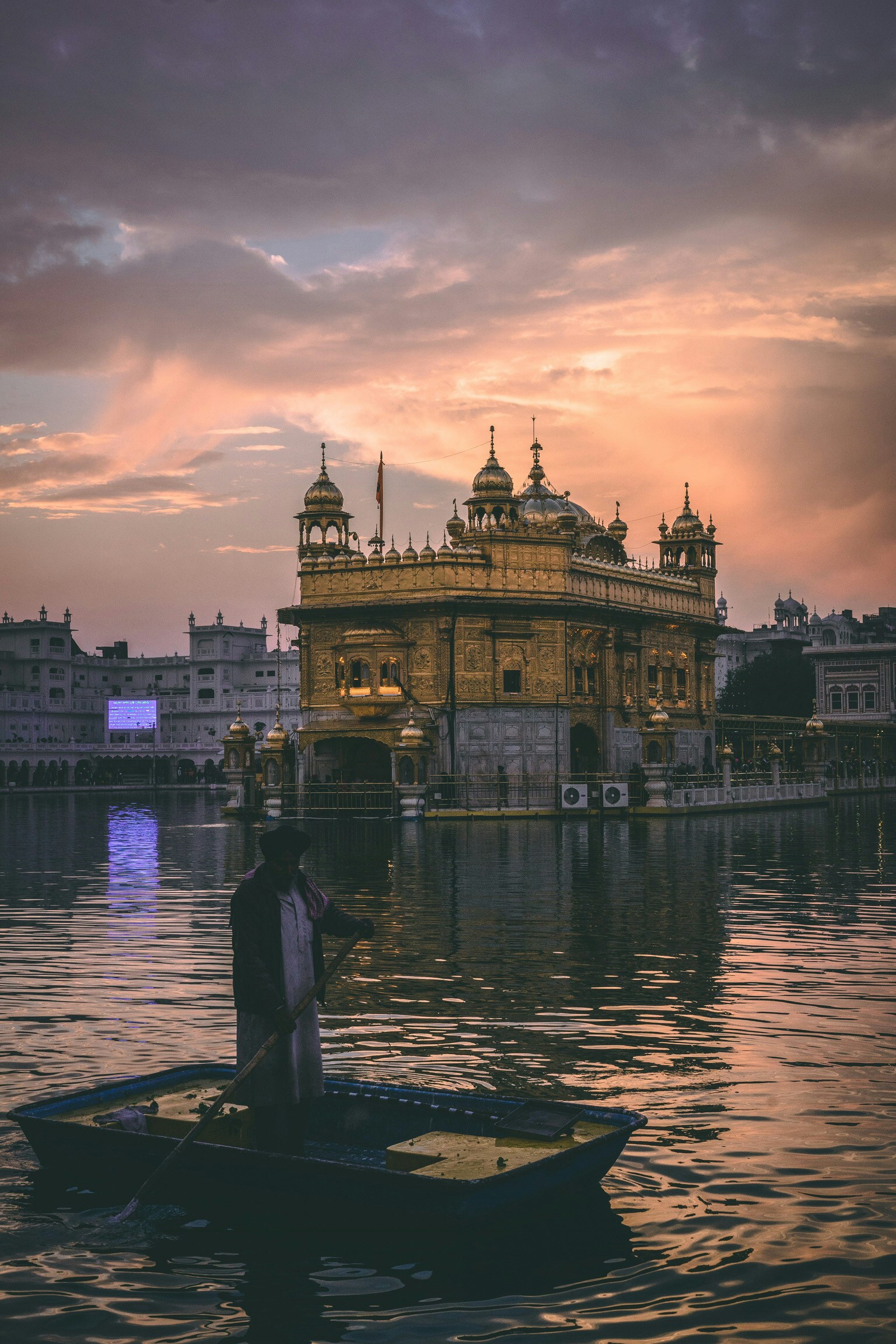
Image Credit: Photo by Raghu Nayyar on Unsplash
In India, it is quite common for religious places to offer accommodations and food to visitors, regardless of their own beliefs. Even if someone comes just to eat and does not contribute anything, the people serving them do so with the same level of affection and love, without feeling taken advantage of.


Take the Quiz: Religion, Schools, and Equality
Religion in Schools: Teaching Respect, Not Bias.
How Seva is a symbol of unity
While performing Seva, we don’t consider your age, colour, religion, language, or any other differences. We see that you are a child of God in need of help. This perspective is what unites us.
Although we may be separate in terms of rituals and lifestyles, there is a common philosophy that binds us, and we support one another through it. This is the true power of India.
The foreign media often refuses to acknowledge this aspect of Indian culture and society. They tend to highlight how our differences divide us, while the reality is quite the opposite. We are diverse, yet we are fundamentally the same. This unity represents the strength of our society.
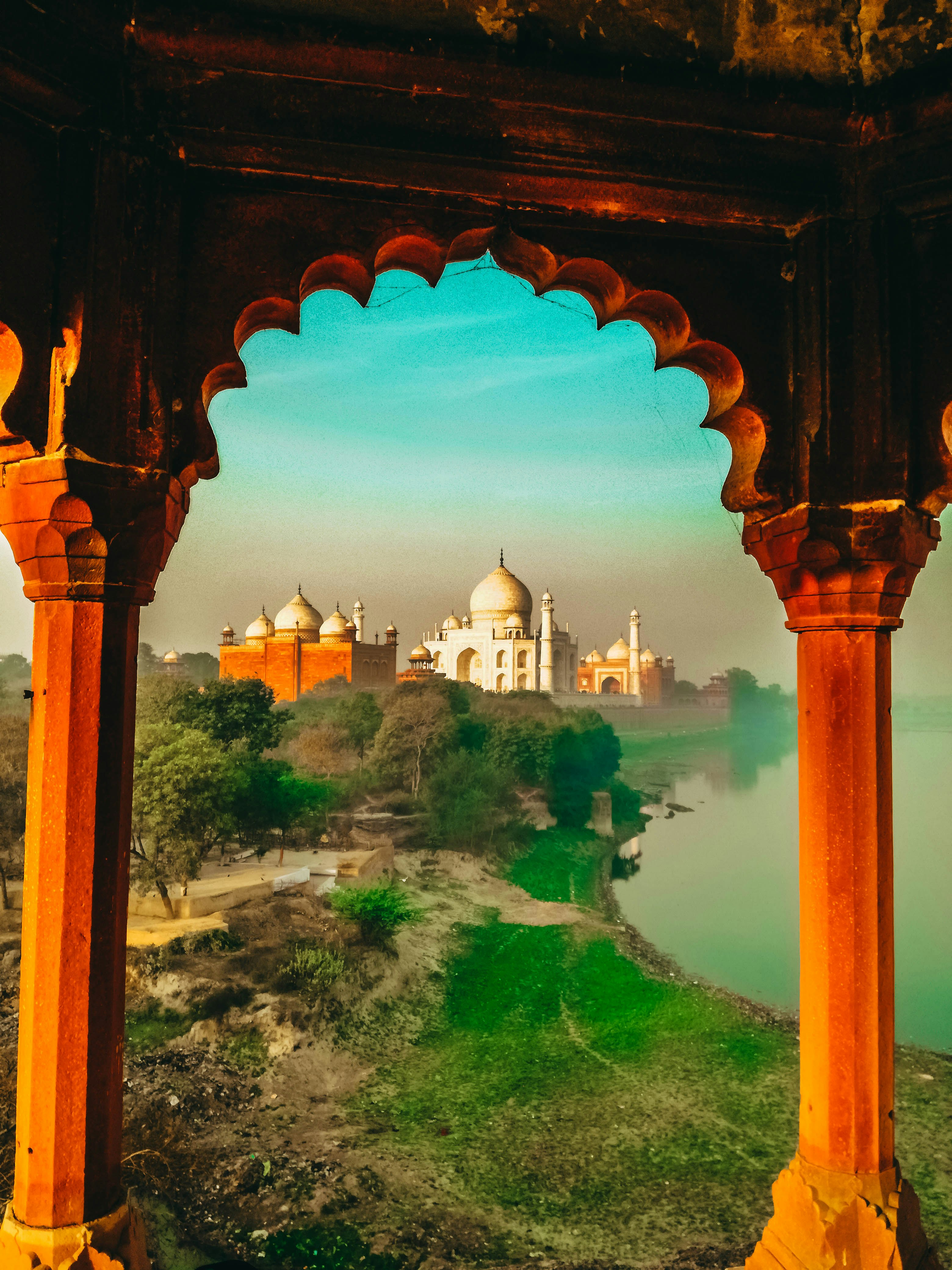
Image Credit: Photo by Tiago Rosado on Unsplash
At the core of an Indian’s values are respect, humility, love, and compassion. These principles are the foundation of our religions and culture. During langars or bhandaras, everyone comes together to help those who are engaged in Seva, as there is no greater blessing than this.
At this moment, we are idealising activists—but let’s rethink what activism truly means. In India, we practice these values every day with pure hearts and a willingness to support one another. This sense of community is what makes us strong, and it is an aspect that the world often overlooks when appreciating the beauty of Indian culture.