





What if I told you that every time you binge-watch Netflix, scroll TikTok, or back up your photos, you’re quietly pumping carbon into the atmosphere? It sounds impossible, right? After all, the internet feels like anything BUT dangerous, just a bunch of WiFi signals and glowing screens. However, behind every click and stream are massive data centers, stuffed with servers that use great amounts of energy to allow for the everyday conveniences and entertainment in our lives.
In fact, the internet is now responsible for more greenhouse gas emissions than the entire airline industry. It produces around 4% of the world's CO2 which exceeds how much the entire country of Russia produces in a year. Every meme shared, every playlist streamed, every late-night YouTube video, even a simple text message all adds up to the rapidly increasing CO2 levels.. And with billions of people online and the access to technology spreading, that “invisible” footprint is growing faster than ever. Essentially every late-night scroll session or a Netflix and chill are silently killing us in the long run.
The truth is, the digital world isn’t as digital is it may seem. Our online habits are tied to a hidden, wasteful system that has major negative implications for our planet. So, how does something as harmless as streaming your favorite show or scrolling Instagram translate into greenhouse gases? Let’s break down where all that “invisible” pollution really comes from and what we can do about it.
Let us slide into your dms 🥰
Get notified of top trending articles like this one every week! (we won't spam you)The Hidden Energy Between Every Click
The internet seems almost imaginative and weightless, but using it takes massive amounts of energy. Every message you send, video you watch, or file you store travels through data centers, huge warehouses filled with thousands of servers. They run nonstop to keep up with the hundreds of millions of people online at once.
Due to this never-ending activity, just as your computer starts its fans to cool it down, these massive data centers need constant air conditioning to stay cool and to not black out. Guess what fuels the air conditioning. Yep, fossil fuels, especially coal. That means your favorite Netflix show or TikTok video you post has a carbon price tag attached to it.
The result? These practices alone would be using more electricity than the entirety of the UK each year! This will only get worse as more users join the internet and these centers have to support a growing population.
This means even more fossil fuels are needed to keep the Internet’s ‘backbone’ running. Think about how mad you get when your favorite platform is not loading, or the servers are down for a video game. The direct culprit is these data centers!
So next time you scroll TikTok or watch a video because you are bored, you are actually paying a price for that. The price of carbon emissions.

Image Credit: Solen Feyissa from Unsplash


Take the Quiz: Which KPop Demon Hunters Character Are You?
Are you sassy like Mira or effortlessly charming like Jinu? Play to find out!
Cloud Storage
Saving thousands of photos, videos, and memes feels harmless since you’re just “putting them in the cloud.” But the cloud is actually rows of physical servers in giant data centers.
Think of it like this: every selfie, screenshot, and TikTok draft you never post is sitting somewhere on a computer that needs energy 24/7 just to keep it safe. The more data we hoard, the more energy these centers consume.

Image Credit: imgix from Unsplash
Streaming Services: The Biggest Energy Hogs
Netflix, the leading streaming service, boasts over 300 million subscribers worldwide. That's why it is not surprising that streaming makes up a big chunk of the CO2 emissions and energy use. Since high-quality files are huge, moving them across the world burns countless amounts of energy.
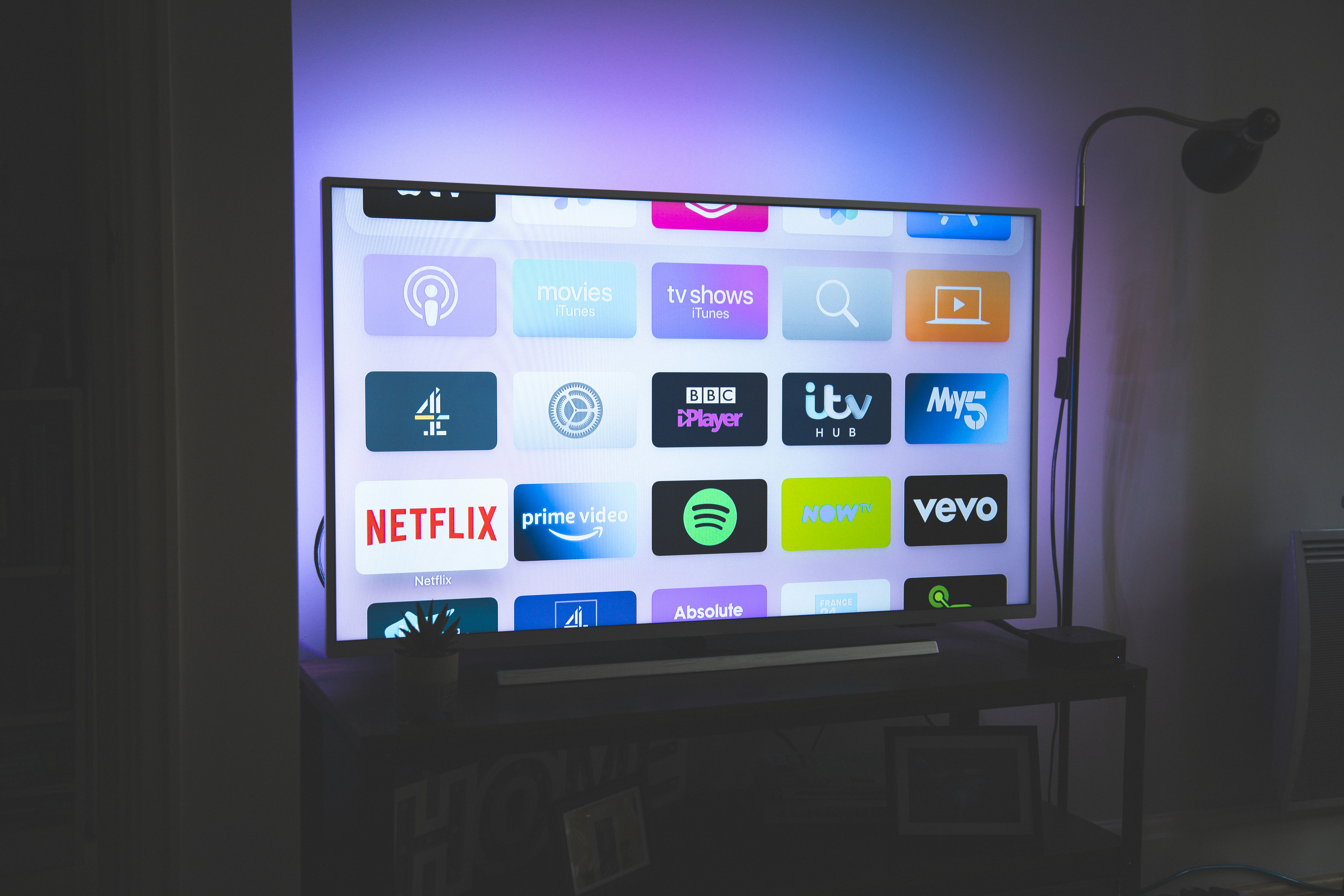
Image Credit: Nicolas J Leclercq from Unsplash
Several Factors Contribute to Streaming's Carbon Footprint:
- Type of device: TVs use more energy than laptops or phones. Streaming on smaller devices and extending device lifespan can reduce impact.
- Data centers & networks: These facilities consume significant electricity.
- Energy mix: The source of electricity powering devices, data centers, and networks impacts emissions.
- Video quality: High-definition (HD) streaming is about 20 times more energy-intensive than standard definition (SD).
Here’s the shocking part: watching one hour of Netflix in HD uses about the same amount of electricity as running two refrigerators for an hour. Scale that up, and streaming just 30 minutes a day for a year can create as much carbon pollution as driving over 200 miles in a car.
The Overlooked Cost of Social Media
Every flick of your thumb, whether on Instagram, TikTok, or Twitter, has a footprint. Like the other examples mentioned, these platforms rely heavily on data centers to keep posts, videos, and the fabled ‘algorithm’ running nonstop.
Surprisingly, even though it may seem small, watching short form content or scrolling through social media has the greatest effect on carbon emissions. A single person scrolling per day is equivalent to CO2 levels produced by 2.4 miles in a car. See how that adds up when taking into consideration the 2 hours and 30 minutes the average person spends on social media. That for a year can be equivalent to upwards of the emissions of 1,000 miles in a car.
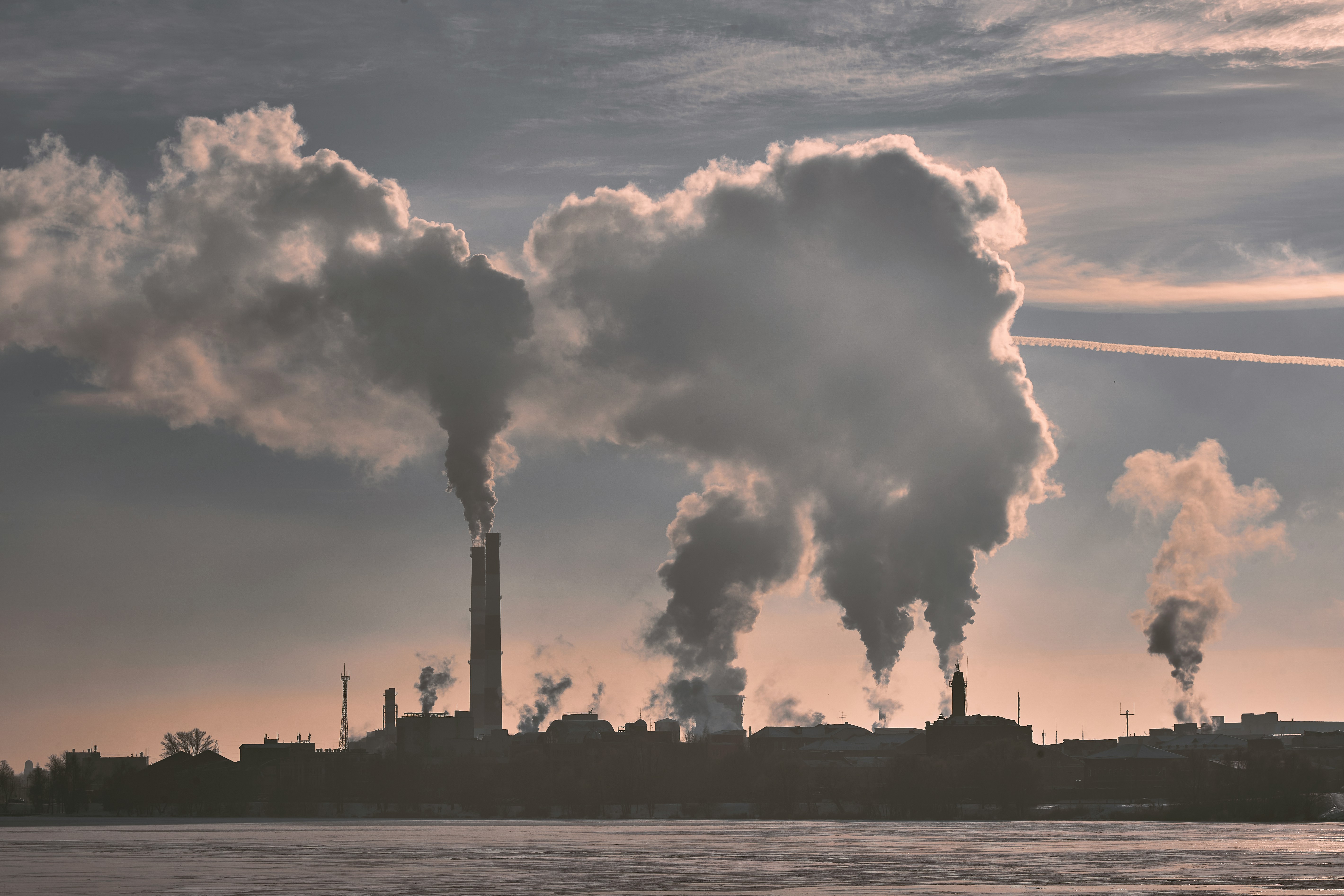
Image Credit: Maxim Tolchinskiy from Unsplash
What Can You Do?
The good news? You don’t need to “quit the internet” to make a difference. Small changes in how you use tech can shrink your digital footprint:
- Download instead of stream: If you re-watch shows or listen to the same songs, downloading uses less energy than streaming again and again.
- Lower video quality: Watching in 720p instead of 4K saves a surprising amount of energy—and you probably won’t notice the difference on your phone.
- Declutter the cloud: Delete old files, emails, and photos you don’t need. Less storage = less server power.
- Take screen breaks: Good for your mental health and the planet. Win-win.
- Support green tech: Some companies now run their data centers on renewable energy to help push the whole industry toward sustainability.
Your scrolling habits might seem tiny, but together they add up to one of the fastest-growing sources of carbon pollution. The next time you fall into a YouTube binge or spend hours on TikTok, remember the internet isn’t free, it comes with a hidden cost to the planet. Even 5 minutes less of screen time a day can make a huge difference!


.jpg)
.jpg)