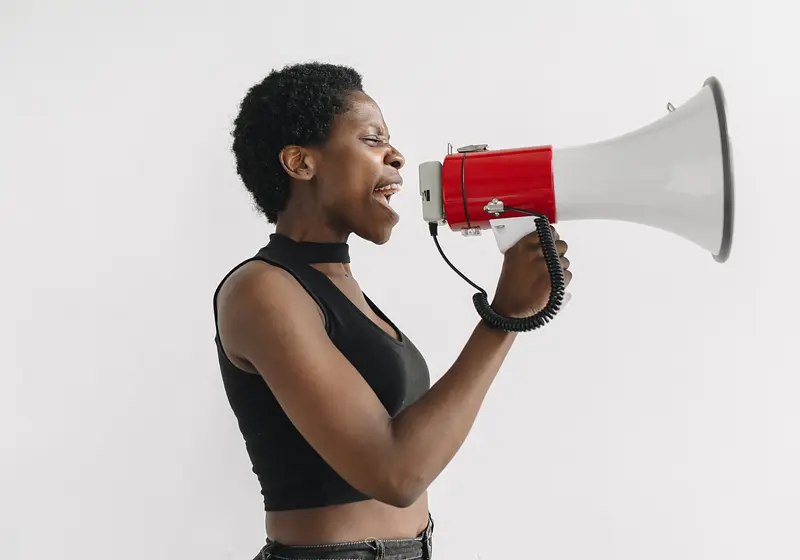







Period poverty and menstrual equity are rampant issues that afflict the lives of countless women, girls, and people globally. Yet, you rarely hear anyone talking about these topics—despite the fact that nearly half the world menstruates at some point in their lives. This silence in turn leads to stigmas around periods and leaves those affected without the aid or support they need, or even feeling shame about something that is so wholly natural.

Image Credit: Joel Muniz from Unsplash
Let us slide into your dms 🥰
Get notified of top trending articles like this one every week! (we won't spam you)Definition of Period Poverty
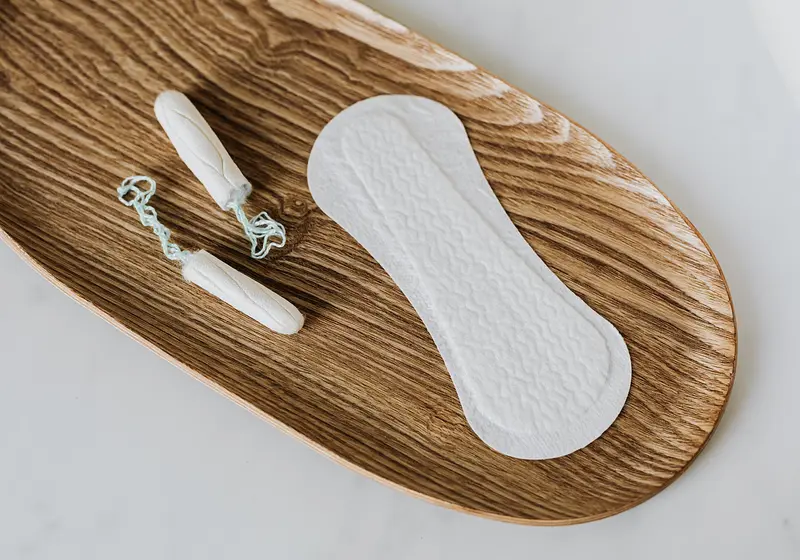
So what is it exactly? Period poverty is the lack of access to menstrual products, hygiene facilities, education, and support needed to manage menstruation with dignity. It includes, but is not exclusive to: inability to afford pads, tampons, or menstrual cups; lack of clean, private bathrooms with running water; limited menstrual health education; cultural stigma or shame around periods, etc.
It's not only about the products that are inaccessible to certain people—it's bigger than that: period poverty encompasses all the barriers that withhold people from managing menstruation the way they should be able to. Comfortably, safely, and with dignity. The scope of this vast yet quiet issue is mind-bogglingly large—it affects millions of people worldwide, from students to low-income individuals to homeless populations and marginalized communities.
Take the Quiz: What Type of Notes Should I Take?
Discover the best note-taking method for your learning style!
Health Impacts
A common misunderstanding about the effect of lack of access to adequate supplies is that it is sheerly an inconvenience. This is thoroughly untrue: period poverty can impact both physical and mental health on a devastating level.
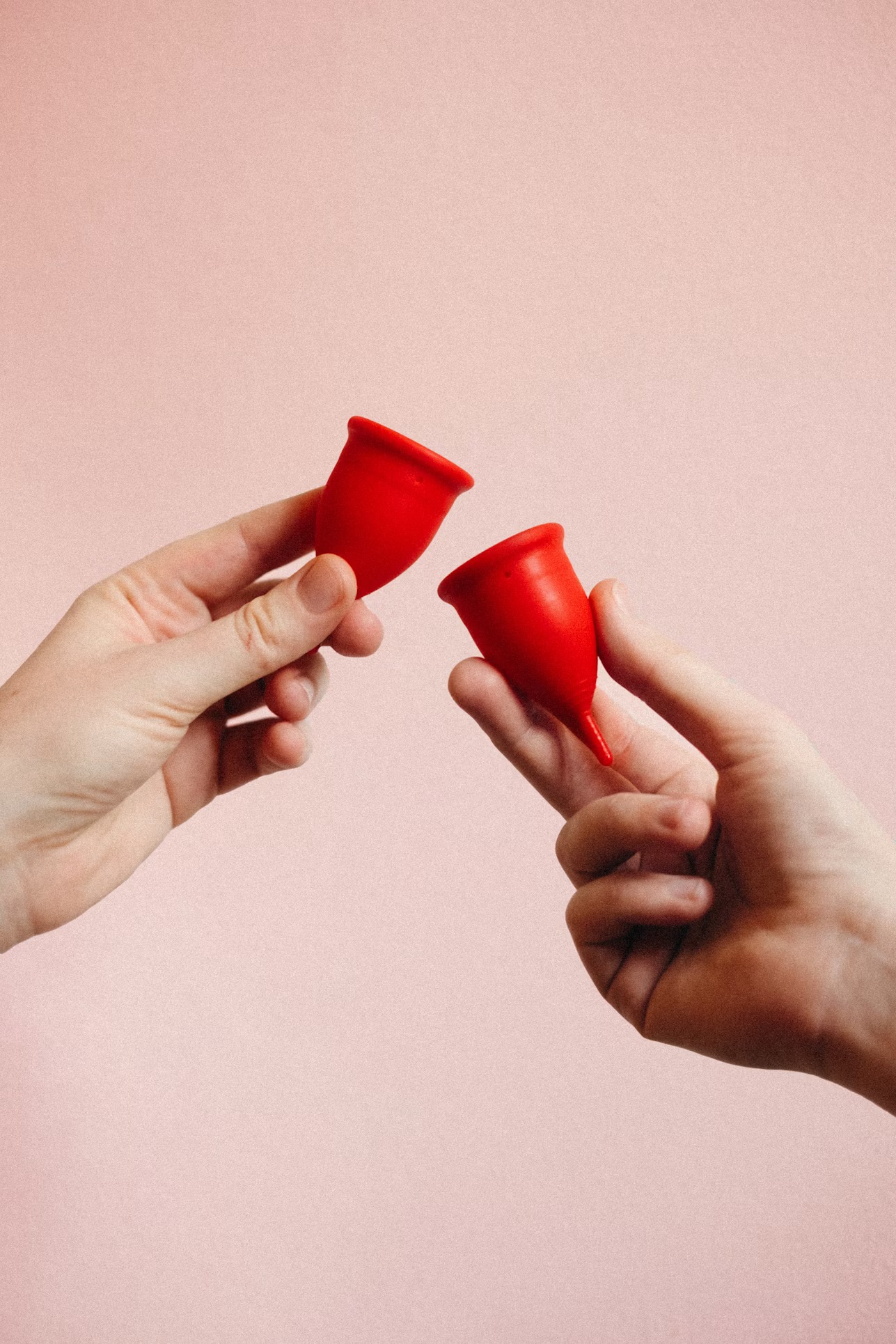
Image Credit: Monika Kozub from Unsplash
For one, it augments the risk of infections. Using unsafe materials—socks, rags, newspapers, etc.—in lieu of pads, tampons, or menstrual cups can increase your chances of contracting urinary tract infections, bacterial vaginosis, or reproductive tract infections. Similarly, poor menstrual hygiene is, plainly, unhygienic and dangerous—especially if you are living in an underresourced or school setting.
These physical effects can consequently lead to mental health struggles—the stigma, shame, and stress inflicted by not having period products can lead to anxiety and embarrassment, low self-esteem, depression, feeling isolated, among other big, largely negative emotions and ideas. Additionally, the perpetual concern over leaks, hygiene, and access to products can leave teens constantly stressed out, leaving a physical and emotional strain on their body—particularly for teens trying to focus on school and social life.
Social and Economic Consequences
Period poverty isn't a problem confined solely within its overlap with health; it is also one that shapes social and economic consequences, both indirectly and directly.
It can lead to missed education and reduced opportunities, with many girls missing school during their periods—which may last up to or longer than a week for some—because they simply do not have access to menstrual products that will allow them to learn in circumstances where they feel safe and comfortable. Missing so much school regularly can cause girls to inevitably fall behind, and even lead to dropout or limited future job prospects.
This creates a cycle where limited education restricts economic independence. For working women, period poverty can lead to missed workdays or reduced productivity, which may have a negative effect on their income or career advancement.
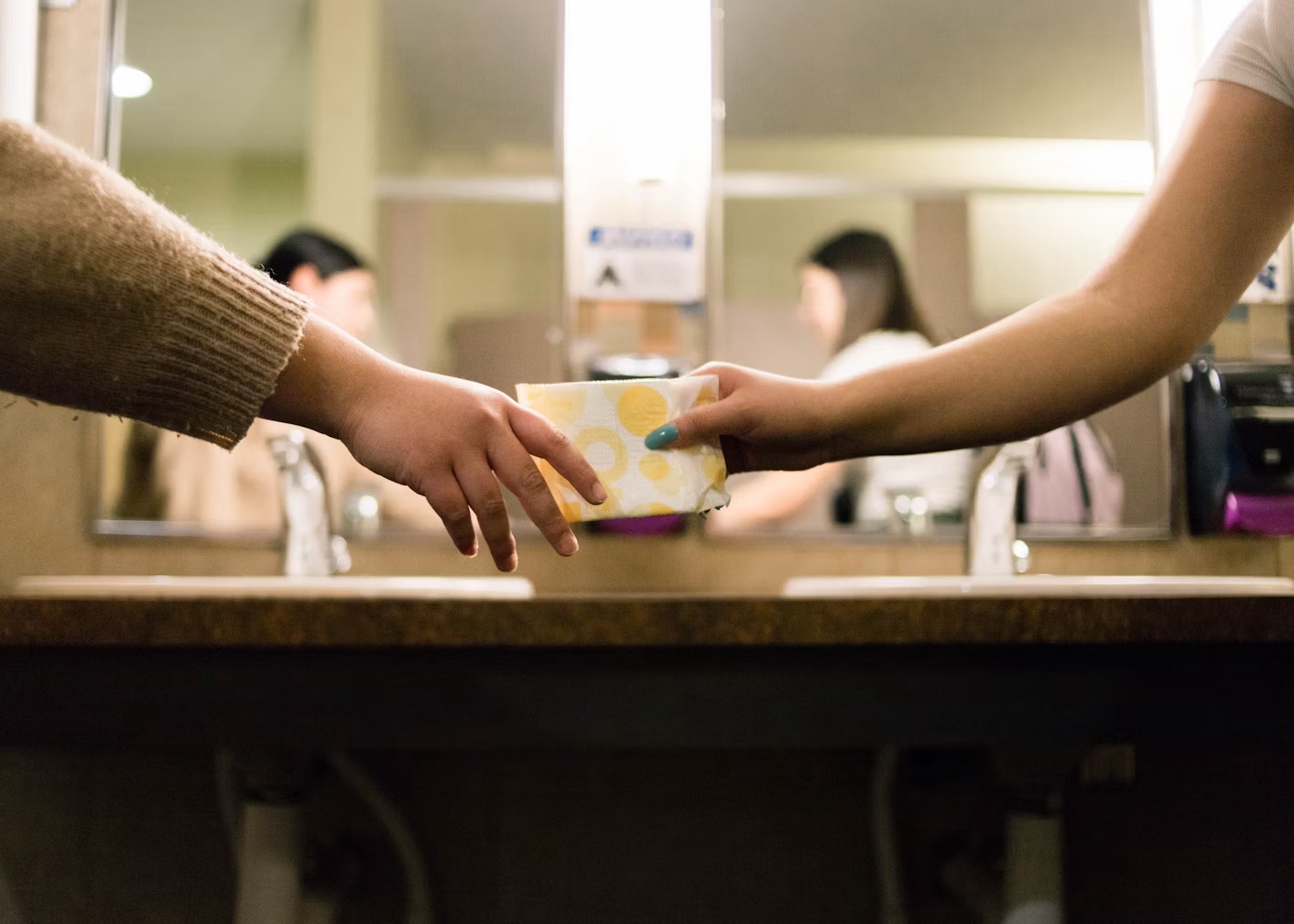
Image Credit: Annika Gordon from Unsplash
In a different vein, the stigmas that still surround periods, even in the twenty-first century, may cause girls and women to feel embarrassed and driven to hide their periods and their struggles with accessing supplies. This can lead to isolation from friends, family, and community, not to mention obstructing any potential help that could benefit them.
Menstrual Equity
Now, what are some changes that could stack up and lead to a necessary change in the direction of menstrual equity?
To begin with, what is menstrual equity?
Menstrual equity means that everybody who menstruates has access to affordable, safe, and high-quality period products, no matter their background or income. It also involves providing more access to education to help more people understand menstruation and feel empowered rather than ashamed of a normal bodily process.
Menstrual equity implies safe, clean, and private facilities like bathrooms and disposal options in schools, workplaces, and public spaces. It is an active pushback against period stigma and discrimination, encourages open conversations normalizing menstruation, and ensures that policies support free or subsidized period products in schools, prisons, shelters, wherever there are people with periods who need them.
Policy Solutions & Community Initiatives
Some policy solutions that could bring us closer to menstrual equity include eliminating the 'tampon tax'—this means removing sales tax from menstrual products to make them cheaper and more accessible. Another solution could be providing free menstrual products in public buildings, schools, and universities to ensure everyone has access regardless of income. Funding menstrual health education programs in schools to teach students about periods and break down stigma is another solution.
Or, to directly help lower-income individuals, we could include menstrual products in social welfare programs so those participating are able to access period supplies with little cost. These solutions may sound slight, like they wouldn't be able to make a substantial difference, but it is the small steps that contribute to mass action in the right direction for menstrual equity.
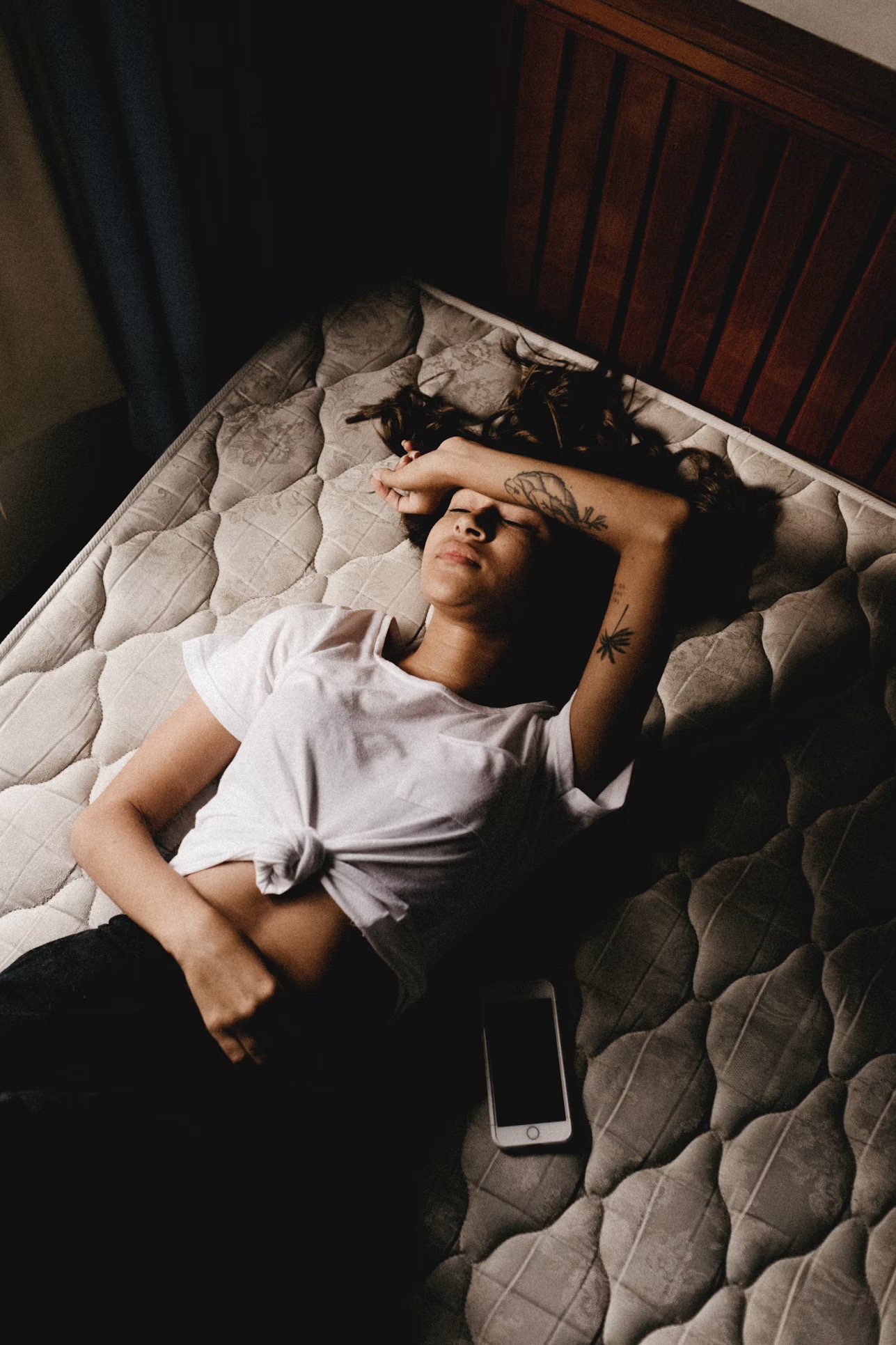
Image Credit: Jonathon Borba from Unsplash
Some common but impactful community initiatives that could be taken up to combat period poverty are holding menstrual product donation drives, period education workshops, local advocacy groups, or reusable product programs. Otherwise, offering free consultations or resources on menstrual health in underserved communities could go a long way to educating people and providing them with the means to better support themselves in the future.
Call to Action
Periods are natural—and no one who has one should ever have to suffer in silence as a product of being unable to access the right resources or stigmas surrounding menstruation. Addressing period poverty isn't just about comfort—it's about equity, dignity, and basic health. Doing what you can—whether that is contributing to small community initiatives, advocating for policy solutions, or something else—to move the world forward toward menstrual equity is synonymous with advocating for a very basic human right that has been neglected for too long.