




As a significant step up from sophomore year, junior year is no joke. Between late nights spent studying, early mornings fueled by coffee and playlists on repeat, and the constant pressure of balancing academics, extracurriculars, and everything else life throws your way, this year challenged me in ways I never expected.
There were nights when sleep felt optional, moments when assignments seemed endless, and plenty of drives to school soundtracked by Mozart as I tried to mentally prepare for the day ahead.
Despite how difficult it was, I feel incredibly grateful to be able to say that junior year is finally over. Looking back, I learned far more than what was written in any textbook. I learned how to manage my time when there never seemed to be enough of it, how to persevere through stress and setbacks, and how to keep moving forward even when I felt overwhelmed.
These lessons became especially clear during the period students know all too well: AP season. In the midst of review packets, practice exams, and mounting anxiety, I discovered strategies that helped me stay productive, motivated, and, most importantly, sane.
This year, I signed up for four AP exams: English Literature and Composition, U.S. History, Precalculus, and Physics, although I ultimately decided not to take the Physics exam.
My school is no longer AP-designated, which gives teachers more freedom to teach their subjects in the ways they believe are most effective. While I appreciated that approach, it also meant that much of my AP exam preparation had to happen independently.
Let us slide into your dms 🥰
Get notified of top trending articles like this one every week! (we won't spam you)AP U.S. History
Of the exams I took, AP U.S. History was the class that aligned most closely with the actual test. Even so, much of my review happened outside the classroom. After self-studying for several AP exams, I picked up a few strategies that genuinely helped me succeed, especially during the short but intense period before AP season when many students find themselves scrambling to review months of material.
About four weeks before the AP U.S. History exam, I committed to reviewing one unit of the curriculum each day. My primary resource was Heimler's History. His engaging teaching style made hours of review far more manageable, and his videos helped me understand not only the facts but also the broader themes connecting different periods of American history.
I also found studying with friends incredibly valuable. Explaining historical trends, causes, and effects to one another helped us understand the bigger picture rather than simply memorizing names and dates.

Image Credit: Benigno Hoyuela from Unsplash
Another lesson I learned was the importance of understanding the exam itself. Social media and online communities provided useful tips about earning rubric points on the writing sections, but nothing helped more than taking practice tests. Becoming familiar with the DBQ, LEQ, and SAQ rubrics allowed me to write more efficiently and confidently under time pressure. Content knowledge matters but knowing exactly what graders are looking for can make a huge difference.


Take the Quiz: What’s Your Study Style?
Find out your study style by taking this quiz!
AP English Literature and Composition
For AP English Literature and Composition, one of the most useful things I did was study literary devices. I found a comprehensive Quizlet set containing hundreds of literary terms and rhetorical devices and reviewed them regularly. Not only did this help with the multiple-choice section of the exam, but it also strengthened my reading and writing throughout junior year.
For the essay portions, there is no substitute for practice. Writing timed essays helped me develop confidence and speed, and having several books in mind for the open-ended literary analysis prompt made the exam much less intimidating. Classics like The Great Gatsby remain popular choices for a reason, but any book you know deeply can be an effective choice.

Image Credit: Peter Thomas from Unsplash
AP Precalculus
AP Precalculus ended up being the most straightforward exam for me. The key was paying attention throughout the year and then reinforcing that knowledge through practice tests. In particular, I found it helpful to watch walkthrough videos of the free-response questions.
College Board tends to use similar question structures from year to year, so learning how to approach one type of FRQ can prepare you for many others. The more patterns you recognize, the less intimidating the exam becomes.
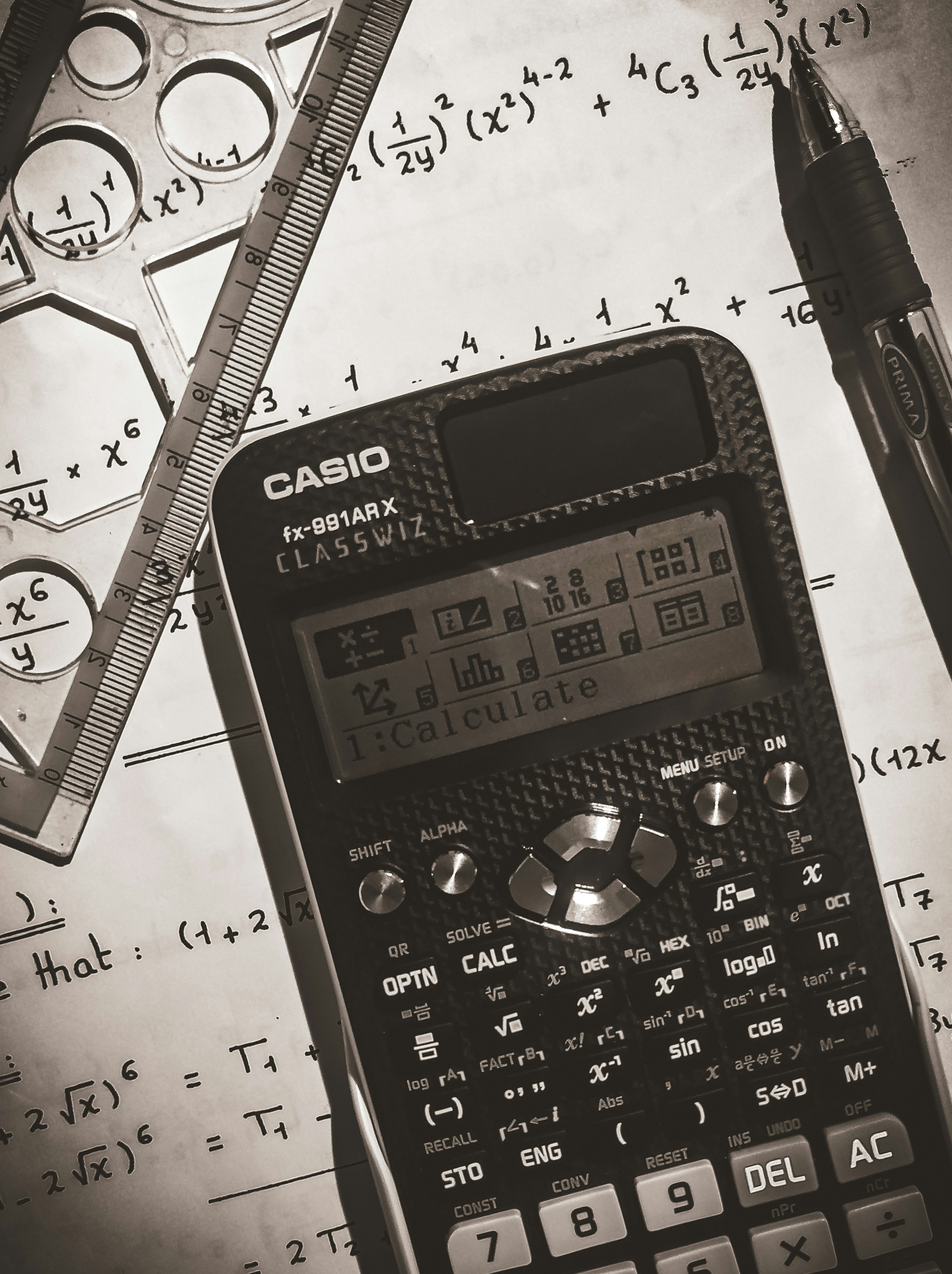
Image Credit: Mahmoud Amer from Unsplash
Lessons From AP Season
If there is one lesson I learned from AP season, it is that time management matters more than almost anything else. AP exams often arrive just before final exams, creating a stressful period where everything seems to happen at once. To reduce that pressure, start earlier than you think you need to.
Use study guides, find resources that match your learning style, study with friends, create timelines, and focus on understanding rather than memorization. Small amounts of consistent preparation are far more effective than one marathon study session the night before an exam.
AP season can feel overwhelming, but it is survivable. No matter how behind you feel or how many review videos are still sitting in your watch later playlist, remember that progress adds up quickly. Take it one day at a time, stay consistent, and trust the work you have put in throughout the year.
Before you know it, you'll be walking out of your last AP exam wondering where all the stress went. You've got this.
