






Gaza’s hunger emergency is laid bare in a single, brutal figure: 133 people—most of them children—died of malnutrition this July, even though warehouses just outside the strip are stocked with enough staples to feed every resident for months. How can plenty sit so close to starvation? From Israel’s new ten-hour “tactical pauses” and headline-grabbing airdrops to the long lines of trucks still idling at border crossings, the following story traces the bottlenecks that keep food from the tables—and why those details matterto anyonewho cares about the human cost behind the news.
Let us slide into your dms 🥰
Get notified of top trending articles like this one every week! (we won't spam you)A narrow window in a starving strip
At 10 a.m. sharp on Sunday, the rumble of artillery in Gaza City gave way to the clang of aid-truck doors. Israel’s army had just begun what it calls a “tactical pause”—a ten-hour daily halt in three densely populated zones meant to let convoys roll toward 2.2 million hungry civilians. Some Gazans lined the roads in hope; others stayed inside, unconvinced that ten quiet hours could reverse months of deprivation. Even health-ministry officials, who count 133 malnutrition deaths so far—87 of them children—warned that each pause will be measured in funerals if full access is not restored.
Take the Quiz: What Kind of Political Personality Are You?
Ever wondered what role you’d play in the political world? Take this fun quiz to find out!
Pauses and parachutes—symbolism versus scale
The weekend also brought the first joint airdrops in months: two Jordanian C-130s and an Emirati transport plane released 25 tonnes of flour and high-energy biscuits over Gaza’s coast. For a moment, blue-and-white parachutes dotted the sky like hopeful kites—but aid groups quickly noted that a single road convoy can carry several times that weight, minus the risk of crates crashing into crowds (ten people were injured Sunday). As of 27 July 2025, Israel’s new “secure corridors” run from 6 a.m. to 11 p.m.; yet every truck still needs case-by-case clearance, and bottlenecks at Kerem Shalom and Rafah keep the daily average near sixty trucks—well below the hundred-plus the U.N. says are required just to stabilize hunger levels.
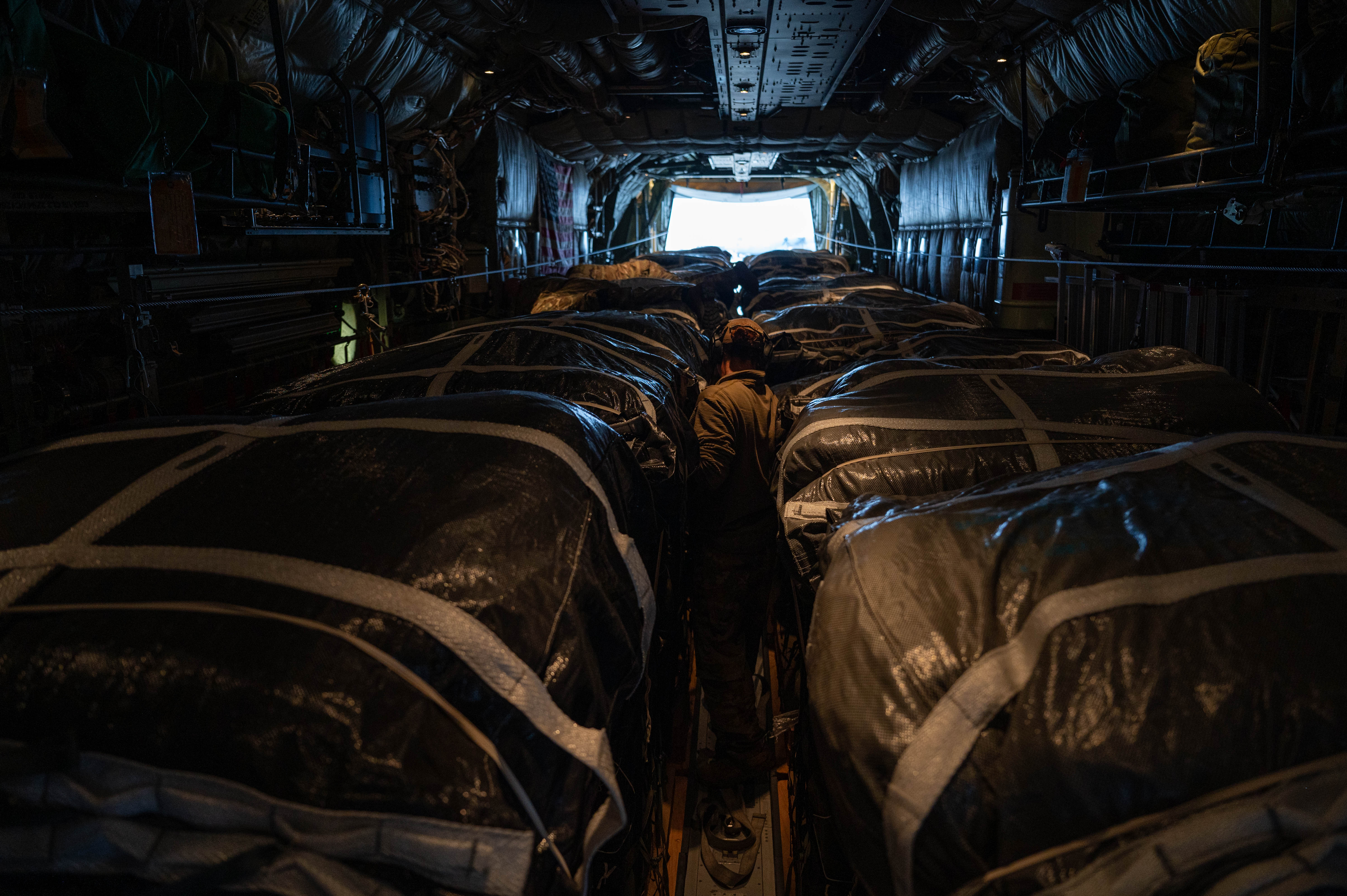
Image Credit: U.S. Air Force AFCENT by Airman 1st Class Caleb Parker from Wikimedia Commons
What the United Nations is seeing on the ground
Tom Fletcher, the U.N. emergency-relief chief, acknowledged Israel’s daily pause as “progress, but vast amounts of aid are needed to stave off famine and a catastrophic health crisis." Initial field reports showed more than 100 truck-loads finally collected at Gaza’s crossings on Sunday, yet he warned that only steady, large-scale access can prevent a deepening humanitarian disaster. The World Food Programme (WFP) shares that alarm: it estimates almost 470 000 Gazans — roughly one in five people — are already in famine-like conditions, while current deliveries average about 60 trucks a day, well below the 100-truck daily target. WFP adds that it has about 170 000 metric tonnes of food positioned just outside Gaza — enough to feed the entire population for three months — but it cannot move those stocks without reliable, predictable corridors.
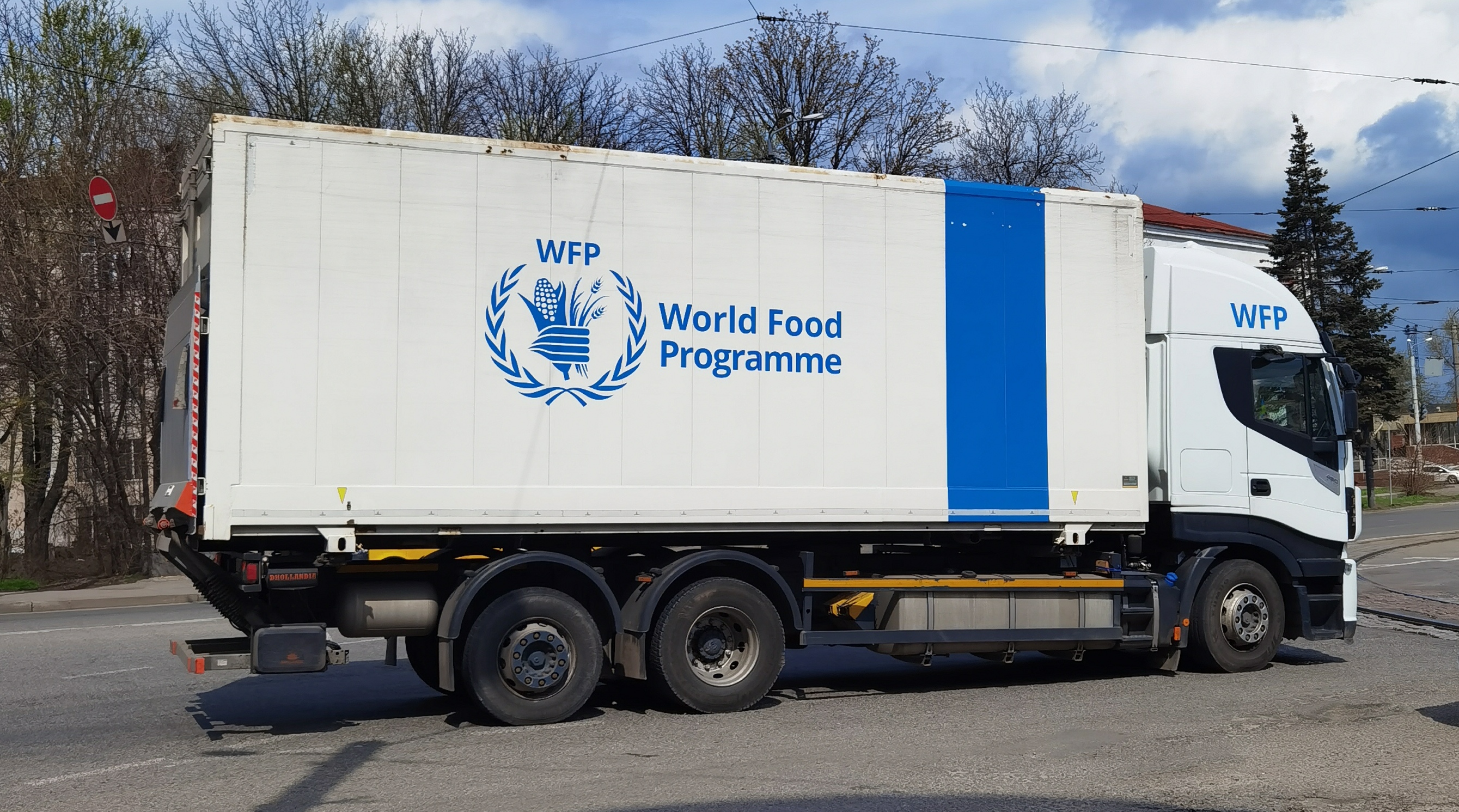
Image Credit: Alex Blokha from Wikimedia Commons
Hunger’s medical bill
The World Health Organization paints an even bleaker picture inside Gaza’s collapsing clinics. According to a statement released as the pause took effect, sixty-three of this year’s seventy-four malnutrition deaths occurred in July alone—twenty-four of them children under five. Doctors report fuel shortages that shut down sterilizers and incubators, and water shortages that drive the spread of diarrheal disease, which in turn worsens malnutrition. WHO officials call the trajectory “dangerous” and entirely preventable if large-scale food, fuel, and medical supplies were allowed in without delay.

Image Credit: Yann Forget from Wikimedia Commons
Oxfam: “Airdrops won’t undo engineered starvation”
Secular NGOs are equally blunt. Oxfam policy lead Bushra Khalidi calls the airdrops “wholly inadequate,” warning that they risk being little more than “a tactical gesture.” She argues that engineered starvation can be reversed only by opening all crossings for unrestricted aid and securing a permanent ceasefire. The group points to recent Israeli fire that reportedly killed Gazans waiting for food trucks, and to sporadic looting triggered by dire scarcity—evidence, they say, that partial pauses leave both aid workers and civilians in jeopardy.
Voices from inside the pause
Tamer al-Burai, a grocery-store owner in Deir al-Balah, spent his Sunday ferrying sacks of flour from trucks to donkey carts before the ten-hour window closed. “We hope today marks a first step toward ending this war,” he told Reuters, but he doubts the corridor will last if fighting resumes just after sunset. At Al-Shifa Hospital a neonatal nurse said she had to decide which incubators stay powered overnight due to dwindling diesel. Pregnant women are now a front-line indicator of Gaza’s food crisis.
UNFPA estimates that more than 11 000 expectant mothers are already in IPC Phase 5 (“catastrophe”) levels of food insecurity, and health workers report a sharp rise in pre-term and low-birth-weight deliveries linked to maternal malnutrition. Those field testimonies sharpen the statistics: every delay is measured not just in calories but in heartbeats.

Image Credit: UNFPA, head quartered in USA from Wikimedia Commons
Logistical hurdles nobody asked for
Even when trucks cross the border, they face a maze of checkpoints and paperwork that can add days of idling—time during which refrigerated medicines spoil and bakeries run out of fuel. Aid officials also grapple with looting and security incidents; in May, Hamas executed four men accused of hijacking food convoys, underscoring how desperation can turn deadly. Israel blames Hamas for diverting aid, while Gaza’s authorities accuse Israel of using hunger as a weapon—a stalemate that keeps life-saving cargo parked in desert lots while children waste away twelve miles up the road.

Image Credit: U.S. Embassy Tel Aviv from Wikimedia Commons
Why a ceasefire still matters
Cease-fire negotiations in Doha have collapsed again, leaving the pause and the parachutes as the only lifelines. Relief agencies fear donor fatigue: today’s trickle of headlines can fade, but malnutrition lingers for a lifetime, especially in children whose growth is stunted by early starvation.
A full ceasefire would not only end the violence; it would restore the predictable conditions aid convoys need, reopen Gaza’s main water and power systems, and let medical staff work more than ten hours at a time without risking shellfire. Until then, the humanitarian story will remain a race between the convoy manifest and the mortality chart.
Why teen readers should pay attention
You might wonder what any of this has to do with a high-school schedule thousands of miles away. First, Gaza’s crisis is a real-time lesson in how politics, logistics, and public opinion intersect. Second, young voices travel far on social platforms: sharing verified updates counters misinformation and keeps pressure on decision-makers.
Finally, several U.S.-based charities accept small donations earmarked for nutrition therapy; one lunch-money contribution buys a day’s worth of ready-to-eat peanut paste for a severely malnourished child. In a world where the difference between life and death can be a bottle of fuel or a border stamp, informed empathy is a form of power.
The ten-hour lull ends at 8 p.m. local time on July 27, 2025. Trucks will pull over, and the rumble of artillery may return. Tomorrow, the same narrow window opens—unless global attention, including yours, widens it into something resembling hope.

.jpg)


.jpg)