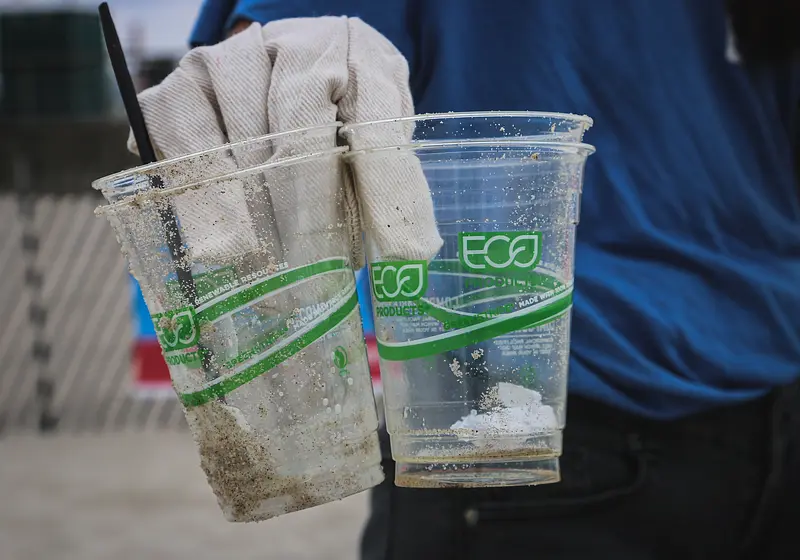






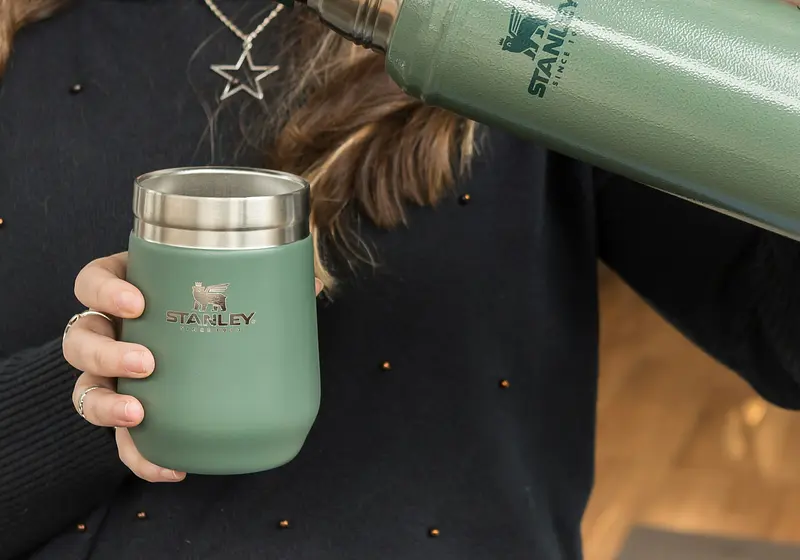
Reusable water bottles started as a simple fix, as they ditched the plastic, used one bottle, and helped the planet. They have kept over 4.5 billion plastic bottles from ending up in the ocean. But somewhere along the way they stopped being just bottles, (thanks TikTok), and became status symbols. Stanley drops sell out like sneakers, Hydroflasks got their own VSCO girl era and people collect colors like they’re Pokémon.
Here’s the irony. If you already own three or four “reusable” bottles, how reusable are they really? The whole point was to cut down on waste but now, the reusable bottle craze may actually have produced harmful unintended effects.
So what does this trend actually mean for the planet? Let’s dive in.
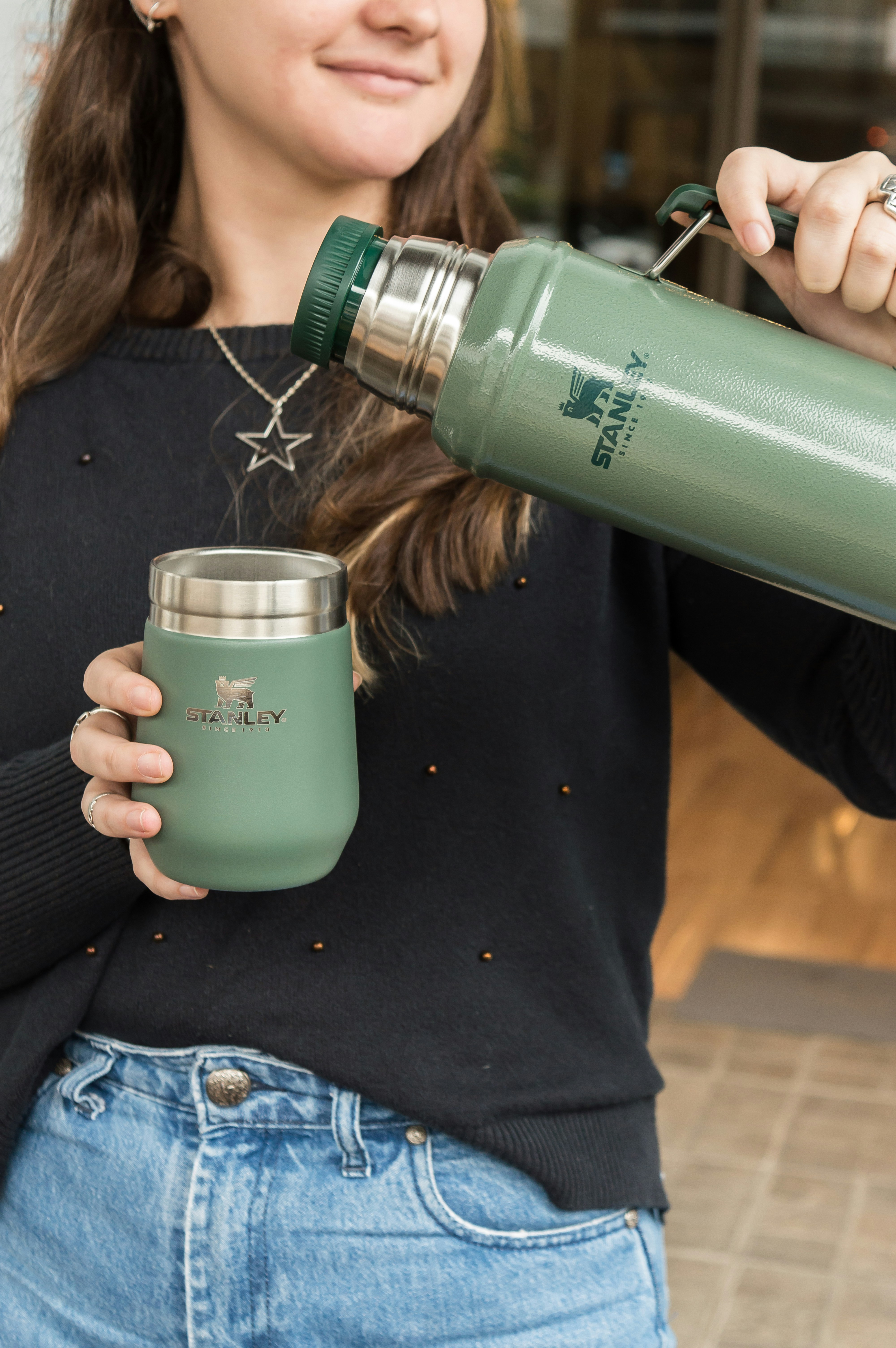
Image Credit: Florencia Simonini from Unsplash
Let us slide into your dms 🥰
Get notified of top trending articles like this one every week! (we won't spam you)The Trend Behind the Bottles
So what's with all the hype? You can just get a regular reusable bottle for significantly less.
Well as you all definitely know, Stanley Cups and Hydroflasks aren’t just bottles, they’re collectibles. Influences have been the biggest culprit with this trend, where they pair their outfit with a matching Stanley, Hydroflask, or any other bottle. This creates an environment where the followers themselves also buy a matching Stanley for their outfits. Limited edition colors and collabs drop constantly and fans rush to buy them all.
This hype makes something practical into a style statement and as a result, the concept of owning a reusable bottle is not about the practicality; it is about fitting in or just having the newest release.

Take the Quiz: What Candle Scent Matches Your Overall Aesthetic?
Halloween is just around the corner. It's time to light that candle. Take this quiz and find out what candle scent suits you best.
The Shocking Environmental Cost
I know. This is very counter-intuitive. How can a reusable water bottle actually hurt the environment? Well, it does, but partially.
Here’s the truth. Reusable bottles do cut down on single-use plastics when used as intended. Owning a single Hydroflask or Stanley can replace hundreds of disposable bottles over its lifetime. But when people buy multiple bottles just to collect colors or match outfits the environmental benefit shrinks.
Producing these bottles uses energy and natural resources. Stainless steel requires mining, plastic caps need refining and shipping these products across the world adds to their carbon footprint. Every extra bottle you don’t really need multiplies that impact.
Even packaging contributes to waste most of it ends up in landfills or as unrecycled material. The microplastics that this process produces are too small to get caught by most filters, so they slip straight into rivers.These eventually reach oceans, get eaten by fish, and can even be eaten by us.
Yes. We could possibly be eating microplastics.
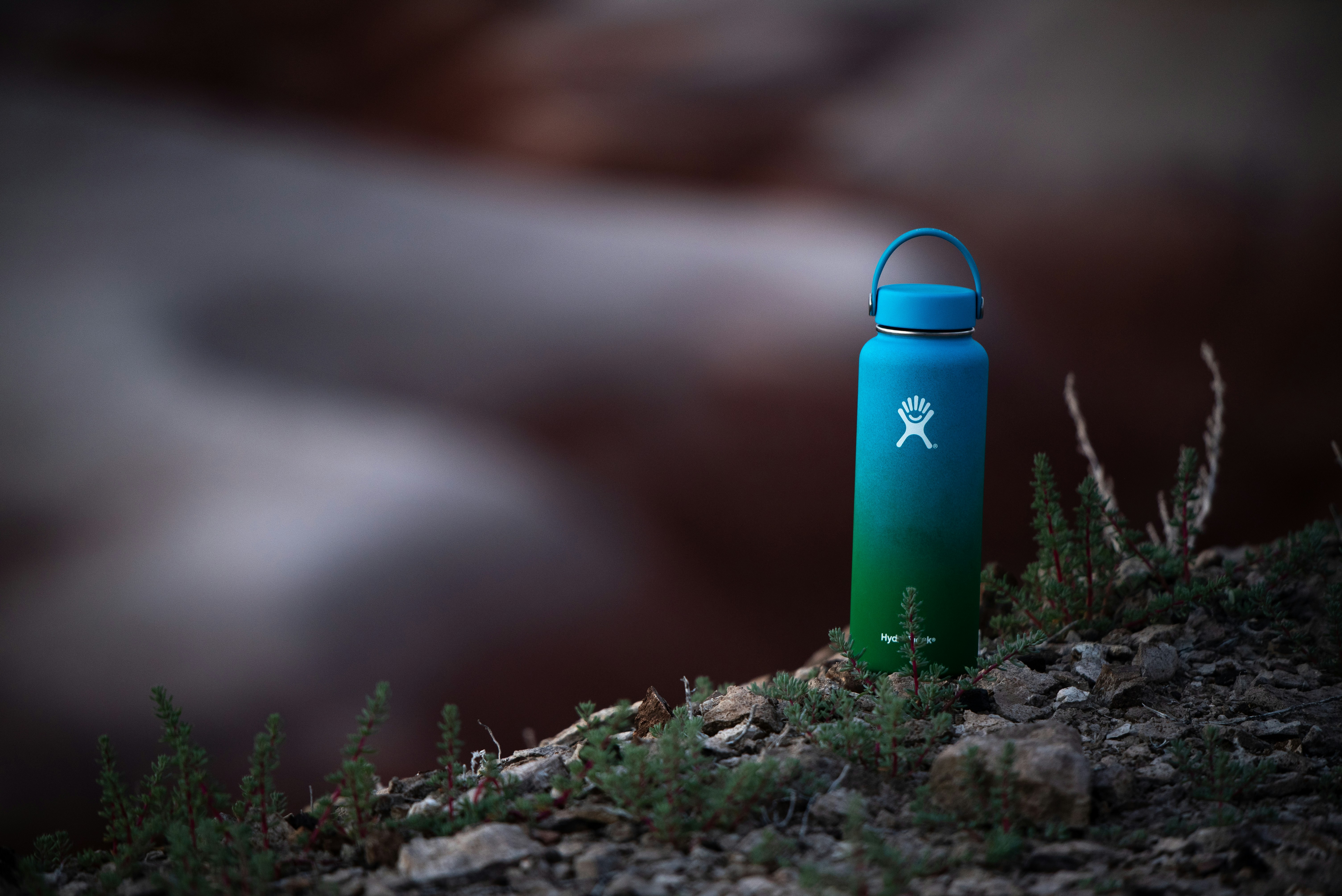
Image Credit: Scott Osborn from Unsplash
The Shocking Numbers Behind the Hype
Don’t believe me? Check these numbers out.
Producing one stainless steel reusable bottle uses roughly 1.8 kg of CO2, which is equivalent to driving four miles in a car. This stat gets even worse when people buy many bottles to match with their outfits.That’s 9 kg of CO2 for something you could have gotten by using one bottle for years. Imagine how this will add up as time goes on, and more trends with these bottles are created. These reusable bottles are not bad, in fact they are much better than plastic bottles, just the effects when buying many more bottles than necessary.
It isn't just manufacturing that causes carbon release. Shipping these bottles from factories to stores across the world adds even more carbon into the atmosphere. Every colorful bottle you see in an Instagram/TikTok haul or fit check represents energy, resources and waste that most people never think about.
So next time you see a new Stanley or Hydroflask version, think of its environmental implications. That cute pastel bottle might just be part of a much bigger environmental footprint than you realize.
How to Be Smart With Reusable Bottles
You don’t have to give up your bottle obsession completely. In fact, there are many ways reduce your carbon footprint:
- Stick to one or two bottles you actually use. If you end up with many bottles, most of them will sit on your shelf unused.
- Make use of your bottle everyday. Bring it everywhere you go! Make sure to reduce the time you spend drinking out of plastic bottles!
- Use the unused bottles as donations or gifts to people with more of a use for them.
- Support ethical brands. Some companies use recycled materials or have carbon-neutral production. Choosing them helps reduce the hidden cost.
- Get creative. Customize your bottle with stickers or designs instead of buying multiple new ones.
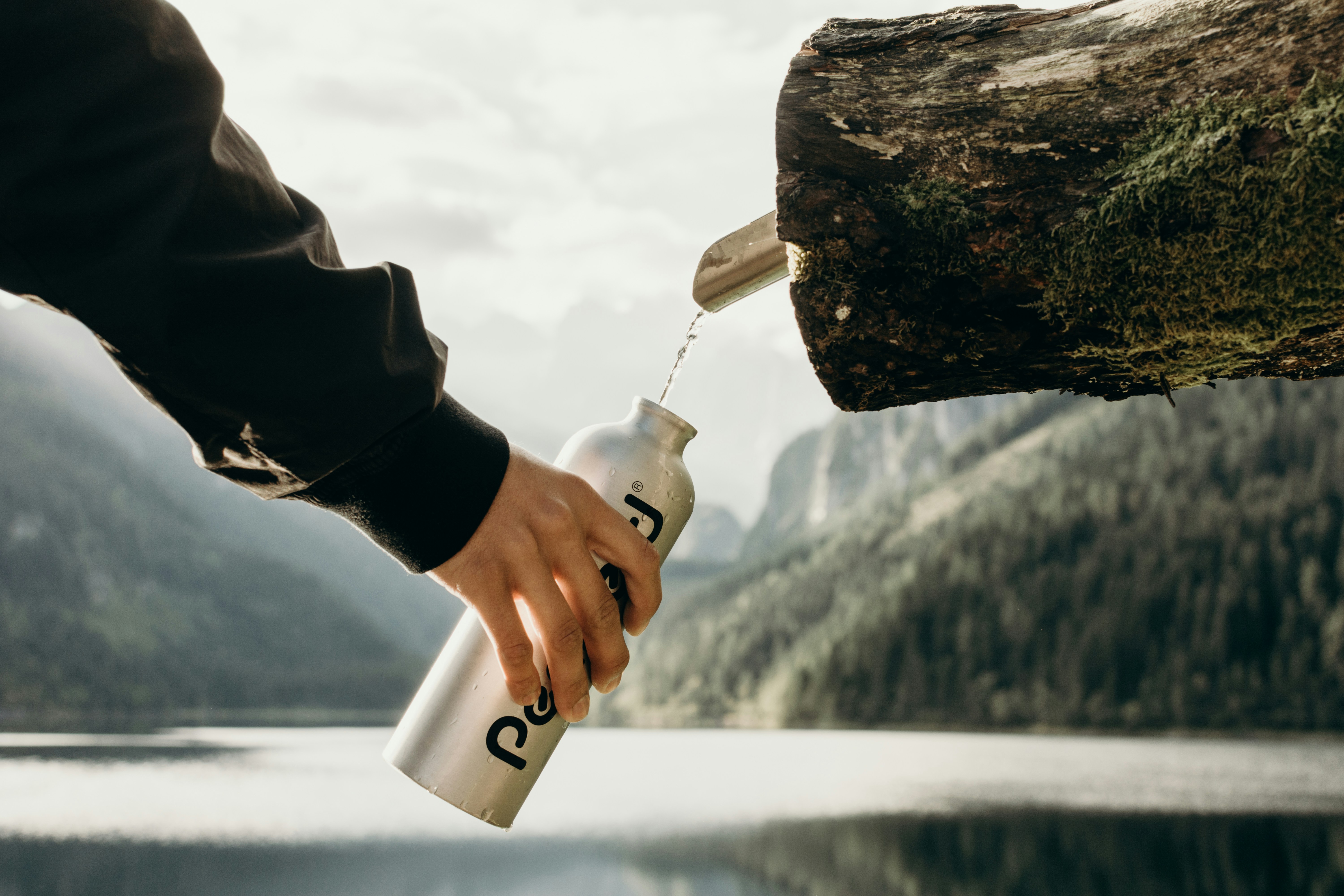
Image Credit: Kate Joie from Unsplash
At the end of the day a reusable bottle only works if you actually reuse it. The planet doesn’t need shelves full of Stanleys or Hydroflasks in every color. It just needs you to stick with one or two and make them last. That’s where the real difference happens.
So maybe the real flex isn’t the newest drop. Maybe it’s proving you can care about trends without letting them own you and that you can stay hydrated without making more waste. One bottle, used for years, says way more than any viral unboxing ever will.









.jpg)