




%20(2)%20estee.jpg)
It’s a random Tuesday night. Tomorrow you have an essay to hand in and a history exam. Once again, you’ve left it all for the last minute and now you’re going to have to stay up all night, even though you’re exhausted.
You’re in the middle of mentally preparing yourself for the long night ahead of you, when you hear a familiar “ding!”. You look over to see your phone, all lit up with a bright Instagram notification calling you from a distance. You can’t help it, so you grab your phone to check the notification. And that’s all it takes for you to enter the trap. Next thing you know, it’s 1 AM and you’ve been endlessly scrolling for 2 hours and can’t possibly find it in you to get up and face your obligations. You know you have work to do.
But somehow, you just can’t put your phone down. Video after video, each one making you feel more guilty than the last, but also making it harder to stop. You tell yourself you’ll start in five minutes.
Then ten. Maybe after just one more video. At some point, exhaustion wins and you start closing your eyes just for a second. Next thing you know, your alarm is blaring. It’s morning. Your essay isn’t done, your history notes untouched. How did I let this happen again?

Image credit: Kaboompics.com from Pexels
Let us slide into your dms 🥰
Get notified of top trending articles like this one every week! (we won't spam you)Introduction
In the last decade, social media has increasingly become a huge part of our lives, especially us teenagers’s. Platforms like Instagram and Snapchat, created to facilitate networking between family and friends and others such as TikTok, made to serve as entertainment. These are all apps we use on a daily basis, for many they’ve even become part of our daily routine.
At first, social media can seem harmless, but I’d be lying if I told you I’ve never questioned its downsides. I mean, it can’t all be good right? What if social media has a dark side the whole of our generation is failing to see?
What if it’s having a bigger impact on us than we realize? Is it possible we aren’t fully aware of its consequences? The answers are clear – we just don’t always want to face them.
Image credit: Pixabay from Pexels


Take the Quiz: Religion, Schools, and Equality
Religion in Schools: Teaching Respect, Not Bias.
What Makes Social Media So Addictive?
Social media absorbs us. It sucks us in, without us even knowing it. They can make hours into what seems like mere minutes.
That’s what it was made for. The more you scroll, the harder it is to stop. But literally speaking, what do these platforms have that make them so addictive? These apps are based on algorithms. Personalized algorithms, to be exact. This means that based on what videos you’ve liked, interacted with, or just simply watched for a longer span of time than others, more videos similar to these will pop up on what’s known as your “For You Page”. This page specifically consists of videos you might be interested in, videos you’ll enjoy watching. What happens then is that a vicious cycle is created; you enjoy watching a video, so you scroll so that another video you enjoy pops up. This triggers a release of dopamine, the chemical your body produces that’s associated with anticipating pleasure. The more dopamine you release, the more you want to keep producing it, hence the endless scrolling. This same reaction happens when you receive a notification and instantly have the urge to check it.
So really, what’s happening here is manipulation. Since teenagers’s brains are still developing, it’s easier to psychologically manipulate them, and therefore, lure them into a never-ending rabbit hole that can end up having worse consequences.
The Consequences
The real problem with the rapid increase in social media’s presence in teenager’s daily lives is that almost none of us are fully aware of the actual consequences. Even though we’ve heard our parents say a million times “It’ll make you dumb”, it’s important we know what it can really lead to.
In the first place, it has been demonstrated that young people with heavy social media use have poorer sleep patterns and poorer sleep quality. This means that staying up late on your phone can directly produce interrupted nighttime sleep and trouble falling asleep.
But it doesn’t end here. Since your body isn’t fully rested, keeping up with a good school performance is way harder than it was before, and it’s a lot more challenging concentrating and excelling in academic activities.
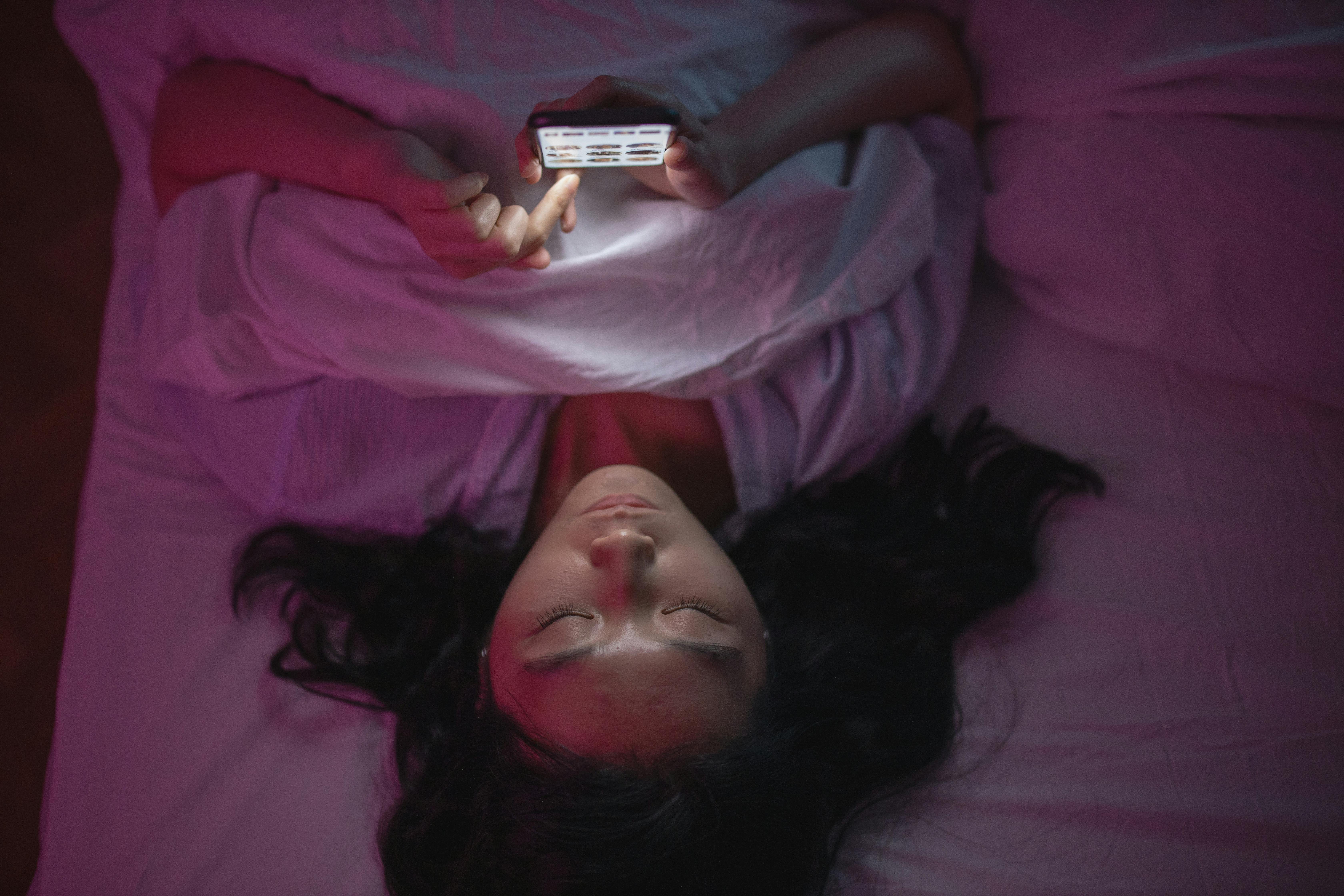
Image credit: cottonbro studios from Pexels
Furthermore, a poor sleep schedule can also cause or worsen symptoms of depression and anxiety. In fact, a study published in JAMA Psychiatry in 2020 revealed that 40% of the adolescents who used social media late at night had a significantly higher risk for developing depression and anxiety, especially if they were engaged in social comparison. They also found that among those who reported sleep disturbances, the likelihood of anxiety was 50% higher, and depression was 60% higher compared to peers without sleep issues.
Another common consequence is procrastination and decreasing academic productivity, as shown in the initial case scenario in the beginning of this article. Spending time on these apps can make it difficult to complete homework and productive tasks. The familiar feeling of it being seemingly impossible to just get up and get some work done, even if you know that it’s what you should be doing. This effect might be one of the most common, or most experienced in teens.
A meta-analysis published in Educational Psychology Review in 2021 found a strong correlation in excessive use of social media and poor time management skills, finding a 26% increase in procrastination and 32% decrease in academic productivity in the students studied.
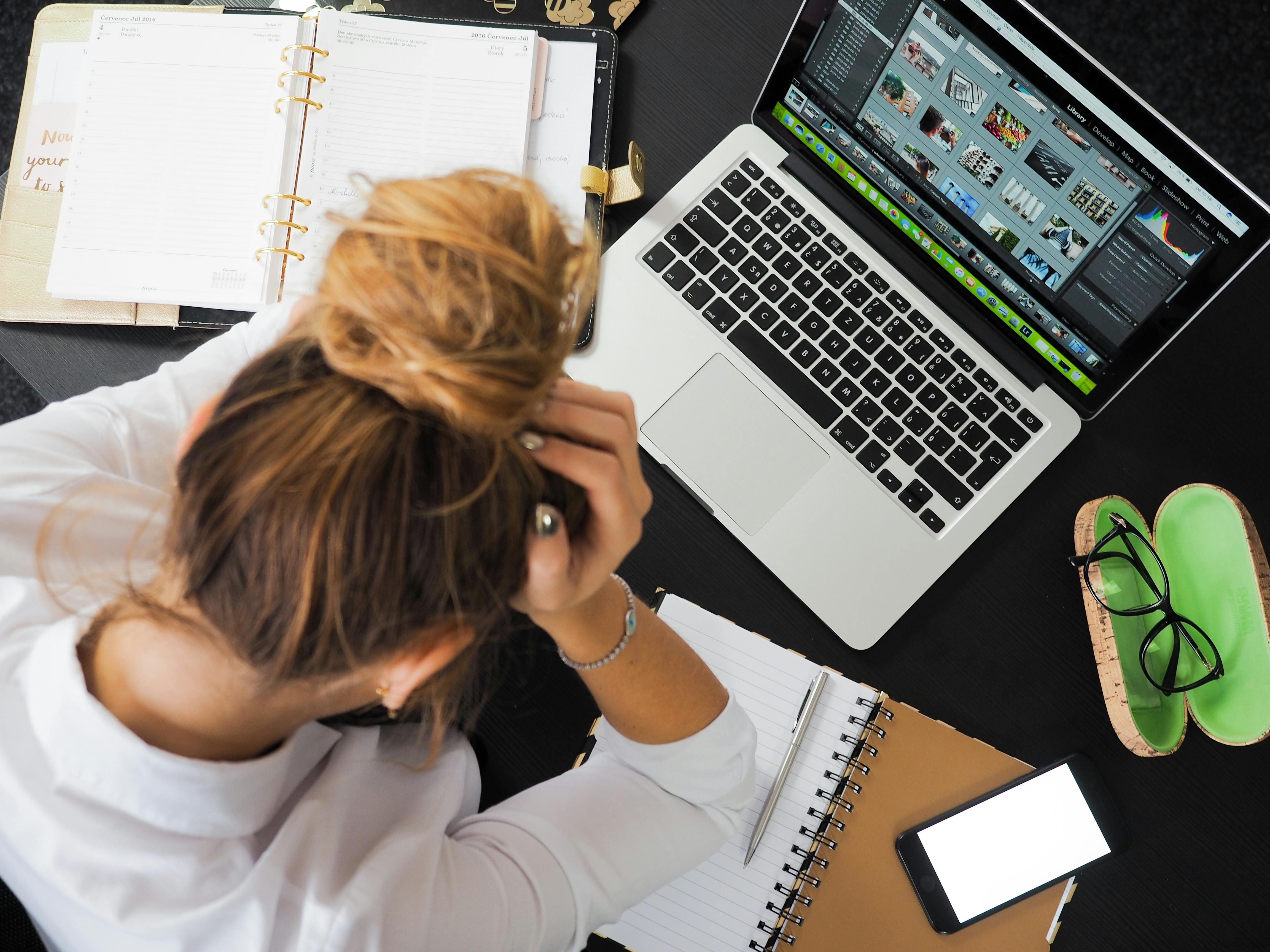
Image credit: energepic.com from Pexels
Breaking The Social Media Cycle
But why these outcomes? How can something we enjoy lead to such terrible consequences? The truth is, social media encourages subconscious social comparison.
The influencers placed so carefully on our FYP showing their perfect, care-free lives, make us feel like we’re not good enough, and can even make us unsatisfied with our own lives. This is when we break the cycle. Social media controls us more than we’ve ever been able to control it. And if there’s one thing the human race doesn’t like, it’s lack of control.
So next time you’re about to open TikTok or Instagram, try to think twice. Is this the right time? Will it pull me further away from something important, like that homework or assignment I have due? Am I just filling in spare time and avoiding doing something productive?
But most importantly, is it really worth my time?
%20(2)%20estee.jpg)




.jpg)