




.jpg)

Teenagers are often held legally responsible for serious actions, yet modern neuroscience shows that the human brain continues developing well into the mid-twenties. A significant legal dilemma is brought up by this scientific finding: should teenagers be given the same legal protections as adults? Despite growing evidence that their brains vary from those of fully formed adults, teenagers in the US may face adult-level penalties for offenses.
Significant variations in judgment, impulse control, and decision-making are found in research on the development of the teenage brain. Therefore, treating adolescents in the legal system in the same way as adults may ignore important biological and psychological aspects.
Let us slide into your dms 🥰
Get notified of top trending articles like this one every week! (we won't spam you)How the Teen Brain Develops
The adolescent brain is still growing, especially in the prefrontal cortex, which controls judgment, long-term planning, and impulse control. Teenagers are still learning how to properly control their emotions and behavior because this part of the brain does not fully mature until the mid-20s. The brain undergoes significant remodeling during adolescence, strengthening connections between neurons that are often used while removing others.
At the same time, the limbic system, which is in charge of emotions and reward-seeking, grows faster than the prefrontal cortex. Teens are more inclined to respond emotionally and take chances as a result of this imbalance. Adolescents can comprehend expectations and standards, but their neurological development makes it harder for them to exercise consistent self-control, which has significant consequences for legal accountability.
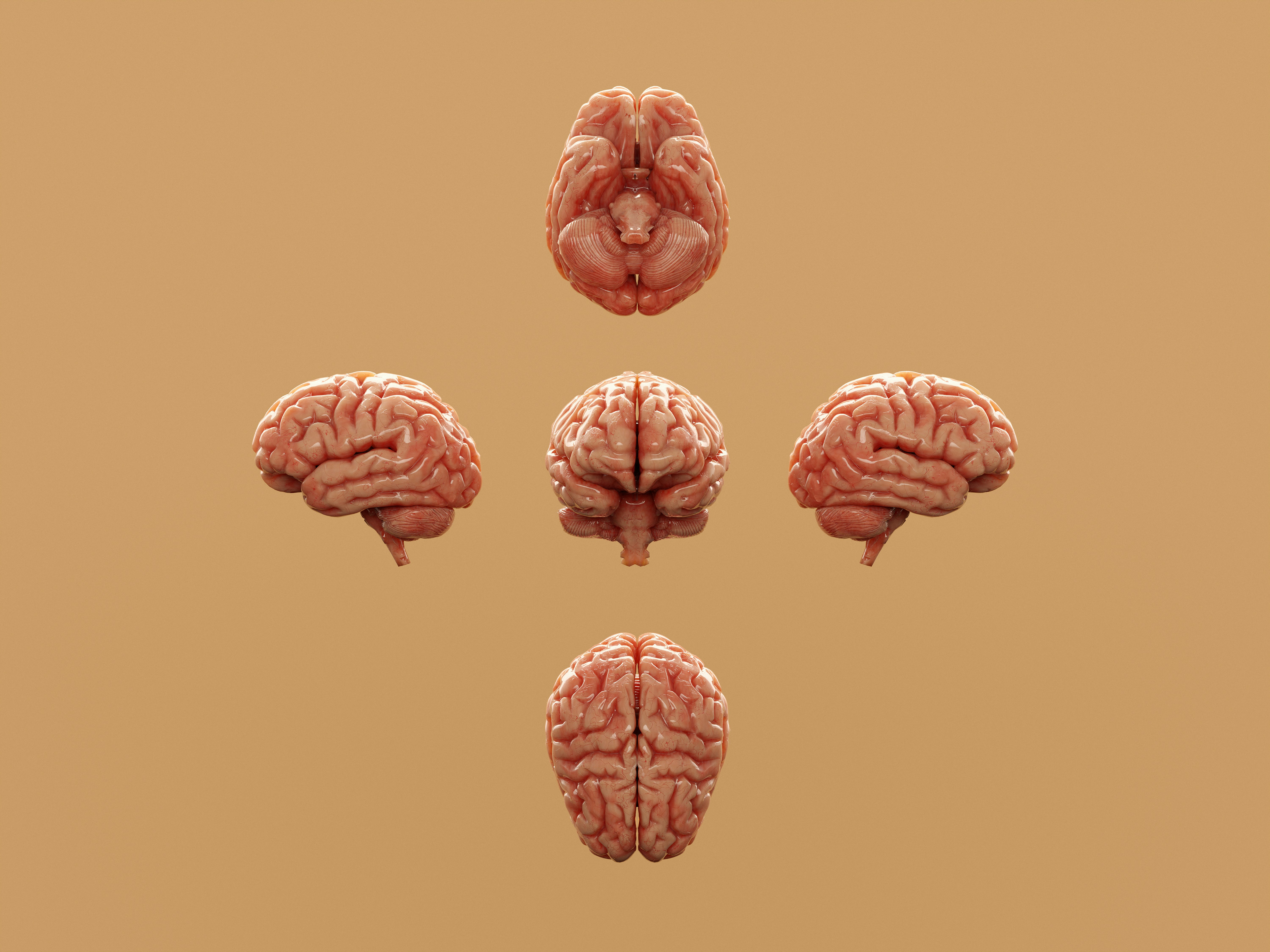
Image Credit: Aakash Dhage from Unsplash
Take the Quiz: What Kind of Political Personality Are You?
Ever wondered what role you’d play in the political world? Take this fun quiz to find out!
Teen Decision-Making and Risk Behavior
Teenagers' ability to evaluate danger and make decisions is greatly impacted by incomplete brain development. Teenagers may be intellectually aware of the repercussions of their behavior, but they still find it difficult to behave appropriately in real-life situations. This happens because teen behavior is greatly influenced by emotional and social factors, particularly peer pressure.
When their peers are around, teens are more likely to take chances and put immediate benefits ahead of long-term outcomes. This contributes to the explanation of why many youth crimes take place in groups. Teens' maturing brains make it more difficult for them to resist impulsive actions in the moment, even when they frequently realize that an action is bad. These trends show that biological factors, not just bad judgment, influence teenage decision-making.

Image Credit: Paul Stewart from Unsplash
How the Law Currently Treats Teens
Juvenile and adult criminals are placed in separate court systems with different objectives under the U.S. legal system. Recognizing that youth have a higher ability for change, juvenile courts place a strong emphasis on education, rehabilitation, and reintegration into society. Adult courts, on the other hand, prioritize public safety, discouragement, and punishment.
Despite this difference, adolescents may occasionally be tried as adults, especially in cases involving violent or recurring offenses. Teens may be sentenced harshly and imprisoned in adult facilities with few options for rehabilitation if they are moved to adult court. Adolescents who are treated as adults have a higher likelihood of repeat offenses than those who are handled through the juvenile system. This raises questions about how well current legal procedures take teenage growth into account.

Image Credit: Tingey Injury Law Firm from Unsplash
Supreme Court Cases That Changed Juvenile Law
The Supreme Court has increasingly recognized that teenagers are developmentally different from adults. In Roper v. Simmons (2005), the Court ruled that imposing the death penalty on individuals who committed crimes as minors violated the Eighth Amendment.
In Roper v. Simmons, the Court highlighted the immaturity, vulnerability to outside influences, and less responsibility of adolescents. Similarly, in Graham v. Florida (2010), the Court declared that it was unconstitutional to sentence minors to life in prison without the possibility of release for non- murderous acts. In Graham v. Florida, the Court highlighted that adolescents are more capable of development and recovery than adults. Since neuroscience supported the notion that children shouldn't be punished as severely as adults, it significantly influenced legal choices in both cases.
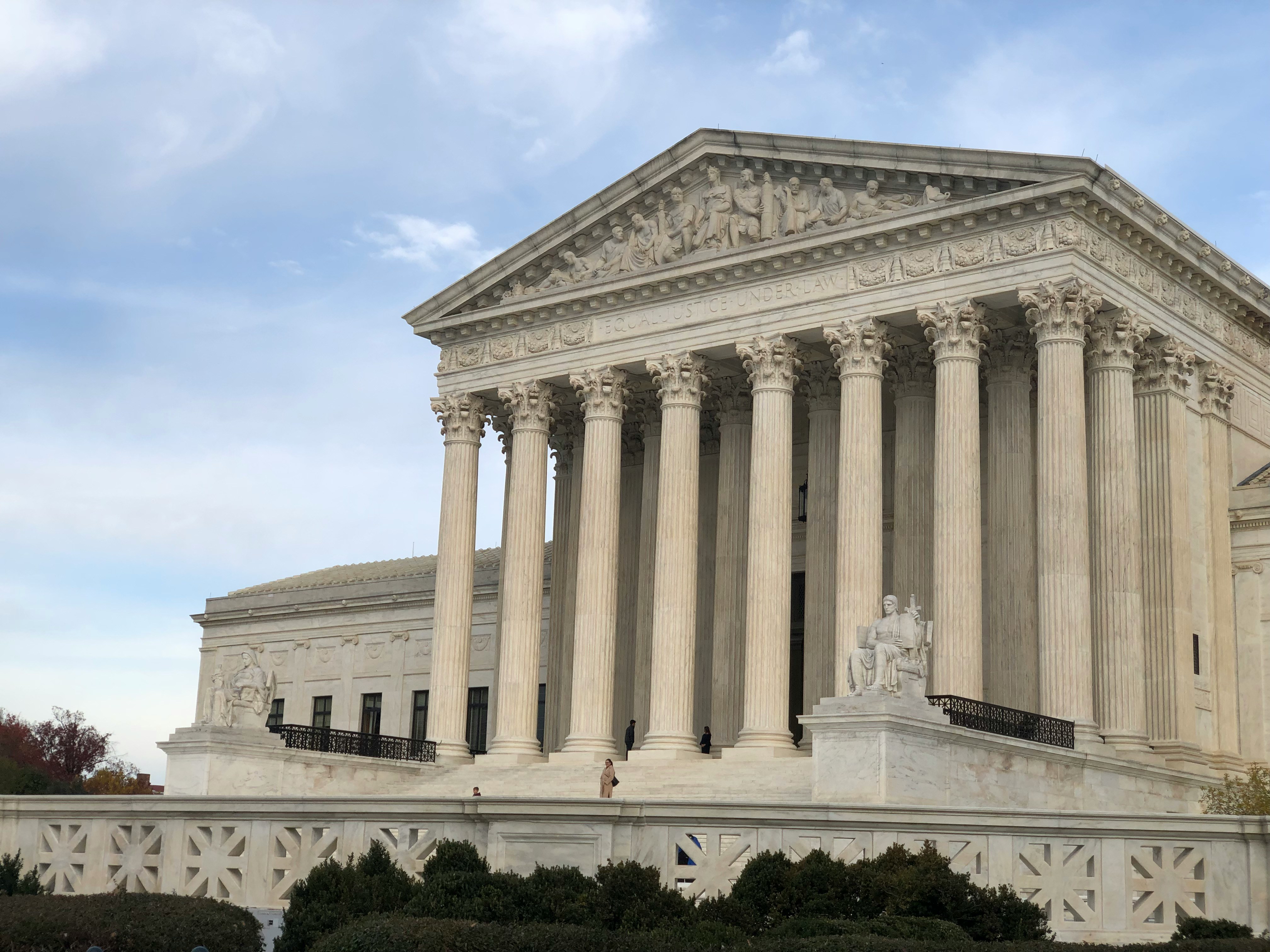
Image Credit: Joshua Woods from Unsplash
Should the Law Change Further?
Many argue that the law should increase juvenile protections in accordance with what research has shown about the development of the adolescent brain. The reformers want more access to rehabilitation programs, fewer transfers to adult court, and shorter sentences. Rehabilitative strategies are more successful than punishment ones at lowering juvenile recidivism.
Adolescents are particularly receptive to help and intervention since their brains are still developing. Critics counter that public safety must continue to be a top priority and that significant crimes must have severe consequences. A court system that acknowledges developmental differences while still holding teenagers responsible for their conduct is necessary to balance these issues.

Image Credit: Tingey Injury Law Firm from Unsplash
Accountability and Adolescent Development
The legal system is under increasing pressure to change as research continues to shed light on how the adolescent brain develops. Adolescents' brains differ from those of adults in ways that directly impact judgment, impulse control, and decision-making, as teenagers are not just younger versions of adults.
Teens should be held responsible for their acts, but treating them the same as adults disregards decades of scientific data and jeopardizes juvenile justice's goals for treatment. Individuals and society are better protected by a judicial system that strikes a balance between responsibility, fairness, and developmental awareness.
