




.jpg)

Social media has completely changed the way teenagers receive information. News no longer comes only from television or newspapers, but it now appears through TikTok videos, Instagram posts, YouTube clips, reposts on X, and viral trends shared between friends. For Gen Z, social media is one of the key ways people learn about politics, health, culture, and current events.
However, the speed of online content also poses a significant issue, as false information gets out more quickly than in the past.
Before people have a chance to fact-check them, false news, manipulated videos, AI-generated graphics, and deceptive posts can fast become viral. Misinformation can distort perceptions, create panic, and decrease confidence in trustworthy sources during significant events like elections, international conflicts, or public health emergencies. Many individuals are asking the crucial question, "Should social media misinformation be regulated by law?" as it becomes more difficult to spot false material online. 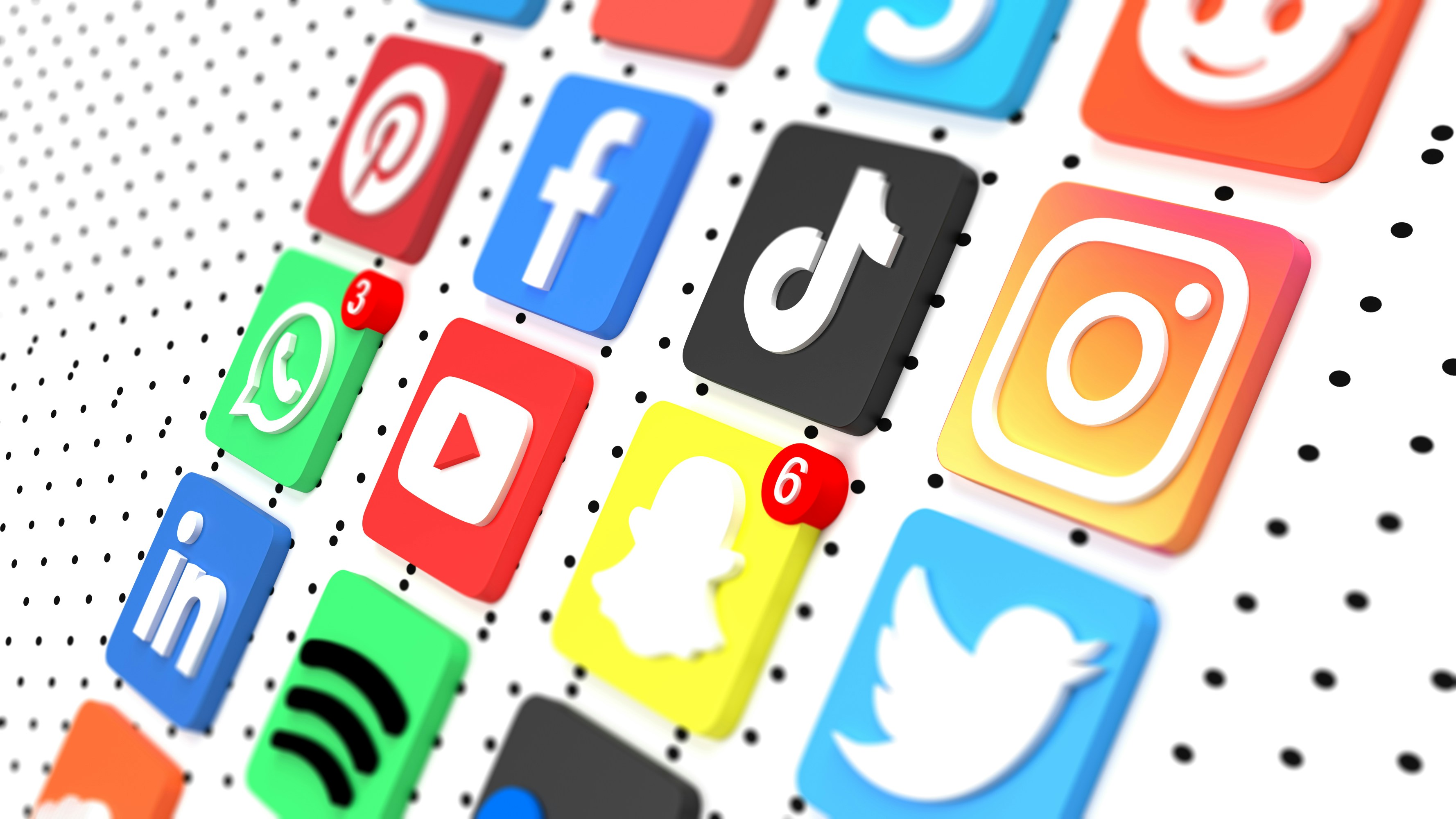
Image Credit: Shutter Speed from Unsplash
Let us slide into your dms 🥰
Get notified of top trending articles like this one every week! (we won't spam you)Why Online Misinformation Can Be Harmful
False information sometimes has serious consequences, despite the fact that many people believe it to be harmless or just unpleasant. For instance, inaccurate comments regarding medications or treatments can spread quickly and affect people's choices during medical situations. During elections, people may get confused and skeptical due to false political information.
Since their algorithms favor information that attracts attention and participation, social media sites frequently worsen this issue. Posts that provoke anger, terror, or shock typically go viral more quickly than information that is organized and thoroughly checked. Given this, false content could get millions of views before any changes are made.
The problem has become even more alarming due to AI technology. Deepfake videos, edited audio, and realistic AI-generated images can make false information appear believable. It's getting harder for teenagers growing up online to tell the difference between what is genuine and what has been manipulated.
 Image Credit: Igor Omilaev from Unsplash
Take the Quiz: What Kind of Political Personality Are You?
Ever wondered what role you’d play in the political world? Take this fun quiz to find out!
The Challenge of Protecting Free Speech
While false information can be harmful, the First Amendment makes it difficult to regulate internet speech. The US Constitution guarantees freedom of speech, and many individuals are concerned that government control may eventually result in political abuse or censorship.
False information is not always banned. People are free to disagree, discuss concepts, make predictions, and even voice their thoughts. Determining the boundary between damaging lies and protected speech is difficult.
Certain forms of speech are already illegal, including fraud, impersonation, threats, and some forms of defamation. As a result, some experts believe that rather than attempting to control opinions or political conflicts, regulations should target only clearly detrimental lies.
Governments might, for instance, require labels on content produced by AI, make political ads more transparent, or increase punishments for online fraud and impersonation. Instead of restricting individual viewpoints, these regulations would place a greater emphasis on integrity and transparency.
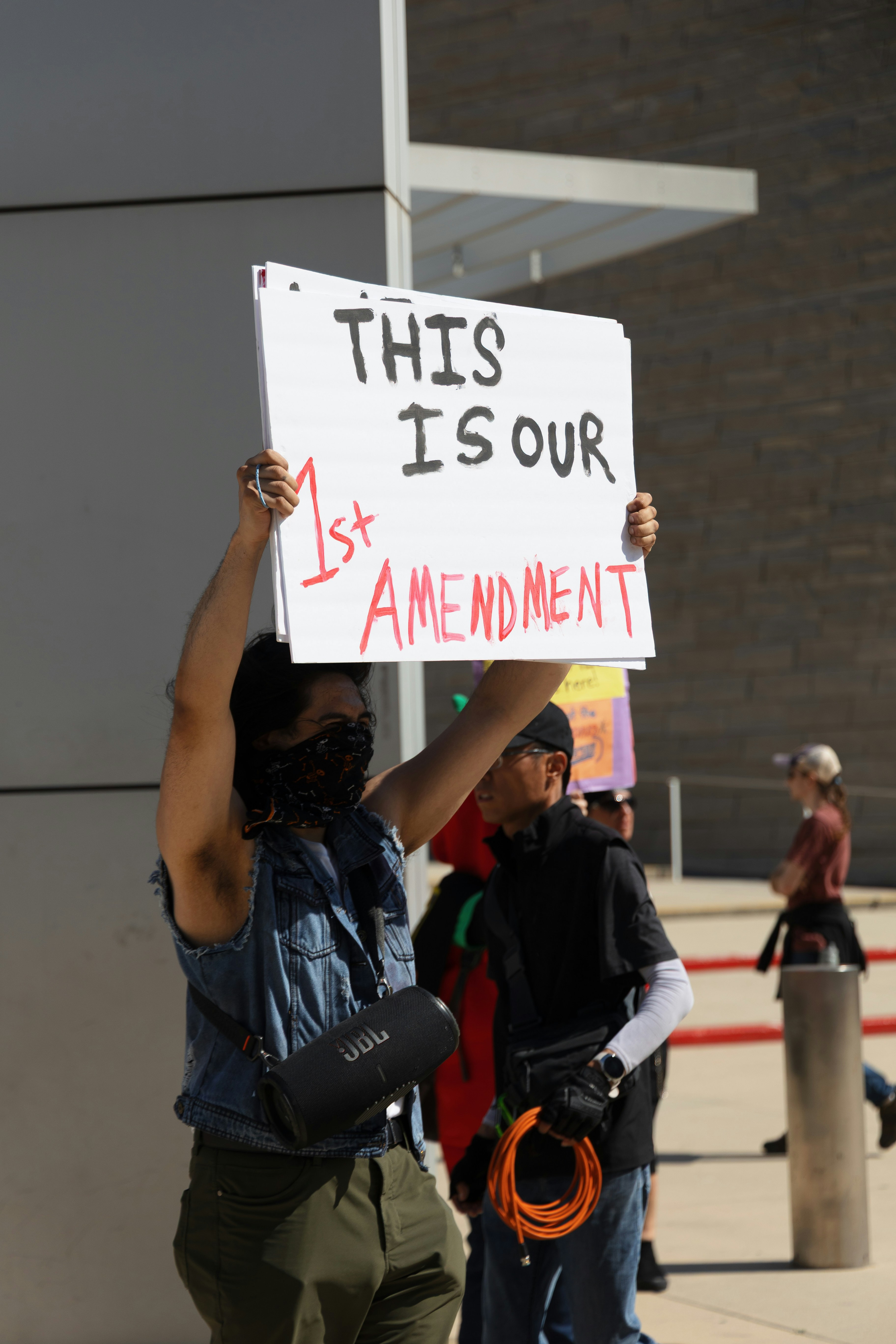 Image Credit: Jason Leung from Unsplash
Should Social Media Platforms Have More Responsibility?
Many people think that social media companies need to be more involved in preventing false information. Some dangerous information has already been removed from platforms, including TikTok, Instagram, YouTube, and X, while misleading posts have warning flags attached. Critics argue that these initiatives are inconsistent and occasionally unsuccessful.
Some are concerned that granting platforms excessive control over online communication may lead to bias or unjust censorship. Determining what is considered "misinformation" is not always easy, particularly when political or scientific viewpoints are constantly changing.
For this reason, rather than adopting broad censorship laws, many individuals favor a balanced strategy that combines platform accountability with more public education.
 Image Credit: Towfiqu Barbhuiya from Unsplash
Why Media Literacy Matters for Gen Z
Media literacy could be one of the most important skills for today's teens as false information becomes more complex. Students frequently come across viral videos, headlines that have been duplicated, altered photos, and emotionally intense content that aims to rapidly capture their attention.
Young people can use social media more responsibly if they learn how to fact-check sources, spot edited content, and identify false information. In many ways, understanding material found online is becoming just as crucial as traditional academic courses.
Laws and platform policies might reduce harmful lying, but they are insufficient to address the whole issue. By challenging sources before repeating content, social media users also contribute to reducing the spread of false information.
Growing up online requires Gen Z to learn how to find a balance between responsibility, technology, and free speech. People now have more options than ever to express themselves and access information due to the internet, but it additionally promotes the spread of incorrect information. Protecting the truth in a future dominated by algorithms and viral material may require both wiser laws and smarter digital habits.
