





When students head back to school this fall, more and more districts around the country are saying goodbye to phones at school. Some schools only prohibit them during class time, but others go the whole nine yards and make you stow phones away from the moment you set foot on campus until the final bell sounds. This reads like a student nightmare at first. I mean, how do you survive eight hours without TikTok, Spotify, or at least checking your texts every five minutes?
That's what I thought at first.
I spent two years of high school with unregulated phone use. My phone sat in my lap buzzing all day long, and on command, I'd reach down to check it—sometimes even in class—just to read "one quick notification" that always became a ten-minute scroll. And then overnight, our school began imposing a total phone prohibition for the whole day.
Locked up. Out of sight. No exceptions. I was furious.
But the twist is this: after a few days of going without my phone, I actually did something that I didn't even want to admit… it was amazing.
Let us slide into your dms 🥰
Get notified of top trending articles like this one every week! (we won't spam you)Why Schools Are Turning to Bans
This is not happening only at my school. Across the country, even more school districts are adopting some type of phone ban. Other states, including Florida and Indiana, have gone so far as to make it a law that schools need to restrict phones in class. Administrators state the desire is not to discipline students but to have classrooms where learning and focus take center stage.
Teachers often complain that phones are not just an occasional distraction—they are a daily struggle. Researchers discovered that even the presence of a phone, silently sitting on a desk, reduces the ability of a student to concentrate. Teachers say they have had enough of the interruption of buzzing alerts, sneaky scrolling at desks, or sudden outbursts of laughter that break out when something is passed around from a meme during class. Bans are intended to restart the classroom atmosphere, providing teachers and students with a room to breathe.
And then there's the issue of social media. Much of the school drama starts in group messages, direct messages, or Snapchat stories, often at the middle of the school day. Administrators have noticed that fights, rumors, and disputes escalate faster when students have ready access to their phones. By removing phones from the process, schools are trying to slam on the brakes of the cycle of conflict.
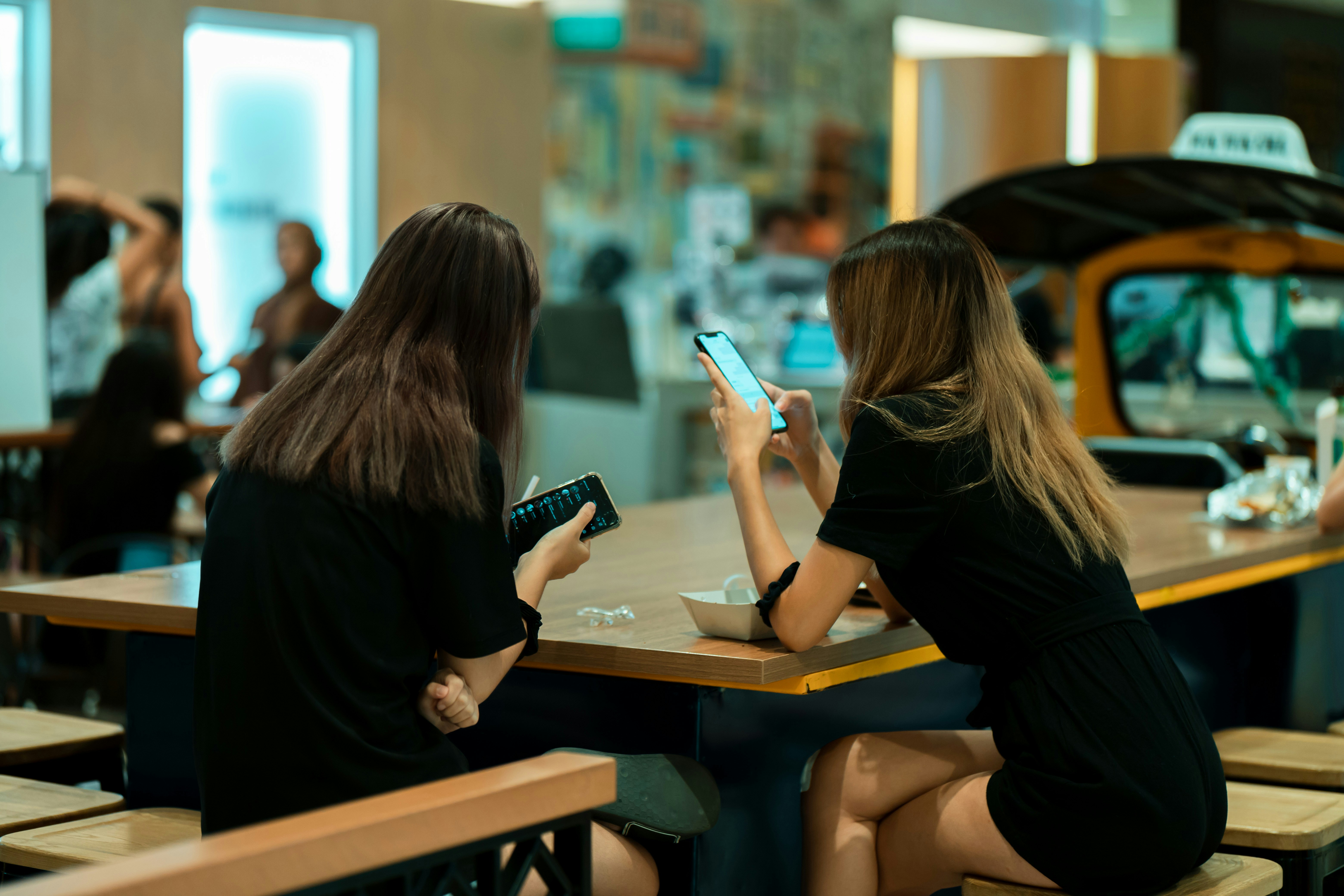
Photo By Wengang Zhai From Unsplash


Take the Quiz: What Hobby Should You Try Out?
Find a new hobby to try out!!!
The Cons: Why Students (and Parents) Push Back
Of course, students have plenty of reasons to push back—and honestly, a lot of them are legitimate. Phones aren't distractions; they're tools. Students use them to go over homework, text parents about a ride home, or listen to music to relax between class changes. Without those little vices, the day does feel longer and more stressful.
There’s also the issue of safety. Parents are used to being able to reach their kids at any moment, and many don’t like the idea of being cut off for hours. Some worry about emergencies, while others just want the reassurance of a quick “I’m okay” text after a stressful event. The bans can feel like schools are cutting into that line of communication.
And then there's the boredom factor. Not all students want to initiate conversation at lunch or sit down with a card game. For others, scrolling is a way to reboot. Losing that can feel less like an advantage and more like another regulation tacked on to an already rigid setting.
I experienced all that initially. I remember sitting at lunch the first day without my phone and was restless, like my hands did not know what to do with themselves. It was peculiar, as if I'd been cut loose from society.
The Positives: What I Didn't Expect
But once the initial annoyance passed, I started to notice the unexpected benefits. Classrooms were more subdued. Teachers no longer had to jump in every few minutes to remind someone to put their phone away.
I could finally listen to what was happening without that irritating temptation to glance at my notifications. For once, I wasn't splitting my brain between what was happening in front of me and what was happening on my screen.
Outside the school room, the change was even more striking. Students started talking to each other more. Phones were replaced by lunchtime chat.
I heard more laughter in the cafeteria. Individuals whom I barely had ever talked to were now part of my day. And then there were the cards—actual playing cards. A student brought a deck, and soon it was a daily occurrence to play games. Free periods turned into tournaments, and the whole thing gave school a more connected, lively feel than I’d expected.
Even the dreaded “school drama” seemed to calm down. Without phones fueling group chats during the day, conflicts didn’t blow up as quickly. By the time students got home, most things that might have felt urgent in third period suddenly didn’t matter as much.
And maybe the biggest surprise? I was less anxious. At first, it was daunting not being available, but eventually, it was freeing.
I had no idea how much mental real estate my phone was taking up until it was gone. Having it not buzz on me all day gave me peace I wasn't aware I'd been missing.
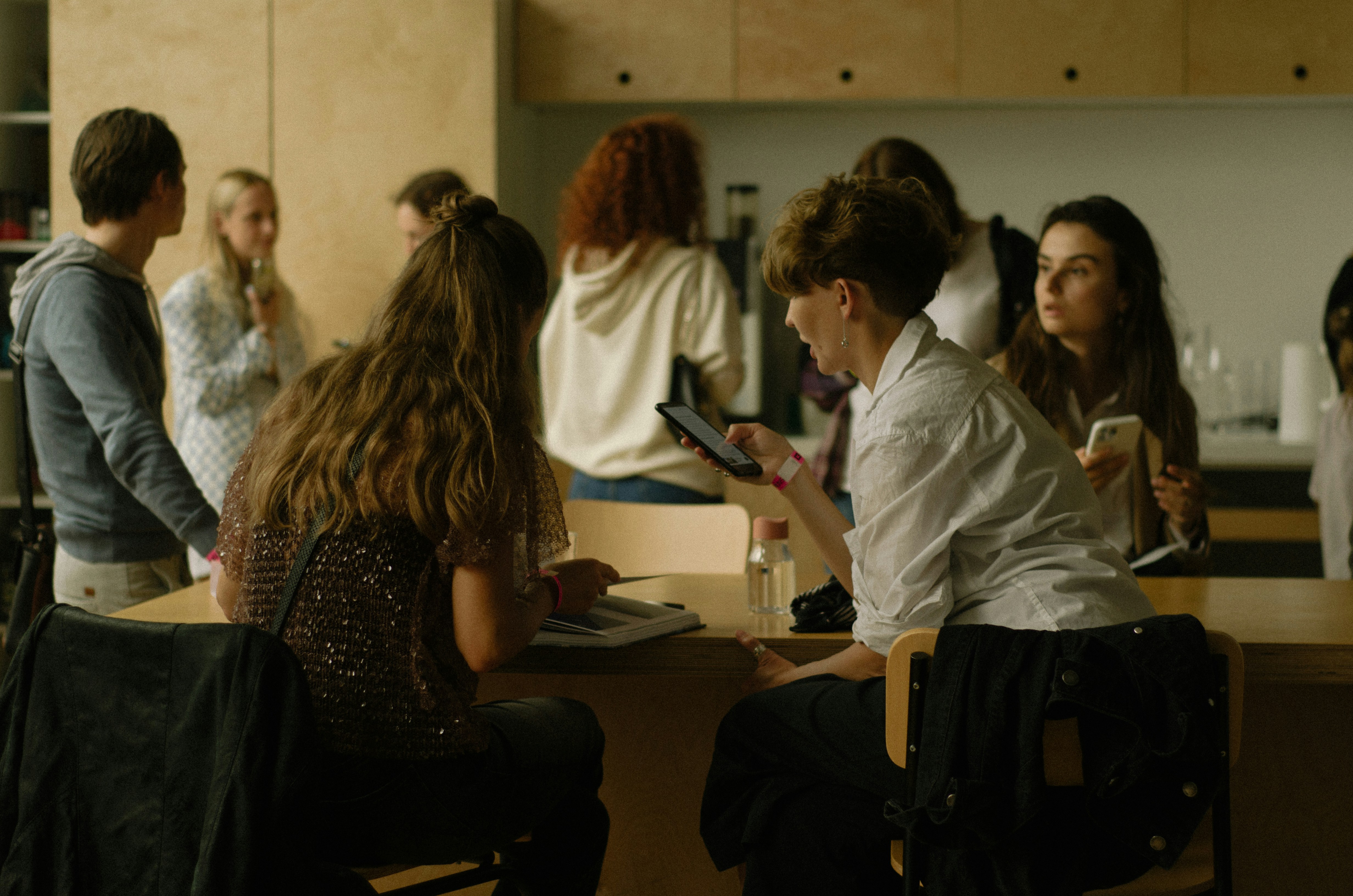
Photo By Kate Bezzubets From Unsplash
The Bigger Picture
My own experience is in line with what researchers are now seeing: that without cell phones, students perform better. There have been studies connecting phone bans to improved test scores, especially for students who had the most trouble staying engaged. Others have found that students actually become more cheerful after the adjustment period.
That is not to say bans are perfect. They will not instantly fix all of the issues in schools, and they cannot erase the importance of technology in our lives. But they pose an important question: what do we receive from leaving our phones alone for a few hours? For me, the answer was focus, community, and a surprising sense of freedom.
My Take: Never Going Back
At first, I was sure banning phones was the worst thing ever. I was angry, irritated, and set on griping about it for the entire year. But experiencing it entirely changed my mind. School is more vibrant now, and I'm more engaged.
Yes, I miss music. Yes, it's infuriating not being able to text my parents until the end of the day. And yes, the first few days were torture.
But in general, the positives far outscored every negative. I realized that I don't actually want to go back the way things were.
It is usually only by getting pushed into something that you realize how much you really needed it. And as much as I'd never admit it to my teachers at the time, I'm truly thankful for the ban.
Because sometimes, the most effective way of "connecting" is to put the phone down.
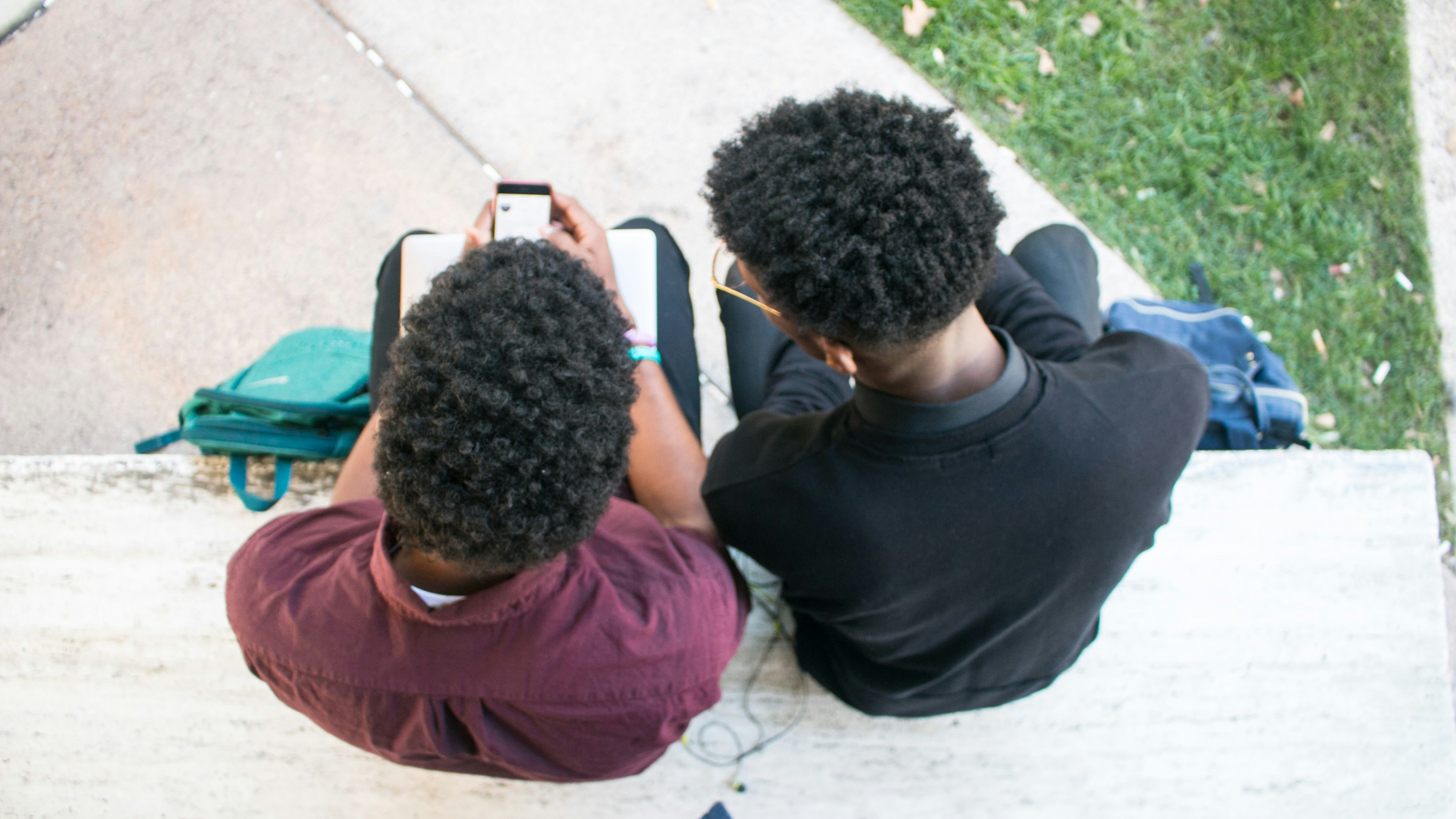 Photo By The Jopwell Collection From Unsplash


