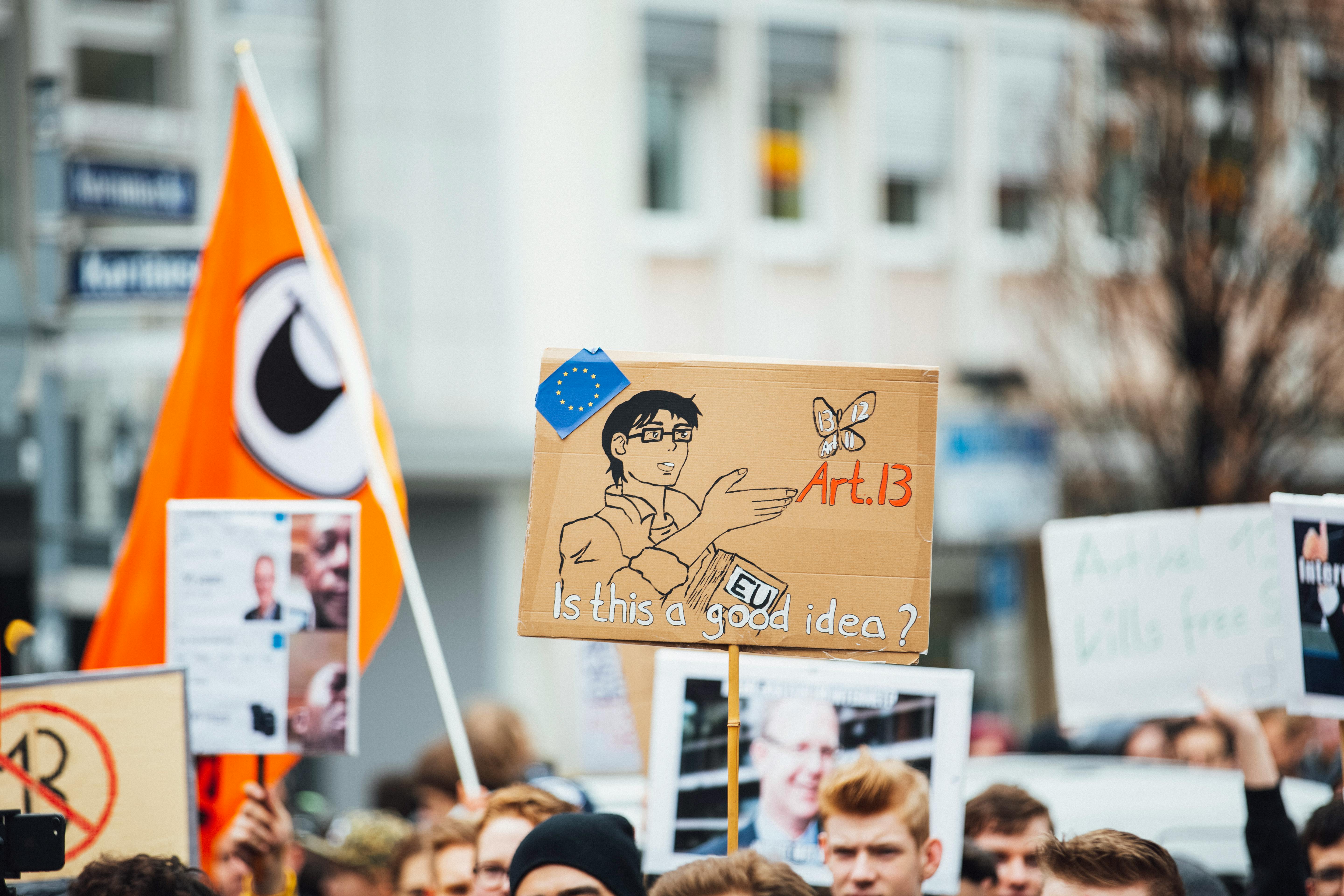






The relationship between politics and adolescence can be complicated, but it can also be very simple.
Many adults describe politics with the word "anxiety-inducing," which may be true for some. But it is crucial to know what is happening in the world and especially which new decisions will affect us or not. This leads to a question:
Do adolescents need to be politically informed?

Credit Image: Markus Spiske from Pexels
Let us slide into your dms 🥰
Get notified of top trending articles like this one every week! (we won't spam you)Its Importance
As adolescents, we are the adults of tomorrow, and for some, the politicians of tomorrow. We are also affected by government decisions, whether in relation to education or war.
To illustrate my point, here is an example: there is a new law in France that says phones are now forbidden and must be turned off on school premises. This is a political decision, and yet it only affects us.
Moreover, unfortunately not all adolescents in the world live in a democracy. And in the definition of a democracy, nothing implies an age limit; it simply states that everyone has the right to give their opinion.
Therefore, we completely have the right to make our voices heard.
However, some people do not agree with the definition of democracy, and they add something: "adolescents are too young to have an opinion."
Despite these facts, many criticisms may arise.
Take the Quiz: What Kind of Political Personality Are You?
Ever wondered what role you’d play in the political world? Take this fun quiz to find out!
The Criticisms
"Too young," "too naive," or "too easily influenced" are often adjectives used to describe us.
They think that social networks can make us believe anything without realizing that they are generalizing. Or they simply think we do not understand without going further into their reasoning.
Yes, there are a lot of "fake news" on social networks, but there are just as many around us. If a friend tells you something they read, you tell another, who tells another, and so on; the information will be altered at some point. That is why being informed is important.
Therefore, everyone is concerned by misinformation, not just adolescents.
To give you an example: in front of you, there are two people, a 14-year-old adolescent interested in politics and a 45-year-old adult who only reads news casually on Facebook. Between the two, which one do you think would be able to hold a conversation on the topic with you?
Some might choose the person who reads Facebook news, who is therefore much more exposed to "fake news," forgetting that some people are more informed than others, regardless of age.
Of course, some news can be anxiety-inducing for adolescents — I do not deny that — but there is a difference between being informed and being politicized.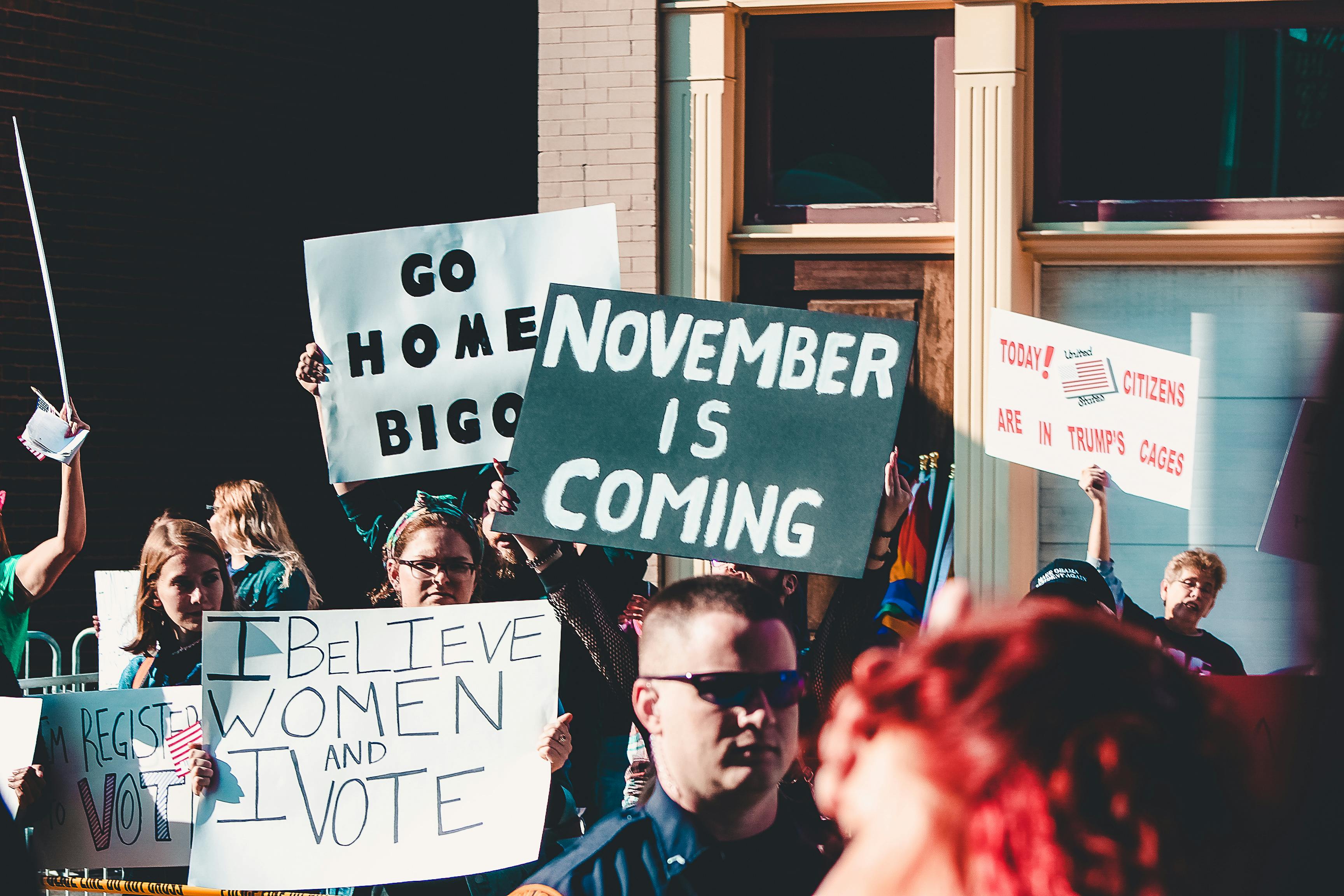 Credit Image: Rosemary Ketchum from Pexels
Informed or Politicized
To be informed, in the traditional definition, means to acquire knowledge in a field (like politics), while being politicized means to be informed and to express opinions on events, evaluate programs, or assess politicians.
There is indeed a link between these two expressions, but one is essential and the other is not.
Furthermore, being informed is important for several reasons: it develops critical thinking and helps you understand the world. It is essential to know what is happening around us, both to have interesting discussions and to avoid nodding or speaking without knowing.
Example: you are in the cafeteria with your friends, eating and talking, and someone brings up the topic of the phone ban. An informed person will say: "Yes, I read some things about it; it said that..." and explain what they read. A politicized person will give their positive or negative opinion while listing their arguments.
Conclusion
In conclusion, being informed is essential for every human on this Earth because we are all affected by political decisions. Whether young or older, there is no difference; age is not a variable in the ability to understand the world.