






I think there comes a time when every teenager stumbles upon a TikTok haul of products that are “must-haves!” or “life-changing!” From “boo baskets” in Halloween to “burr baskets” in December, it gets to a point where these videos become more about filling things that would look good over things we may actually use in our daily life. Although the problem isn’t the seasonal gift baskets themselves, it’s the habit of buying more than you need in order to fit a certain ideal or lifestyle. With the increasing influence of social media, overconsumption is slowly becoming a harmful cultural norm that facilitates exploitation, inequality, depletion and insecurity.
Let us slide into your dms 🥰
Get notified of top trending articles like this one every week! (we won't spam you)I. What Is Overconsumption?
Overconsumption is not simply buying a lot of things; it’s the habit of buying more than we need and more than we can justify. Healthy consumption is purchasing things that serve a purpose and are a good investment of your time, money or happiness. Does this mean that you shouldn’t buy that new lip gloss that you have been eyeing for a month because you don’t “need” it?
Short answer: no. Purchasing one lip gloss isn’t overconsumption; purchasing 15 new lip glosses because the said brand released a new holiday collection, however, is. At its core, overconsumption is about accumulation for the sake of accumulation.
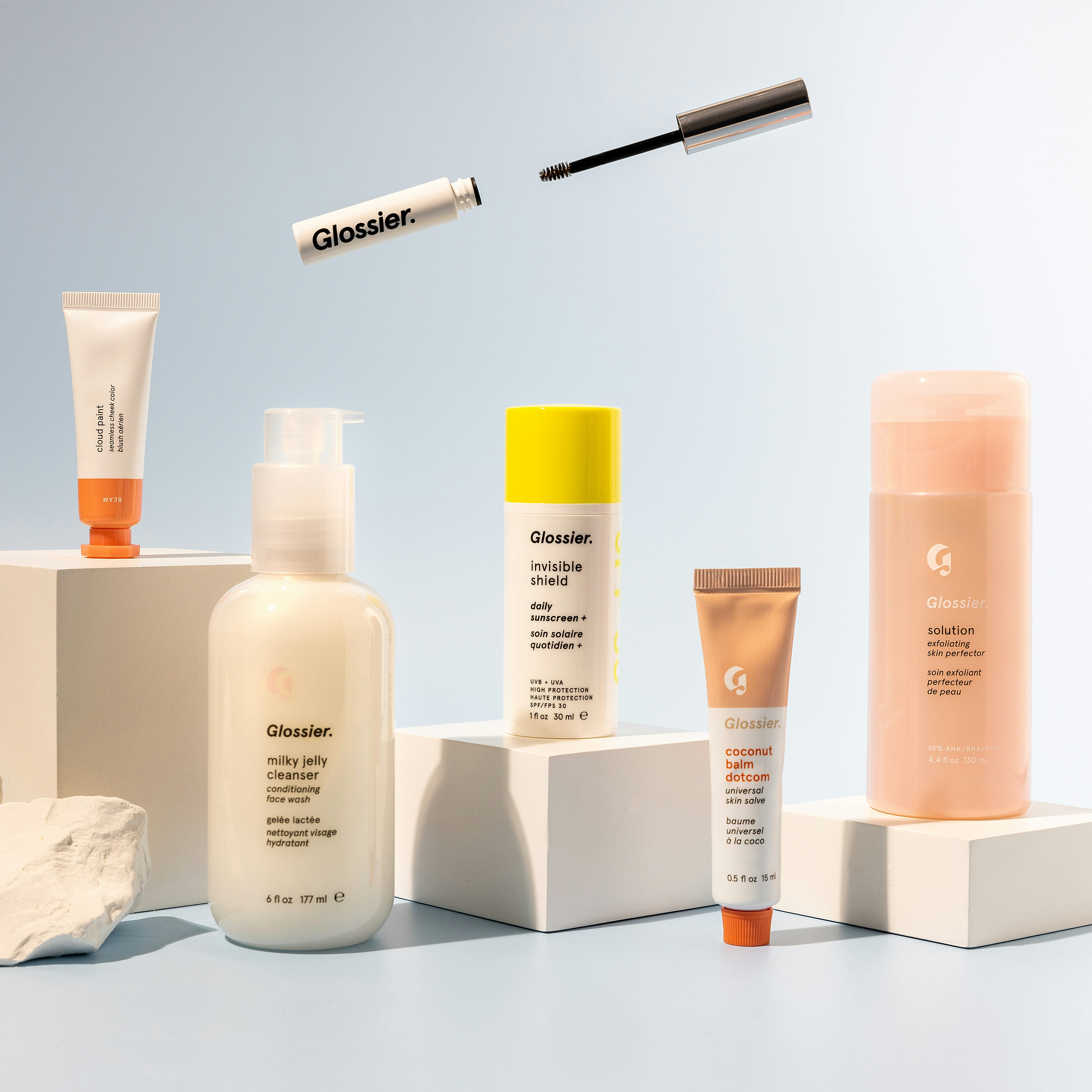
Image Credit: Reuben Mansell from Unsplash

Take the Quiz: What Candle Scent Matches Your Overall Aesthetic?
Halloween is just around the corner. It's time to light that candle. Take this quiz and find out what candle scent suits you best.
II. The "Aesthetic"
The main driver of this unhealthy trend is the “aesthetic” lie that we are fed. Social media nowadays is saturated with “restocks” and hauls that are completely excessive but are portrayed as productive and sometimes even aspirational. A pile of plastic, fast fashion, and impulse buys are suddenly aesthetic once it’s filmed in good lighting and edited with a trending audio.
This culture has come so far that owning ten variations of the same product is now a substitute for a personality. An unrealistic 20-step skincare routine and 5 pairs of $200 shoes are all just “self-care”. Ultimately, this aesthetic-driven culture does not promote care; it normalizes consuming excess, a pattern which is now increasingly observed among younger consumers (Metea Media).
III. Environmental Cost
Despite being an extremely unhealthy habit, both financially and mentally, the worst problem with overconsumption is what happens to these products after they’re “used”. More often than not, they’re chucked into a dumpster and eventually end up in a landfill.
The fast fashion industry produces over 90 million tons of textile waste annually, with most garments ending up in landfills where synthetic fibers can take centuries to break down and leach microplastics into soil and water (Scientific American). Landfills are not automatically harmful by design, but reliance on them is completely unsustainable in a high-consumption society.
But even assuming that the products are disposed of in a sustainable way, the fashion sector still guzzles up resources with reckless abandon. Producing a single cotton T-shirt can require up to 2,700 liters of water (enough drinking water for one person for about two and a half years)(European Parliament). Meanwhile, dyeing textiles accounts for roughly 20% of global industrial water pollution, dumping toxic chemicals into rivers that sustain entire communities and ecosystems (Rawshot).
The industry contributes about 10% of global carbon emissions, more than international flights and shipping combined (Chloroville), due to energy-intensive manufacturing and long-distance transport. In essence, aesthetic trends that look cute on TikTok are dragging ecosystems toward collapse with every cheap haul.
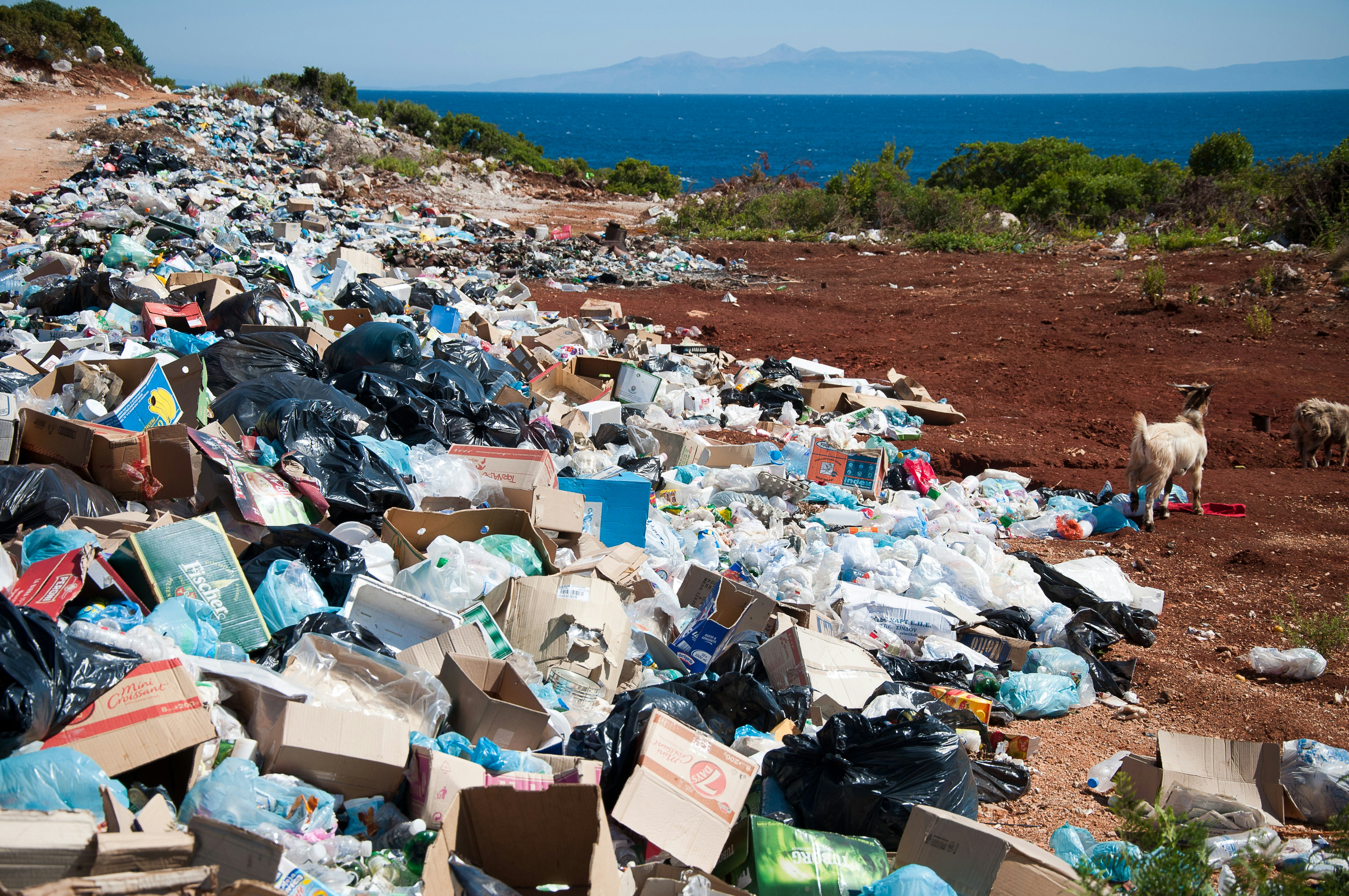
Image Credit: Antoine GIRET from Unsplash
IV. Human Cost
I think that most of us forget a very important fact when we enter a well-lit and polished clothing shop. That the $10 jacket in the corner is not stitched by a robot, it’s stitched by a human in conditions which would sound dystopian to describe. Fast fashion brands cut costs by outsourcing production to countries with minimal labor protections.
Garment workers frequently work long hours for poverty wages, sometimes earning less than what’s required to meet basic needs, with limited breaks, poor ventilation, and exposure to toxic chemicals. Many factories lack basic safety measures, making accidents and chronic health issues disturbingly common.
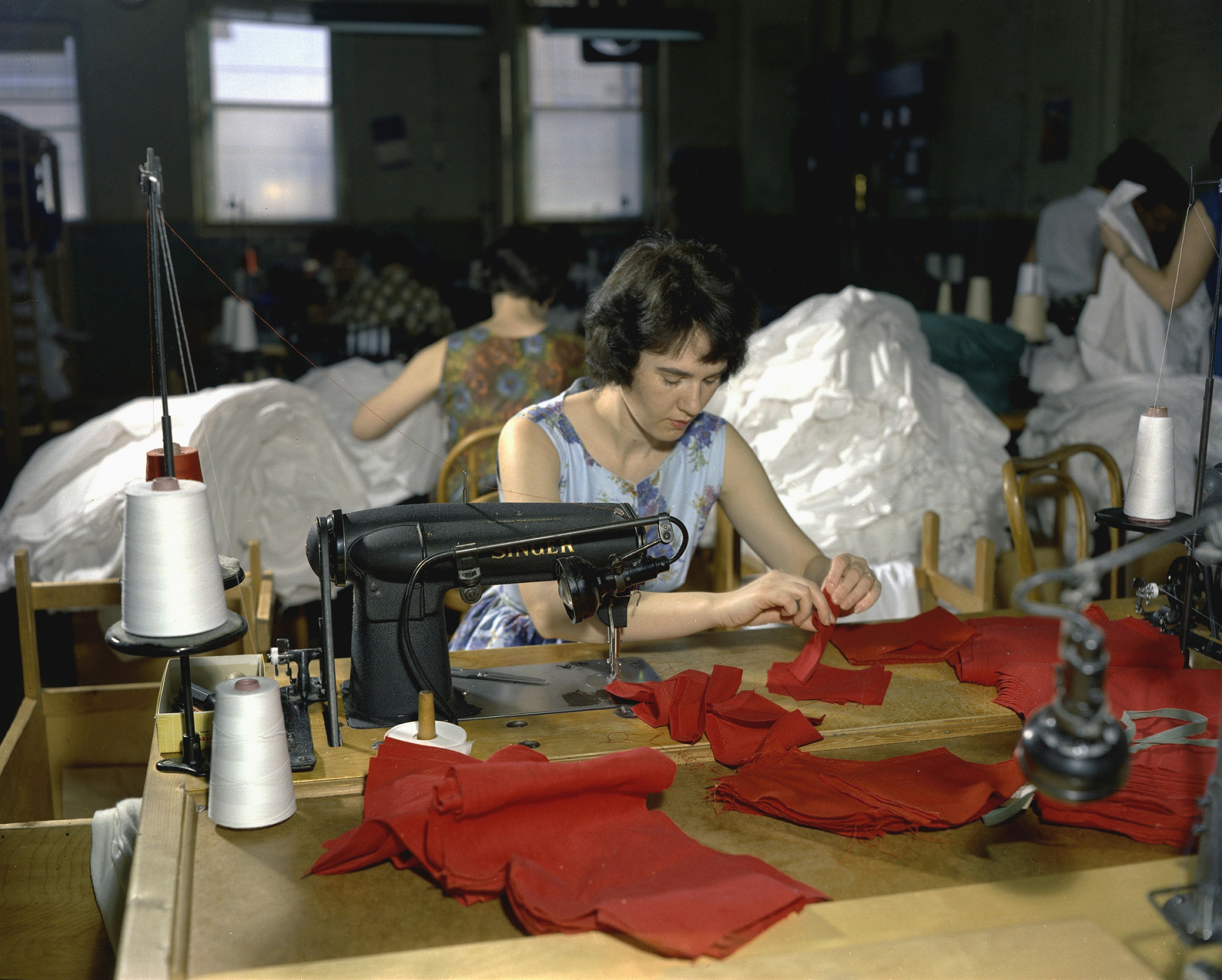
Emery Clothing Company garment factory, Calgary, Alberta.
Image Credit: Provincial Archives of Alberta from Unsplash
V. Psychological Impact
But the truth is that we have started to associate overconsumption with short dopamine spikes. I know that it is probably very comforting to believe that spending $500 on the same accessory will offer satisfaction, but I think that the consequences show that it is high time that we need to accept that it is just a brief spike of excitement, driven by dopamine. It isn’t permanent and fades away quickly, replaced only by discomposure, which again repeats this loop. Instead of fulfilment, consumers are always left chasing the next purchase, convinced that contentment is just one item away.
Research has even linked high levels of material consumption with increased anxiety and lower life satisfaction, especially among adolescents (Metea Media). Social media only increases this by treating buying as a proof of worth, not usefulness.
VI. Common Misconceptions
One common argument that I often find people justifying overconsumption with is that “it boosts the economy”. While it is true that consumerism does contribute to a country’s overall GDP, the industries that give way to this habit actually bank on higher costs. The fast fashion industry, for example, brings in billions of dollars in revenue each year, yet workers in these major manufacturing countries are still often paid below living wages, and the environmental cleanup caused by the companies is often pushed onto governments and communities.
Another prominent argument is that recycling will fix all of the damage. In reality, only 1% of clothing is recycled into new garments, and many plastics are not recyclable at all (Scientific American). Overconsumption may inflate short-term profits, but in the long run, it creates waste, inequality, and economic strain rather than sustainable growth.
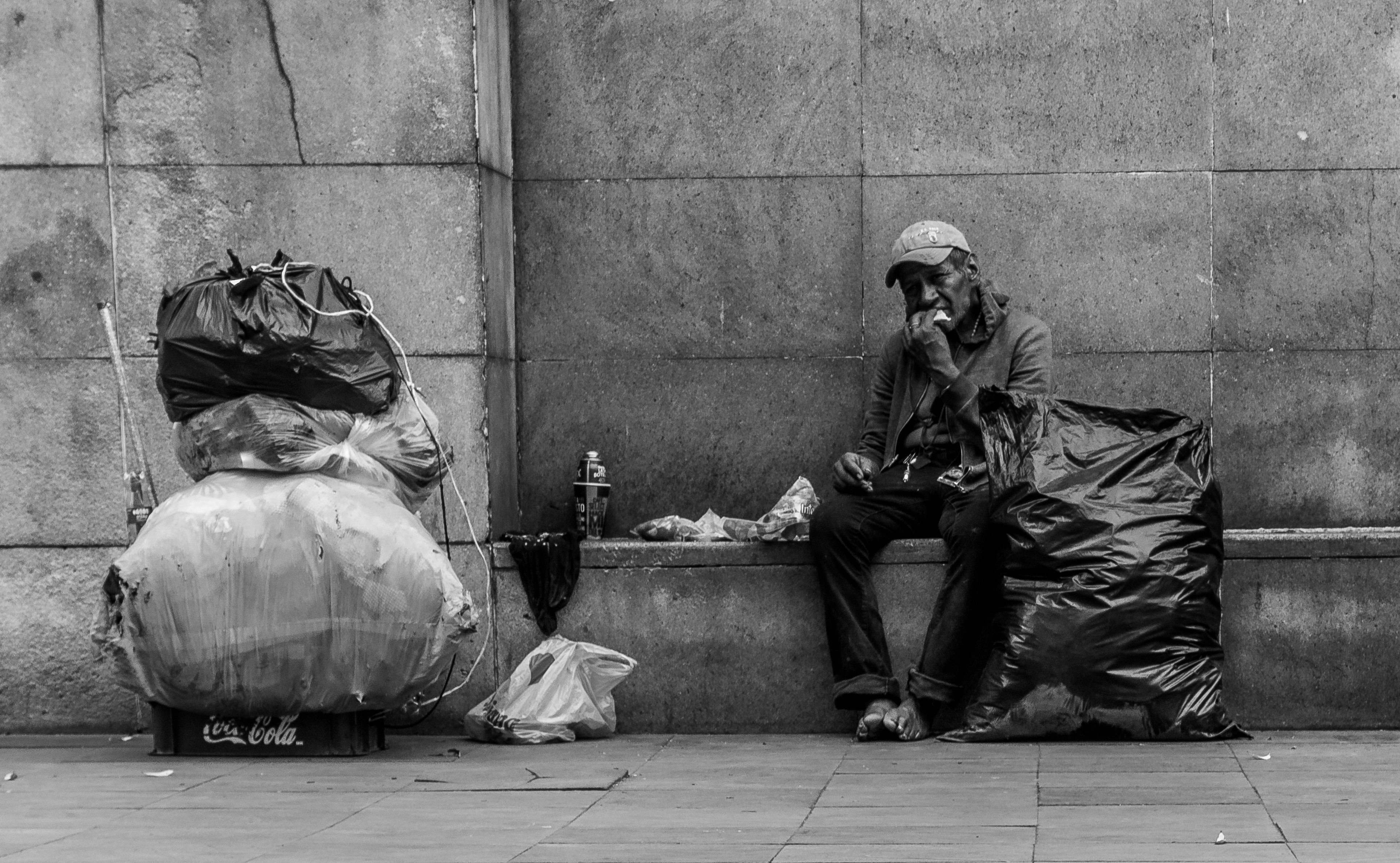
Image Credit: Paul Pineda from Unsplash
VII. So What Is Ethical Consumption?
Despite the theme of this article, ethical consumption doesn’t mean you have to live with 3 possessions to your name or feel guilty every single time you buy something. It just means you’re aware of what you purchase. It’s as small as asking “Do I need this?”, “How long will I actually use this item?” “Do I see myself throwing this away in the near future?” It is essentially about understanding the impact that the product will create on your life and the lengths it has taken to even be here.
At the end of the day, the goal is not to stop consuming altogether, but to stop consuming mindlessly. Buying fewer, better-quality items is not extreme or unrealistic. It is just weighing the value of a product over the short-term appeal.
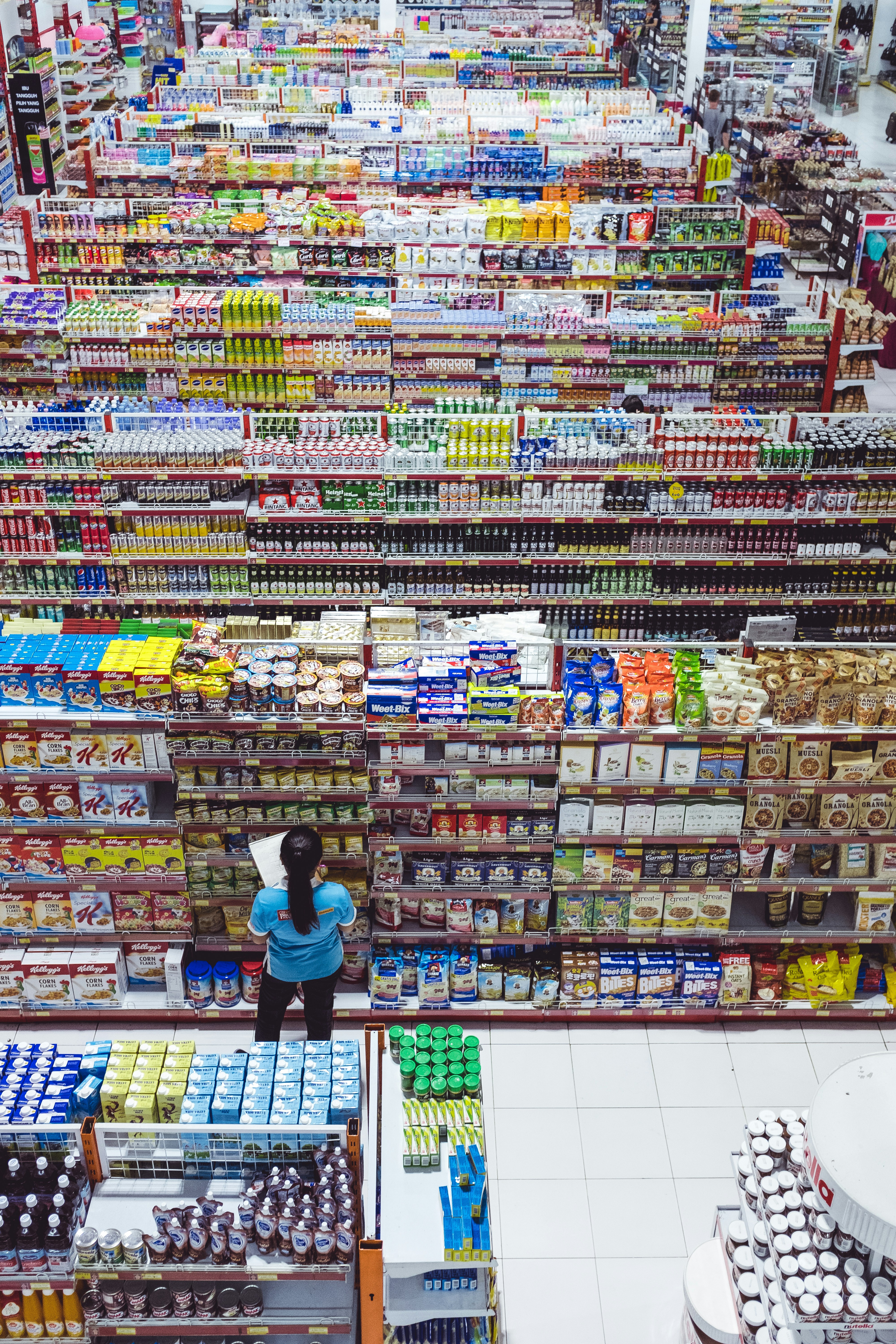
Image Credit: Bernard Hermant from Unsplash
VIII. Conclusion
Overconsumption has become so normal that questioning it feels uncomfortable. I believe that alone says enough. In the world that we live in today, I think that it is inevitable that trends will keep changing, products will keep launching and “must haves” will keep appearing.
But it is imperative that we, as a society, actively evaluate a product before purchasing, as the first step towards ethical consumption. So let this new year be the start of your responsible consumerism journey.
IX. Sources
- Scientific American. “Fast Fashion Affects Climate, Exploits Workers, and Creates Enormous Textile Waste.” https://www.scientificamerican.com/article/fast-fashion-affects-climate-exploits-workers-and-creates-enormous-textile-waste/
- European Parliament. “The Impact of Textile Production and Waste on the Environment.” https://www.europarl.europa.eu/topics/en/article/20201208STO93327/the-impact-of-textile-production-and-waste-on-the-environment
- Rawshot. “Environmental Impact of Fast Fashion.” https://rawshot.ai/statistic/environmental-impact-of-fast-fashion
- Chloroville. “Environmental Impact of Fast Fashion.” https://chloroville.com/environmental-impact-of-fast-fashion/
- Metea Media. “Younger Generations Are the Biggest Buyers in Overconsumption.” https://meteamedia.org/29066/spotlight/younger-generations-are-the-biggest-buyers-in-overconsumption/
