




Have you ever sat down to study, only to realise much too late that you’ve absorbed absolutely nothing? You start with good intentions: a tidy desk, colour-coded notes, maybe even a study playlist queued up, and yet, hours later, you’re left with the uncomfortable feeling that nothing actually went in. Studying often looks productive from the outside, but for many students, especially those who struggle with focus, it can feel mentally exhausting and strangely ineffective.
Let us slide into your dms 🥰
Get notified of top trending articles like this one every week! (we won't spam you)What Is the Pomodoro Technique?
Pomodoro is a time management technique where one studies for 25 minutes which is then followed by a short 5-minute break. It is known to increase focus, reduce burnout, and make studying less overwhelming.


Take the Quiz: What Hobby Should You Try Out?
Find a new hobby to try out!!!
Why Pomodoro Felt Made for My Brain
I tried the Pomodoro technique in 10th grade, a time where I was struggling to lock in (which I later realised is due to my now diagnosed ADHD) like most kids do. There are students who are somehow able to study for hours with no breaks, but I literally could not sit still long enough to read a page.
I used Pomodoro for theory-based subjects and answering questions. This is a great way to prepare to write answers during exams by setting the timer according to how much time could be allocated to one answer. The 5-minute break felt like a reward after each session.
The Pros Everyone Forgets to Talk About
Pomodoro has advantages that are often dismissed, like:
- It improves focus
- Reduces procrastination
- Helps students with short attention spans
- Teaches time management
- Is customisable to one’s needs
- The break allows a breather to refresh
Some YouTube videos I used to time myself (you can find these very easily):
If you don’t have YouTube Premium, there is a high chance your timer will be interrupted by ads, so here are some apps/websites you can use instead:
- https://pomofocus.io/
- https://studywithme.io/aesthetic-pomodoro-timer/
- https://www.wonderspace.app/#google_vignette
- https://astrostation.me/ (my fav; has a Spotify toggle so you don’t need to change tabs for music)
When Pomodoro Stopped Working for Me
As someone who works well with incentives, Pomodoro was my favourite for a long time. Alas… All good things must come to an end. My mind had somehow convinced me that I shouldn’t let a timer control me; that I could take a break whenever I wanted, and for however long I wanted. Pomodoro requires self-discipline to return to a task after a break, which is often quite difficult for students (five more minutes of scrolling won’t do anything right?).
Although, the longer I used Pomodoro, the more I realised how embedded with flaws it really was. The breaks disrupt flow and it’s harder to stop mid-task, rigid timing feels restrictive, especially for creative projects, and a timer can cause anxiety.
All in all, don’t knock it till you try it. Some soft instrumental music in the background while you read your notes (and possibly use highlighters excessively) can be helpful, and often sets the flow, removing the need for breaks.
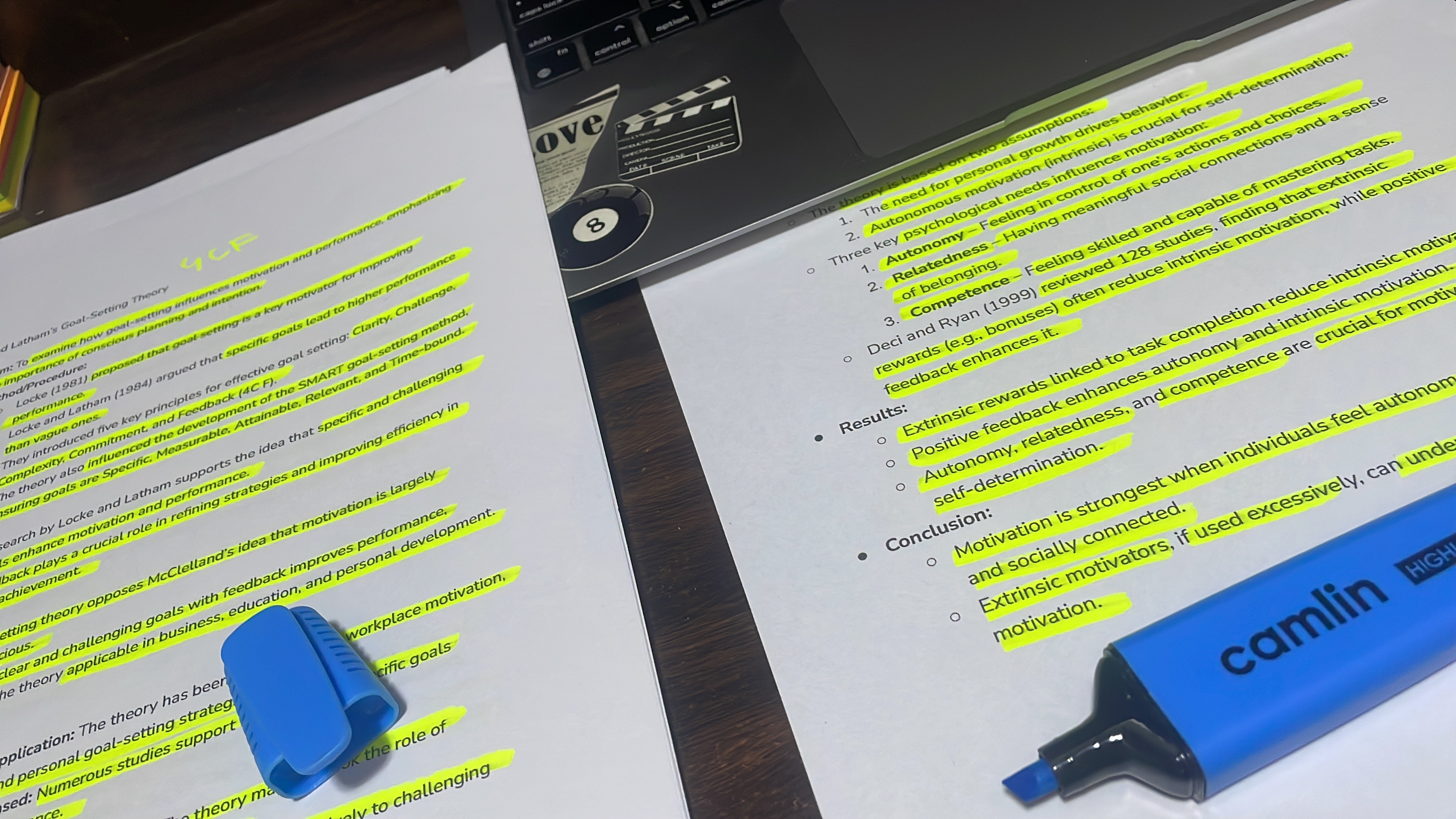
Image Credit: Dhritti Jain
The point is, there are numerous other techniques you can use to study, making Pomodoro a good starting point. For instance, an excessive use of post-it notes;
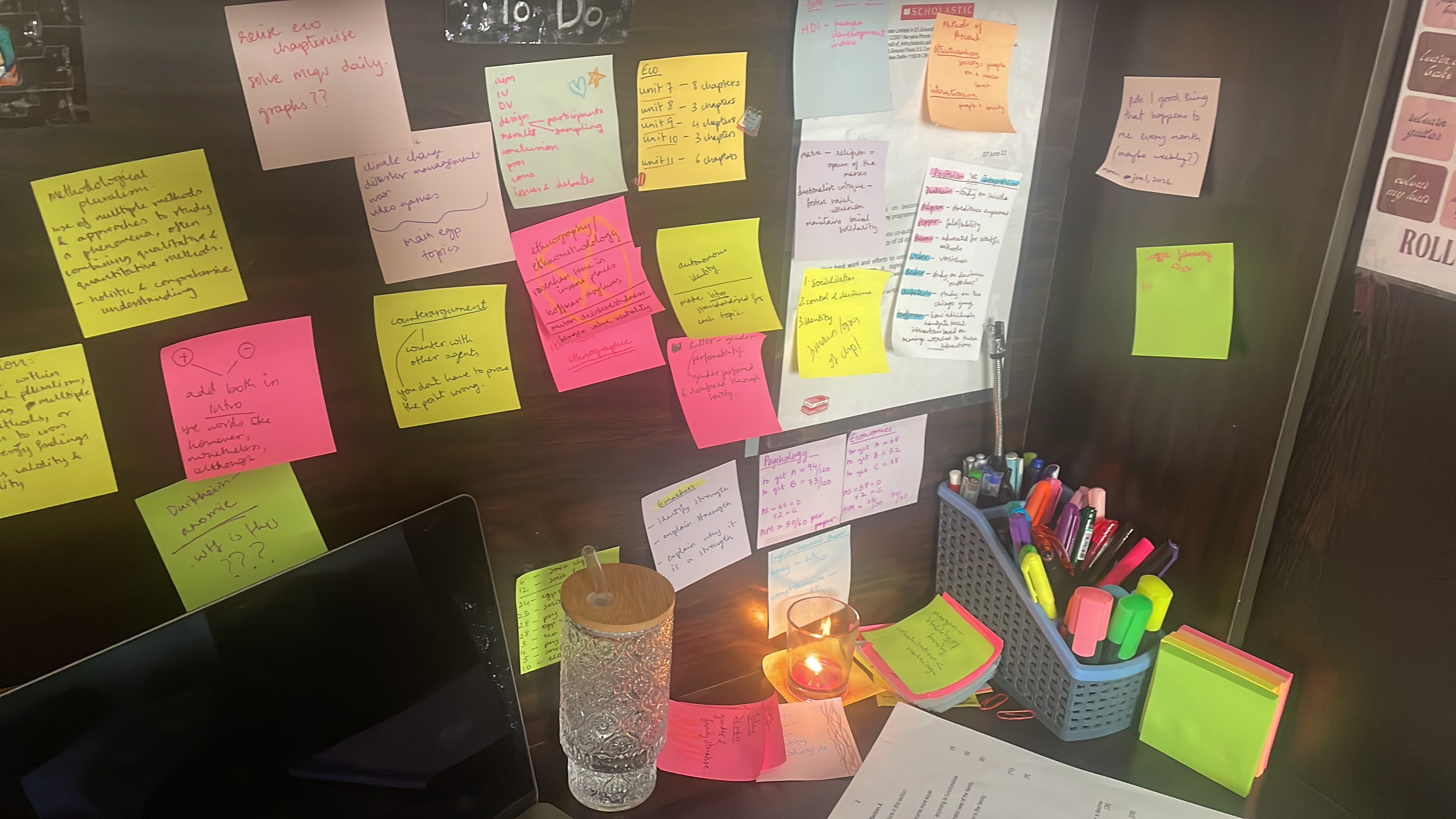
Image Credit: Dhritti Jain
Another great technique is using to-do lists. I find it really satisfying and motivating when I have a list of things I need to study/do and can tick them off one by one.
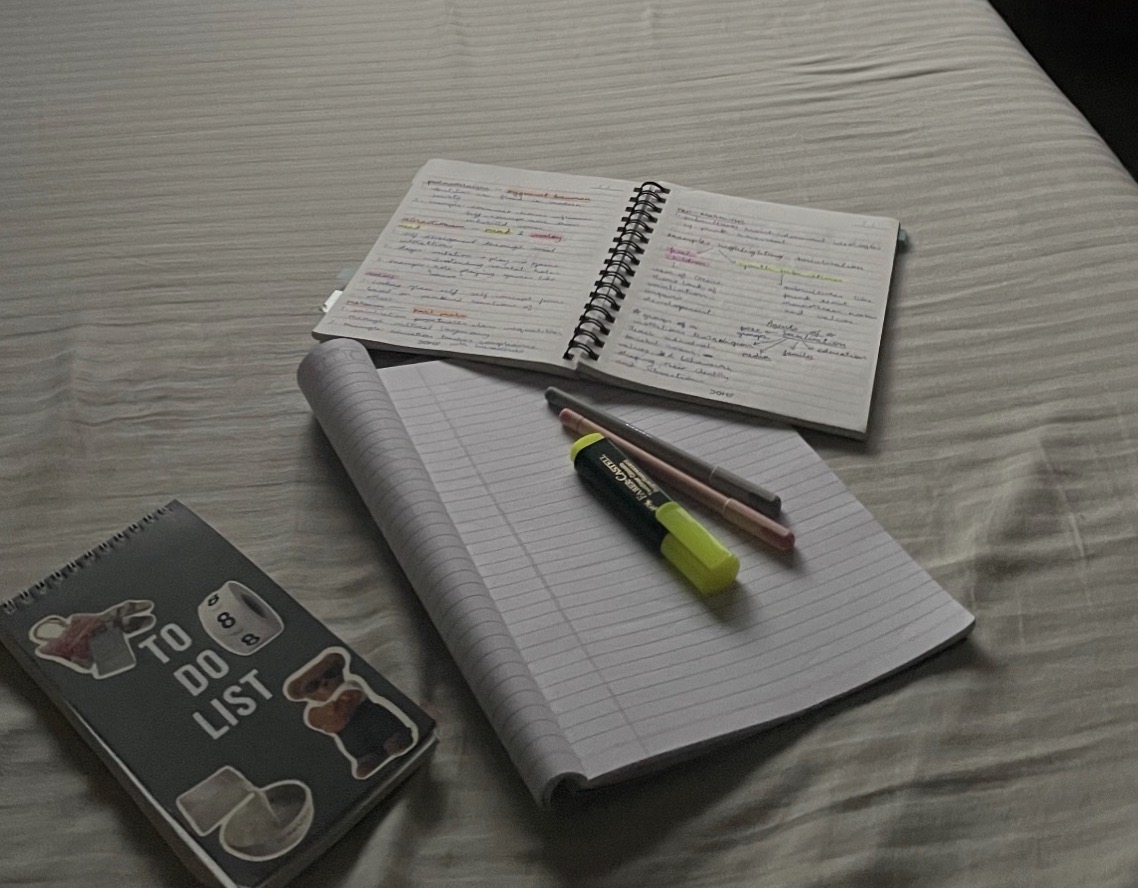
Image Credit: Dhritti Jain
A parting gift: God's boon of a Spotify playlist with instrumental music so good and album covers even better (for all the aesthetics chasers out there), to use while you study. https://open.spotify.com/playlist/4iIFPKaaIUwYIyh391gLtl?si=8b59e7a2ab71416f
A little preview of my desk (and the interesting album cover; yes I got hungry). Also, I do not recommend studying in the dark; I took this pic just for aesthetics.
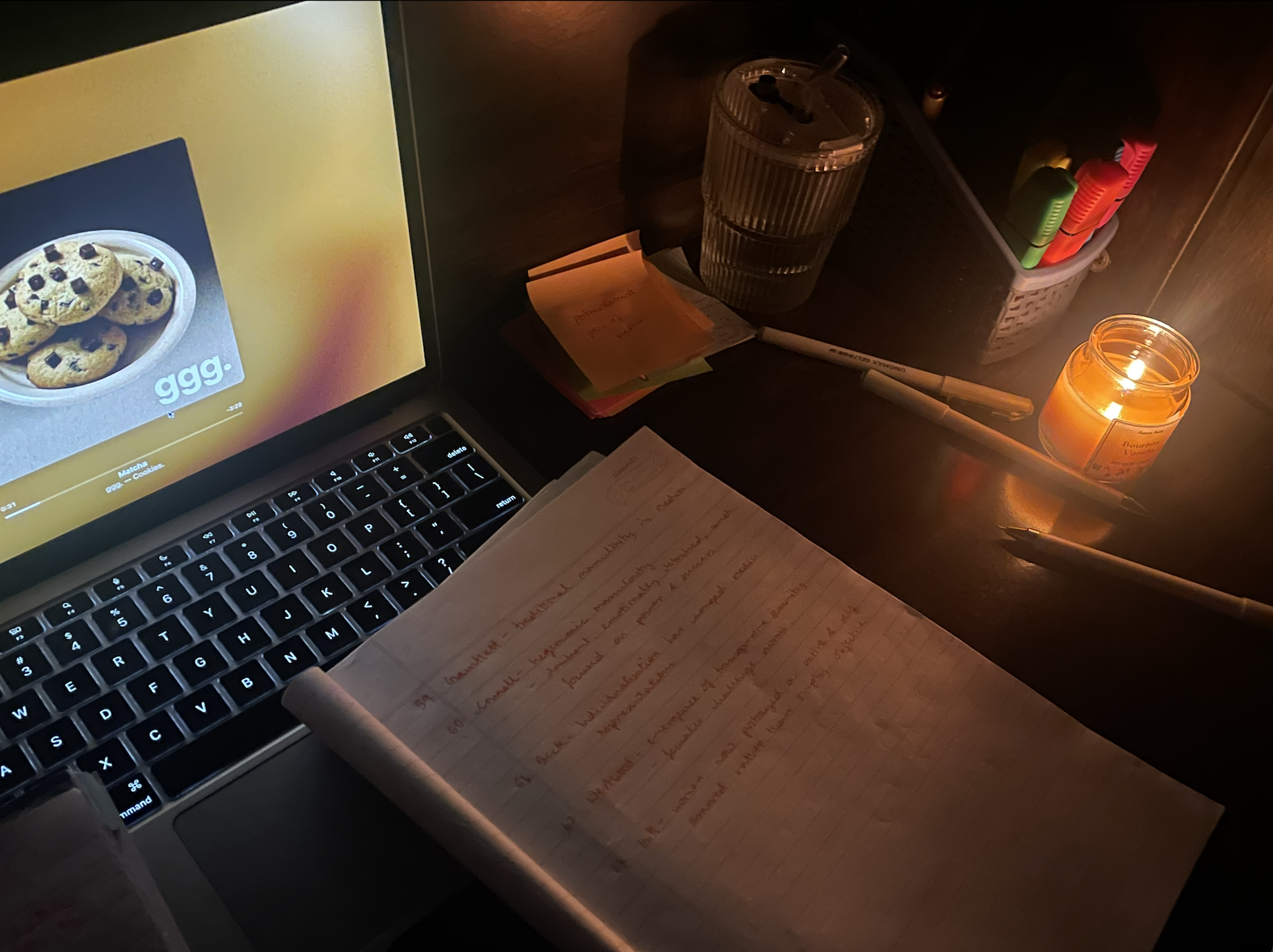
Image Credit: Dhritti Jain
Pomodoro can be a helpful entry point into structured studying, offering discipline, routine, and short bursts of focus. At the same time, its rigidity, reliance on self-control, and disruption of flow mean it isn’t a one-size-fits-all solution. Studying is deeply personal, and what works brilliantly for one student may feel restrictive to another.
The key lies in experimenting, adapting, and allowing yourself the freedom to move between techniques until you find a balance that feels sustainable, productive, and kind to your mind.
