




.jpg)
In recent years, cycle syncing workouts have become more popular among teen girls. It’s actually pretty simple. Basically, it means adjusting your workouts based on the different phases of your menstrual cycle so your body trains at the right time in the right way.
Let us slide into your dms 🥰
Get notified of top trending articles like this one every week! (we won't spam you)What is Cycle Syncing?
A girl’s body goes through a roughly 21–35 day cycle each month, during which hormones, energy, and mood naturally fluctuate. The main idea of cycle syncing is: don’t expect the same performance every day: adjust your workouts to match your body’s state. It’s a way to train with your body, not against it, so you can do the right thing at the right time.
During each month, a girl’s body goes through four phases: follicular, ovulatory, luteal, and menstrual. Think of it like the four seasons, where energy, mood, and physical state change with each phase.
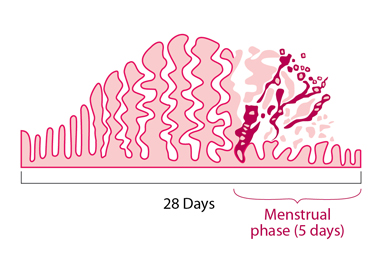
Photo By: National Institute of Child Health and Human Development

Take the Quiz: Which Body Wellness Product Should You Add to Your Routine?
Taking care of your body is all about finding what works best for you. Take this quiz to discover the next must-have product for your self-care rou...
How to React to Each Phase:
1. Menstrual Phase (Day 1–5): "Winter"
- Energy: Low, tired, may feel uncomfortable
- Workout: Take it easy, low intensity
- Ideas: Stretching, yoga, walking, or just take a break
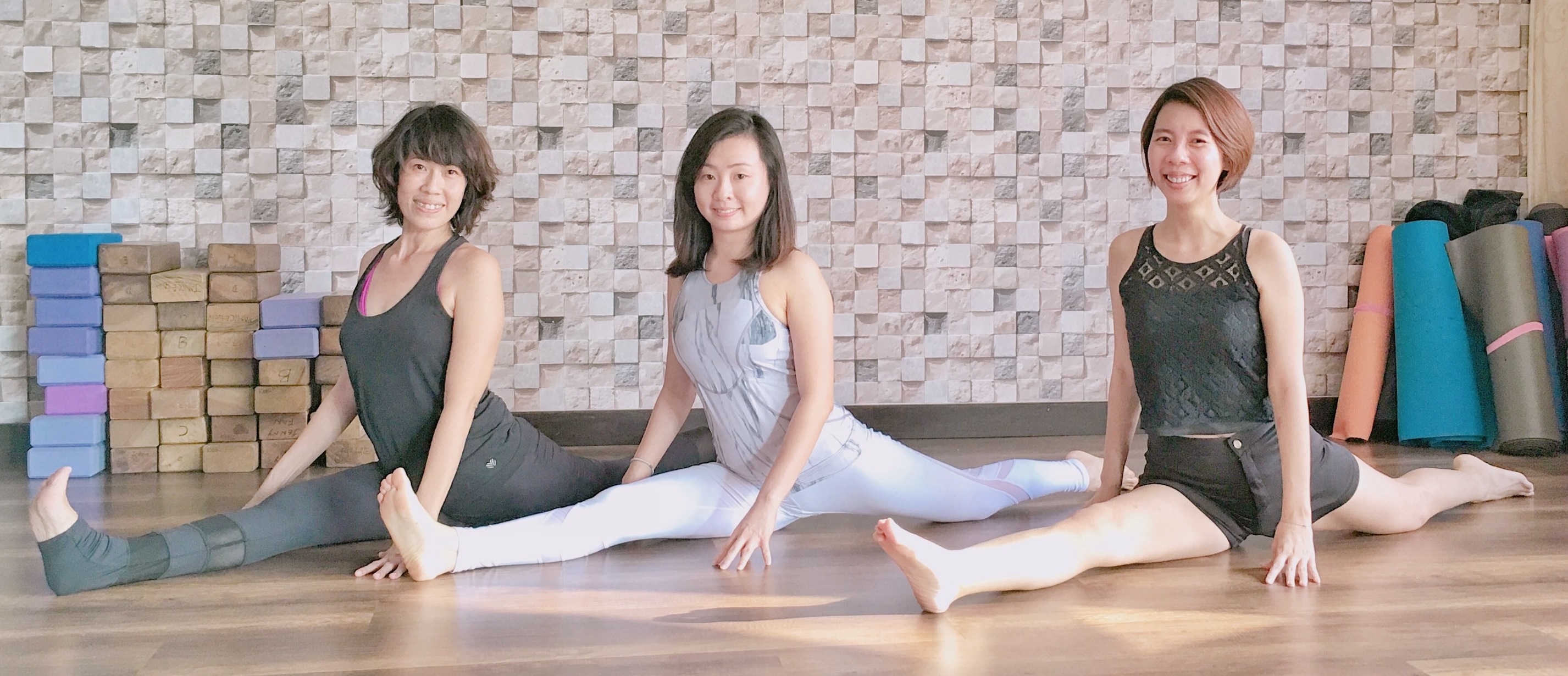
Photo by: Amelia Soo on Wikimedia Commons
2. Follicular Phase (Day 6–12): "Spring"
- Energy: Starting to feel more awake and clear-headed
- Workout: Gradually increase intensity
- Ideas: Jogging, cycling, light strength training
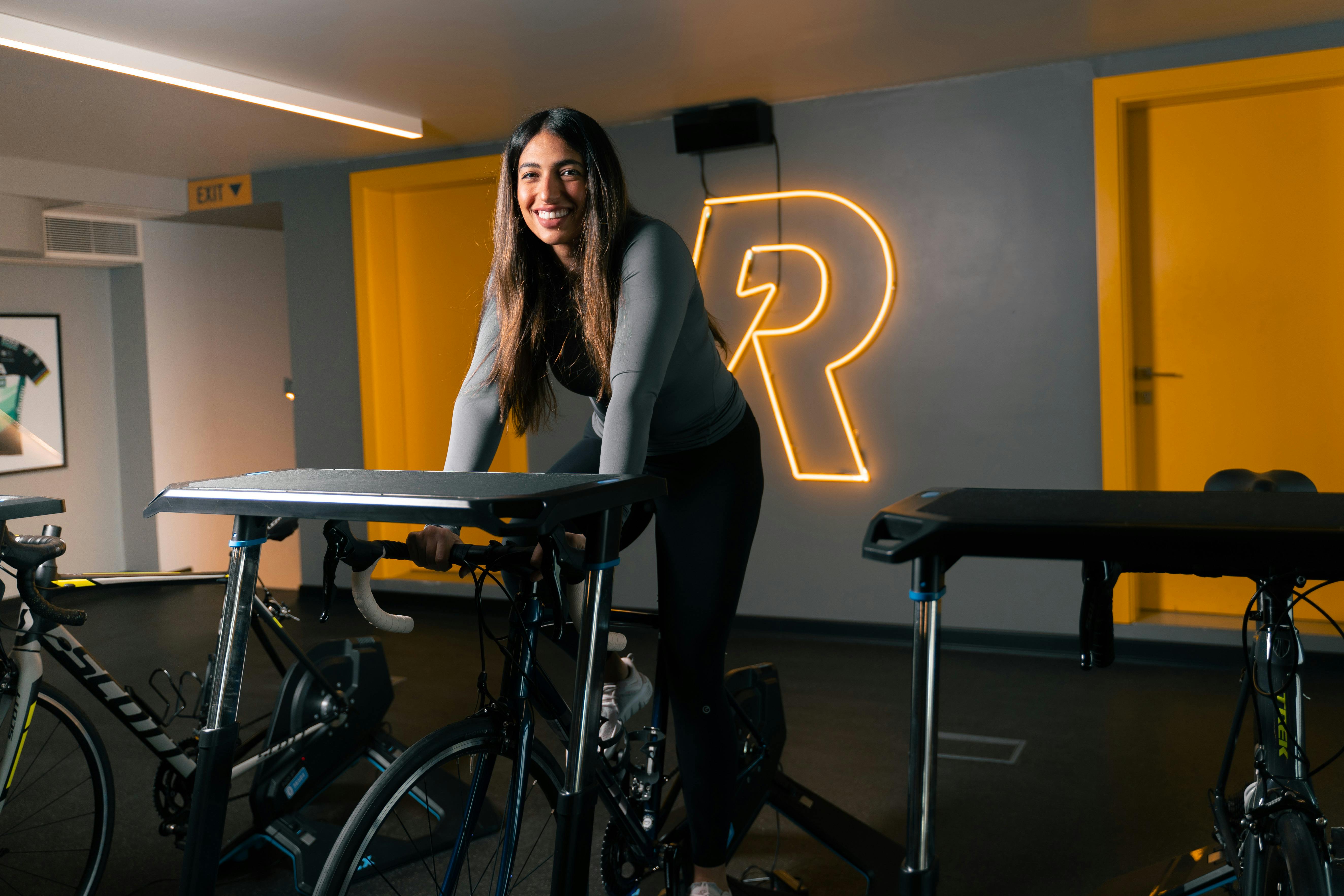
Photo by: Abdulrhman Alkady on Wikimedia Commons
3. Ovulatory Phase (Day 13–14): "Summer"
- Energy: Highest performance, strongest, and most energetic
- Workout: Go for high intensity
- Ideas: HIIT, strength training, team sports
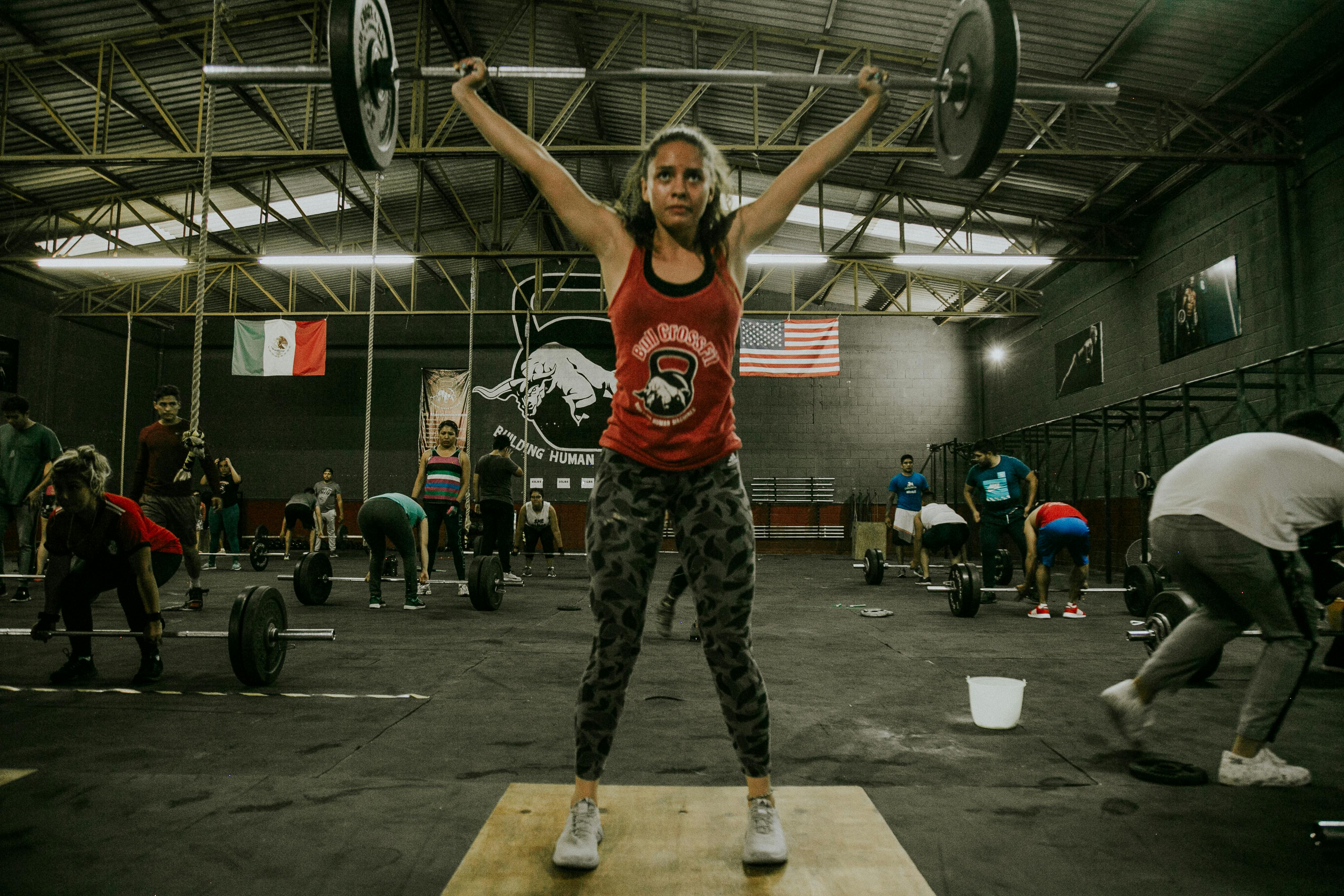
Photo by: Amar Preciado on Pexels
4. Luteal Phase (Day 15–28): "Autumn"
- Energy: Early phase okay, late phase may feel tired or moody
- Workout: Gradually reduce intensity
- Ideas: Pilates, light strength training, brisk walking
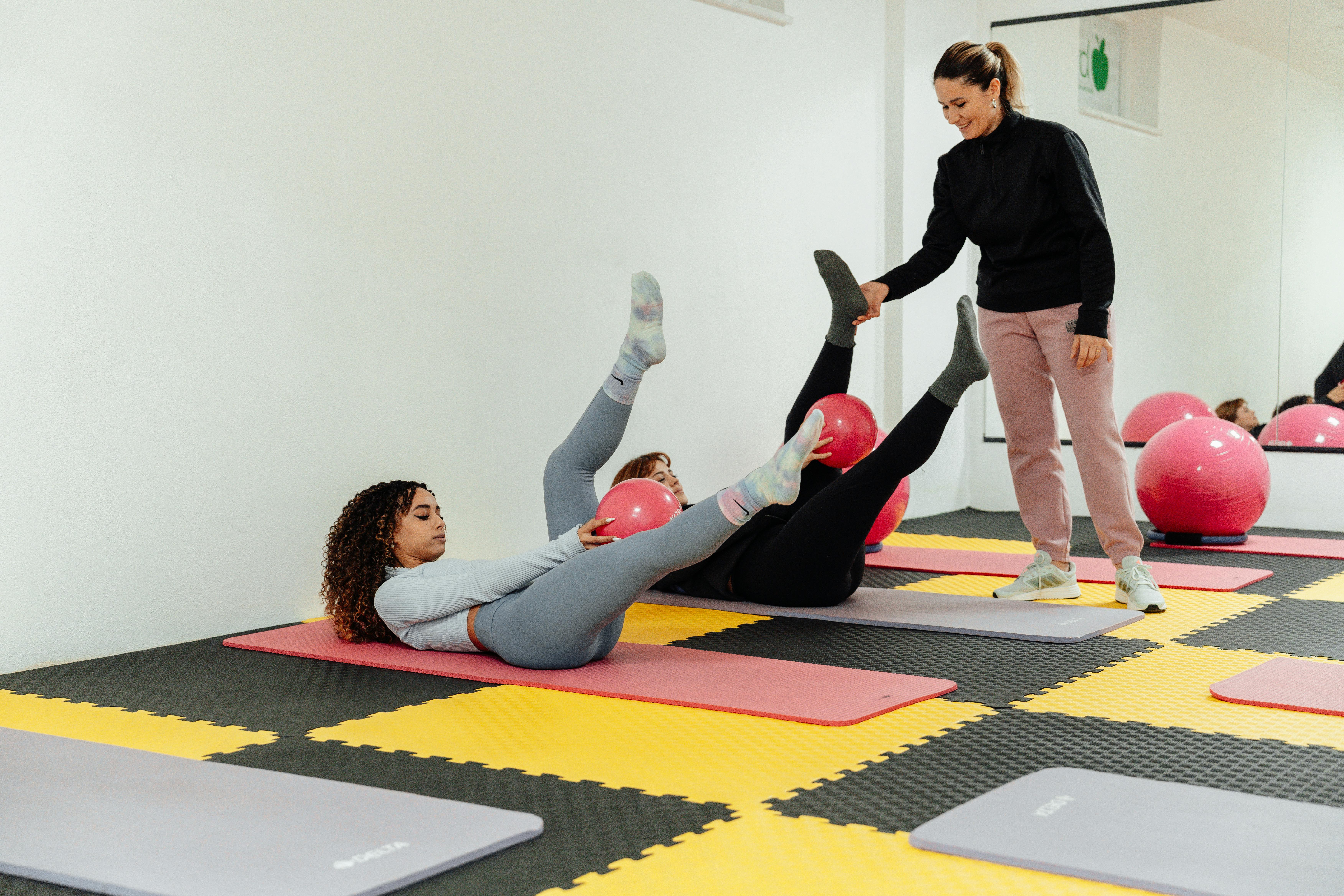
Photo by: Ahmet Kurt on Pexels
Why important to Teen Girls?
For teenage girls, school life is already both demanding and exhausting, and this method helps prevent overtraining by working in tune with your body. Overtraining can lead to many negative effects, such as fatigue, weakened immunity, higher risk of injury, and even impacts on mood, so learning to adjust and rest properly is important. It also helps you understand your energy levels instead of pushing through blindly, allowing you to perform at your best when your energy is high and take better care of yourself when it’s low.
How to Start
You don’t need complicated steps—start with a few simple habits:
1. Know your cycle
- Track the start and end of your period each month, and notice energy, mood, and body changes.
- If your cycle is irregular, record daily feelings (fatigue, mood, appetite, energy) and use your body’s signals to figure out the phase.
2. Adjust habits gradually
- Match workout intensity to your cycle: gentle during periods, high intensity around ovulation.
- Pay attention to your energy and adjust workouts and rest accordingly.
3. Learn to listen to your body
- Spend a few minutes each week asking: “How’s my energy today? Do I want to move or rest?”
- Adjust based on how you feel, and rest when you need to. It's better than forcing yourself.
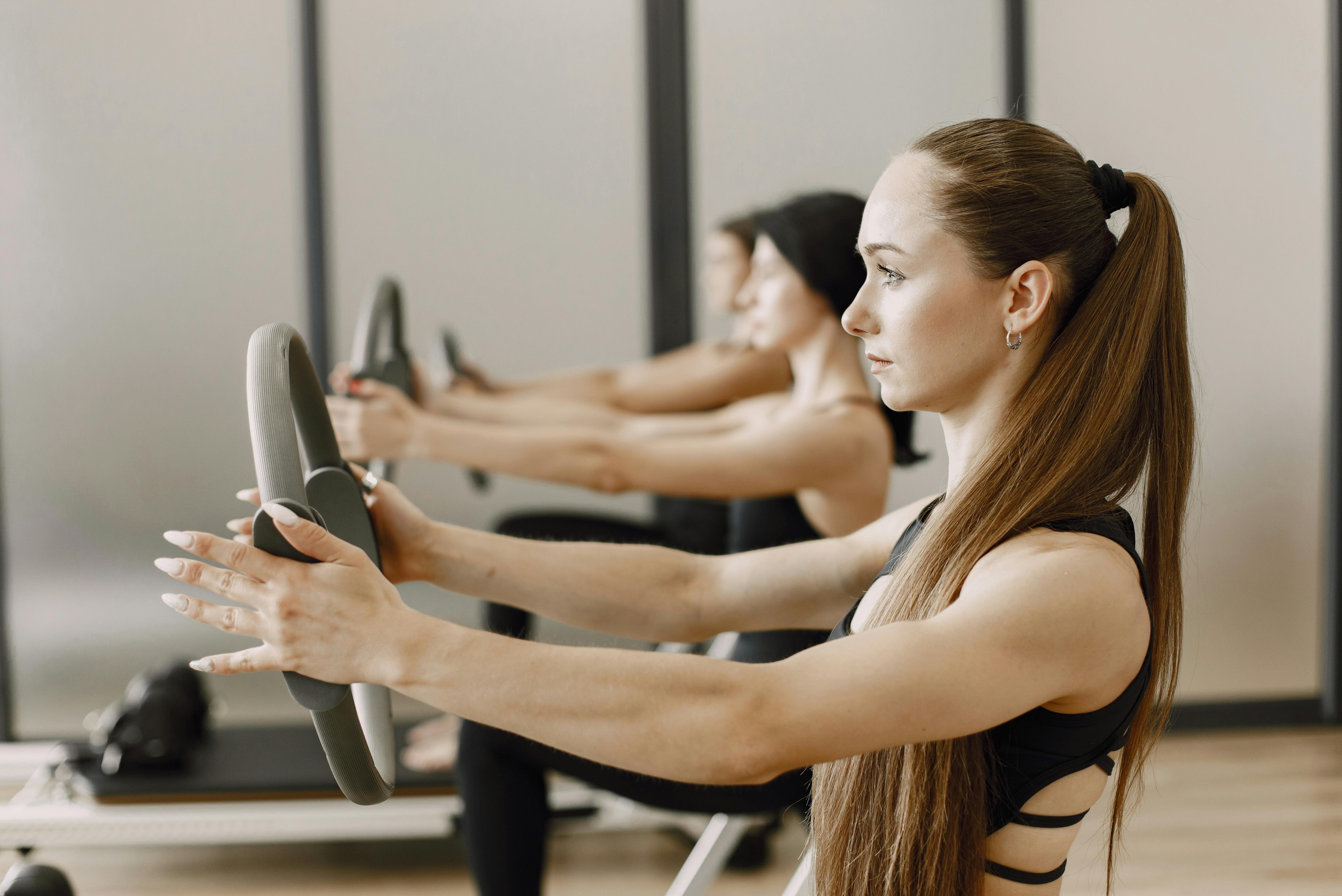
Photo by: Gustavo Fring on Pexels
The Most Important Thing
Cycle syncing is not a strict rule; it’s a guide. You don’t have to do it perfectly; just learn to listen to your body. At first, tracking may feel like a hassle, but paying a little attention to weekly energy changes will become a habit. Over time, you’ll better understand your rhythm and know how to take care of yourself gently.
.jpg)