



-compressed_page-0001.jpg)
Malala Yousafzai is a Hero.
At age eleven, she started advocating for girls' education, writing about the Taliban’s restrictions on girls’ schooling. She gave interviews and speeches supporting girls’ right to go to school. She continued speaking out even after receiving threats, using her survival to amplify her cause instead of hiding.
Even after being shot by the Taliban in 2012, she persisted. On her 16th birthday, Malala spoke at the United Nations, and at 17, she became the youngest Nobel Peace Prize laureate. Continued her education at Oxford University while doing global activism.
She is a role model. She is an inspiration. She is . . . a social media influencer?
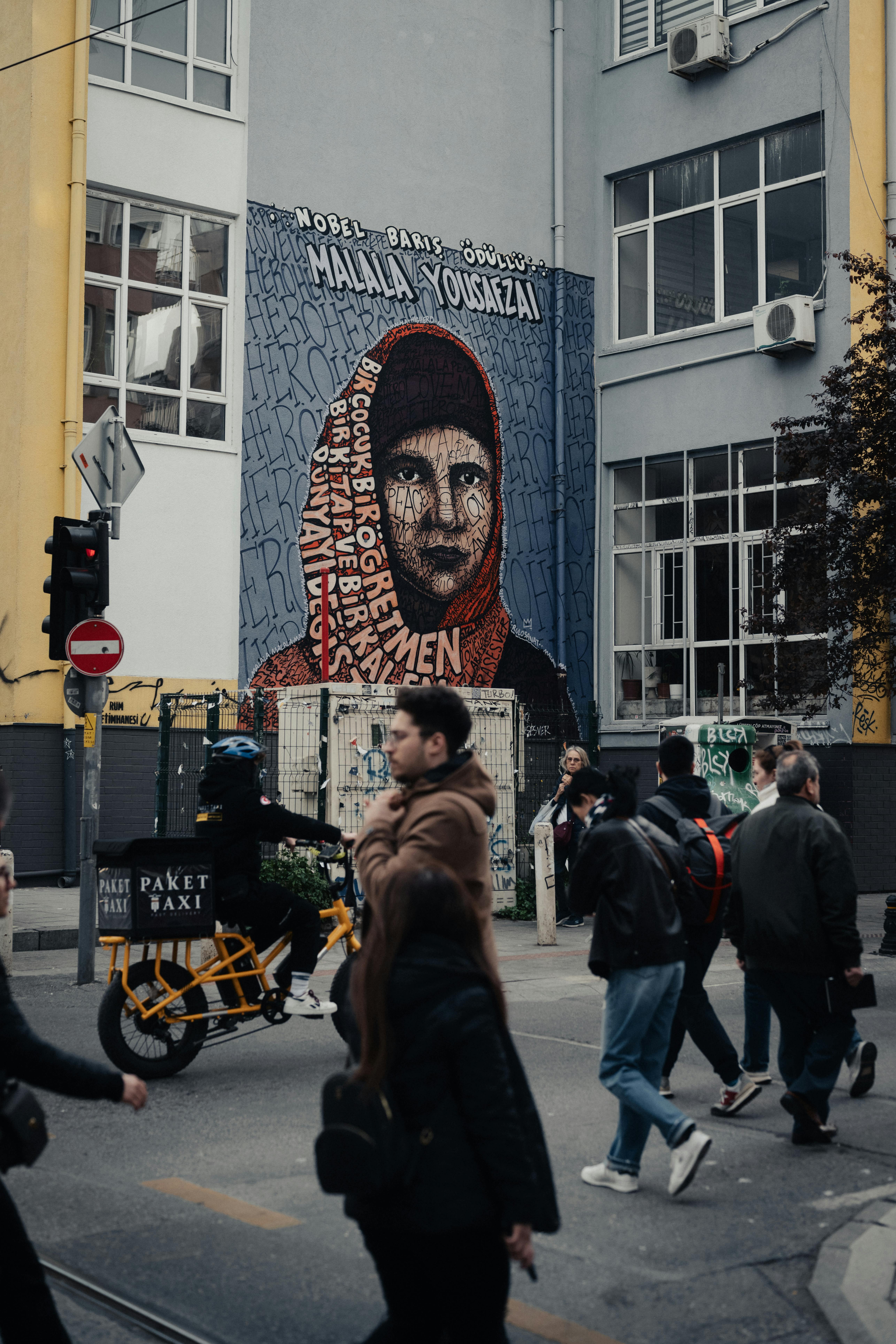
Image Credit: Tolga Ahmelter from Pexels
Ok, about a month ago, I sat on my bed doomscrolling through Instagram Reels. I wasn’t expecting anything groundbreaking — usually just makeup tutorials, short comedy clips, or questionable “day-in-my-life” vlogs. But then, out of nowhere, a familiar face appeared between two random videos.
Someone who I'd learned about in history class. And there she was. Malala. On my feed.
There was something almost surreal about it. Malala is a figure who feels larger than life, placed in the same untouchable category as people like Nelson Mandela or Susan B. Anthony.
She is studied, quoted, and memorialised. She is someone we expect to see in documentaries, in formal speeches, in academic discussions.
Let us slide into your dms 🥰
Get notified of top trending articles like this one every week! (we won't spam you)But Recently She Made a Reappearance.
On her account, she wasn’t lecturing, persuading, or delivering a speech. She wasn’t framed as a symbol or an icon. Instead, she was doing something far more unexpected: reintroducing herself.
Not as “the girl who was shot,” or “the youngest Nobel laureate,” and not as a flawless global activist, but as a person. A normal, complicated, growing human being. Her Instagram reappearance was deliberate and striking. She talked about the parts of her life that the world rarely acknowledges, like her pen collection, cute selfies of herself, her surprisingly intense “gym bro era,” and her documenting her family trips. These weren’t the polished details of a public figure’s controlled biography. They were personal admissions that made her feel startlingly real.
What made her posts even more unexpected was the tone. It was humorous and very self-aware. She poked fun at herself while also revealing serious truths about the pressures she’s lived under.

Take the Quiz: Which BLACKPINK member are you?
Find out which BLACKPINK member you resemble the most!
More Than an Icon
For years, Malala has been flattened into a perfect, almost untouchable figure. She became “bravery,” “resilience,” “youth activism” — concepts instead of a person. And while those qualities are true, they also cover up her humanity. Her sudden social media presence challenged that narrative.
And perhaps that is what made her appearance on social media so surprising. It wasn’t that Malala posted an Instagram reel. It was that she used it to do something she had rarely been allowed to do: define herself on her own terms.
In that brief moment on my phone screen, Malala didn’t seem distant or historical. She seemed present and surprisingly relatable. It was a reminder that icons grow up. And even the most extraordinary people still live ordinary lives behind the scenes.
To sum everything up, Malala Yousafzai’s presence on social media doesn’t change who she is, but actually reveals more of her. By showing herself as a real person rather than just a historical figure, she challenges the way we treat public heroes. Her story tells us that impact and individuality can coexist, and that even the most influential people deserve to define themselves beyond the moments that made them famous.
-compressed_page-0001.jpg)