






If you suggested to a man, imagine the world being a matriarchy, what would he say?
You may thinking this article is about extreme or radical feminism and misandry but it is about feminism instead. Feminism is defined as ‘the belief that women should be allowed the same rights, power and opportunities as men and be treated in the same way, or the set of activities intended to achieve this state.’ Feminism is often associated with ideas of female supremacy and man-hating. However, the definition suggests feminists advocate for equality not superiority.
Women for centuries have been feminists and campaigned for women’s suffrage, reproductive rights and against gender-based violence. All of these campaigns do not suggest women hate men but hate the patriarchal system that makes them inferior to men.
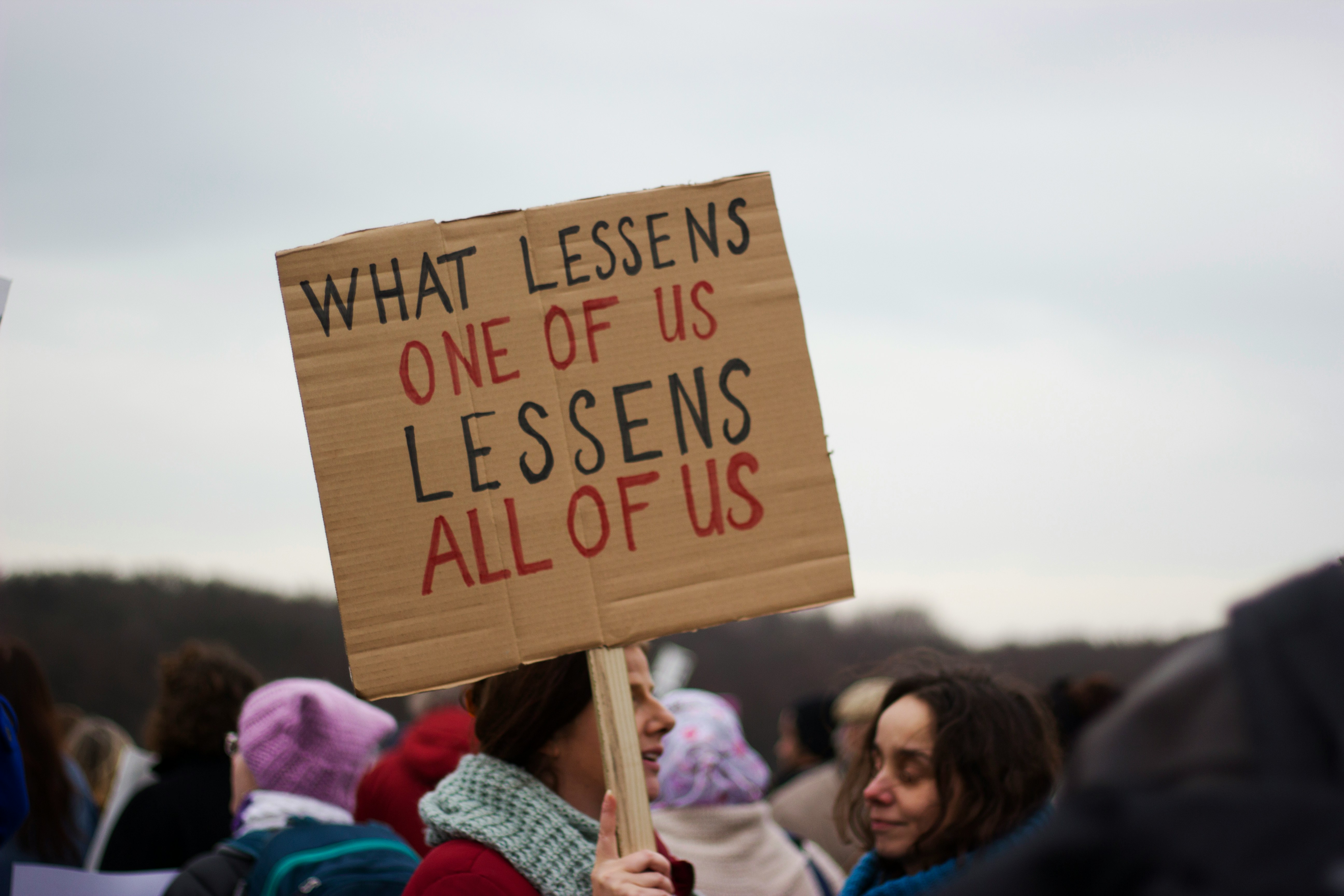
Image Credit: Michelle Henderson from Unsplash
Why are men superior to women?
Women will never have fully equal rights to men unless the world that was originally built for a man changes. But why is the world like this in the first place? During the Stone Age, prehistoric humans heavily relied on physical strength to forage for food and survive.
Male’s anatomy is more muscular than females therefore their strength was needed for survival and naturally men become leaders. In the Genesis creation story of Adam and Eve, Eve (who was made from Adam’s rib) was tempted by the serpent (Devil) and ate an apple from the Tree of Knowledge. The story suggests Eve was made as a helper for Adam and that women less intellectually strong compared to men. These events took place millions of years ago but still influence society today; unless the attitude that men are superior to women changes, our society will never change.
Let us slide into your dms 🥰
Get notified of top trending articles like this one every week! (we won't spam you)Examples of how the world is built for men
We have all sat in a car before and instinctively put on our two point seat belts to protect us in a crash? But are seat belts safe for everyone?
For pregnant women, in a car crash, the force is directly exerted onto the uterus or can cause the placenta to detach from the uterine lining which can severely injure the foetus. Cars have been designed using male crash dummies based on the ‘average male’ to optimise their safety without the safety of women being take into account. This creates a disparity which leads to women being 60% more likely to be injured in a car crash. Women are susceptible to whiplash as cars are not suitable to women who sit closer to the steering wheel and har straighter cervical spines (which reduce natural shock absorption.)
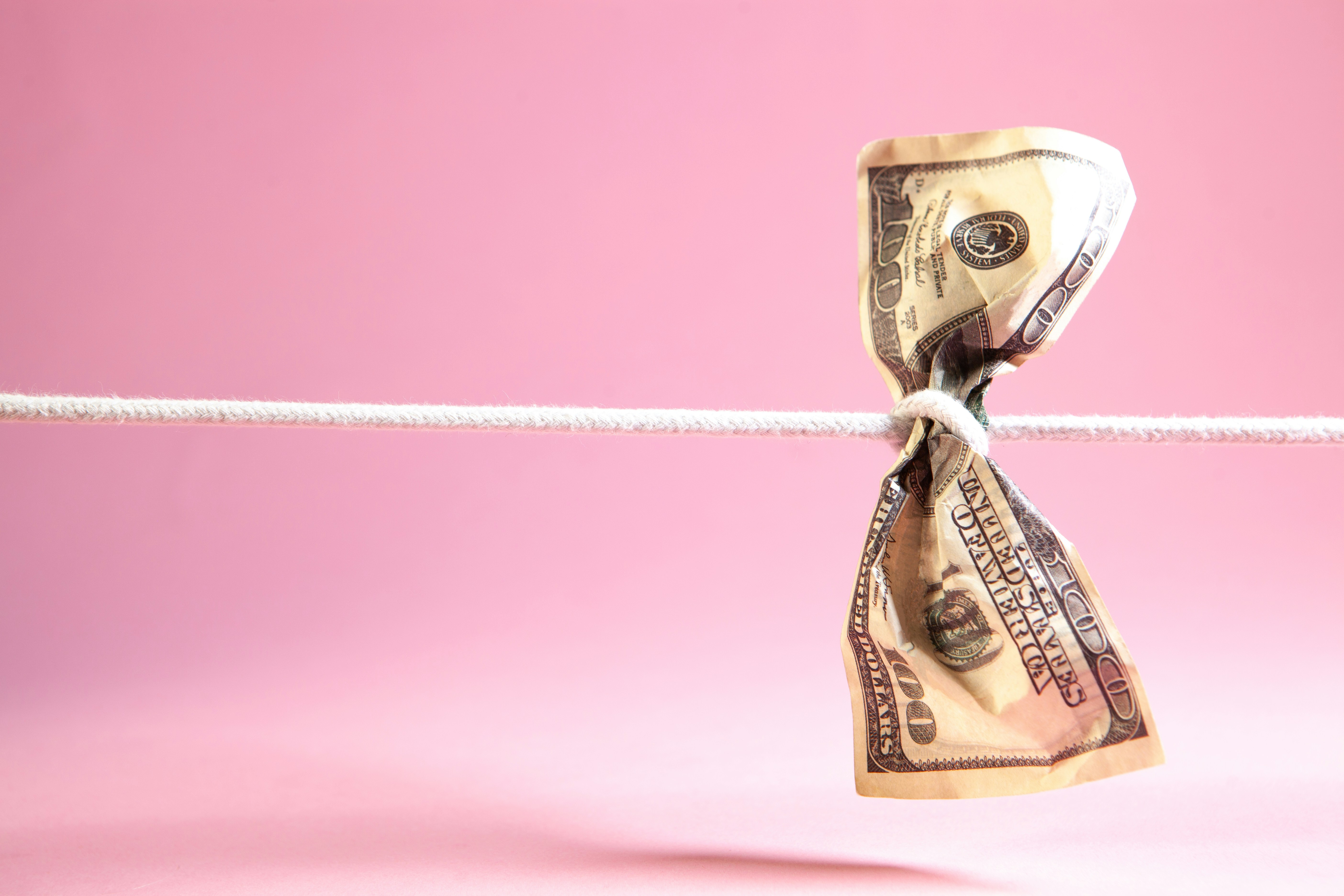
Image Credit: Sasun Bughdaryan from Unsplash
Another example is pink tax. Companies sell products which are pink for a higher price than products which are stereotypical male colours. Despite the products that are different colours costing the same to manufacture, companies still capitalise on pink products. Studies show that women spend an average of 64% of their income on essentials, compared with 53% for men.
This links to the gender pay gap where men are paid 6.9% more than women for the exact same job; this is the price you have to pay to be a woman. Additionally, occupational segregation means women are more likely to be employed in traditionally lower-paid sectors. Whilst, a third of men hold careers in higher paying sectors (science, technology.)
Image Credit: VectorElements from Unsplash
The healthcare system has been designed to suit only half the population. Historically, diseases that affect both genders are only tested on men which causes critical gaps in our understanding of how to medically treat women. Female-specific conditions (e.g. endometriosis) are under-funded which reinforces the gender bias.
Female healthcare professions often experience harassment, differences in pay and penalised career advancement due to maternity leave. Women seeking support from doctors endure symptom dismissal (especially those of colour.) These are just a few examples of how the world is designed for men.
In 2023, the World Heath Organisation established about 1 in 3 (31.6%) of women worldwide of the global population experience sexual or domestic violence. Survivors are left with severe psychological trauma, emotional damage and physical injuries. The lives of women are forever altered, their trauma is inescapable, but the lives of perpetrators do not change.
Cases of abuse are under reported due to lack of genuine listening of women and fear of speaking out. Only 2.6% (in March 2024 in England) of reported abuse and violence cases result in legal action. Is the legal system (which is designed to protect) protecting the wrong people?
Take the Quiz: Are you folklore or evermore?
Out of the two sister albums released by Taylor Swift during the pandemic, find out which one you should check out!
How can the world be built for men and women?
In order to create change, legislation must be implemented and reinforced. One reason why bills are not passed is the lack of advocacy for women in politics. UN women suggest only 27.5% of parliamentarians are women despite accounting for approximately 50% of the population.
Example of failed laws that were designed to protect women are the Gender-based Pricing (Prohibition) Bill (UK) and only 29 economies globally have enacted laws that address germicide. A greater proportion of women in governments could directly influence how laws are passed - which will increase representation for women.

Image Credit: Mapbox from Unsplash
Conclusion
Now back to my original question: If you suggested to a man, imagine the world being a matriarchy, what would he say? He would probably hate it - not because he believes in equality but because men fear they would be treated how women are today.