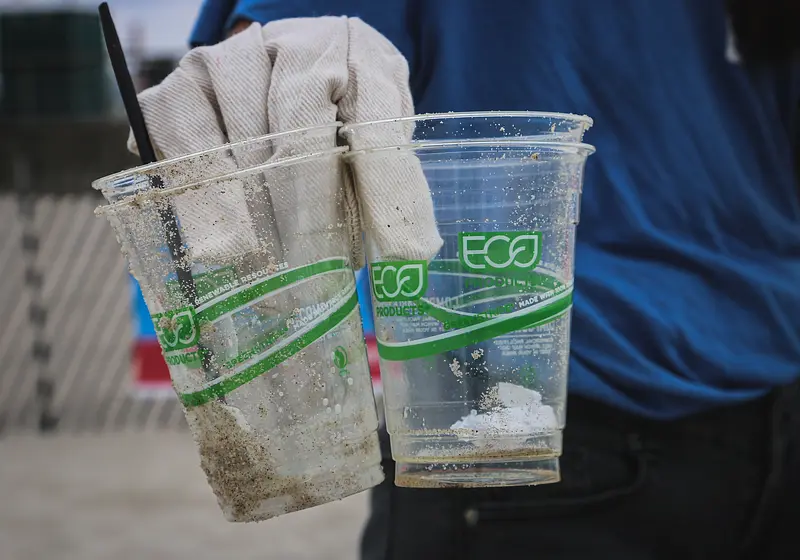






Sustainability is a big deal today, particularly with younger generations who are speaking out more and more about fast fashion, climate change, and eco-friendly living. But how much of what we hear is genuinely impactful, and how much is just hype? Let’s take a closer look at what sustainability actually means, how it’s being practiced or marketed, and whether these initiatives are actually having an impact.
Let us slide into your dms 🥰
Get notified of top trending articles like this one every week! (we won't spam you)Sustainability: Going Beyond the Phrase
While scrolling through social media, what do you see about the Earth and preserving it? Just endless posts about “sustainable” skincare routines, thrifted hauls, or brands that show off their eco-friendly packaging. Sustainability has become one of the hottest topics of our generation: we’ve grown up watching the climate crisis unfold on the news, hearing cautions about melting glaciers, wildfires, and plastic polluting the oceans. The real question, though, is whether or not the things we are told are “sustainable” are actually having an impact.

Image credit: ELG21 from Pixabay
To figure that out, we need to look at the true meaning of sustainability and how we can separate true impact from plain hype.

Take the Quiz: What Candle Scent Matches Your Overall Aesthetic?
Halloween is just around the corner. It's time to light that candle. Take this quiz and find out what candle scent suits you best.
What Sustainability Really Means
The word “sustainability” gets thrown around so much that it almost feels like a trend. At its core, though, sustainability means being able to maintain the resources we use today, while also preserving them for future generations. It’s about balance and taking care of our planet responsibly so its people and economies can thrive no matter when.
That means sustainability is bigger than a tote bag that says “eco-friendly” or a company claiming to plant a tree for every T-shirt they sell. True sustainability looks at how products are being made, how workers are being treated, and how waste is being managed.
Greenwashing
Companies know how much young people care about the environment, so they focus their marketing solely on that. Sometimes, the eco-labels on products are misleading. This is a tactic called greenwashing.

Image credit: stevepb from Pixabay
For example, a fast fashion brand might release a “conscious” clothing line made from “recycled” materials. But if the rest of the company is still mass-producing cheap clothes, underpaying workers, and generating mountains of textile waste, then the tiny “green” collection doesn’t erase the bigger harm.
Greenwashing is dangerous because it makes us feel like progress is being made and makes us neglect the deeper, unchanged problems.
Real Practices That Matter
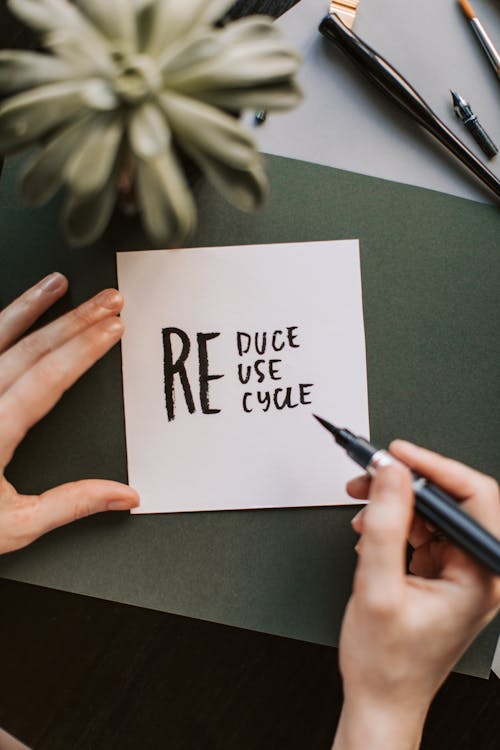
Image credit: Vlada Karpovich from Pexels
If we want to truly make an impact, we need to follow practices that go beyond minor fixes. Here are a few examples:
- Reduce, Reuse, Recycle: Though often repeated a lot, the Three R’s are more than just a slogan; they’re a foundation for building a healthier future for our planet. When practiced consistently, they remind us that true sustainability starts with simple, everyday choices.
- Circular Fashion vs. Fast Fashion: Instead of buying endless new outfits, circular fashion promotes repairing, reusing, reselling, and recycling clothes. Thrifting is part of this, but so is taking care of what you already own, swapping with friends, or supporting brands that design clothes to last.
- Renewable Energy Use: Shifting toward renewable energy (solar, wind, geothermal) addresses the issue of carbon at its source by reducing greenhouse gas emissions in the first place.
- Local and Seasonal Eating: Eating strawberries in January might seem normal, but those berries likely traveled thousands of miles to reach you. Choosing seasonal and local produce lowers carbon emissions from transportation and supports regional farmers.
- Buy Less New Stuff: Instead of just buying new things, we can share, swap, or donate!
- Ask Questions: When we buy something, let’s ask ourselves where it comes from and if it was made with kindness.
Why Small Choices Still Matter
Some people argue that individual actions, like using metal straws or public transport, don’t matter compared to the pollution caused by giant corporations. While it may be true (historically, about 80 companies have been responsible for over 70% of global fossil fuel and cement CO2 emissions), that doesn’t mean our choices are meaningless.

Photo credit: Phil Hearing from Unsplash
So, we must…
- ditch single-use plastics
- demand sustainable fashion
- support truly sustainable businesses and refuse to support harmful ones
- compost
- choose public transportation or biking whenever possible
- avoid eating meat
It’s not either/or: we need both individual action and systemic change.
True Impact Beyond Words
At the end of the day, sustainability isn’t about slogans or trends online. It’s about responsibility: choosing to live in a way that respects the limits of our planet and the dignity of its people. For our generation, the challenge is not only to care (since we already do) but to think critically about what we support, and to channel our passion into action that goes beyond surface fixes.

Image credit: Kier in Sight Archives from Unsplash
With some changes to our daily habits and actions, our generation can help secure a sustainable life for the future. We must all implement these ways to meet our needs so that our future generations can inherit a healthier and greener planet.
And maybe the most sustainable thing of all would be not just following the crowds, but questioning them and instead, making sure that when we say we want a better future, we’re actually building one.