





When you know that 57% of Gen Z Americans are running side hustles, compared to just 21% of boomers, the natural reaction is to be impressed by our entrepreneurial drive. But if you actually take a minute to research why we're doing it, then the reality is quite different. Aashna Doshi, a software engineer at Google (one of the most sought-after companies to work for in the world), still makes podcasts on the side.
It's not because she wants to be a social media star. It's because, as she puts it, the job market is "cooked. You might have a job today. The next day, you might be laid off."
That's not ambition. That's a red flag.
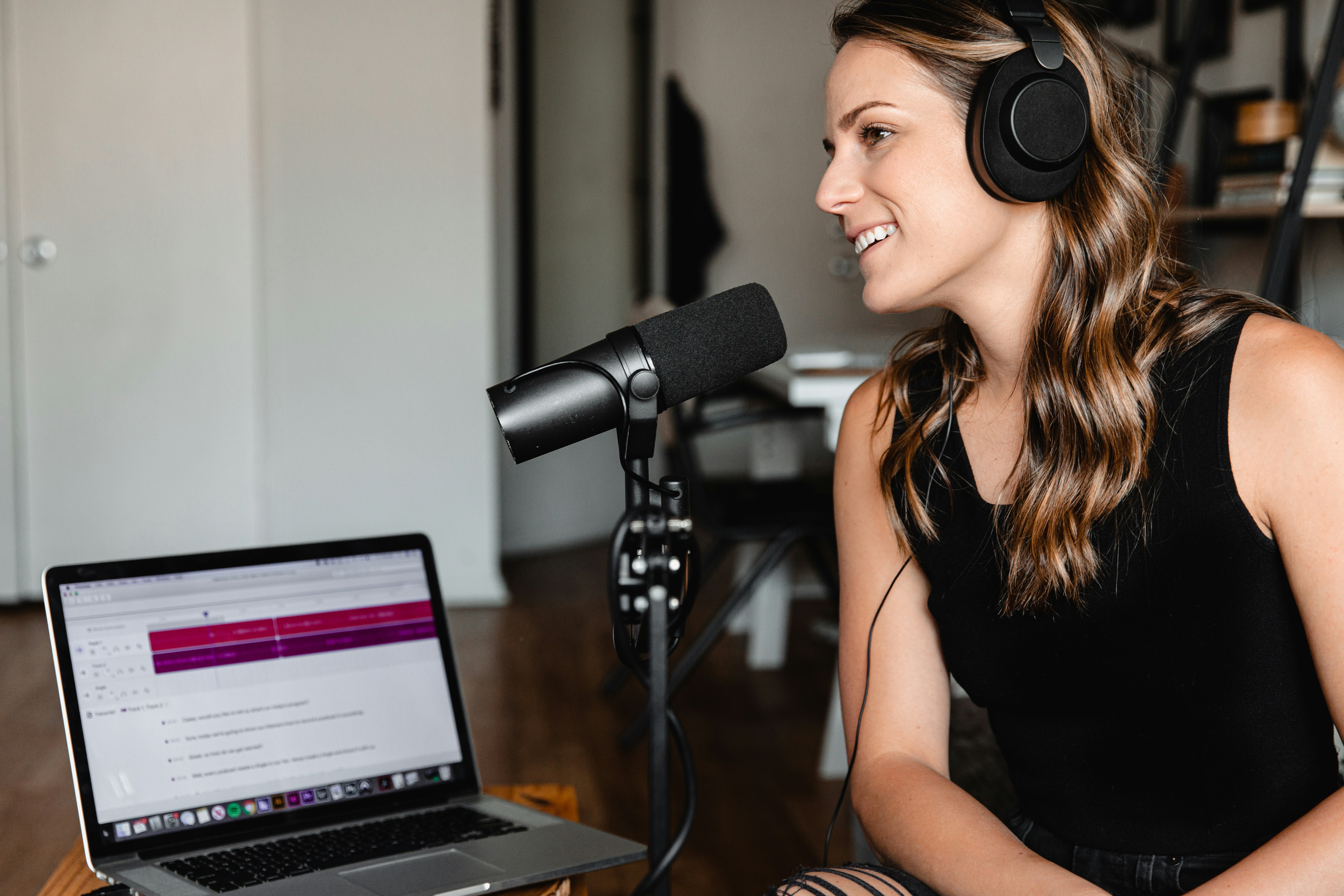
Image Credit: Soundtrap on Unsplash
Let us slide into your dms 🥰
Get notified of top trending articles like this one every week! (we won't spam you)The Rebranding of Fear
Every generation invents its own vocabulary to survive. Gen Z has made our money anxiety its own aesthetic. We use terms like "Multiple income streams." "Portfolio careers." "Building in public." When we're hustling, these phrases all seem cheeky. But Mark Valentino, president of Citizens Bank, remarks: "[Gen Z] saw their parents struggle and concluded they don't believe they can achieve the same financial success as previous generations."
Let's repeat that. What drives our attitude toward work isn't just hunger and ambition. We are actually mourning. Gen Z has seen the steep ladder their parents climbed, and even now, that's out of reach.
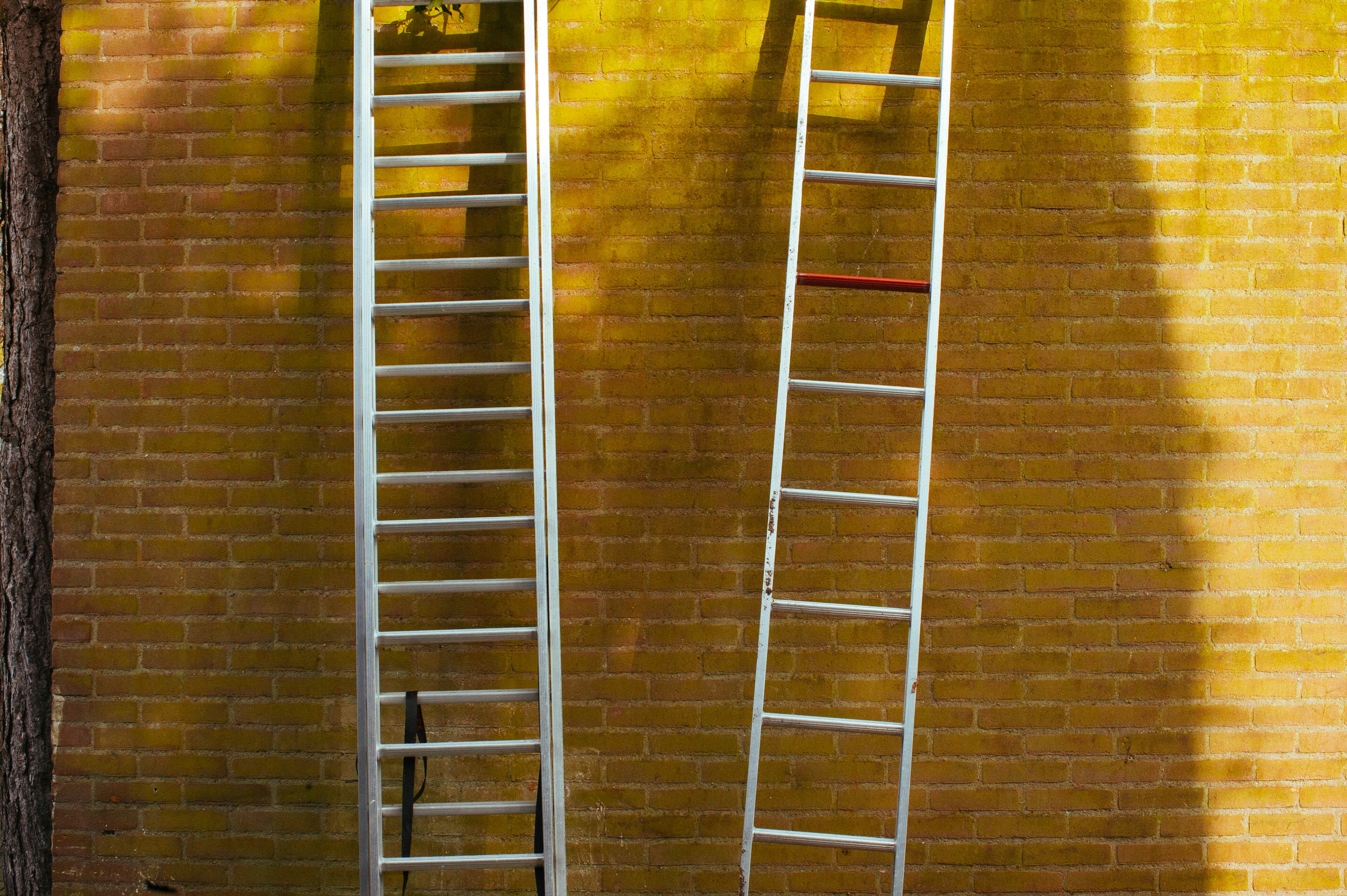
Image Credit: haoGraphic design wu on Unsplash


Take the Quiz: Religion, Schools, and Equality
Religion in Schools: Teaching Respect, Not Bias.
When Everything Becomes a Transaction
What's new (and scary) about the hustle of our generation isn't the amount of hustle. It's the extent to which it's becoming second nature. In past generations, there was a clear distinction between work and downtime.
Suggesting a restaurant to someone was just being a good friend. Sharing what you did on the weekend was just making small talk.
For Gen Z, the boundary has been erased to the point where we can't even see where it was. Platforms like ShopMy and LTK turn friend suggestions into affiliate income. Professor Jay Sinha of Temple University writes that to Gen Z, inserting an affiliate link in a casual post is second nature. It's instinctual.
And then there's the data economy. Some Gen Zers are now selling their data to Verb.AI for $50 a month. In other words, we're renting out our digital selves.
Axios calls it "the new selling of plasma." But the comparison might be more fitting than we realize. Plasma selling has long been the unsung measure of an economy's pressure. People sell blood plasma because they have no choice. It's not something they actually want to do.
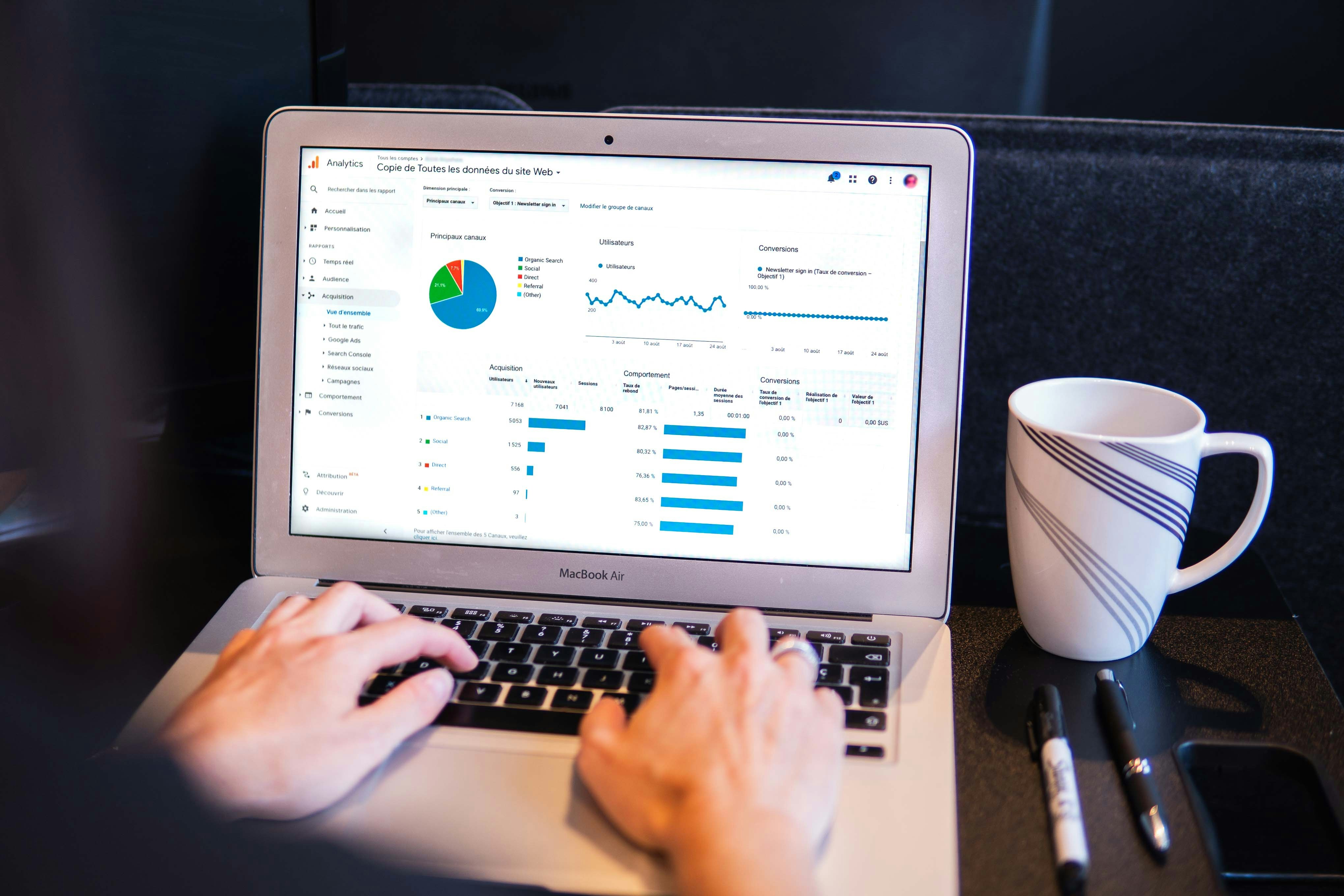
Image Credit: Myriam Jessier on Unsplash
The Moral Math of Survival
Hailie Anderson is a 21-year-old who manages close to 50 Airbnb arbitrage properties. Arbitrage means scoring an apartment, listing it for a higher price, and making a profit on the difference. But when asked about the ethics of it all, Hailie responds with a philosophical shrug: "There’s a point where I don't feel too bad about it...Every single business is hurting something somewhere."
Call Hailie callous if you will. But what it shows is the surrender of someone who hasn't yet determined whether the harm she's causing is irrelevant. But what she has determined is that the system can't be fixed, so she has to take matters into her own hands.
This is the perspective of someone who's done the math and realized the balance is missing and will be for the foreseeable future. And this math is the reality of millions of Gen Z.
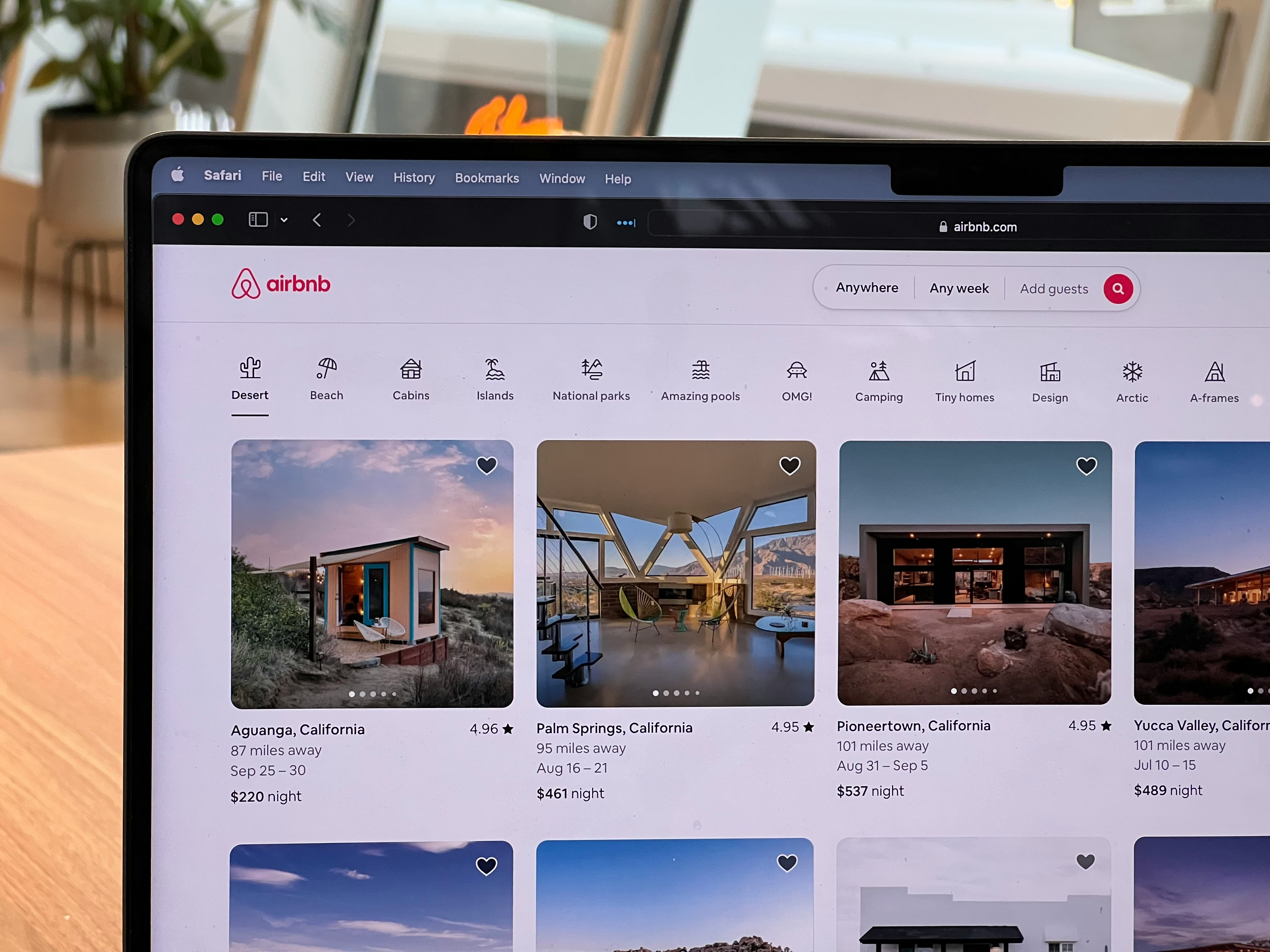
Image Credit: Oberon Copeland @veryinformed.com on Unsplash
What We Actually Built
The low-key truth behind all the noise: Gen Z didn’t create hustle culture.
We inherited an economy where a single salary doesn't cover our rent. We work in a world where company loyalty has no value, but employee loyalty is still demanded. We live in a world where a global pandemic can eliminate jobs in an instant, and an AI might do the same in our very near future. And instead of confronting and fixing the harsh realities of the economy, older generations just celebrate Gen Z as flexible, entrepreneurial, and innovative.
The side hustle myth has been one of the most well-crafted gaslights the economy has ever seen. It's turned the system's failure into a virtue. If you can't pay the rent with one salary, you're not underpaid.
You're just not diversified enough. If you sell your behavioral data to corporations, you're not living in a dystopian nightmare. You're just strategic. If you convert an apartment complex into an illegal hotel and displace residents in the neighborhood, you're not part of the housing crisis. You're just a young innovator.

Image Credit: Garrhet Sampson on Unsplash
So, What’s Next?
This isn't a judgment on the value of side gigs or a prescription that Gen Z should avoid them. In the economy we live in, having multiple sources of income makes practical sense. Freelancing, content creation, tutoring, and even gig work can be a source of stability when corporate loyalty is a myth, and layoffs happen on the regular.
But there's a cost to giving full homage to the hustle, and it's worth acknowledging. When every relationship can be a source of affiliate income, every weekend can be spent on content creation, and your personal data can be a source of income, then it's not just about making money. It is about remaking your life to accommodate economic exploitation. You may start to think of every human interaction as a transaction waiting to happen.
Gen Z grew up on "do what you love," now gets a different deal: "monetize what you love" or risk falling behind. It's not the same thing at all.
We understand this. We're not buying what the previous generation was selling. We're simply doing what every other generation does when the world they were sold doesn't materialize. We're reconciling, adapting, and making peace with our current reality.
