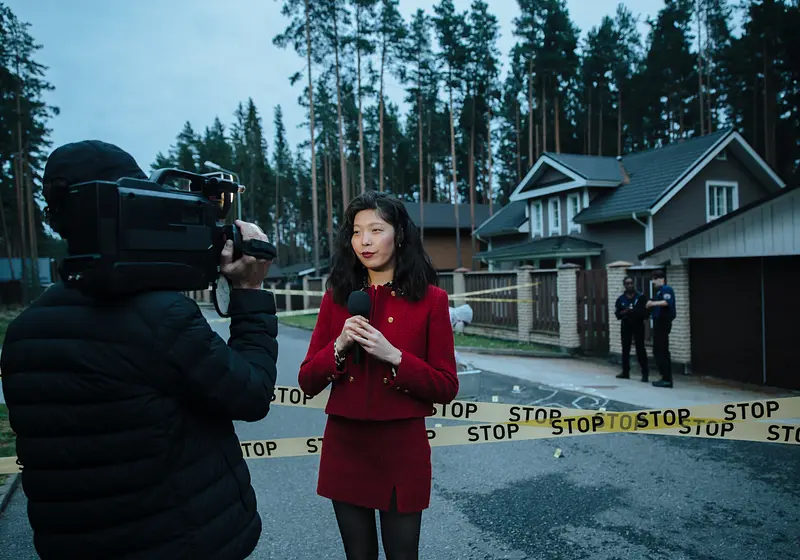





It begins with that 'ping' on your phone. Maybe a friend, or your favourite podcast announcing another episode about the Long Island Serial Killer, or the Epstein Files. You think to yourself, "Just one video. Just one episode." And suddenly, you glance at the clock, and it's 4 AM..wait, what? You could've sworn it was your bedtime, like an hour back.
Believe me, it's a universal experience. You lose track of time, and well, pretty much everything around you. Suddenly, you're up re-tracing every step, every moment of the victim of the case you heard about. 10 different tabs are open on your browser, and you're already following police records, phone calls, and decoding messages like you're the lead officer on the case to catch the Zodiac.
Welcome to the world of true crime, where you find yourself in the never-ending spiderwebs of scenarios, and you're the one who keeps spinning them. If this sounds familiar, you're in crowded company. True crime is one of Gen Z's biggest forms of media consumption. But what is making the generation known for advocating mental health and justice crave this kind of media consumption?
Let us slide into your dms 🥰
Get notified of top trending articles like this one every week! (we won't spam you)Why We Can't Look Away
It can't exactly be shocking that a generation raised by the internet gravitates towards a topic like true crime. But is it about true crime that draws us in?
- Curiosity as a survival instinct: Gen Z grew up online and has been practically raised by the internet, hyper-aware of the 'stranger danger' and real-world risks. For example, watching a documentary about how an ice-cream truck lures its victims with the facade of a "your friendly local ice-cream man" isn't just entertainment or for gossip; it's watching for the signs and taking notes. (Red flags? Noted.)
- Control in chaos: In a world of climate change, conflicts, inflation, and shaky economies, crime documentaries offer a strange kind of comfort. Most of the time, there's a narrative: a crime, an investigation, an interrogation, evidence, and a resolution (sometimes). And real life? It's rarely ever that neat or orchestrated.
- Digital detectives on duty: Users on platforms like YouTube and Reddit don't just become watchers; they become the people who act and participate actively. Take the case of Gabby Petito (2021), for example—online communities followed and amplified the missing-persons alerts and discovered details that pressured the authorities to act quickly, while submitting over 100 tips to the FBI.
- The thrill without the actual risk: Let's be real: there's a reason why genres like true crime and horror gain a large amount of views and fans. It's the thrill, the adrenaline rush, and the scenarios that get us wondering, "What would I do in that situation?", all from the comfort of our homes through screens.

Image Credit: Jonas Allert on Unsplash

Take the Quiz: What’s Your Secret Superpower? This Quiz Will Reveal Which Singer Icon You Resemble
This fun quiz will unveil your unique qualities and reveal which music icon you resemble the most.
When True Crime Truly Does Good
While many people may see true crime as problematic and violent, true crime, if handled well, can literally save lives. True crime isn't just a source of entertainment or to gain views by using hashtags; over the years, it has proven that when used thoughtfully and wisely, it can do more good than people give it credit for.
- AMBER Alert in the U.S. was first launched in 1996 after 9-year-old Amber Hagerman was abducted and then, unfortunately, killed. Since then, over AMBER Alerts have saved over 1000 children. (amberalert.ojp.gov). These alerts work because the public, sometimes even the media, is engaged—proof that sharing crime stories in the right way, and at the right time, can save lives.
- Sometimes, the storytelling finally centers the attention on the victim, and not just the criminal or the crime itself. While it may not seem much to us, it might mean a lot for the families whose loved ones will be remembered, and help bring light to their cases.
- Documentaries like The Staircase have stirred debates on topics that need attention—bad forensics, falsified confessions, and flaws in judgment. Although those kinds of cases might've stayed unsolved, it highlights the weak spots in the justice system, making the public aware of what's actually going on.
- People are more aware and ready for the possibility of incidents happening, and are more prepared. Self-defence, safety precautions, or just watching out for each other are making a lot of difference in the community.
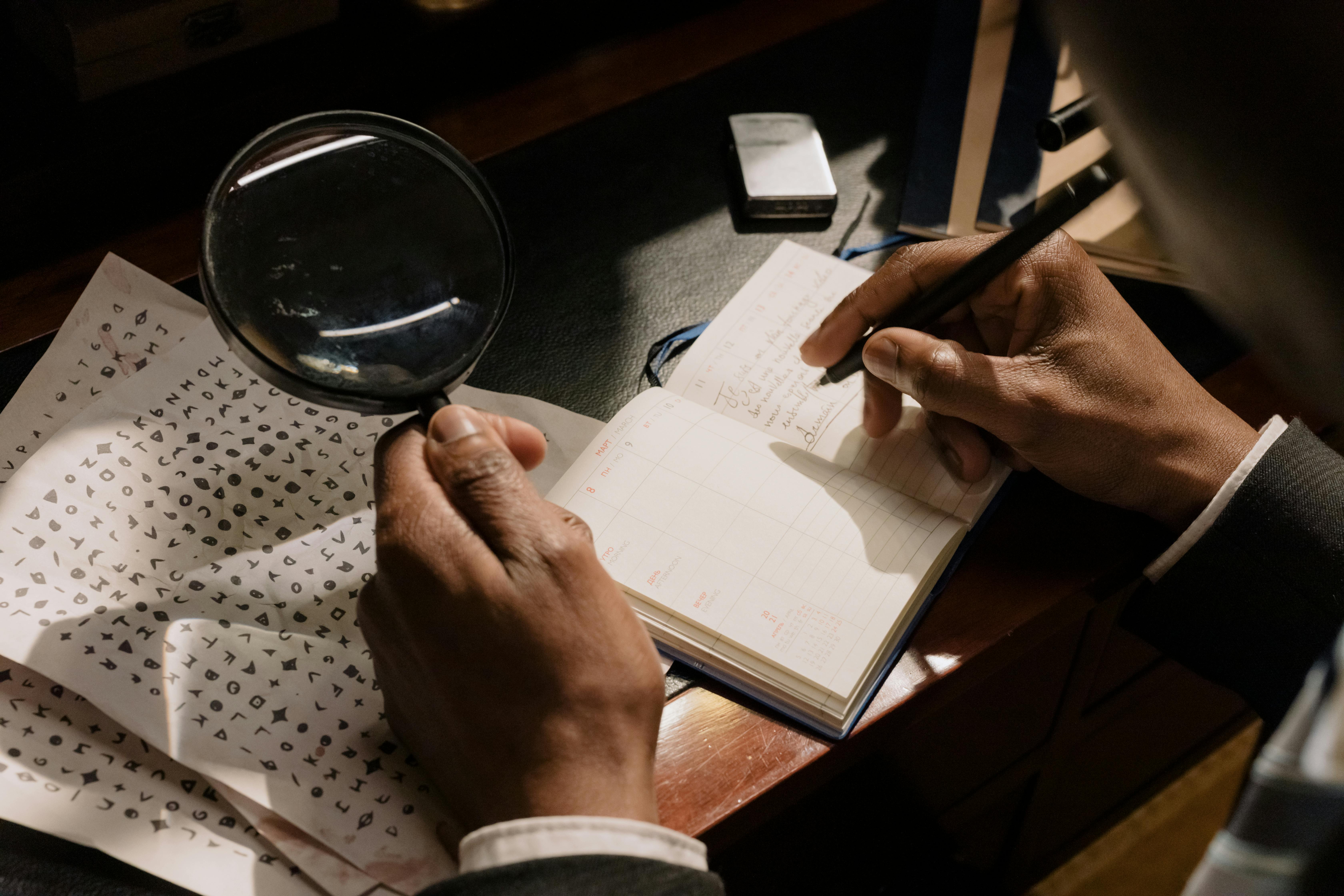
Image Credit: cottonbro studio on Pexels
Where The Line Blurs
While true crime has saved lives, reformed rules, and made people aware, some are forgetting why this genre was introduced in the first place. It's surely a form of media that is consumed across age groups, but its purpose is to spread awareness. The stories of victims and their families are not something to make light of, to romanticize, or to make an aesthetic of.
These are real stories, and victims, survived by real families who have to carry on that pain. The least we can do is be respectful, show empathy to these stories. Because to us, it's just a story, but for the people who have gone through it, it's their life.
Content creators who refer to cases as "my favourite one" or "a case that never sat right with me" need to learn that no true crime case can be favoritized or sit right. Because that misses the entire point of it. Someone's suffering, someone's story, their experiences should be narrated with respect and integrity, and not something to be used for the sole purpose of views and headlines.
Watching a video about Ted Bundy while doing makeup or ASMR whispering case facts will get views, but the victim's humanity is chipped. Making "quirky" thumbnails, rushing to make a video before the case is even investigated will do no help to the victim who went through it.
How to Keep It Respectful
You don't have to completely abandon true crime—being mindful of how and what you engage with is what we all need to do. Here are a few ways to keep your curiosity from crossing the line, and all while being respectful and considerate.
- Follow genuine and respectful creators: Creators like Kendall Rae and Stephanie Soo focus more on context and less on the gore. Try watching them as they not only narrate in a good manner, but also have compassion towards the victims and their stories.
- Fact-check your feeds: Avoid gossip-heavy or speculating videos/livestreams. Stick with sources that cite court records, news articles, or credible resources.
- Center the victim, not the criminal: Don't just learn about the crime, learn about the person and their story as well. It's just as important and deserves an equal amount of attention, if not more.
- Use what you learn: Safety is no joke. Don't hesitate to share location on rides, trust your instincts, and don't be afraid of the latter if it means putting yourself and your safety first.
- Draw a line with your humor: Jokes are funny, sometimes a little humor is necessary, but dark humor often crosses a line we don't realize, especially for families or victims who may stumble upon it online. Think before posting anything.
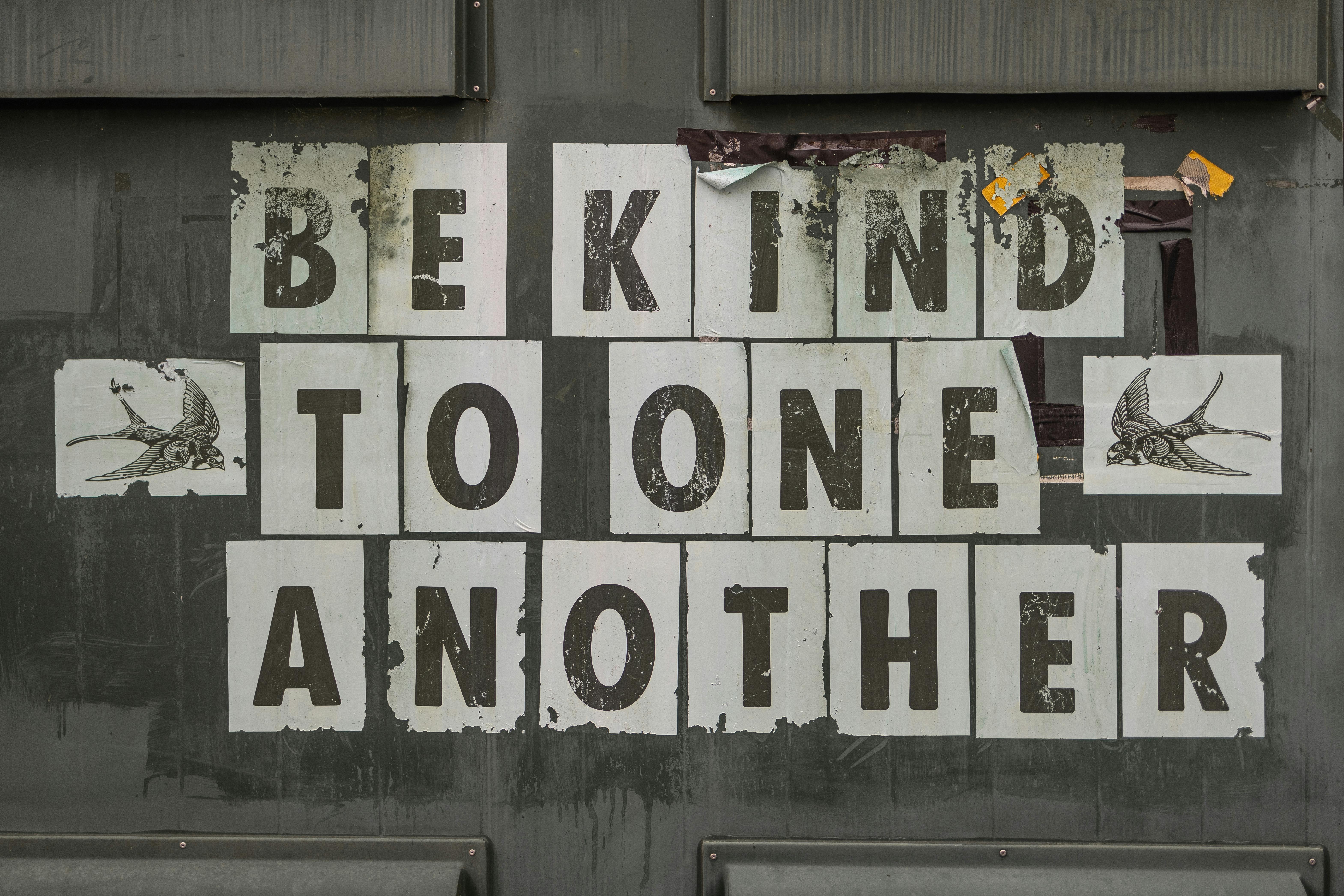
Image Credit: James Frid on Pexels
So...Is It Problematic?
The truth is that it depends. True crime isn't inherently bad. When handled respectfully, it raises awareness, helps solve cases, and teaches about safety. When handled carelessly, it reduces tragedies to bingeable and shareable content.
The obsession isn't itself the real problem—it's whether we watch with empathy or detachment. This genre's power lies in reminding us that behind every headline, every case file, is a human being whose story deserves to be told, to be heard without it being turned into a punchline or a thumbnail.
So keep watching, keep listening...but don't forget to be a little empathetic as well.