





Undocumented youth live in a paradox where they are central to their communities, yet excluded from the protections and opportunities many of their naturalised peers take for granted. Despite this, they continue to resist invisibility, organize for change, and build creative strategies to thrive against legal barriers. Their resilience and daily lives are clear examples of what exemplary citizen activism looks like.
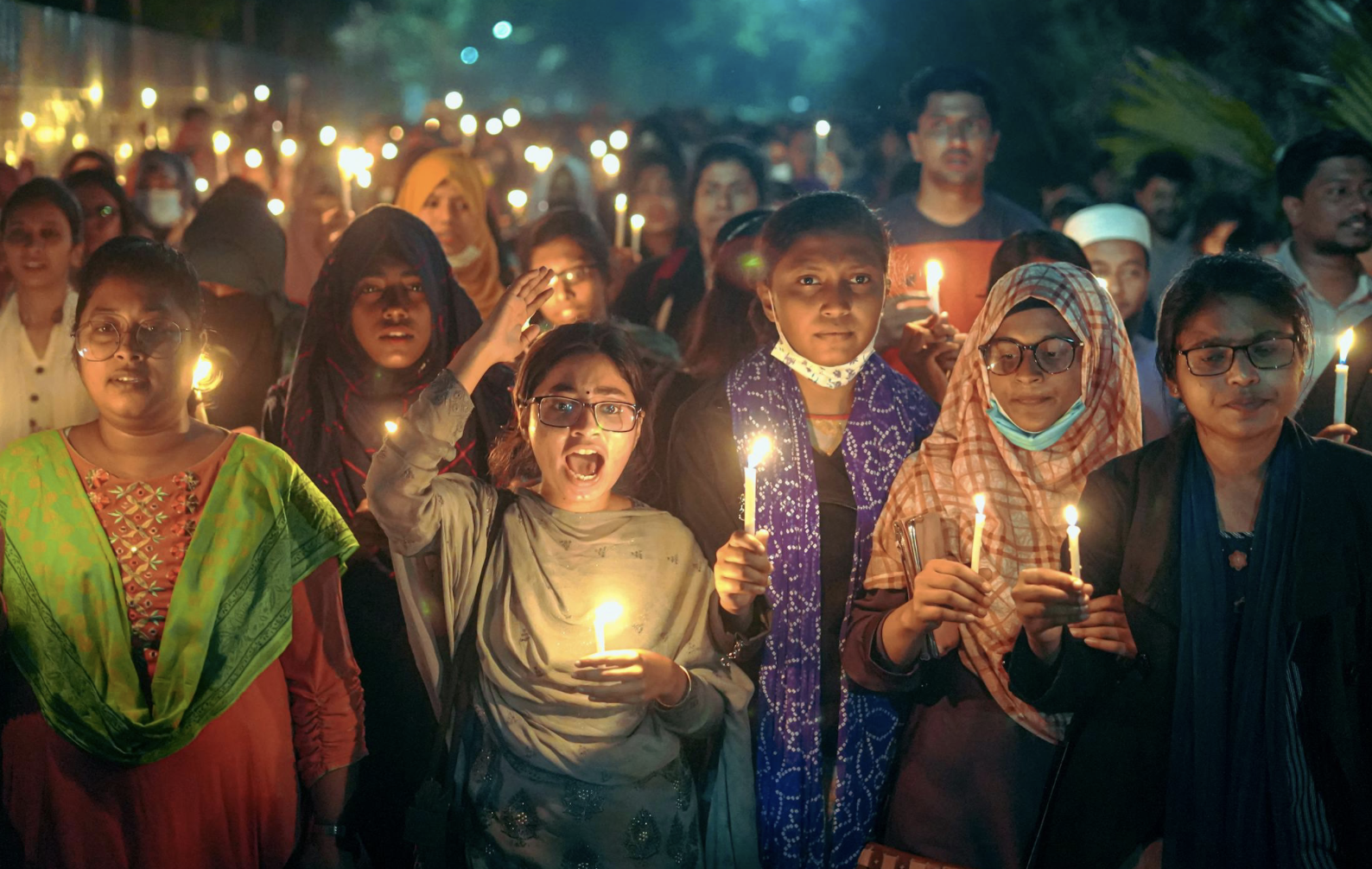
Image Credit: Nahmad Hassan from Pexels
Let us slide into your dms 🥰
Get notified of top trending articles like this one every week! (we won't spam you)From the Grassroots:
Campus: Many undocumented students lead campaigns for tuition equity, scholarships, and access to higher education. For example, student‑led groups in relatively liberal U.S. states like California and New York have successfully lobbied for in‑state tuition rights.
Community: Youth often join or form organizations like United We Dream, which mobilize around immigration reform and deportation defense, forming support groups for peers in similar situations.
Protest: Marches, sit‑ins, and social media campaigns amplify their voices. Sharing personal stories on social media also becomes a political act, humanizing their struggles, and presenting their woes to a wider audience, both drawing attention and raising awareness.

Image Credit: RDNE Stock Project by Pexels

Take the Quiz: Which Studio Ghibli Character Are You?
Are you a brave warrior, a free-spirited dreamer, or a gentle guardian?
The Mental Issues
Chronic stress: Living with the fear of deportation or family separation creates constant anxiety, producing negative emotions and a feeling of hopelessness, common in many undocumented youth.
Identity struggles: Many feel caught between cultures, unable to fully claim belonging in either, for example Mexicans in America.
Peer isolation: Some hide their status, leading to loneliness and mistrust, forming a complicated psychological relationship with others.
Response: Grassroots groups have created peer‑support networks, mental health workshops, and safe spaces where undocumented youth can share experiences without stigma, co-operating with others to share their fight.
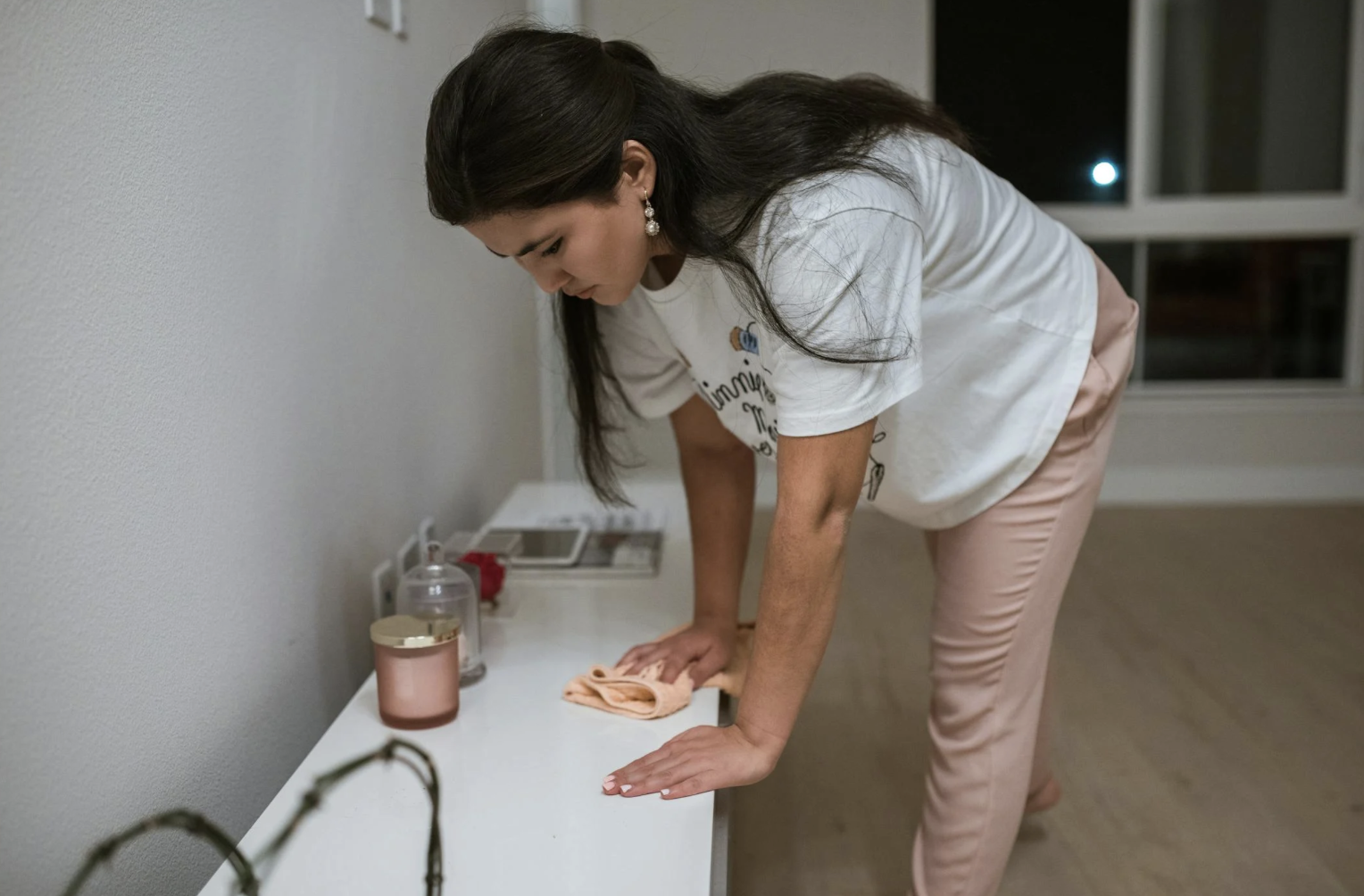
Image Credit: RDNE Stock Project from Pexels
Everyday Lives
Responsibility: Many take on adult responsibilities, like translating documents, working jobs, or caring for siblings, while still in school, making many members of the undocumented community worldwide extremely mature for their age.
Navigating systems: They learn to maneuver through healthcare, education, and employment systems without legal status, often becoming experts in bureaucracy and specific legal loopholes. The sheer difficulties leveraged against them are the exact motivation for their determination to push back against the system.
Solidarity: By helping each other, sharing resources, advice, and emotional support, they resist the isolation imposed by legal limbo, bringing their story out to the spotlight.
Fighting the Good Fight
Undocumented youth are not passive victims of circumstance, instead, they had no choice, with many being born undocumented or arriving not on legal means at a young age without the ability to decide. Their fight is not only about legal recognition, it is about the human dignity, cultural belonging, and the right to a decent life.
For policymakers, the lesson is clear: resilience should not be romanticized as a substitute for rights. No one should have to permanently fight or resist the system their whole lives. Supporting undocumented youth means dismantling existing barriers and amplifying their voices publicly so that their everyday resistance becomes recognized as the foundation of lasting change, presenting immediate change for their status and future.