





You know that moment when you open TikTok just to "relax for five minutes," and suddenly you're learning about elections, Hollywood celebrity dramas, world crises, and some random stuff from across the planet?
It feels like news just finds us now; we don't even look for it. A fifteen-second video explains a whole conflict, and a random creator becomes your "news source" without you even noticing. And honestly, I get why we rely on it.
It's fast, it's fun, and it feels like the whole world fits into our phones. But the more we get used to these short videos on social media, the clearer it becomes: no app, no influencer can replace the honesty and real storytelling that journalism gives us.
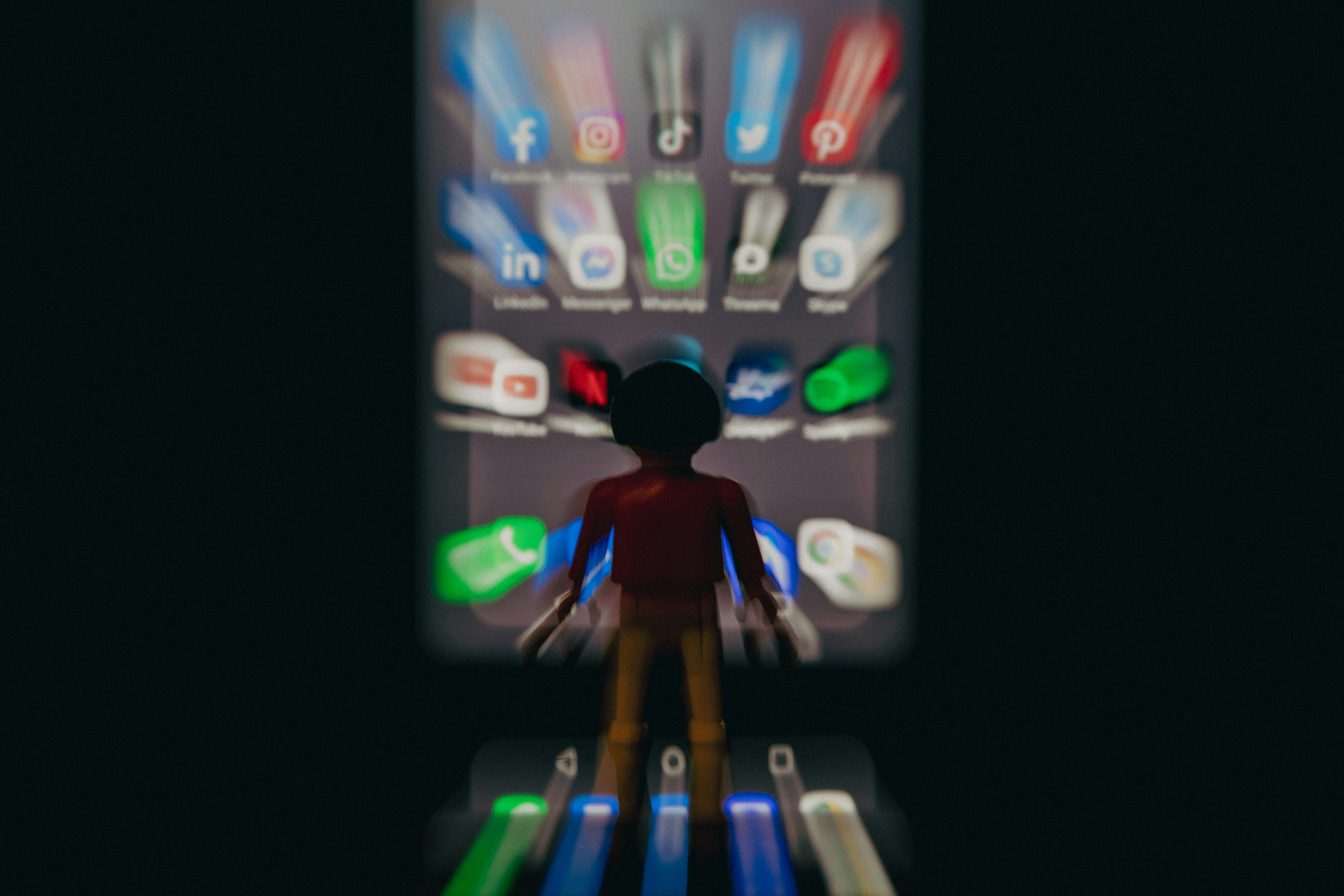
Photo by Florian Schmetz on Unsplash
Let us slide into your dms 🥰
Get notified of top trending articles like this one every week! (we won't spam you)

Take the Quiz: Which Crumbl Cookie Are You?
Find out which one of these calorie-dense cookies you are!
The Problem With 15-Second 'Truths.'
Sometimes it seems like these 15-second videos have replaced basically everything. You just scroll through your feed, see a couple of eye-catching headings with all the drama, and think you've got it. But that's not true.
These shortcut videos only show a small part of the whole situation, the most "emotional" one, to keep everyone watching interested, of course. We react immediately, sending it to everyone and discussing it online without knowing the real and full situation. And that's why I don't like the trend about shortcut videos: we immediately receive emotions, not real information.
In the summer, in June 2025, there was an investigation by "The Guardian" on TikTok about those very trending 'mental health' and various health life hacks, tips videos. Their investigation revealed that more than half of the most popular TikTok videos about mental health contained misinformation and presented a significant risk to users struggling with complex conditions. Users turned to the social media platform for instant relief and solutions to treat their trauma, depression, and anxiety, and they ended up feeling more stressed after taking the advice.
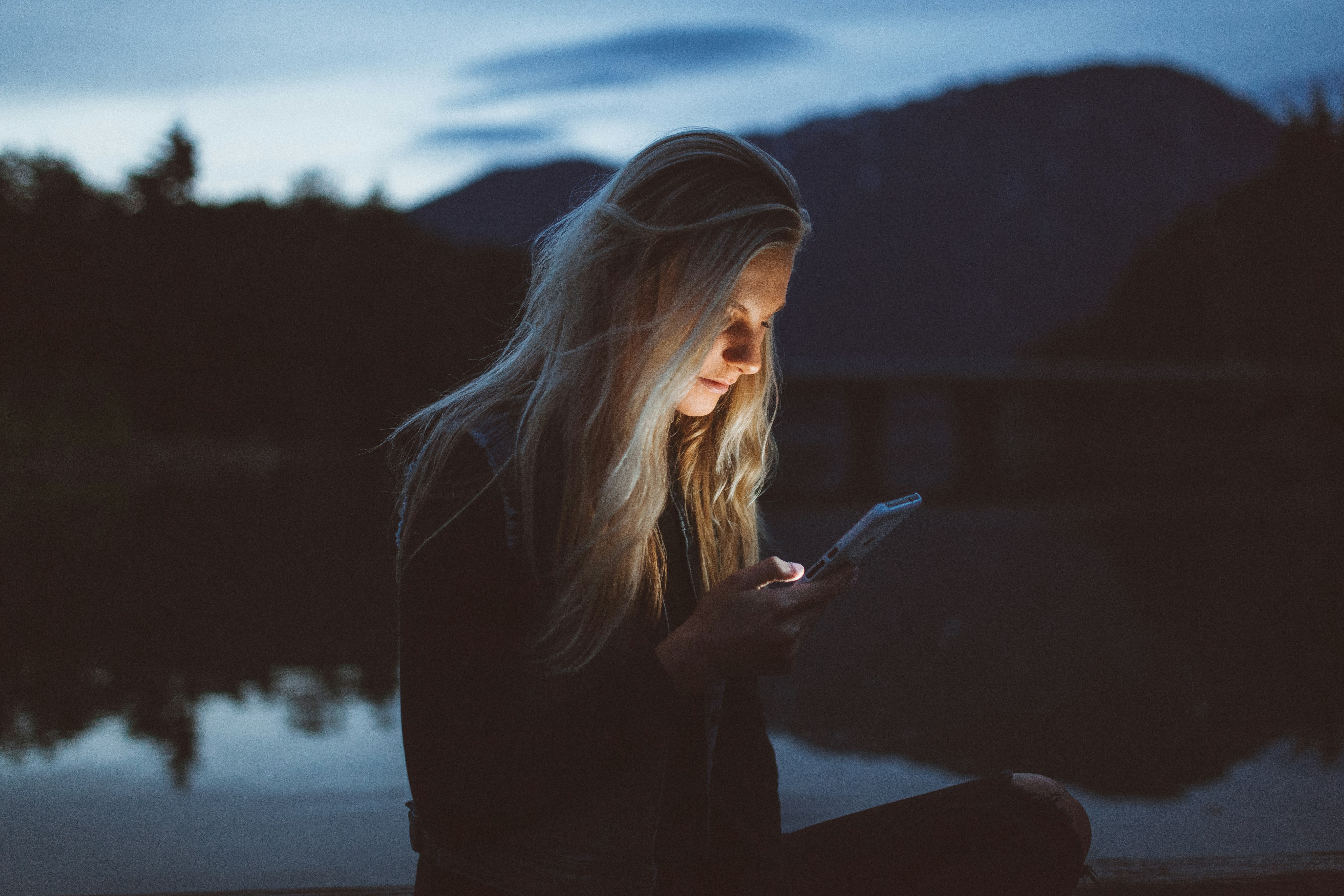
Photo by Becca Tapert on Unsplash
Fast Feeds, Slow Understanding
Nowadays, news comes and goes so quickly that we don't even know which ones are fake and which are true. People present the same event in different ways on social media: as a meme, some record videos, and some people enjoy reading the news. I really believe that it influences us: it shapes our opinion, controls our reactions and emotions, and even forces us to discuss it.
News used to come from newspapers, TV, or websites - verified sources, facts, and journalists. Now, virtual reality is being priority, and many people get their information from TikTok, Instagram, and so on. I believe this is precisely why real journalism, that explains, verifies, and presents the full story, is being lost.
Journalism as the Last Piece of "Real" We Still Need
Yes, TikTok and social media give us news quickly and conveniently, but no technology can tell a story like journalism. Real reports, articles, or interviews show everything: people's real emotions, the details of events. They can make you cry or even think - and most importantly, we know that information is true. When I read or watch the news that is filmed by journalists, I feel a connection, because they live through all the situations and tell you the truth without any adornment.
And most importantly, I believe journalism remains the last piece of "reality" in a world full of memes, gossip, and fake news. Without it, we risk living in a world where emotions are more important than truth, where we believe everything we see online. That's why, even if TikTok can give you news in 15 seconds, journalism still remains invaluable.
Conclusion
In the end, scrolling through quick videos might feel like knowing everything, but real stories really matter. Journalism gives truth, context, and things that no TikTok can ever replace. Remember, real understanding takes more than just a swipe. Pause, read, and think.
