



I stare at my phone screen, scrolling through the endless array of videos. It's another day of reading captions and watching brainrot. I need a refresher, something to actually make me think. I could have a spa day, take a break from social media, or just sleep, but why don't I do something I'm more familiar with?
Hence, I'm guided to my close friend: poetry. A critical craft for poets and a reflective tool for readers—I love poetry. So, why don't I use poetry then?
Instead of being the poet for once, I'll take time out of every day for one week to read a new poem. And after, I'll reflect not only on the poems, but what I learn about myself as well.
Solid plan, right? Well, you're in luck because I did just that! Let's dive into my week!
Let us slide into your dms 🥰
Get notified of top trending articles like this one every week! (we won't spam you)My Week: What I Read
Here's a brief overview of my thoughts and favorite phrases from each day before I get into my reflection!
Day 1: "Aubade with Burning City" by Ocean Vuong
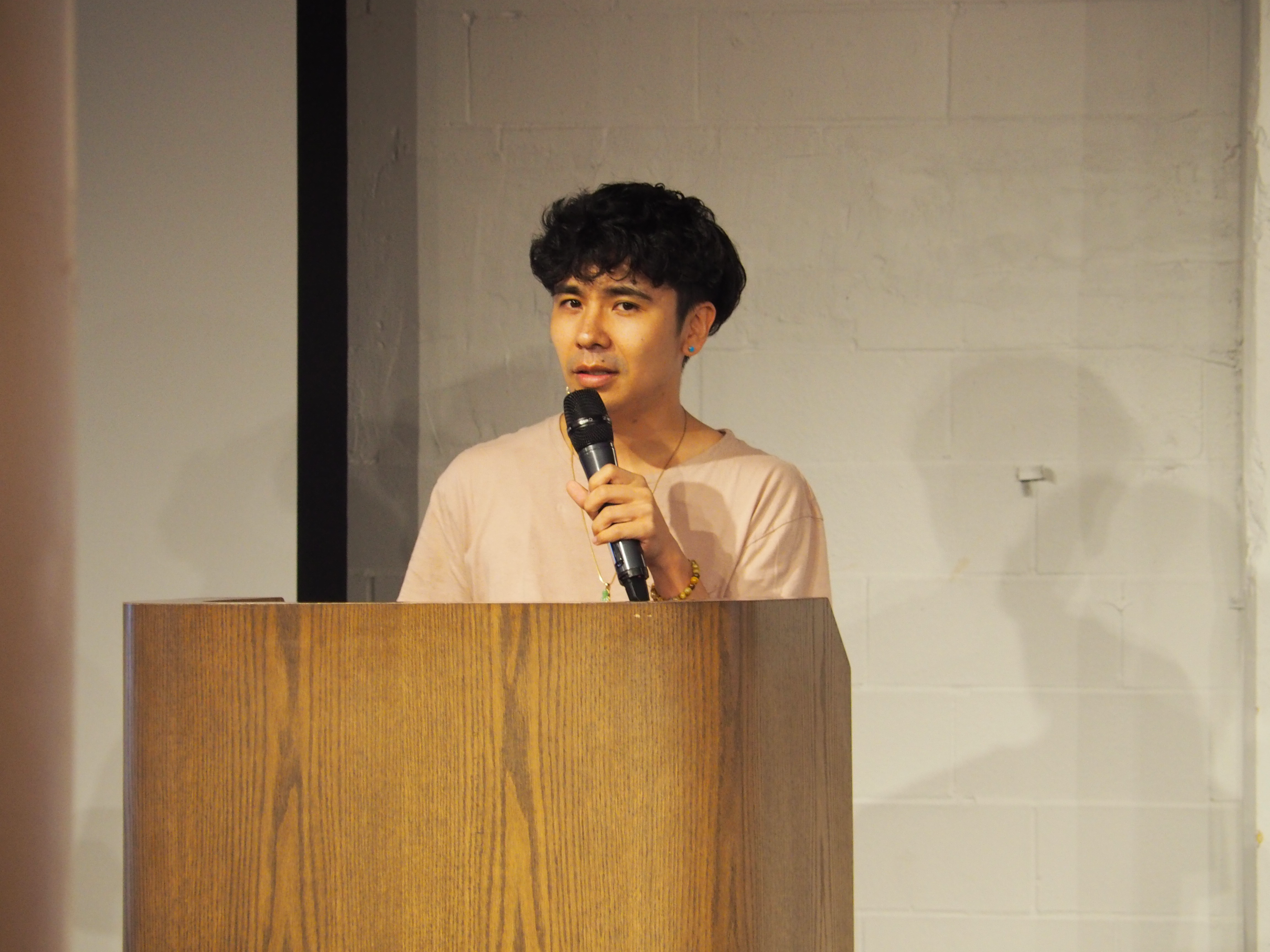
Image Credit: slowking4 from Wikimedia Commons
"Milkflower petals on the street like pieces of a girl's dress."
I began my week with Ocean Vuong as I had wanted to read his poetry for quite some time, and the opening line drew me in right away.
The storytelling and format of this poem told so much in a beautifully descriptive manner, reminding me of how poets search for ways to make even turmoil and war sound so powerful through just their words. From the phrases "a white Christmas," to "snow shredded with gunfire," Ocean Vuong truly does have admirable poetics, writing masterful pieces.
This poem holds a story while creating inspiration in his technique and creativity. I'll definitely be reading more of Ocean Vuong!
Day 2: "The Broken Oar" by Henry Wadsworth Longfellow
"He wrote the words, then lifted up his head,
And flung his useless pen into the sea."
A sonnet I found in The Oxford Book of Sonnets by John Fuller, "The Broken Oar" was written sometime in the late 19th century, featuring a stranded poet obtaining an oar that has an inscription on it.
This poem, simple yet reflective, reminds me of the feeling of uncertainty and weariness, especially when the poet casts his pen out into the sea to end. Why did the poet fling his pen, the very tool he solely uses, into the sea? Maybe because even an oar written with an inscription connects to humanity, illustrating the turmoil they both had received.
I loved this poem, and I found it very insightful, especially if you analyze its numerous themes!
Day 3: "Tristesses de la Lune" (Sadness of the Moon) by Charles Baudelaire
Image Credit: Sina Bahar from Unsplash
"Sur le dos satiné des molles avalanches,
Mourante, elle se livre aux longues pâmoisons,"
Modern Translation:
(On the satin back of soft avalanches,
Dying, she gives herself over to long swoons,)
— Various Translations from Fleurs du mal to English
Written in French, various translations have been written over the years, partly due to it being written in the 19th century and the openness of poetry translations in general. Despite that, this poem is beautifully crafted—whether you read one translation or another—through its descriptive visions.
For reference, I translated this with a modern dictionary and prior French knowledge. Accurate or not, this poem is worthwhile, whether you know French or not!
Day 4: "Let Us Gather in a Flourishing Way" by Juan Felipe Herrera
"Let us gather in a flourishing way
with sunluz grains abriendo los cantos
que cargamos cada día"
Translation:
(Let us gather in a flourishing way
with sunlight grains opening the songs
which we change each day)
My friend translated and showed this poem to me, and I absolutely love it.
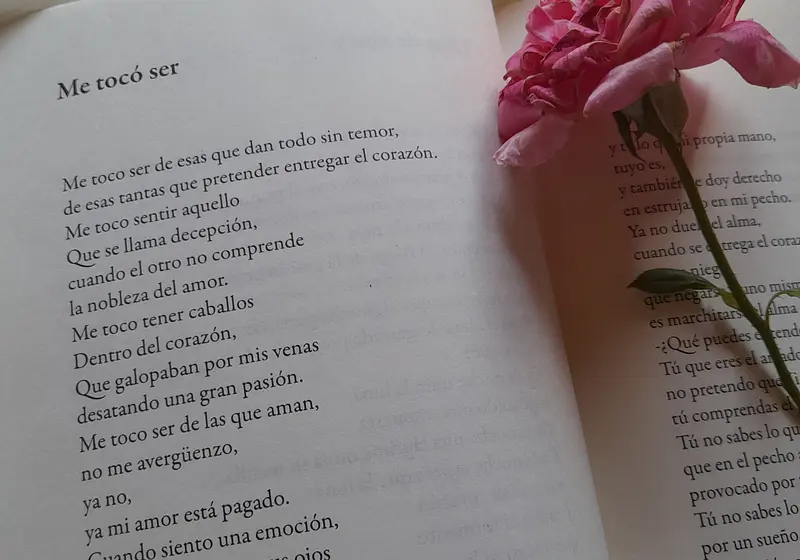
A mix of Spanish and English, this poem highlights coming together in the natural world, using many metaphors and repeating descriptions for rhythm and emphasis. I looked at this analysis after I read it, and it helped me understand the deeper meanings and usage of formatting! I suggest you look at this as well if you decide to read this poem!
Day 5: "Try to Praise the Mutilated World" by Adam Zagajewski
Image Credit: Greg Rosenke from Unsplash
originally written in Polish
"Remember June's long days,
and wild strawberries, drops of rosé wine."
I found this poem while scrolling through Pinterest, and I really adored it!
I think the message of seeing what is around you (even in a poor state of society) is one that needs more acknowledgement. It almost feels nostalgic, in a sense, when Adam Zagajewski describes moments and tangible objects that make up everyday life, and I think we tend to lose sight of what's right in front of us.
And when we lose sight of what makes up everyday, all we see is a poor, mutilated world. At least, that's my take on it! I definitely recommend this poem!
Day 6: "Antilamentation" by Dorianne Laux
"Regret none of it, not one
of the wasted days you wanted to know nothing,"
I also found this poem on Pinterest, and it gives me similar vibes to Day 5's poem with its clear message—regret nothing.
This message really resonated with me because in a way, I agree. I don't want to regret the actions—even the lazy, useless, and nonsensical ones—that brought me to where I am today. I don't want to lament the past; it led me to where I am now.
Day 7: "Burning the Old Year" by Naomi Shihab Nye
Image Credit: Flavius Floare from Unsplash
"So much of any year is flammable,
lists of vegetables, partial poems.
Orange swirling flame of days,
so little is a stone."
On the last day, I found this poem while scrolling through Pinterest (yet again).
I typically don't fancy poetry about the new year or rejuvenation, but this one slides. The claim "so much of any year is flammable" really struck a chord in me, and while some parts of the past can flame up, it leaves absence and the choice of new comings in the present and future.
So, take a look at this poem (even if you're someone like me who doesn't like poems about the new year)!


Take the Quiz: Which Harry Potter Character Are You?
Find out which character matches your personality!
My Reflection
Image Credit: NASA from Unsplash
I Like Looking at World Views
I often found myself looking at world perspectives from war, to self reflection, to even exhaustion and the toll of weariness on a person. I find it interesting to see various views and perspectives—how others see and think of the world and life.
A poet can embody what they write, or they can mold something new to them (as in writing something they have little experience in). A character, a conflict, a message—the more you ingest, the more you see. This is partly why I love reading so much poetry; I see others, I see their varying messages. I see whatever they're writing about through their lens, and what it is to them.
The contrast, in a healthy and respectful manner, is what shapes life.
Descriptiveness is an Ingredient I Love
I've always been told I write in so much detail, too much detail. I didn't think it was a bad thing per say, but it was a comment I always got in regards to my writing since middle school. It was like a bruise painted onto my skin.
The young version of me always filed down my writing into that. It's like whenever a child hears a comment towards them (even if it's meant to be positive), they tend to think it describes them as a whole. In this case, I always thought my writing was just that—descriptive.
Today, I love reading overly descriptive short poems, like haikus. I think this is because I like looking at every little detail in life, being in the moment. I think this thought even appears in my photography, capturing minimalist photos.
I've learned being descriptive is not necessarily a bad thing, it's like the perfect garnish on top of a base. I just need to know when the food is too bland or over-seasoned.
My Voice (and Language in General) is a Powerful Tool
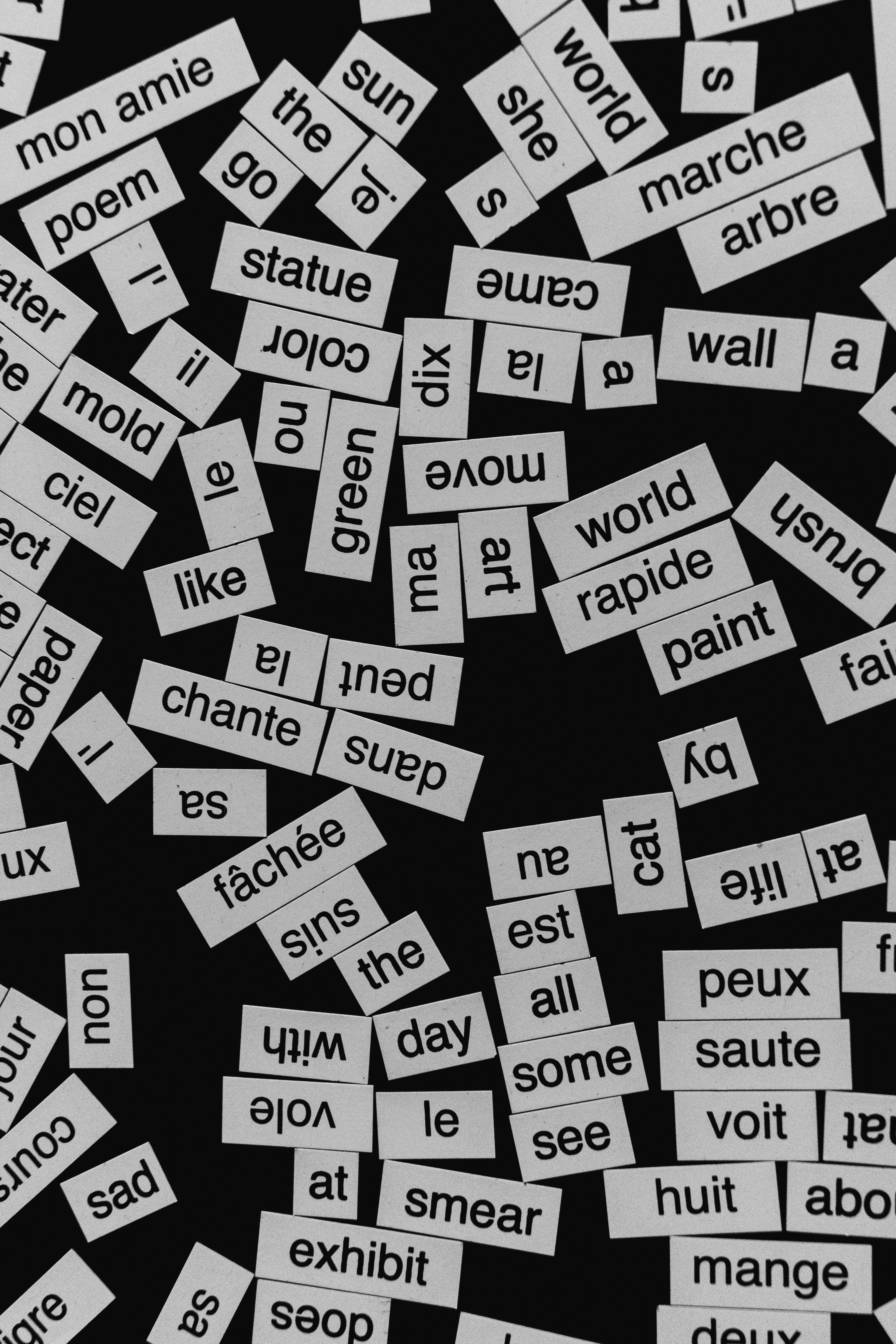
Image Credit: Aedrian Salazar from Unsplash
Hearing speeches, riots, and celebrations sure showcase how powerful a voice can be, but I've always found the most powerful voices in poetry. Although, sometimes a bold singer does come close for me. Maybe that's because music and poetry are more of creative forms? Who knows!
Whenever I read a poem, I see a poet who's selected every phrase, every space, every stanza break, every synonym to curate the vision they see and hear—to reach the reader how they want to. No doubt, people who aren't poets are creating masterpieces in speech (and they have), and they each take their time perfecting their point. Something just hits different reading what a poet wrote.
Hey, there's slam poetry and spoken word for a reason. I think some of the best voices come from poetry. And in general, language is so powerful. It's a craft learning the right words, a tool for educating, and a foundation for instilling even more diversity in the world.
My voice is powerful, and so is yours too.
Final Thoughts
After all that, have you read any of these poems? I think this is your sign to try this out! Who knows, maybe some introspection and reflection will make you realize you are someone different from who you thought you were, and are.


.jpg)



.jpg)