




The first interview I remember clearly wasn’t a disaster, but it sure felt like one. I answered every question politely, nodded at the right times, and tried not to talk too fast. But still, I walked out thinking, that was it? That’s how I’m supposed to prove myself?
I’m naturally shy. I don’t jump into conversations, I don’t love talking about myself, and interviews make all of that worse. Sitting across from someone whose job is literally to judge you is intimidating; especially when you feel like everyone else sounds more confident, more natural, and more impressive.
What I eventually realized is that interviews don’t reward confidence as much as we think they do. They reward clarity. Once I figured out how interviewers actually evaluate people, everything changed.
This article is about how I learned to express confidence in interviews—even when I didn’t feel it—and how shy teens can do the same without changing who they are.
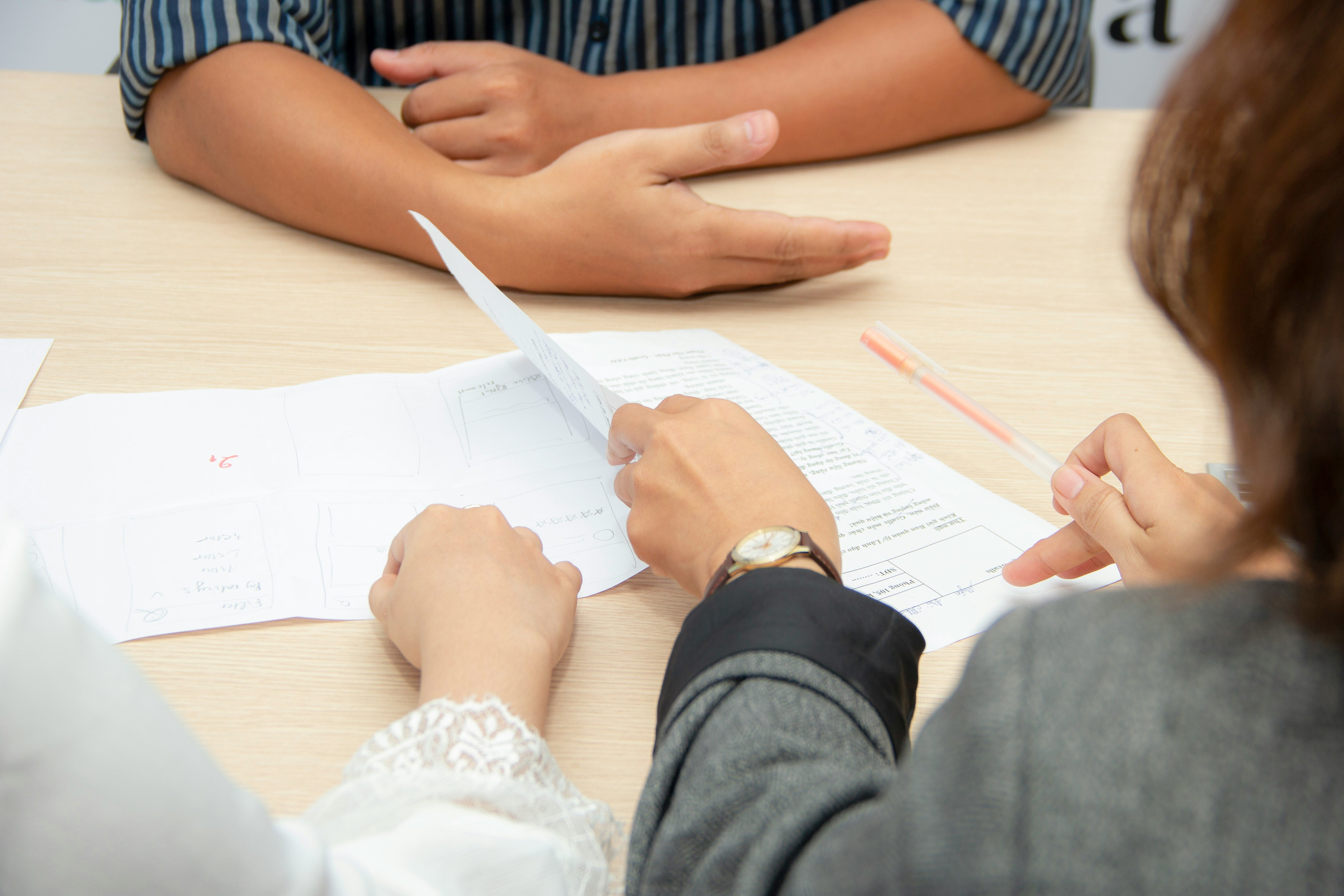
Image Credit: Van Tay Media from Unsplash
Let us slide into your dms 🥰
Get notified of top trending articles like this one every week! (we won't spam you)Why Interviews Feel Worse When You’re Shy
If you’re shy, interviews hit differently.
You’re already hyper-aware of how you sound. You notice every pause, every stumble, every moment where you wish you had phrased something better. Meanwhile, your brain is doing a million things at once: listening, thinking, self-monitoring, and trying not to panic.
The worst part is by far the silence. When an interviewer finishes a question and looks at you expectantly, the silence feels deafening, even if it’s only been two seconds. That pressure makes it easy to ramble, over-explain, or forget what you were going to say entirely.
For a very long time, I assumed this meant I was just bad at interviews.
I was wrong.


Take the Quiz: What Hobby Should You Try Out?
Find a new hobby to try out!!!
The Biggest Lie About Interviews
Here’s the truth that changed everything for me. Interviewers don't measure confidence, they measure clarity.
They want to know:
- Can you explain your thoughts clearly?
- Do you understand what you’re talking about?
- Can you listen and respond thoughtfully?
Being loud, charismatic, or overly enthusiastic doesn’t automatically make someone a strong interviewer. In fact, rambling or overselling yourself can work against you. Once I stopped trying to sound confident and focused on being clear, interviews became much easier to handle.
What “Faking Confidence” Actually Means
When people say “fake confidence,” it doesn’t mean pretending to be someone you’re not. It means controlling a few visible behaviors that interviewers subconsciously associate with competence.
For me, that looked like:
- Speaking slower than what I felt was natural
- Giving shorter answers instead of filling silence
- Pausing before responding instead of jumping in immediately
At first, these pauses felt awkward. In my head, it seemed like everyone could hear my nerves. But what I learned is that pauses actually make you sound more thoughtful, not less prepared.
Confidence, in interviews, often comes down to restraint.
How I Answer Questions When My Mind Goes Blank
One of my biggest fears used to be blanking mid interview. You know how it feels. It's those times when you understand the question, but your brain suddenly refuses to organize the answer.
I eventually started to use a simple reset strategy to fix this issue. Whenever I needed time to answer a question, I’d repeat part of the question back. I'd say something like “That’s a good question.
I think what I’ve learned from that experience is…”. That one sentence buys you a few seconds to think, and more importantly, it signals to the interviewer that you’re engaged and processing.
I also stopped aiming for perfect answers. Instead of trying to say everything, I focused on saying one clear thing well. Surprisingly, this made my answers stronger and easier to follow.
The One Time I Brought Proof Instead of Confidence
The biggest turning point for me came during an interview for a board position in my school’s STEM Research Club.
I knew I wasn’t going to be the loudest or most charismatic person in the room. So instead of trying to sell myself verbally, I brought something tangible. I created a draft organization planner for the upcoming school year.
It wasn’t polished, it wasn’t flashy, and I didn’t even present it dramatically. I just said something like, “I brought a rough outline of how I think the club could be structured next year, in case it’s helpful.”
The shift in the interview was immediate. The interview stopped feeling like a test and started feeling like a discussion. They asked questions about the planner, gave feedback, and referenced it later in the conversation. Suddenly, I wasn’t just talking about what I could do, I was showing it.
That experience taught me something super important. When you’re shy, showing beats explaining.
A deliverable gives interviewers something concrete to react to. It shifts attention away from how you sound and toward what you’ve done. And it proves your competence without forcing you to oversell yourself.
Why This Works Especially Well for Shy People
Bringing proof, whether it’s a planner, portfolio, outline, or example, takes pressure off your personality. You don’t have to dominate the conversation. Instead, the work speaks for you.
It also reframes the interview. Instead of “Why should we choose you?”, the question becomes “How did you think through this?” That’s a much easier place to operate from if you’re naturally reserved.
You don’t need a deliverable for every interview. But when you can include one, it’s one of the most effective ways to stand out quietly.

Image Credit: Mina Rad from Unsplash
What Helped Me the Most Overall
If I had to pick one thing that made the biggest difference, it was practicing answers out loud. Not scripting them but getting comfortable hearing my own voice say them.
In your head, answers sound perfect. Out loud, they come out different. Practicing my answers out loud helped me shorten my responses, notice where I was rambling, and feel less surprised by my own voice during interviews.
It didn’t make me confident, it made me familiar, and familiarity reduces anxiety.
Final Thoughts
Being shy doesn’t mean you’re bound to be bad at interviews. It just means you need a different strategy.
Interviews don’t reward the loudest person in the room. They reward the person who communicates clearly, listens well, and shows proof of their thinking.
You don’t need to become more outgoing. You don’t need to fake a personality that isn’t yours. You just need to learn how interviews actually work and play that game intelligently.
And once you do, being shy stops feeling like a disadvantage.
