








How would you define reading? Is it flipping through pages in a paperback, holding a hardcover, or scrolling on a Kindle screen? With the rise of audiobooks in the past five years, a new question has emerged in the book world: Do audiobooks count as reading?
As an avid reader, I used to be think the answer was no. Audiobooks felt like a shortcut, like cheating. I didn't think they counted.
But then I started thinking about why we read in the first place. We read to learn, to immerse ourselves in stories, to explore new ideas and new perspectives. Reading, in its most basic form, is just absorbing content.
So if that's the purpose of reading, then why would listening to a book not count?
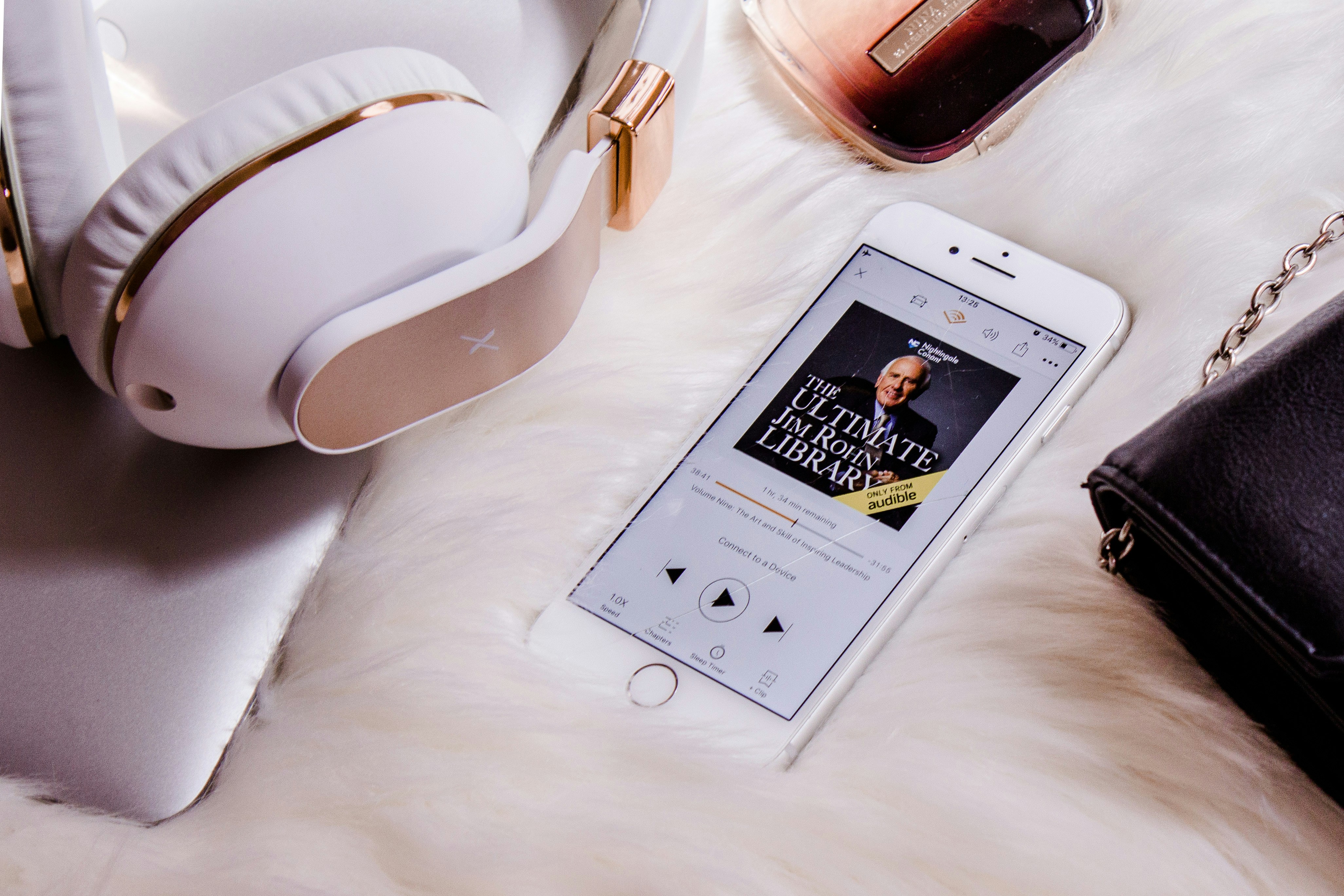
Photo by Lena Kudryavtseva on Unsplash
This summer, I listened to five audiobooks: four non-fiction and one fiction. As an auditory learner, I found this format incredibly helpful. For example, when I listened to How Fascism Works by Jason Stanley with my AirPods in, I was able to fully absorb the author's arguments without the distraction of flipping pages.
On a short road trip, after playing 1989, (Taylor's Version) twice, I pulled up another audiobook and finished half of it before we even reached our destination. It turned out to be a great way to pass the time.
Sure, if you want to classify reading as using your eyes to follow words on a page, you can say that, but that's a pretty narrow definition. In a very heated debate with my family, my dad argued that reading has to do with your 'eyes'. But what about people who are blind and can only read through Braille?
They read with their hands. Does that mean it's not "real" reading? Of course, it's reading. In fact, saying otherwise isn't just wrong, it's ableist.
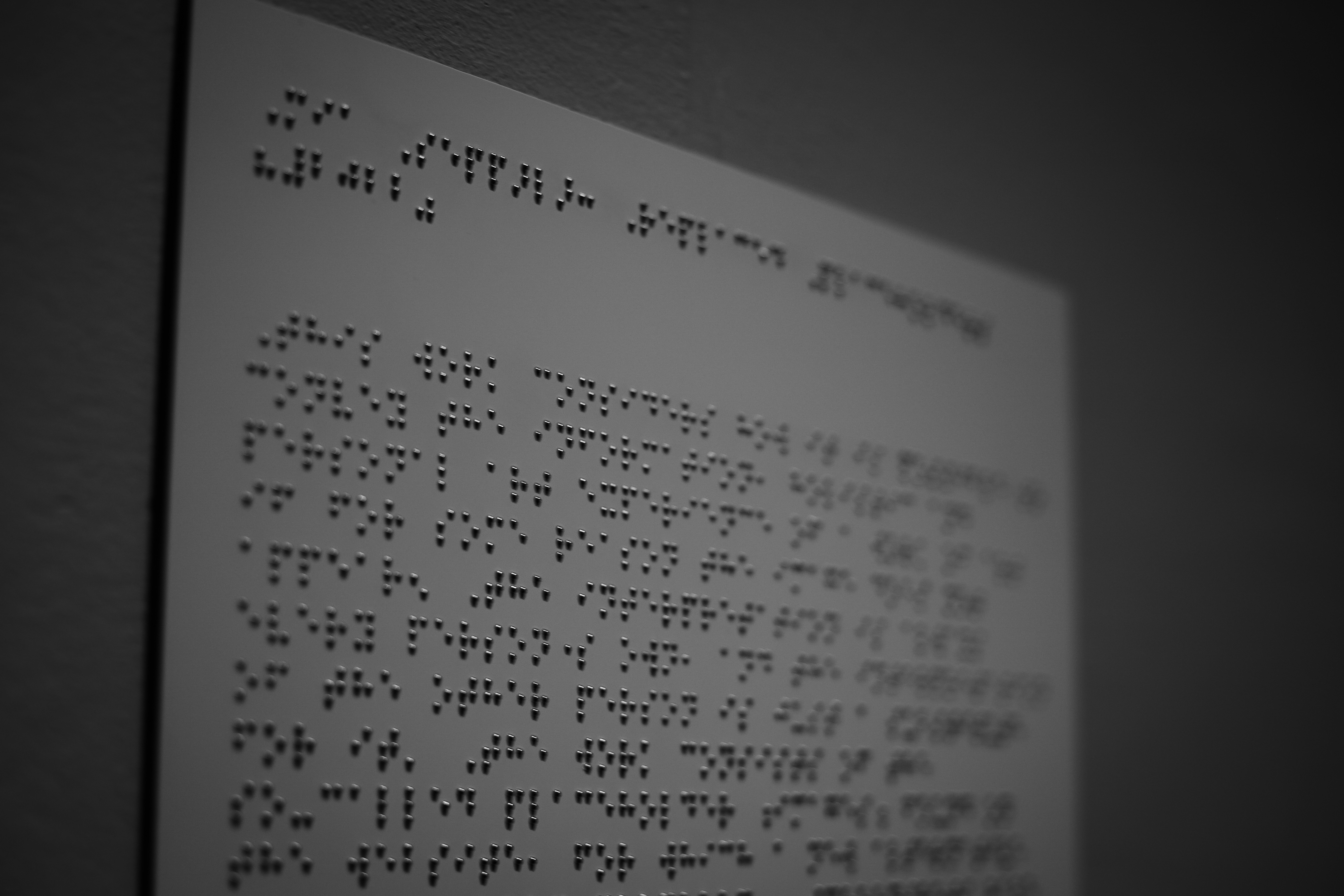
To truly define reading, we need a more inclusive understanding of what it is. Reading can happen through multiple senses: your sight to see the words, your hands to feel the words, and your ears to hear the words.
Another common argument is that reading is a form of 'work', and that by listening instead of physically reading, you're somehow skipping the effort and diminishing the value of the work reading takes. I'll admit, reading can be a lot of work. Whether it's pushing through a dense U.S. government textbook or navigating the beautiful but challenging prose of a Toni Morrison novel, it often takes focus and persistence. I will be the first to say there is nothing better than seeing "acknowledgments" at the end of a book and being able to close it shut, feeling the satisfaction of knowing you made it through every single page.
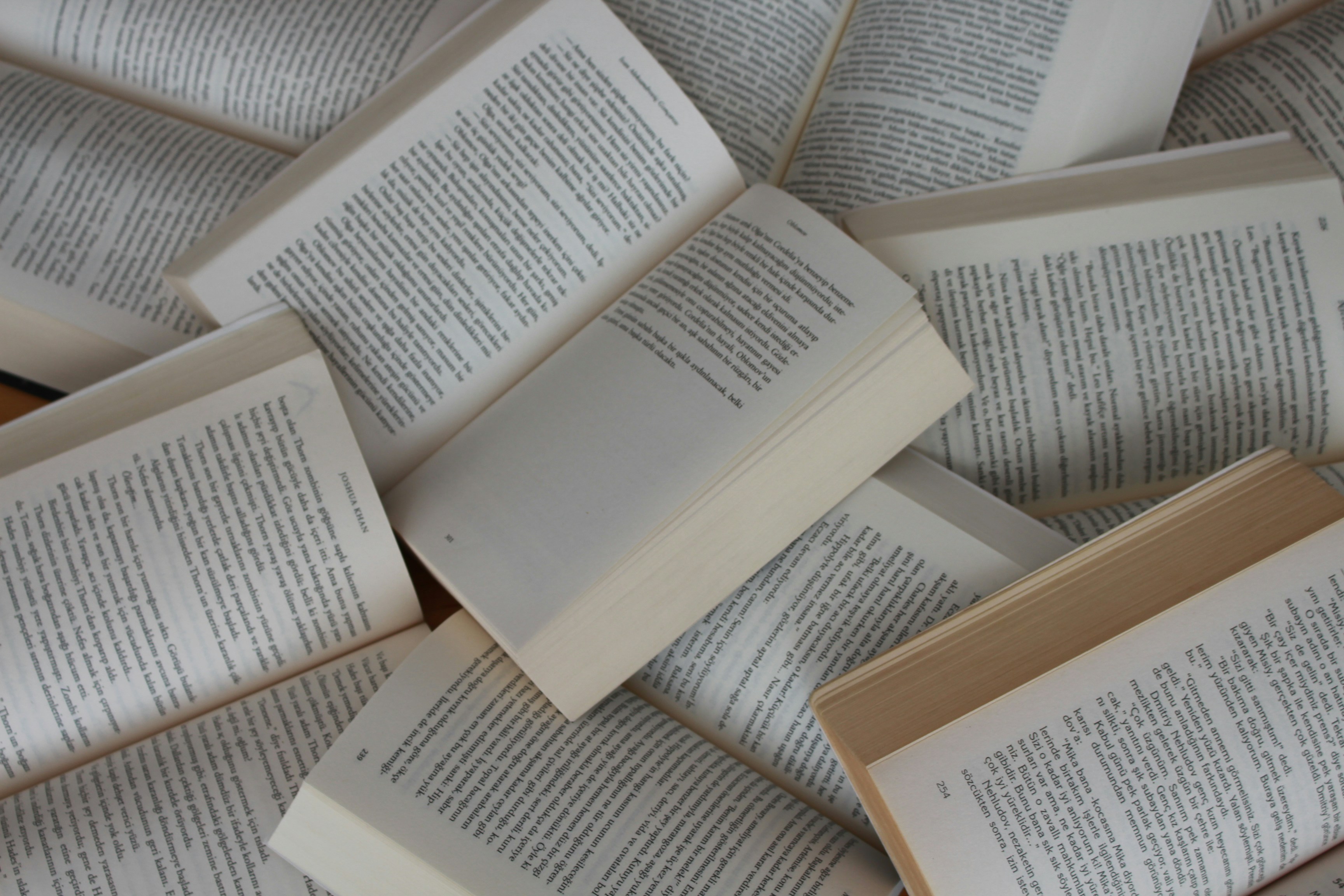
Photo by Gülfer ERGİN on Unsplash
There is also the subject of annotating. In high school, my English teachers made me mark up every single page of whatever book we were reading. And while I complained constantly, I'll admit--I'm a sucker for a good annotation.
They are proven to help you comprehend, question, and think critically about the text. With Audiobooks, that particular opportunity is harder to capture.
So are audiobooks cheating? I don't think so. Audiobooks don't take away from reading; they expand what it can mean.
At the end of the day, books are meant to teach us, move us, and make us think, no matter how we consume them. That is the point of reading and it should never be limited to just one sense.