




Your parents raised you, watched you grow, and know your favorite childhood snack. But your algorithm? It knows your midnight thoughts, your insecurities, and that one video you watched five times last week.
Coincidence? Not really. Your algorithm has been quietly studying you, noticing patterns even your parents might miss. From your moods to your midweek cravings, it seems to know you—maybe a little too well.
Let us slide into your dms 🥰
Get notified of top trending articles like this one every week! (we won't spam you)How Do Algorithms Really Work?
Ever notice how, after watching one cooking reel, your entire explore page turns into a buffet of recipes? That's not luck, it's learning.
In simple terms, an algorithm is a digital decision-maker: a set of instructions that tells a platform what to show you next. Every scroll, click, like, pause, or skip becomes a piece of data. Over time, these tiny breadcrumbs form a pattern that tells the algorithm who you are and what you might want next, creating a digital version of you.
Image Credit: Markus Spiske from Unsplash
The more you interact, the smarter it gets, but it’s not just what you click on. Algorithms track:
• How long you hover over a post (even without liking it)
• Which type of captions makes you stop scrolling
• What you like and share
• What time of day are you most active
These “micro-actions” reveal patterns your conscious mind doesn’t even notice.
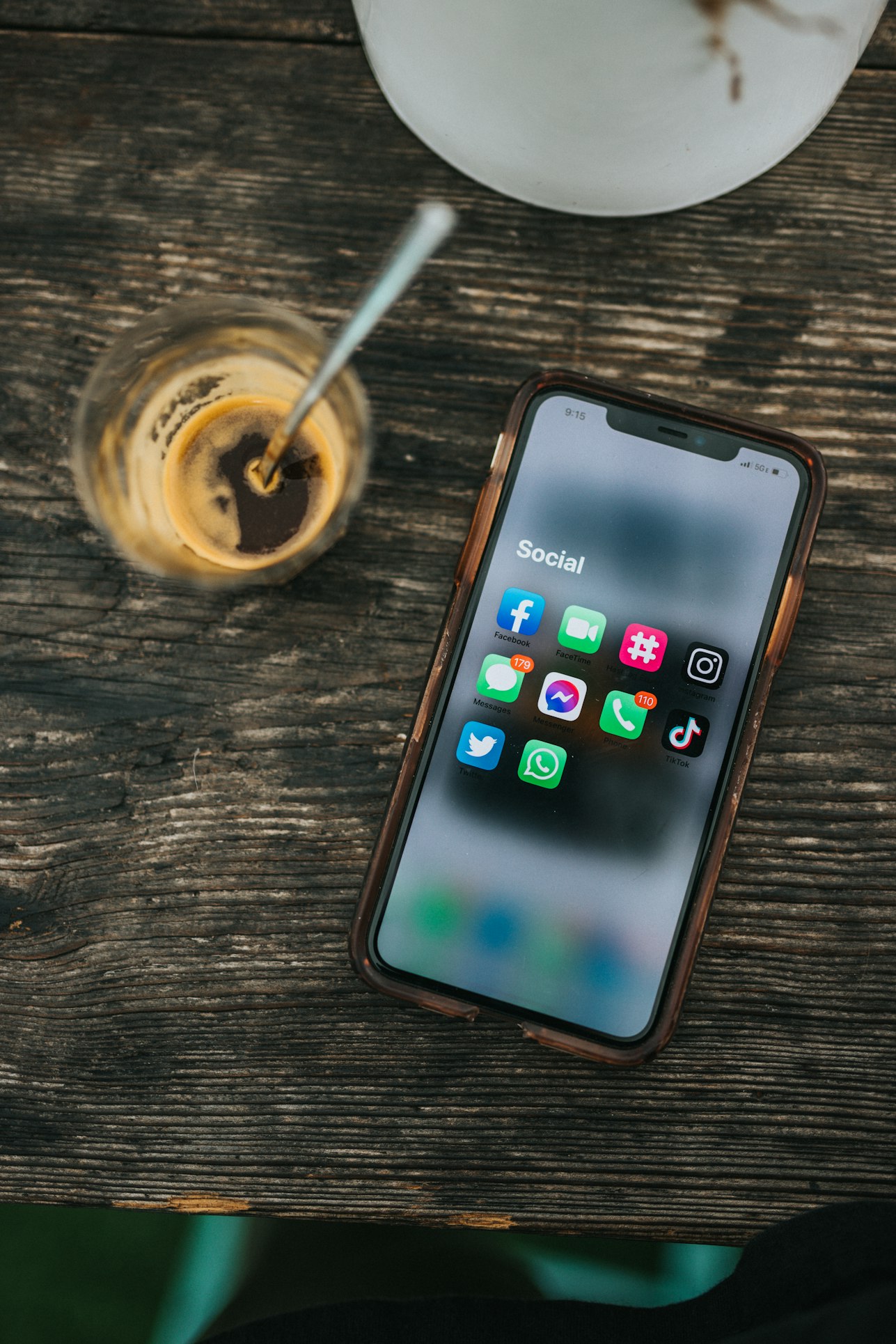
Image Credit: Nathan Dumlao from Unsplash
Piece by piece, your digital behavior forms a detailed psychological map—one that reflects not just what you like, but who you are becoming. And that’s where things get a little unsettling.


Take the Quiz: What Hobby Should You Try Out?
Find a new hobby to try out!!!
Why They Know You So Well
Your parents might not notice when your taste in music changes, but your Spotify Discover Weekly definitely does.
Algorithms don’t rely on memory, emotion, or conversation; they rely on patterns. Soon, these patterns become data points that reveal your habits, preferences, and even moods with uncanny accuracy. What makes algorithms scarily good is that they don’t know your preferences; they predict them.
This is called predictive personalization: using past behavior to guess future desires. Before you realize you’re craving a certain song or a type of video, your feed has already queued it up for you.
You linger once on a breakup TikTok video, and it's quickly followed up with "move on" content, and you didn't even break up with anyone to begin with. Well, that's not magic, that's machine learning recognising your patterns and changes in behaviour.
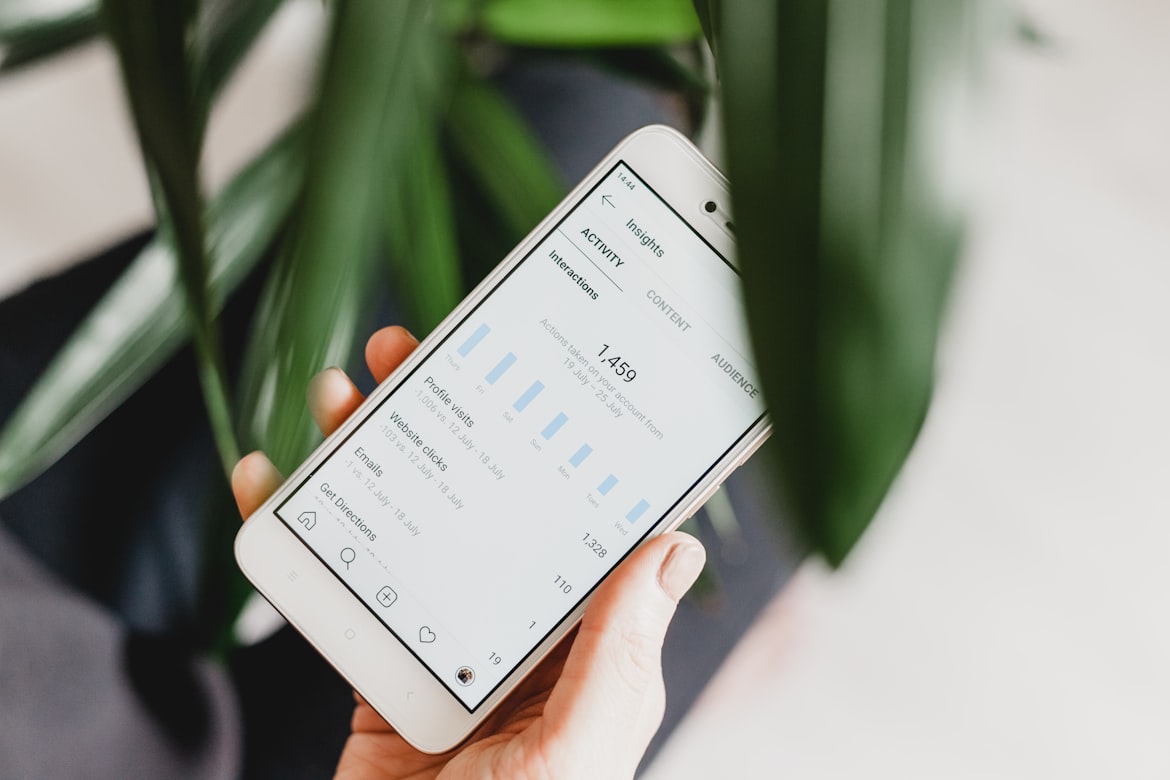
Image Credit: Georgia de Lotz from Unsplash
The Emotional Disconnect: Knowing vs Understanding
Your algorithm might sense that you’re sad, but it doesn’t know why.
Algorithms operate on prediction, not perception. They recognize your behavioral signals. Like, slower scrolling, replaying emotional songs, saving an edit of your favourite movie, switching from humor to heartbreak content—but they don’t understand the story behind it. They respond with more of the same, not comfort.
Parents, on the other hand, might miss your new favorite artist or the latest trending meme, but they recognize the sigh in your voice or the silence at dinner. They connect patterns to emotions, not analytics. Algorithms “know” your sadness through pixels; your parents feel it through presence.

Image Credit: Adrian Swancar from Unsplash
This illusion of connection is built on engagement, not empathy. The algorithm’s goal isn’t to heal you, it’s to keep you scrolling. In a way, algorithms are mirrors.
They reflect what we show them, not what we hide. And sometimes, that reflection seems so real, it starts to distort how we see ourselves.
The Dark Side of Algorithms
What most people don’t realise is that the intimacy of an algorithm isn’t just about understanding you, it’s also about monetising you. Every swipe, search, purchase, and pause becomes a tiny data point that companies quietly collect and package.
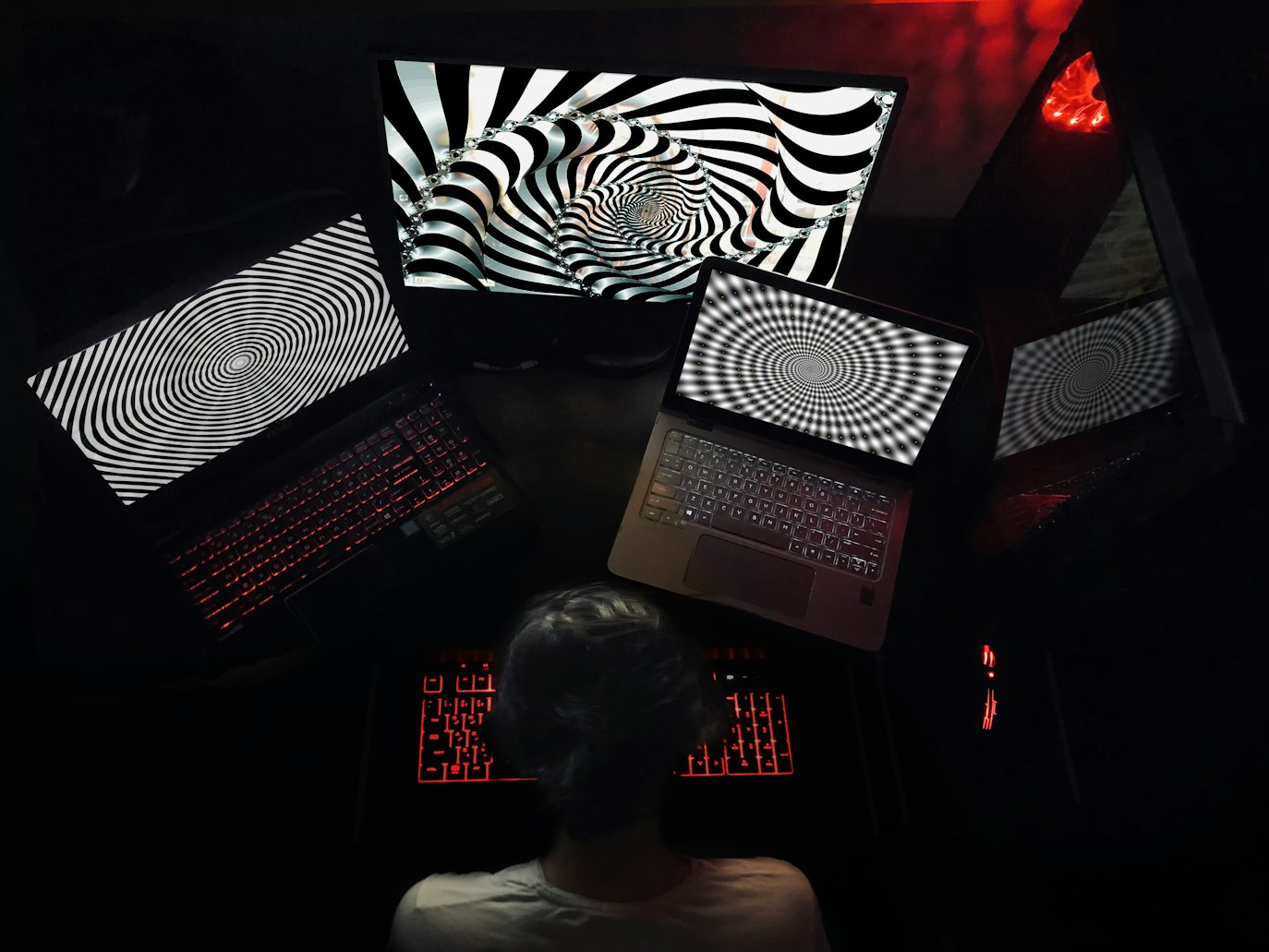
Image Credit: SCARECROW artworks from Unsplash
This information forms a digital profile so detailed that advertisers could target you with unsettling precision: your late-night cravings, your mood patterns, your insecurities, even the life decisions you’re about to make. And this data doesn’t always stay with the app you shared it with. It can be sold, traded, or passed to third-party companies you’ve never heard of.
Creating an invisible marketplace built around your habits. The result? You’re no longer just a user; you’re a product. Your attention, preferences, and vulnerabilities become commodities in a billion-dollar industry that often knows more about your private life than the people closest to you.
The New Digital Relationship
As algorithms weave themselves deeper into our routines, we’re slowly forming a new kind of relationship; one that’s strangely intimate, entirely invisible, and almost effortless. Without ever speaking to us, our feeds guide what we watch, what we buy, what we listen to, and sometimes even what we believe. They become a quiet companion: always present, always learning, always adjusting. And because this relationship is built on constant feedback, it feels comforting and predictable in a way human relationships rarely are.
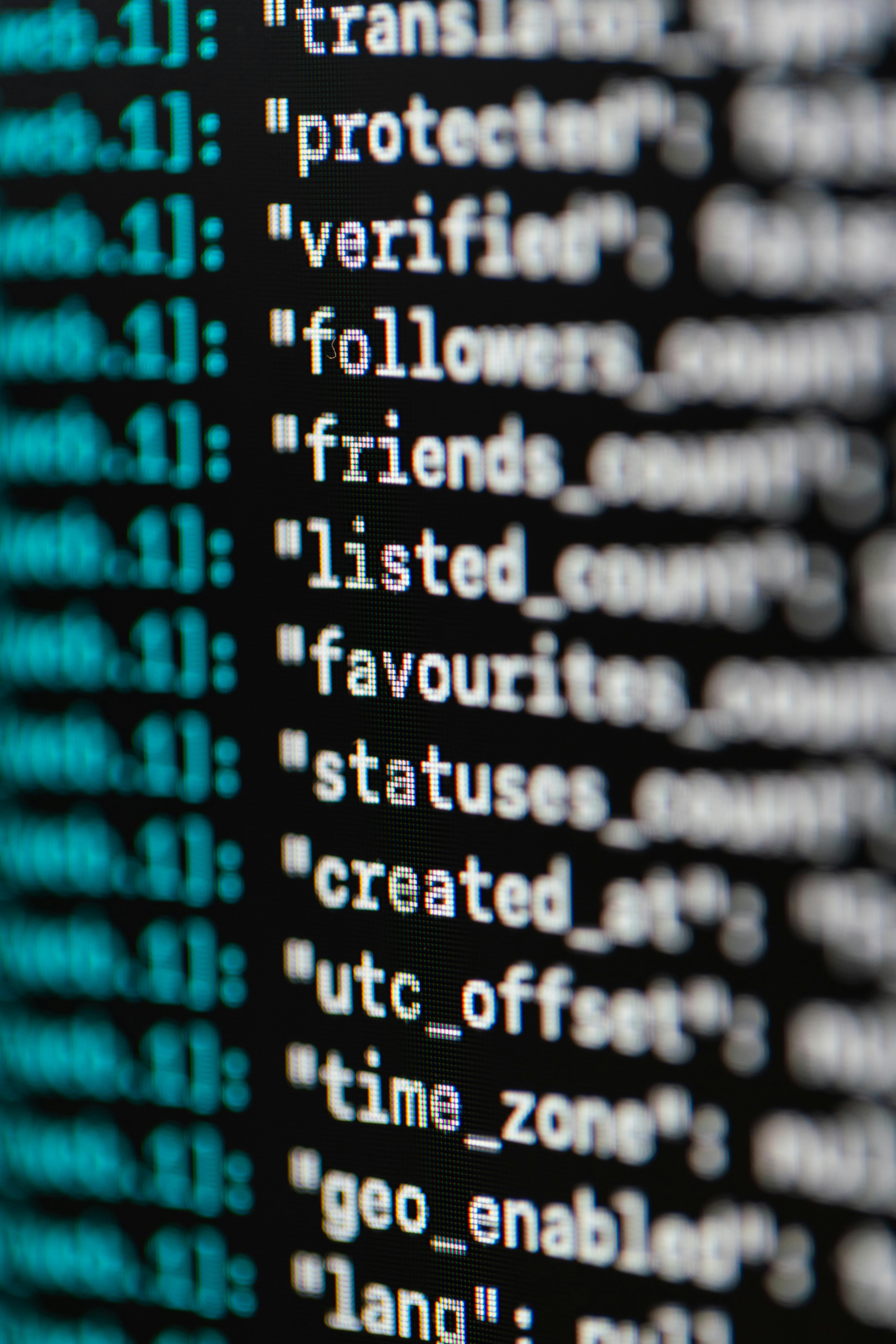
Image Credit: ThisIsEngineering from Pexels
But that convenience comes at a cost. The more we rely on algorithms to recommend, remind, and decide for us, the less we rely on our instincts or the people around us. In a subtle shift, our digital ecosystems start behaving like modern-day parents—nudging us, shaping us, and silently influencing the paths we choose. It’s a bond built on data, not emotion, yet powerful enough to steer our everyday lives.




.jpeg)