



Hallways, lunch tables, and friend groups may appear to be safe spaces, but they can become harbingers of subtle injustice. A "joke" at someone's accent, a meme that mocks a disability, or a throwaway remark about someone's identity may appear to be a small thing, but each laugh contributes to something larger. It eats away at people's sense of belonging.
When nobody speaks out, those moments get inscribed into the culture as if they're okay. It's 2025. Grow up and retire the joke.
Let us slide into your dms 🥰
Get notified of top trending articles like this one every week! (we won't spam you)The Challenge
But calling someone out is hard. Standing up to someone is hard. In a world where likes and laughter are social currency, talking out of turn can feel like placing a target on your own back.
They fear being branded "can't take a joke" or "too serious," losing friends, or being the next joke. For younger kids, or anyone already living on the edges, the burden feels even heavier. It's easier to remain silent, waiting for someone else to say something first. It's easier to blend in, because certainly someone else will have to stand up.
That reaction has a name: the bystander effect. Psychologists describe that when there are others around, individuals are less apt to assist someone in trouble, because the burden is shared. Your task? Prove it wrong.

Take the Quiz: What kind of friend are you?
Are you the loyal ride-or-die, the chaos instigator, or the wise advice-giver? Take this quiz to find out what kind of friend you really are!
How to be an Upstander
Begin small. Being an upstander isn't necessarily standing in the middle of the cafeteria and making a grand speech. Sometimes, it may be as easy as saying, "Stop that," or "That's not funny," and allowing the silence to do the work.
If it doesn't feel safe to call someone out in public, grab them later and have a conversation, or send a message saying why what they said crossed a line. Stand up for the person who was targeted, sit with them, check in, and tell them you witnessed what went down and it wasn't okay. Stand together.
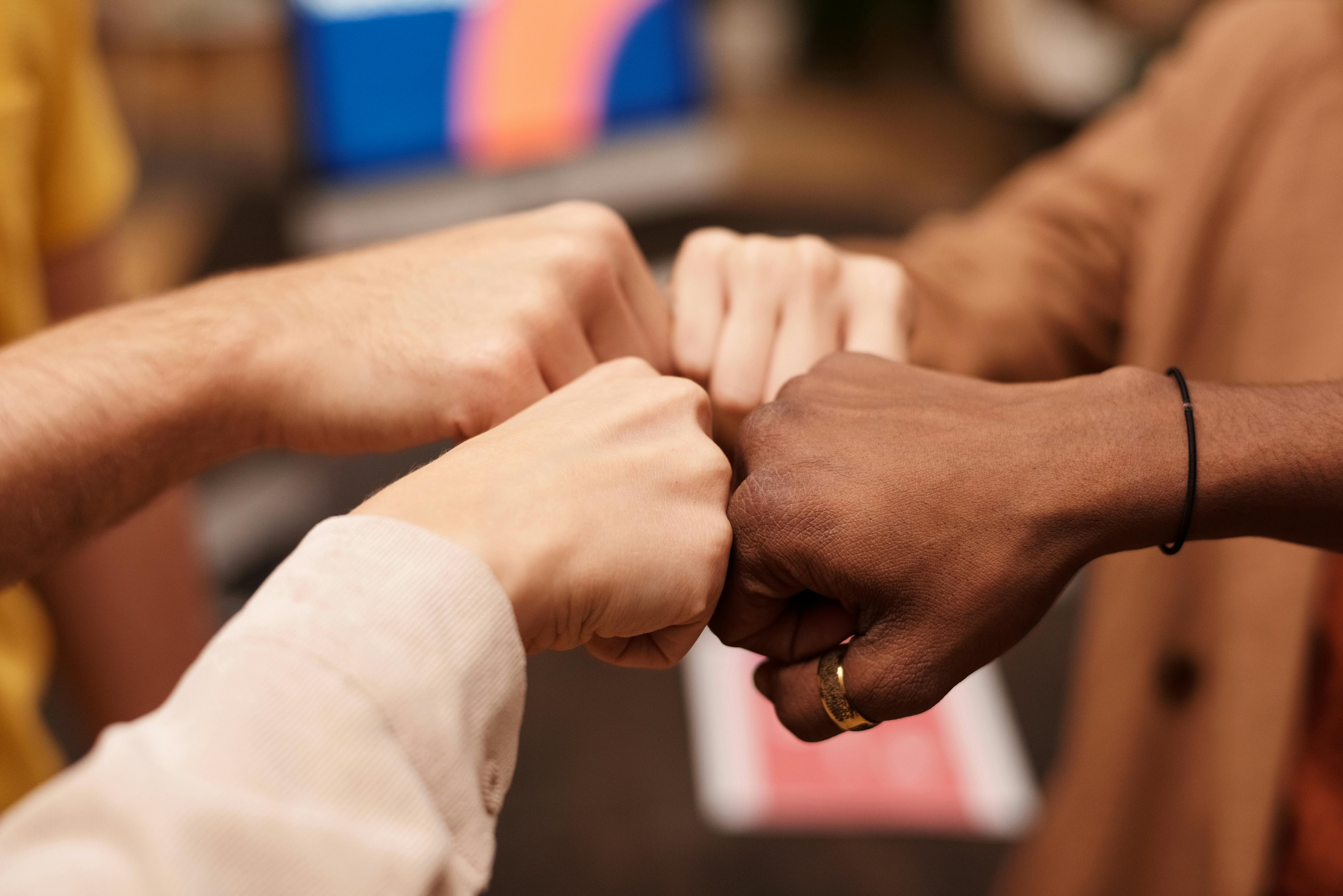
Image by Mikael Blomkvist from Pexels
Gather friends; two voices are stronger than one. Each act of bravery erodes the notion that cruel words are acceptable. Demonstrate to individuals that you care and that words matter, because words have more meaning than you might think.
Use "I" statements. Instead of blame, say, "I don't find that funny," or "I feel uncomfortable when I hear that." It reduces defensiveness and maintains the spotlight on the behaviour.
Or change the subject, if a joke bombs, steer the conversation smoothly onto something else. Sometimes a mere shift puts the hurt in neutral without a confrontation.
If it's serious or if it continues to happen, report it to a teacher, counselor, or parent. Complaining isn't "snitching" when someone's safety is involved. Set the example you want to see: don't share cruel memes or jokes and speak out against stereotypes within your own cliques. Consistency gains credibility.
And lastly, continue to learn. Read, listen, and learn about topics such as racism, ableism, and homophobia. The more you know, the more confidently you can speak.

Image by Yan Krukau from Pexels
Why Your Voice Changes Culture
Every time you speak up, you do more than stop one bad joke; you reset the tone for everyone watching. When people see that hurtful comments get challenged, it quietly reshapes what the group thinks is normal. One small action makes others pause, and soon a pattern of silence begins to crack.
Culture isn’t built by rules; it’s built by what people tolerate. By refusing to laugh along, you send a signal: respect isn’t optional. And when even one person proves that, it gives others the courage to follow.
Image by Luis Quintero from Pexels
Conclusion
From hallways to lunch tables, the smallest remark shapes the society, an entire culture. The choice is to speak up, whether it's a small comment like "Hey, that's not funny," a private conversation, or reporting to an adult. Your voice may feel small, but it can spark the change everyone else has been waiting for.
When even one person proves that cruelty isn't ignored, it encourages others to follow, and together such acts build a community where everyone truly belongs. Because respect is the actual norm.