





I have done many pieces involving the government but this one may be my favorite so far. Today we will be breaking down the Andes Strain of Hantavirus. What it is, the symptoms of this virus, and how the government failed to protect us from this virus that allegedly could kill half the world.
Let us slide into your dms 🥰
Get notified of top trending articles like this one every week! (we won't spam you)What Is The Hantavirus
Hantavirus is a very rare but severe crew of viruses mainly spread to humans through contact and interaction with infected wild rodents and critters. Some are known as mice and rats. People usually become infected by breathing in air particles from dried critter droppings, urine, or saliva. Hantavirus cannot be spread between people, except for very rare strains like the Andes virus in South America. However, the Andes virus is an extremely and highly lethal strain of hantavirus. It is found mostly in South America. It's infamous for causing Hantavirus Pulmonary Syndrome, also known as HPV. This is a severe, and rapidly worsening respiratory disease.
There's a big difference between The Hantavirus and The Andes Strain Of The Hantavirus.


Take the Quiz: Religion, Schools, and Equality
Religion in Schools: Teaching Respect, Not Bias.
Key Traits
The Only Human-To-Human Hantavirus: Most hantaviruses only are able to spread from animals to humans, the Andes virus is the one and only strain globally documented to spread and transmit directly from person to person. This spread usually requires close, long-expanded contact or exposure to an infected person's respiratory droplets or body fluids.
It often times carry and spread by wild rodents, usually the long-tailed pygmy rice rat found in Argentina and Chile. Many catch it by breathing in dust that is contaminated by infected rodent urine, droppings, or even saliva. HPS caused by the Andes virus is dangerous, with a case fatality rate reaching between 20% to 50%.
Some symptoms & Vaccine Info: Early symptoms are high fever, fatigue, muscle aches, and headaches. As the disease expands, it causes rapid respiratory failure over time as the lungs fill with fluid. There is no approved vaccine or specific antiviral cure at this time.
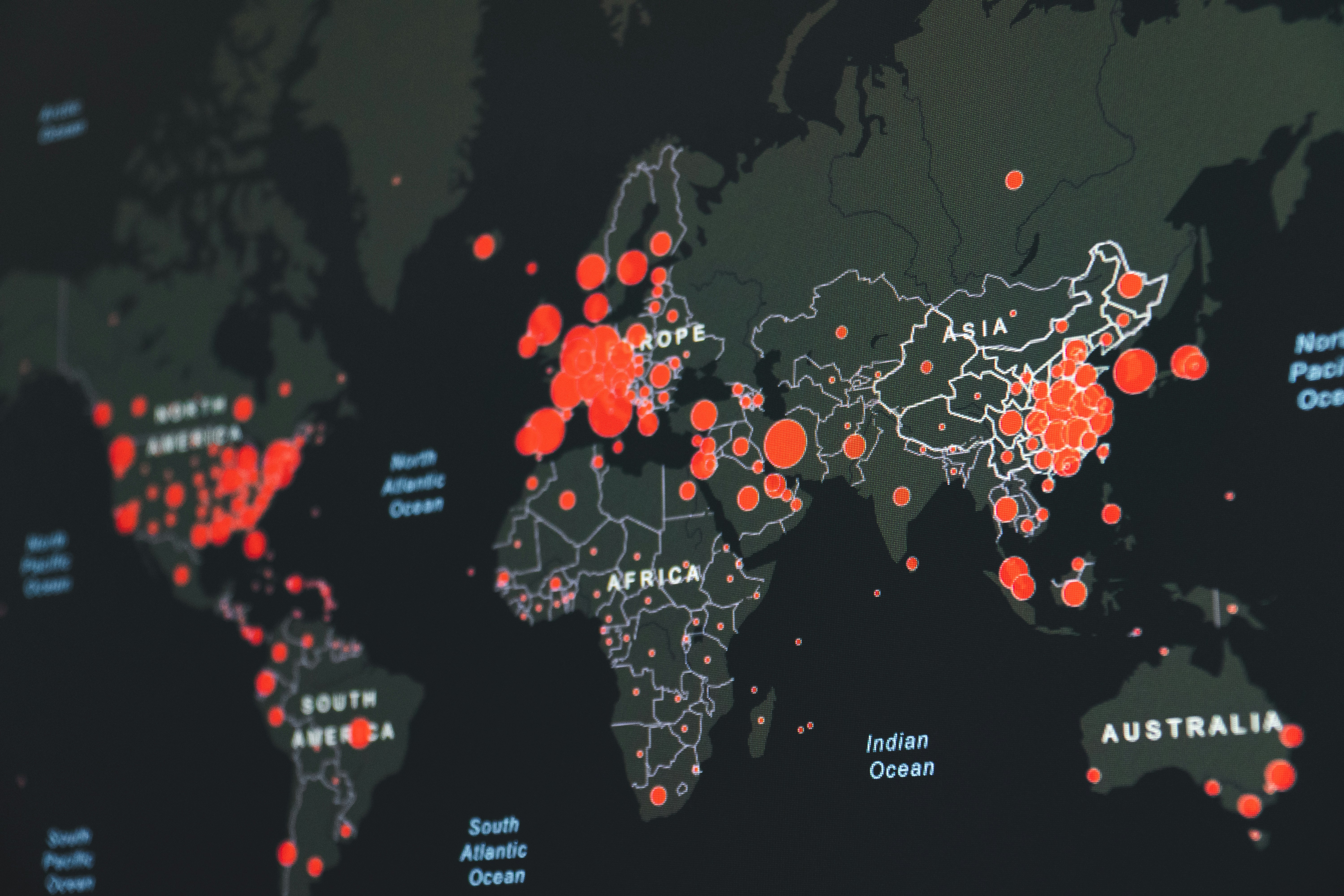
Image Credit: Martin Sanchez from Unsplash
Recent Outbreaks Of The Andes Strain of Hantavirus
While historically confined to South America, Andes virus has occasionally spiked concerning outbreaks. A famous 2018 outbreak in Epuyén, Argentina, infected 30+ people and killed 11 due to the human-to-human transmission of the Andes Strain. The virus also made headlines worldwide in May 2026 when an outbreak sickened the passengers and the crew aboard the MV Hondius cruise ship. As of June 2026, the world is experiencing a highly unusual and concerning surge in Andes hantavirus activity, this has been marked a historic maritime outbreak and a groundbreaking geographical turn within South America.

Image Credit: Ron Lach from Pexels
How The Government Failed To Protect Us
During the 2026 cruise ship upsurge, the Andes strain of hantavirus resulted in 13 cases and 3 deaths overall. The U.S. government tried to avoid a domestic disaster, still no U.S. cases occurred, but federal and state responses were largely criticized for inflexible friction and fragmented communication. Not only that but there has yet to be any approved treatments. Despite the Andes strain carrying a large fatality rate of 20% to 40%, the pharmaceutical and government industries were highly criticized for failing to fund and develop any approved vaccines or antiviral therapeutics for this virus.
Unlike the rapid fallouts seen during COVID-19, the government did not and still has not implemented experimental use authorizations for treatments or vaccines. This leaves doctors to rely only on intensive supportive care that they have access to. If this wasn't enough for them, it got worse as they continued to diminish federal capacity. The U.S. government's earlier withdrawal from the World Health Organization and the significant staff cuts at CDC gravely hampered U.S. leadership and international coordination. Congress also released reports indicating reduced disease-tracking capacity and shattered communication between federal health agencies and state departments all together.

Let's go a little deeper into poor public communication. When this was all happening and spiraling out of control, they later released a message to the United States. But to some, it was unclear and not well clarified. There was an absence of federal press speeches to address the real transmission risks. Because Andes requires close and extended amounts of time contact, the public was not at risk, yet confusing messaging bred needless panic. The Guardian columnists and health scientists take note that the public was left without clear information on how to protect themselves and their families or exactly how the virus can spread.
This all resulted in the public losing trust in the government all together. For they never truly informed us on the information and details we needed to know until after everything already happened. It still seems that the government is keeping more information on lock down until further notice. While the public may not know much, they know that the government knows a lot more than what they are saying.
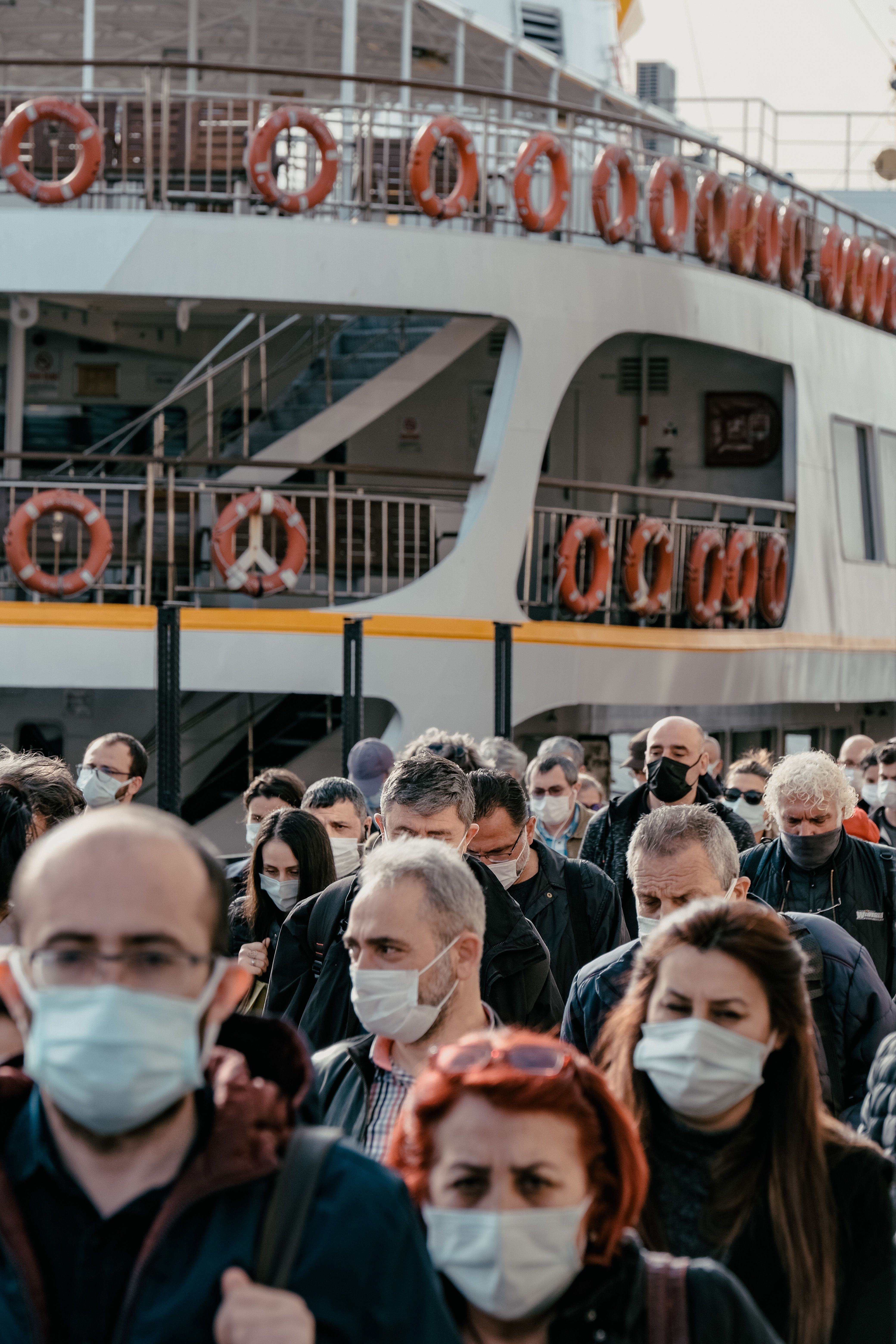
Image Credit: Oğuz Kandemir from Pexels
What do you think? Did the government fail us or is this a big understanding?
-Laila Hines
