


.jpg)

The word 'Barbie' instantly transports us back to 2023, the summers, pink outfits, the Barbenheimer era, when everything was great, when our biggest worry was deciding whether to watch both Barbie and Oppenheimer on the same day, gathering our friends, finding a day when everyone is available, and taking pictures.
When Barbie hit the theatres in 2023, many expected a lighthearted romp drenched in summer vibes, pink (lots of it), glitter, and nostalgia. We did get that, and beyond it as well, and I must say, it did not disappoint. What we did get beyond the pink glittery vibes was a cultural reset.
Greta Gerwig, Margot Robbie, and their team took what was once dismissed as "just a doll" and turned it into a cinematic mirror that reflected the contradictions of the real world. Barbie wasn't just about a childhood play; it became a story about womanhood, self-discovery, and the pressing weight of expectations. It became a real story about women, their beauty, struggles, and their misunderstood power.
Let us slide into your dms 🥰
Get notified of top trending articles like this one every week! (we won't spam you)Women's Lives in a Plastic Mirror
A lot of women live in the push and pull of impossible expectations. They're told to smile, but not too much. To work hard, but not too hard that it looks like they're trying to prove something.
To look beautiful, but not too beautiful to catch a lot of attention. To care, but not to be so "emotional".
This constant tightrope, to maintain an unrealistic balance and still look composed, is exhausting to walk upon. And surprisingly enough, Barbie—the very same doll so often accused of representing those unrealistic standards— became the perfect character to play them.
Margot Robbie's Barbie is shown to be wrestling with "irreversible thoughts of death" while she stands on a world built on glitter and flawless plastic smiles. The moment showed what many women already know: the facade breaks, and under the glossy surface is a human struggling with self-worth.
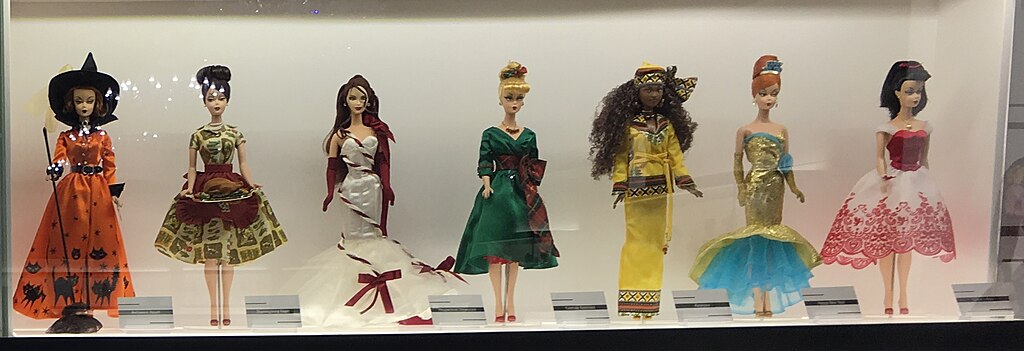
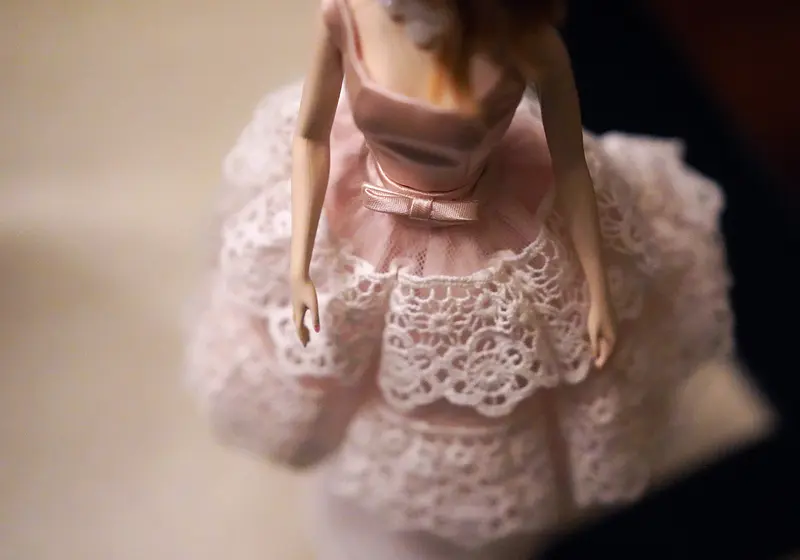
Image Credit: Librarygurl from Wikimedia Commons


Take the Quiz: Which Blade Angel best represents you?
Are you more like Alysa, Amber, or Isabeau?
Struggles That Echo Through Generations
Barbie acknowledged what needed to be acknowledged for a long time: that women's struggles don't have an age limit. For younger girls, it's being boxed in and trapped in stereotypes. For teens, it's the bitter sting of judgment and comparison.
For adult women, it's balancing careers, families, identities, and enduring the world's scrutiny, and still not being appreciated. This film bridged those phases so beautifully. It made every viewer, irrespective of age or gender, feel that they're not alone.
The irony is, even Barbie herself is misunderstood. For decades since Barbie was released, she was dismissed so callously as shallow, too pink, too plastic, too 'girly'. Greta Gerwig made us think, "What if the tables turn?" What if Barbie feels the weight of those misconceptions, too?
What if she was more than what people wrote her off as? What if there's more to her story we never bothered to look into?
That recognition mirrored women's own experiences of being trapped under. Gerwig showed us that Barbie, like women, has always been viewed one-dimensionally. Women are seen the way everyone wants to see them, not for who they are, not for their beautiful souls, but for what they can or cannot do, and this is shown in a way that reflects real life.
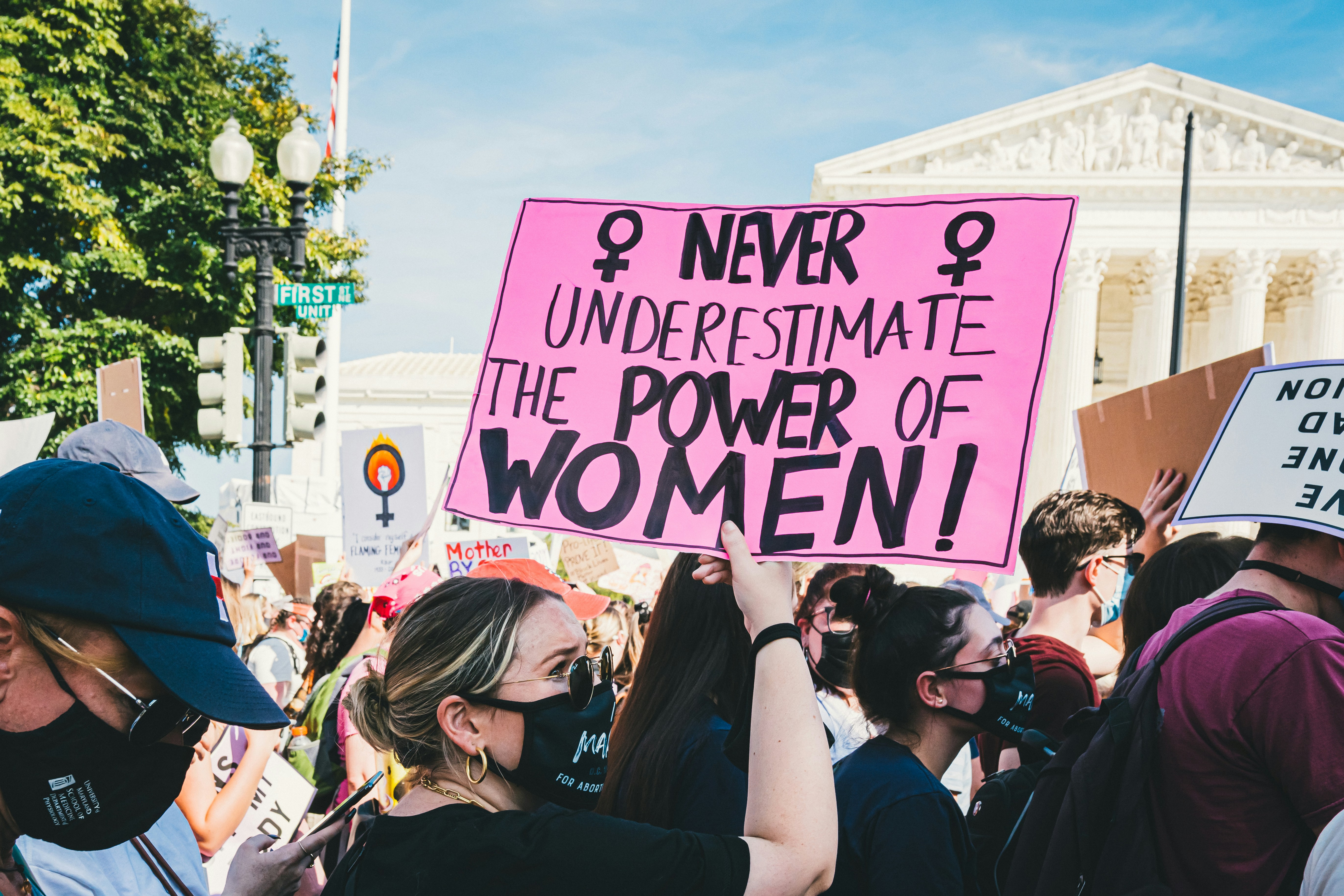
Image Credit: Gayatri Malhotra from Unsplash
America Ferrera's Beautiful Monologue: A Collective Voice
I believe that the heart of the film came from Gloria's monologue, played by America Ferrera. It wasn't just a monologue; the words she spoke tore through the viewer's hearts. She put into words what women have felt for generations: the suffocating contradictions that have shaped their lives.
"But somehow..we're always doing it wrong. You have to be thin, but not too thin. And you can never say you want to be thin.
You have to have money, but you can't ask for money, because that's crass."
The monologue was just...perfect. Not exaggerated, not downplayed—it's the plain truth of our society and how women have to live. For some of the viewers, it was just a monologue, just a movie, but for many, it was seeing their struggles being acknowledged. Students, dreamers, mothers, workers, and teenagers; they all felt seen in a way that was enough.
Greta Gerwig's Vision, The Award Snubs, and the Irony
Gerwig and Robbie crafted a film that was funny, entertaining, satirical, deeply human, and visually iconic. And yet, when it was time for the appreciation of their talents, they were failed by the industry.
In the 2024 Oscars, Ryan Gosling, who played the role of Ken, was nominated for Best Supporting Actor, but neither Margot Robbie nor Greta Gerwig was nominated for their roles in the film. Ryan himself expressed disappointment at Margot and Greta being snubbed for their hard work.
Ryan, brilliant as Ken, was recognized, while the creative backbones, Greta and Margot, were not. The irony was painful. A movie about women being sidelined saw its women being sidelined in real life. The snub was proof of what the film argued about: women's work, no matter how extraordinary or groundbreaking, is so often casually dismissed and overlooked.
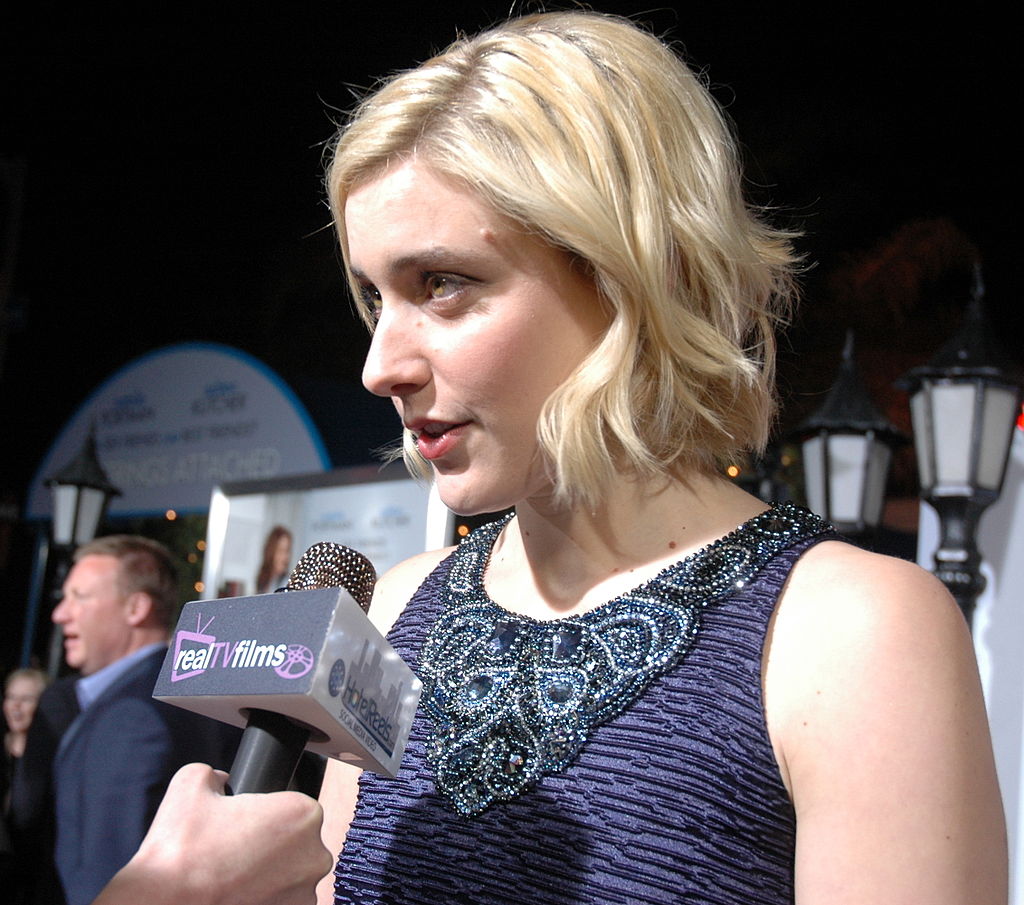
Image Credit: Gordon Vasquez from Wikimedia Commons
Beyond the Pink: Why It Still Resonates Today
Barbie, truly at its heart, was never just about pink. Pink is not a cage, nor does it tell the whole story of femininity. It's a single color in the spectrum of experiences.
I believe Great Gerwig's Barbie was a love letter to everyone who has doubted themselves in their life. I think this film matters so much because we live in a world where we fight for equal rights, but women are shamed for calling themselves feminists. Women's rights over their own bodies, choices, and their futures are being taken away without a thought.
Barbie reminded us that women are not 'categories', not stereotypes, not types at all. Every woman is a limited edition, with her own scars, laughter, stories, and strengths. This film taught us to love not only ourselves, but everyone, every woman, every one just trying to survive and exist. To let them know once in a while that they're enough and they don't need to prove themselves to be worthy.
And to anyone reading this: You matter. Not for what the world wants you to be, not for what you could be, but for who you already are.

.jpeg)


.jpg)
