





We used to hide paper diaries under our beds, writing long entries and closing them with small locks. Today, our memories live in small files and tiny images on our phones. Camera rolls, saved audios, notes app, and screenshots have become a new kind of diary. They may not look like old diaries, but they still hold pieces of our lives that matter.

Image Credit: Pixabay from Pexels
Let us slide into your dms 🥰
Get notified of top trending articles like this one every week! (we won't spam you)A New Kind of Diary
This new diary style is part of what researchers call lifelogging, a term that describes collecting digital data about daily life, like photos, voice notes, and screen captures, and then keeping them for later. The idea is that our phones can store a record of small moments that would otherwise be forgotten (PMC, 2022). In other words, even when we do not mean to, we are writing diaries with pixels, capturing fragments of ourselves that might slip away.


Take the Quiz: Religion, Schools, and Equality
Religion in Schools: Teaching Respect, Not Bias.
Camera Rolls as Honest Memories
Camera rolls often look random. One moment, there is a picture of a textbook page and the next, a selfie with messy hair. A screenshot of a text might sit beside a blurry photo of lunch or a picture of the sky.
That randomness, far from making the archive meaningless, makes camera rolls feel honest. People often take photos not to share immediately but to keep a memory for themselves, and a pile of small, everyday pictures can act like a visual diary. Looking back at those pictures later offers a raw, unfiltered view of who we were in that moment. Psychologists even suggest that reviewing old photos can lift mood and reduce stress (Psychology Today, 2024).
Unlike Instagram, which is polished and curated, the camera roll functions more like a sketchbook than a gallery. That is precisely why it works as a diary: it reveals what we cared about, even if the subject was nothing more than a shoe or a funny mistake.

Image Credit: Tima Miroshnichenko from Pexels
Notes Apps and Voice Memos
Photos are only part of the picture. Notes apps collect short lines that can be powerful. Someone might save a note that says “call mom,” or a single word that marks a feeling. Some notes are long lists, drafts of poems, or unsent texts.
There are also voice memos. A quick voice recording can catch a laugh and a crying fit. People who keep audio journals say that voice notes can make feelings more real because they include tone and sound, not just words.
Apps like Audio Diary show that voice journals can turn fleeting thoughts into lasting memories (Apple App Store, 2023). Audio carries emotion that text cannot, and a sigh or a burst of laughter is part of memory, too.
Layered Archives
When these pieces come together, they form a layered archive. A photo of pizza, a screenshot of a chat, and a voice memo about stress can all belong to the same evening. The photo shows what we did; the screenshot shows who we talked to; the voice memo shows how we felt. They tell a fuller story than a single journal entry could.
Modern journaling apps reflect this reality. Many now let users combine photos, audio, and text in one place, making the archive easier to search and revisit later (The Verge, 2023).
Why This Matters for Girlhood
For girls, this digital archive carries particular meaning. Girlhood often lives in small, everyday scenes: group chats, after-school hangouts, makeup experiments, and private notes saved for later. At the time, these details may feel trivial, yet later they can become proof that we loved, learned, and grew.
Looking back on digital items can also help make sense of change. A teen uncertain about school, friendships, or identity can scroll through past entries and recognize what felt important months or years earlier. That backward glance can be both comforting and clarifying. Studies suggest that reviewing old posts and photos helps people regulate emotions and recognize personal growth (Psychology Today, 2024).
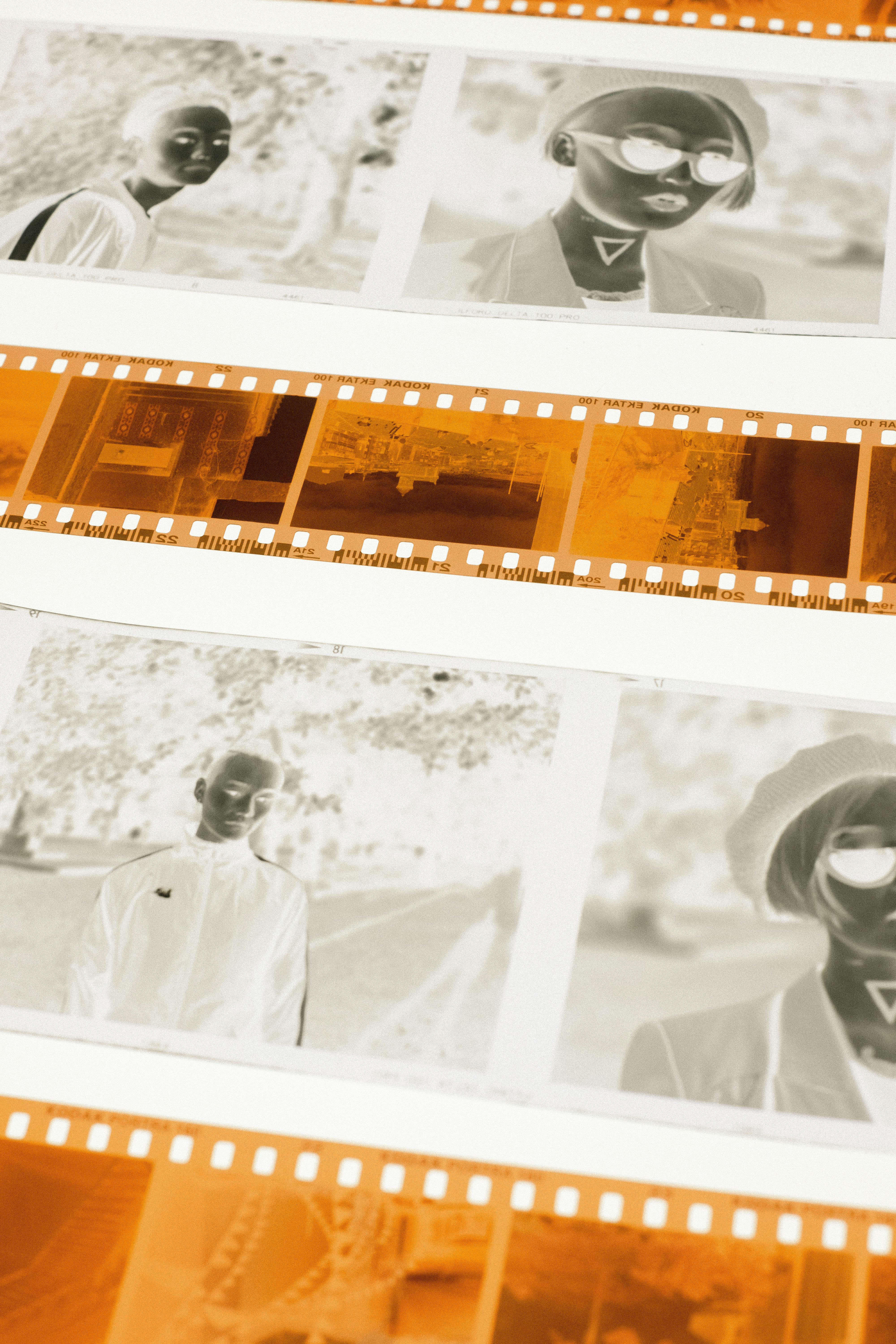
Image Credit: Ron Lach from Pexels
The Shift From Paper to Pixels
At the same time, digital diaries change how memory works. Paper diaries decay. Old notebooks are hard to search.
Digital files are searchable and storable. We can tag entries, add dates automatically, and back them up to the cloud. This is a clear benefit.
Nonetheless, digital storage raises new questions. Who can access these files if a phone is lost or hacked? How private are the notes we think are for our eyes only?
The makers of journaling apps talk about privacy as a core feature. Some apps offer end-to-end encryption and local data storage to protect user files (The Verge, 2023). Still, digital privacy is never perfect, and people who keep private items on devices should think about how to protect them.
The Role of AI
Another change is the rise of artificial intelligence in our personal archives. Some apps now use AI to tag our photos, summarize entries, or suggest topics to write about. These tools can be helpful when we want to find a memory fast.
Some writers worry that AI may change the point of journaling. They say journaling should be messy and personal, not smoothed over by algorithms. Critics fear that AI could make private feelings feel less private or make raw emotion easier to ignore. This is a new debate about what a diary should be in the digital age (The Verge, 2024).

Image Credit: ThisIsEngineering from Pexels
Sharing and Connection
Sharing also shapes the meaning of these archives. Sometimes we post a set of photos or a screenshot dump to social media as an honest window into a week of life, creating bonds. When someone posts a small, true moment, it can feel relatable and real.
At other times, we keep everything private. Some people even print photos or digitize old printed photos to pass them to family. Both digital sharing and analogue printing show that these images are not only for storage.
They are for connection. People value the act of keeping memories even if the format changes (Popsa Blog, 2025).

Image Credit: Pixabay from Pexels
Building Better Habits
If we think of camera rolls as diaries, then we must adopt new habits. We can curate carefully, deleting photos that no longer serve us, and backing up the ones we love. We can set locks and passwords for sensitive notes, and we can decide what to share versus what to keep private. Treating a phone like a diary requires care and reflection, and the habits we develop now will shape how we remember our girlhood later.
Paper and Digital Together
It is also important to say that digital archives are not perfect replacements for paper diaries. Writing by hand still has its own benefits. Some researchers argue that handwriting strengthens memory and deep thinking in ways typing does not.
We can keep both a private paper diary and a digital one made of screenshots and photos. This way, we capture fast and slow memory at once.
Looking Ahead
Think about the future. Twenty years from now, when today’s girls are grown women, they may open an old hard drive instead of a dusty box under the bed. They may scroll instead of flipping pages, and listen to their own teenage voice in a voice memo instead of reading their handwriting. Their future diary will still serve the same purpose: reminding them of what it felt like to be young.

Image Credit: Ron Lach from Pexels
Conclusion
So the next time you scroll through your camera roll, remember you are not just looking at pictures. You are reading a diary written in pixels. Every seemingly stupid screenshot counts as an entry, forming a story of girlhood.



.jpg)





.jpeg)