





There is a type of tiredness that comes from being too engaged, too young. For most Gen Zers, the world has never felt like it is something to be inherited; it felt like something to be repaired. From politics to social justice to everything in between, they grew up in the ruins they didn't build, only to be told over and over again they were the generation to do better.
Change the system. Speak up to the silence. Save what is left. But under every movement and slogan is a quieter truth that simply puts: the weight of repairing the world while you are still trying to build yours in it can feel unbearably heavy.
This year of awareness came early. They were learning about inequality before they learned how to drive. Before they could use a computer, they entered university amidst political turmoil, global pandemic, and digital reckonings with our identities bleeding into our information. The world didn't walk them into adulthood, it handed over its mess and said good luck!
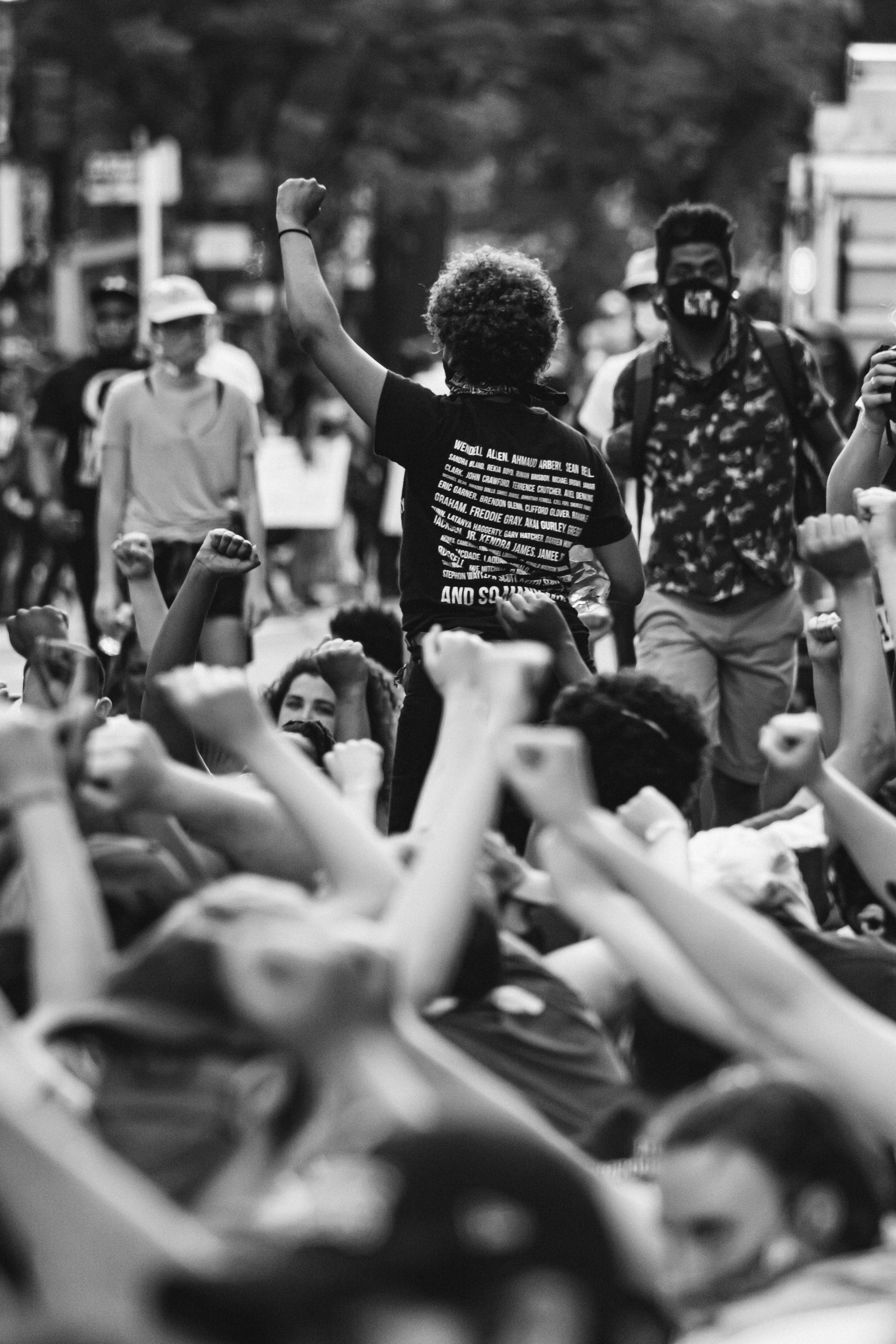
Image Credit: Gayatri Malhotra from Unsplash
Let us slide into your dms 🥰
Get notified of top trending articles like this one every week! (we won't spam you)The Responsibility of the Aware
Being aware of the issues in our world as they happen is no longer the first step for Generation Z; it’s now part of who they are. As the first generation to grow up with instant access to catastrophes happening around the world in real time, Generation Z has always had instant access to everything that exists now. Gone are the times of slowly learning about injustice and how to fight against it.
Today, wars and collapse happen simultaneously. Because of this, being aware is not something that you choose; it’s something that you breathe.
Along with becoming aware comes an unspoken expectation; if you're aware of something, then you should be doing something about it. Generation Z is operating on a new moral code, which requires them to respond immediately to injustice. To care means to act immediately; hesitating to act or speak will make you complicit in that injustice.
Generation Z views silence as an indication of possible guilt. It is not enough to understand the injustices in this world; it is now expected that you will take action against them quickly and publicly with a well-established plan of action.
It is at this point in which the distinction between intention and impact breaks down. Wanting to bring about change does not mean that you know how to bring about change. Due to the overwhelming sense of urgency that accompanies many injustices, complexity is often reduced to sound bites, and the many political, social, economic, and cultural foundations upon which injustice rests are lost in translation.
The need for simplicity supersedes nuance, and often times, we replace urgency with reaction. In these situations, we may not find what we are seeking (e.g., justice). Instead, we will find ourselves reacting to a situation without fully considering the consequences of our actions.

Image Credit: Brett Wharton from Unsplash
Take the Quiz: What Kind of Political Personality Are You?
Ever wondered what role you’d play in the political world? Take this fun quiz to find out!
When the World Feels Too Loud
Caring has become exhausting due to the slow pace of change in an ever-changing world. Past generations and current generations are facing a mental health crisis resulting from the same moral crisis that has affected them. Anxiety, burnout, and emotional numbness are not signs of disengagement, but signs of being over-stimulated. An over-stimulated nervous system cannot handle continuous exposure to global suffering at this scale and speed, with no respite in between.
Outrage is not meant to be a permanent state of being, yet the digital world will not let outrage be resolved; every new outrage seems to lead into the next new outrage. Therefore, every moment of rest feels undeserved because while one person gets rest, another person continues to suffer. Interestingly, we also see that sleeping feels indulgent, and experiencing joy feels irresponsible.
While there will always be another headline, there will always be another cause, and there will always be another call to action; caring for others is beginning to hurt.
As we can see from the plight of generations past, activism that does not take into account rest becomes a hollow shell. Continuous extraction of empathy loses depth. Movements become reactive instead of reflective, and we demand change before we have taken the necessary time to understand what meaningful change requires.
As we examine the progression of history as a whole, we begin to see how complicated and dirty progress can be; progress requires sustained effort, being strategic with patience, and dealing with uncomfortable complexities. However, Gen Z has not experienced that.

via Tenor
The Spark That Refuses to Go Out
And yet, hope prevails. Even when put upon and weary, the generation in Bangladesh, in 2024, took to the streets protesting governmental injustice while using nothing but conviction and audacity, met with bullets and arrest, only to have their voices amplify each day — a testament to the fact that youth movements can still galvanize nations. A year later, students of Nepal were asking for freedom of speech after the State put restrictions on public critique of authority.
The protests were small to start—just some students pushing back on campuses, and then something on social media— but, within only a few weeks, they exploded into a country-wide movement reminding their rulers that silence is not consent. And in Madagascar, in 2025, students at the university level and beyond cried out against electoral suppression and corruption, organizing protests that drew hundreds and thousands of students from across the country, advocating for transparency and truth.
They were not perfect moments. They were not immaculate moments. They were human, messy moments of bravery.
They illustrate that, even under immense pressure, Gen Z has refused to disengage. Their advocacy is not simply rooted in idealism but of need. If they don’t speak, then who will? In every city they come together, in every thread they post online, they're buoyed internally by the same belief; that caring matters, even if the world isn’t listening.
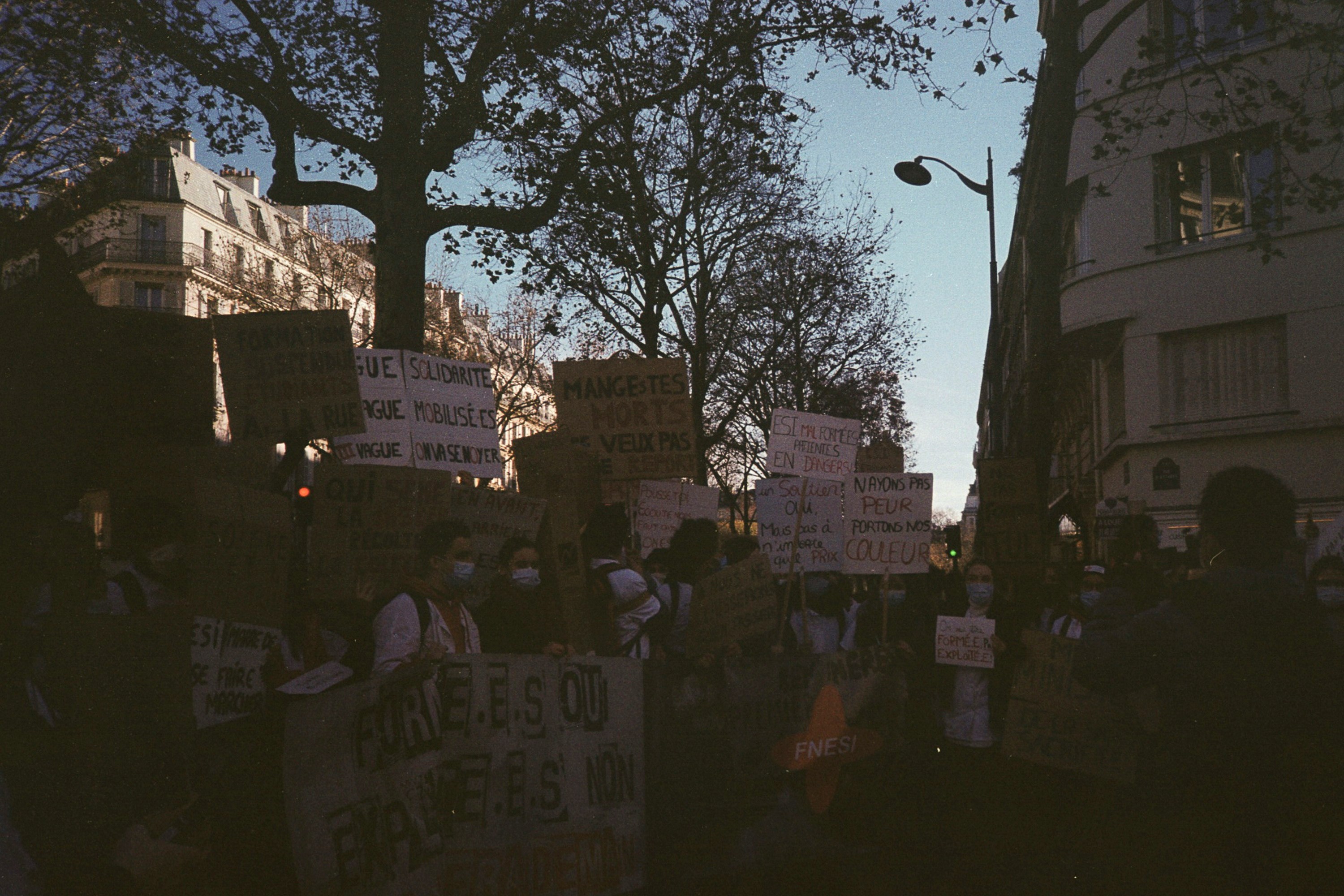
Image Credit: Yassine Rahaoui from Unsplash
The Fine Line Between Passion and Pressure
The perception that caring necessarily brings burden comes with some risk. Somewhere between the marches and the open letters, activism has developed an identity. Young people feel the need to always be doing something, mobilizing, publicly commenting, repairing things. When the world turns slowly, that guilt turns inward.
In fact, the culture of urgency has obscured the difference between passion and pressure. Anything and everything has been a crisis. So when everything is a crisis, nothing feels sustainable.
The drive that pushes Gen Z to be productive in pursuit of change can lead to sensus of burnout and disconnection. They learned to read the rest as their defeat, and yet rest is also on the way towards defiant compliance.
It's okay to care very much and need a break. It's okay to rest with out the implication that you're bad fall short. Change was never meant to be a sprint and it shouldn't play out in any single generation.
The generational factor in Gen Z is not only their resilience, but also their empathy. And empathy needs air, too.
via Tenor
Redefining What It Means to “Fix”
Perhaps the solution is not to try to fix everything, but rather to try and feel everything, without being too hopeless. To learn that the small acts or resistance - kindness, creativity, creating connections - carry equal importance to the marches and the manifestos. Not every issue needs to be fixed right away, and not every silence is always a sign of defeat.
Fixing the world does not always look like revolution. Sometimes it looks like making art that inspires ways of thinking; or even something simple as volunteering in the community; or maybe even being the empathetic one in the world of indifference. The quiet defiance of Gen Z, opting for honesty and choosing compassionate care, is just as revolutionary as a protest is.
Saving the world is not only about combating all that is wrong, but also about actively building all that is right - piece by piece, moment by moment. And that takes endurance as well as urgency. To fix the broken, you must first imagine what heal looked like, and imagining takes time.
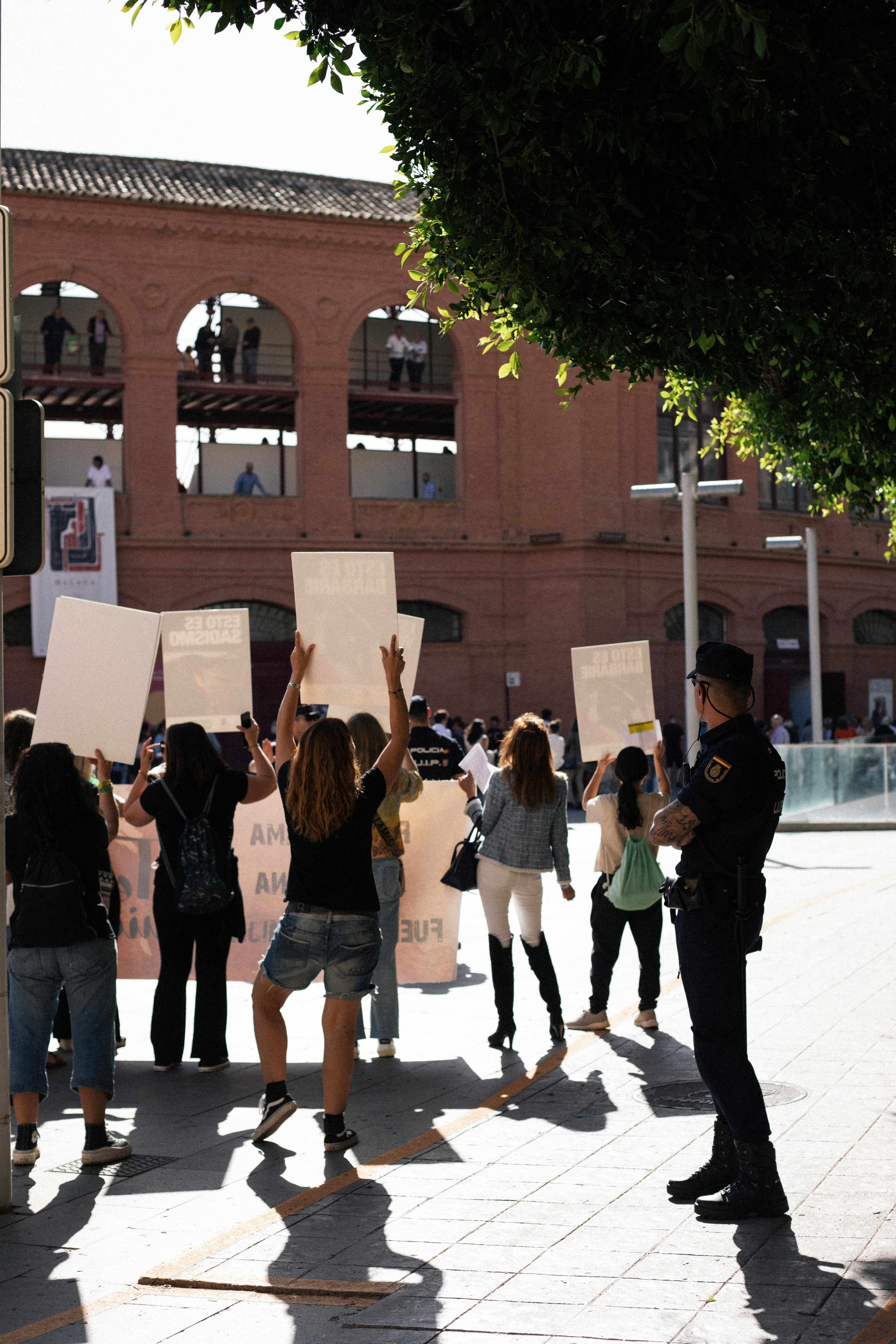
Image Credit: Yuliya Matuzava from Unsplash
Generation Fix-It Deserves to Rest
Gen Z has already demonstrated its strength. They have protested, voted, organized, and rewritten the rules of engagement. But what they need right now is the space to not act – to rest, to be, to exist in the world without being labeled the last hope of humanity. The future shouldn't expect their exhaustion to be evidence of their love.
Because perhaps the most radical thing this generation can do is not fix everything right away – but to still believe it is worth fixing. And perhaps the greatest form of rebellion isn't to stand ready and willing to fight for the long haul, but to say: we are going to do it, but we will also take care of ourselves while we do.
The world doesn't need to see another generation of saviors; it needs to see a generation that survives long enough to see what they saved.
