


.jpg)

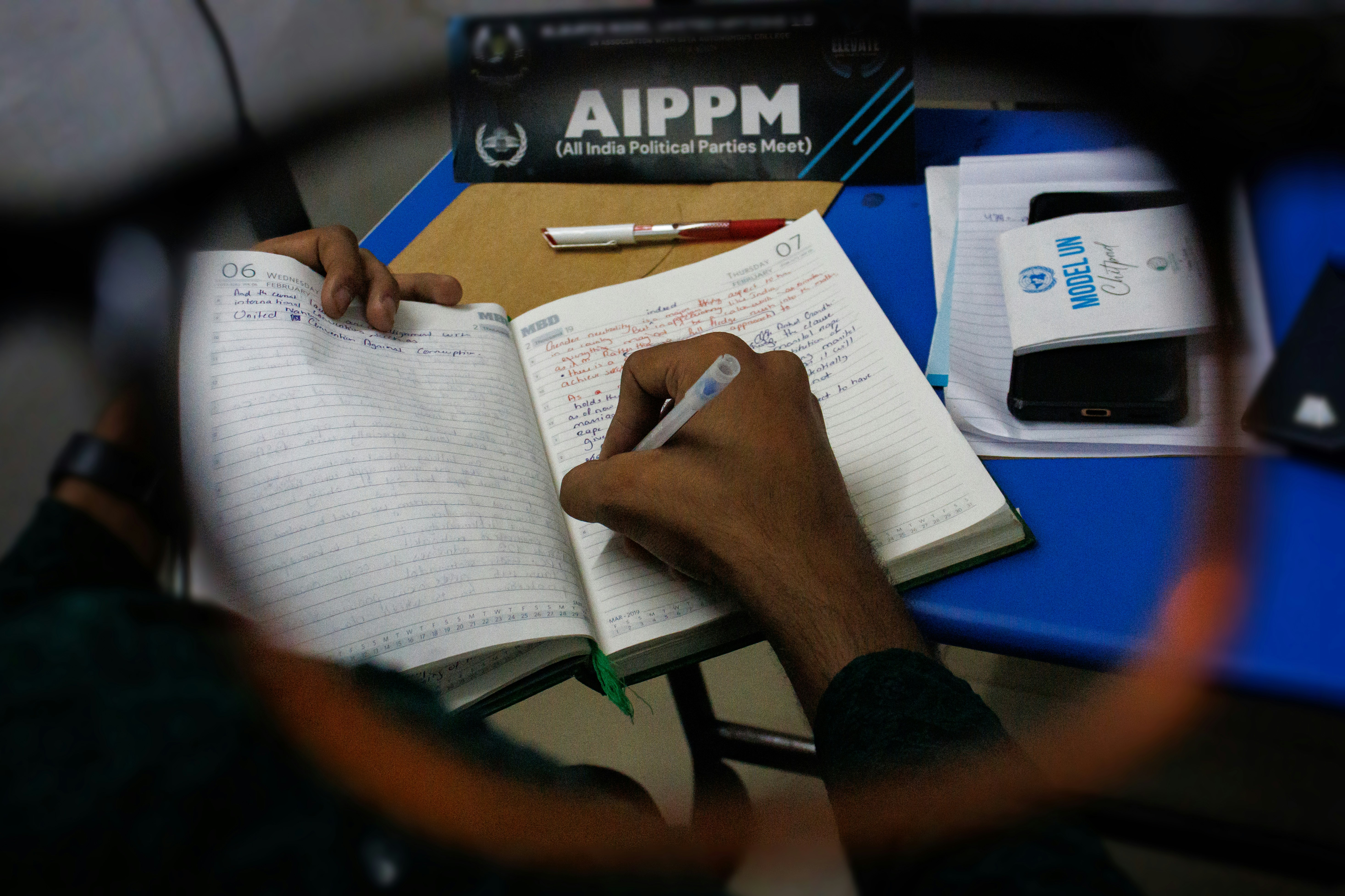
Image Credit: Photo by Abhinav Anand on Unsplash
Model United Nations (MUN) is a simulation of real UN conferences where students represent countries, debate global issues, and propose solutions. Students build confidence, improve public speaking, and think critically—skills that go far beyond the conference room.
Now, many high school and college students participate in MUNs, but most of them don't know how to prepare themselves for their first MUN. So don't worry, I will tell you some tips that are beginner-friendly and will definitely help you feel confident for your first MUN.

Let us slide into your dms 🥰
Get notified of top trending articles like this one every week! (we won't spam you)1. Understand Your Country's Stand
"Now one of the most important things is to research about your country. Most people would focus on their opening speeches or mod speeches, but they don't require that much attention compared to your research. You should be aware of the agenda and your conference.
This will make you sharper and alert while answering questions or listening to questions. I have an experience, and I realized that research is much important, I learnt this after my second MUN. I usually use the Wikipedia and search up articles related to the agenda. And, I sometimes use ChatGPT for my research, but I always double check the sources, because you don't want to get your marks cut for false information. You should always search for verified websites of information; UN Library is also helpful. Use AI, but for good purpose only." - Delegate of Austria from my second MUN
You need to be aware of your country's work and actions. That, my friend, makes you a good delegate.


Take the Quiz: Religion, Schools, and Equality
Religion in Schools: Teaching Respect, Not Bias.
2. Preparing Speeches
Now, usually people stress and take more time to prepare their speech than is required, but it's actually easy. Your opening speech, which is also known as GSL, only requires the key points. In my most recent MUN, I had practiced my speaking the night before my MUN, and people loved me, I swear. Use QuillBot to improve your words and grammar. My tip is, while writing your GSL, make sure to add three important pieces of information:
- Your country's position and your role in the agenda
- Problems and solutions
- Articles or projects done by your country
Make it short as well; the speaking time is 60-90 seconds. Practice at home and relax; you don't have to learn it. And focus on clarity, or it will sound like gibberish (not joking, it happened with me).
When it's your turn to speak, look at your speech written on a laptop or paper and read it with confidence and clarity. You can ask for a countdown if you feel like it. Regardless, it's okay to ask for a countdown. Take a few deep breaths, in case you're nervous, and be calm. It's okay if you're not loud enough, but don't be too quiet, okay?
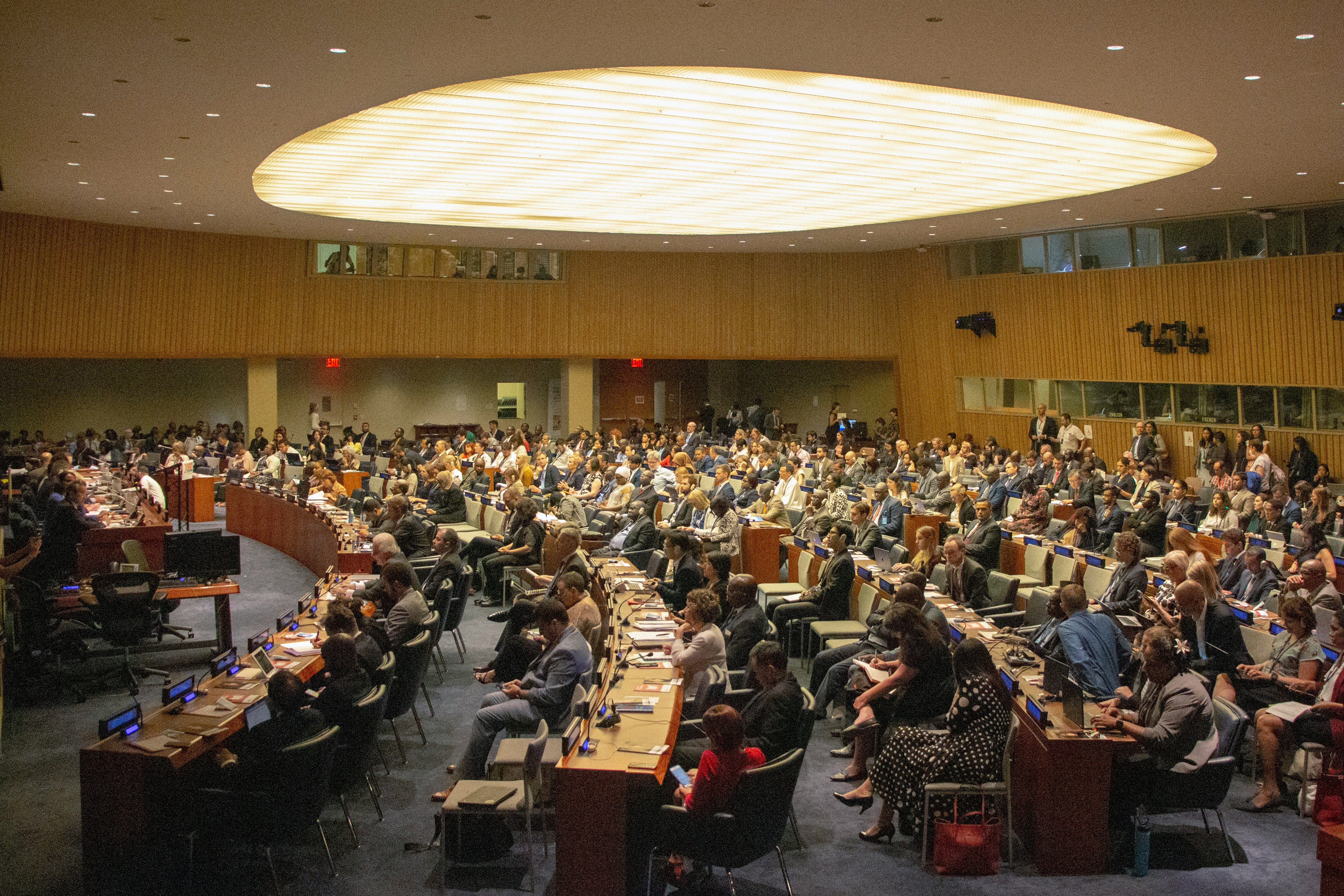
Image Credit: Photo by Matthew TenBruggencate on Unsplash
3. Being Alert and Confident
Confidence is key in MUN. Speak clearly and firmly so that other delegates pay attention. Staying alert throughout the committee helps you understand different countries' positions and frame better questions.
Raise your placard when necessary—it shows involvement and focus. However, avoid raising it without purpose. Raise it only when:
- You have a solution
- You want to support or oppose a point
- You have a meaningful question
When questioning another delegate, maintain eye contact and speak politely.
4. Make Allies or Friends at the Conference
Unmoderated caucuses and breaks are the best times to form alliances. Talk to other delegates, discuss common interests, and identify shared goals. These conversations often turn into strong alliances that help during voting and resolutions.
In my first MUN, I had no allies and felt nervous approaching others. But as the conference progressed, I spoke to more delegates and gradually built connections. By the end, I had strong support.
Don’t hesitate to start conversations—most delegates are just as eager to collaborate.
5. Debate Politely and with Confidence
If you believe another delegate is incorrect, question them politely and support your point with facts.
For example, instead of sounding aggressive, you can say, “The delegate of ___ is incorrect according to the data provided by…”
Disagreement is a part of debate, but diplomacy is essential. If another delegate is incorrect, challenge them respectfully and back your argument with facts. This approach shows preparation, confidence, and respect for procedure.
Image Credit: Photo by The Climate Reality Project on Unsplash
6. Dress Sharp and Smart
Wear a suit or something formal to look diplomatic and confident. If the dress code is traditional, then wear a neat kurta or suit. Remember, this matters as you're presenting your country.
Your appearance reflects how seriously you take your role. Wear formal attire such as a suit, blazer, or traditional formal wear if allowed. Dressing appropriately helps build confidence and creates a diplomatic impression.
I’ve seen delegates lose marks simply because they didn’t follow the dress code. As a delegate, your presentation matters—you’re representing a country.
7. Ask POIs
POIs are Points of Information, questions that you can ask delegates. POIs, or Points of Information, are questions that delegates ask other delegates to better understand their stance, policies, or proposed actions.
Examples
- Ask about the articles they have mentioned in their speech.
- Ask what actions or laws their country has implemented regarding the agenda.
Important Rules to Remember
- You must always ask POIs from the perspective of the country you are representing, not your personal opinion.
- Questions should be relevant to the agenda and based on the delegate’s speech.
- POIs should be clear, respectful, and concise.
- Avoid aggressive or personal questions; focus on policy and facts.
- Use POIs to challenge unclear points, seek clarification, or highlight contradictions diplomatically.
- Asking smart POIs shows that you are actively listening and engaged in the committee.
Even if you are unsure, attempting POIs helps improve confidence and public speaking skills. Always remember you are representing your country, not your personal opinions. Keep your questions relevant, respectful, and agenda-focused.
Conclusion
Model United Nations is not about being flawless—it’s about learning, growing, and building confidence. Research well, speak clearly, stay alert, and participate actively. Every MUN teaches you something new, and each experience makes you a better delegate. With the right mindset and preparation, MUN can be both rewarding and unforgettable.
