





American high school students are expected to be everything, everywhere, all at once. The admissions system demands excellence in academics, athletics, arts, leadership, and community service, often simultaneously.
For example, a teenager aiming for a decent college would be instructed to ace standardized tests, maintain perfect school grades, captain a sports team, volunteer at a nonprofit, and still find time to pursue “unique passions/spikes” that make them stand out.
Is this the genuine growth we want from the next generation? A set formula of baked-in steps for a model resume?

Image Credit: Poručík Kuna Lama from Pexels
Let us slide into your dms 🥰
Get notified of top trending articles like this one every week! (we won't spam you)The Structural Flaw
This system reflects a deeper problem: Admissions offices equate “holistic development” with overextension. While a portion of admission committees value depth, a majority still prefer a résumé packed with activities rather than a life lived with focus.
For many students, this means sacrificing sleep, mental health, and authentic curiosity in order to meet impossible expectations. The irony is that colleges claim to seek “well‑rounded individuals,” but the process often produces burned‑out teenagers who have learned to perform rather than to explore.


Take the Quiz: Religion, Schools, and Equality
Religion in Schools: Teaching Respect, Not Bias.
Inequality
Students with access to private tutors, test prep courses, and extracurricular coaching can build polished profiles, while those without resources struggle to compete. It's the century-old story of inequality again.
A student from a wealthy background can afford violin lessons, SAT boot camps, and international service trips, while another student may be working part‑time to support their family. Yet, most admissions committees don't treat both résumés as equal demonstrations of “commitment,” recognising the polished version over the other more restricted one.
The greatest loss is authenticity. Teenagers are told to be leaders, athletes, scholars, and artists all at once, but rarely encouraged to pursue one passion deeply. The admissions system rewards breadth over depth, leaving students unsure of who they truly are. Instead of nurturing curiosity, it teaches conformity, pressuring students into a standardized mold.

Image Credit: Andy Barbour from Pexels
A Personal Experience
As a teenager watching peers navigate this system, I see exhaustion more than inspiration, a kind of cynical frustration not supposed to exist at this young age. Friends who once loved science now chase leadership titles they didn't long for before. Talented athletes quit because they can’t balance practice with test prep. The admissions system is not cultivating the next generation of thinkers and creators; it is manufacturing résumé builders.
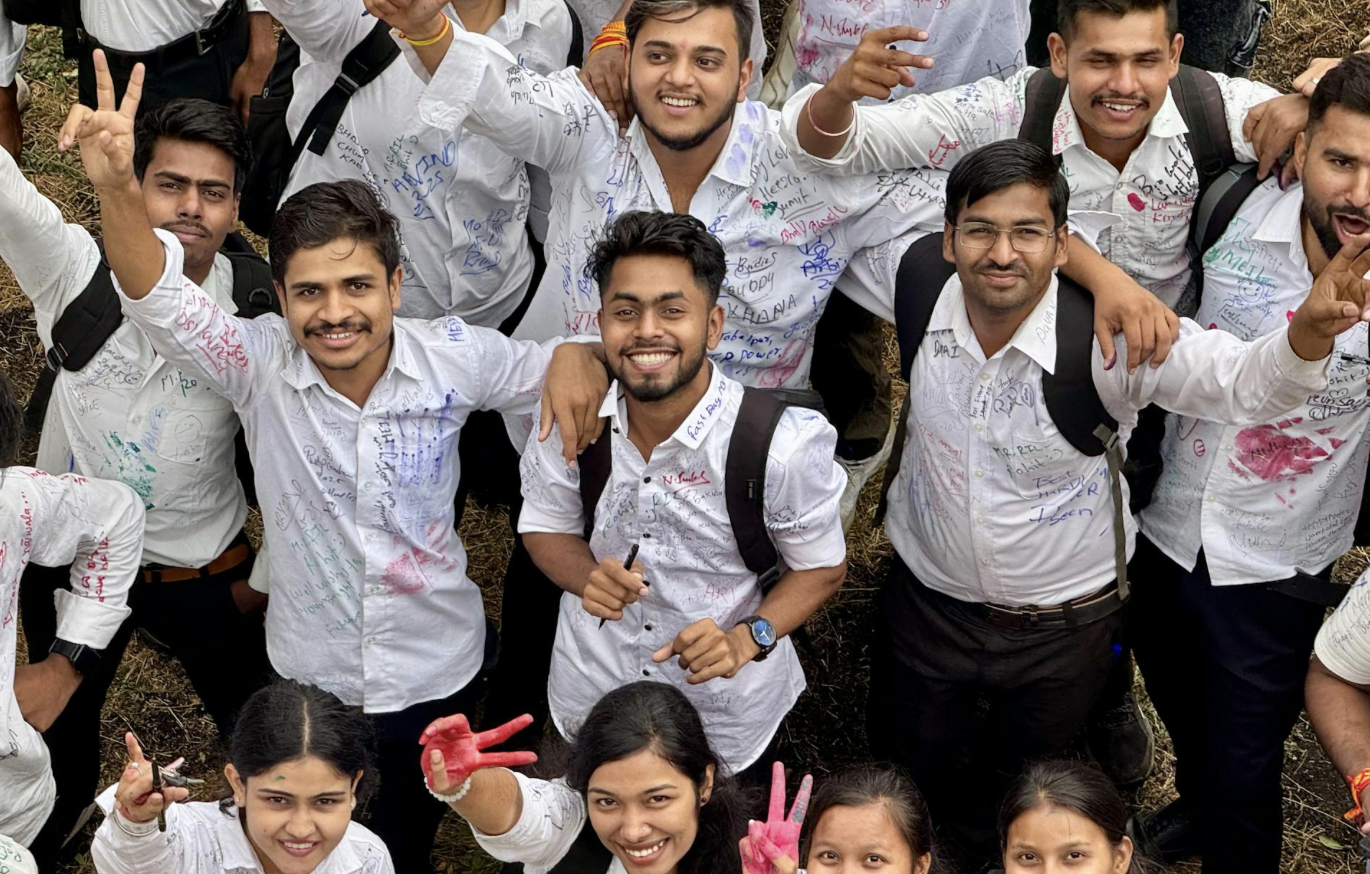
Image Credit: Yash Bakode from Pexels
Recommendation
Would I recommend reform? Absolutely. Society should recognize that being human is enough. A student who loves math, or music, or community service should not be forced to prove themselves in every arena.
All educational institutions must learn to value a 360 degree analysis on each human profile they come across, instead of imposing a blanket screening on all. Until then, American teenagers, indeed, teenagers from around the world will continue to live under impossible expectations, and the system will keep producing performers instead of explorers.