




Welcome back to my series exploring the 24 jie qi (solar terms) in Traditional Chinese Medicine (TCM)! In TCM the year isn’t just divided into four seasons; it’s separated into 24 jie qi based on the traditional Chinese calendar. Each jie qi lasts about two weeks and marks shifts in energy and nature and guides us on how to eat, rest, and take care of our bodies.
After enduring the cold from Dàxuě (大雪, Major Snow), Dōngzhì (冬至, Winter Solstice) signals the moment when darkness stops expanding and light slowly begins to return.
Let us slide into your dms 🥰
Get notified of top trending articles like this one every week! (we won't spam you)What Is Dōngzhì?
Dōngzhì begins when the sun reaches a celestial longitude of 270° and ends when it reaches the longitude of 285°. This usually falls around December 21-22 and January 4-5. In the Northern Hemisphere, it’s when the days are the shortest and when the sun reaches its lowest point in the sky.
Similar to the recent jie qi, Dōngzhì also represents the peak of yin energy. But different from them and more importantly, it marks the birth of yang energy. Even though the cold is still intense, yang energy is quietly beginning to grow beneath the surface.
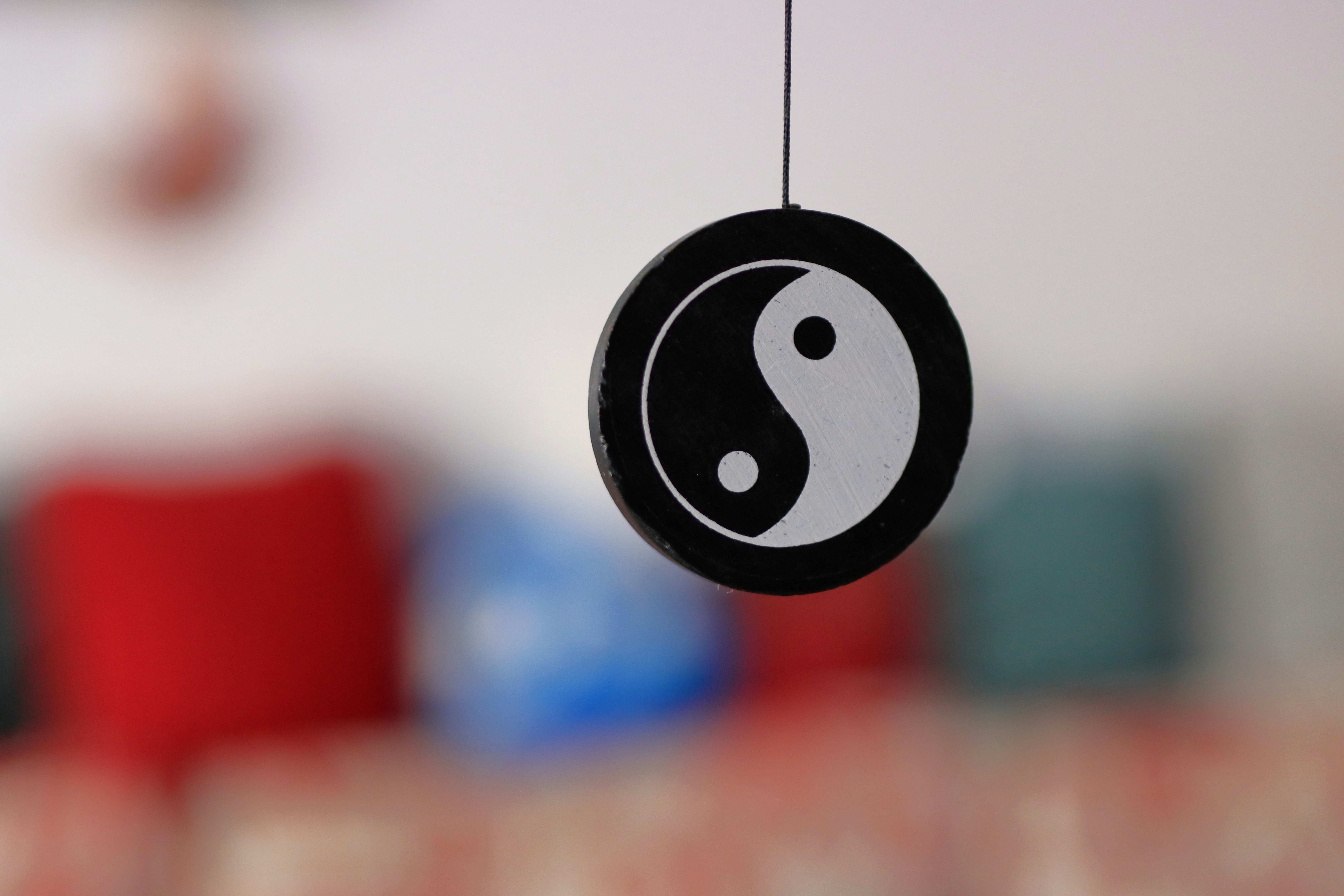
Photo Credit: Gabriel Vasiliu from Unsplash

Take the Quiz: Discover Your Ideal Stress-Relieving Hobby
Everyone deals with stress differently, and finding the right hobby can help you relax and unwind. Take this quiz to find out which stress-relievin...
Wellness in Dōngzhì (According to TCM)
Dōngzhì is all about supporting the yang energy that’s starting to return. There are a lot of recurring themes here:
- Keep Warm: Keep the abdomen, lower back, and feet warm to support kidney yang (governs vitality and long-term energy).
- Gentle Activity: Things like light stretching or walking help support yang energy without exhausting it.
- Avoid Extremes: Overworking, skipping meals, or intense workouts can disrupt the delicate yin–yang balance during this transition.
Seasonal Foods to Try
Foods eaten during Dōngzhì are meant to be warming and nourishing to support the return of yang energy. While many of these foods are similar to those eaten during earlier winter jie qi, the purpose has shifted from enduring the cold to rebuilding and restoring energy. Some of these foods include:
- Warming Soups — chicken soup, bone broth, or ginger-based soups that nourish deeply
- Root Vegetables — Chinese yam, carrots, lotus root
- Black Foods — black sesame, black beans, walnuts (linked to kidney health in TCM)
- Warming Teas — ginger, red dates, or cinnamon blends
- Tangyuan — glutinous rice balls, plain or filled with sesame, peanut, or red bean paste and eaten during the Dōngzhì festival (more on that later!)
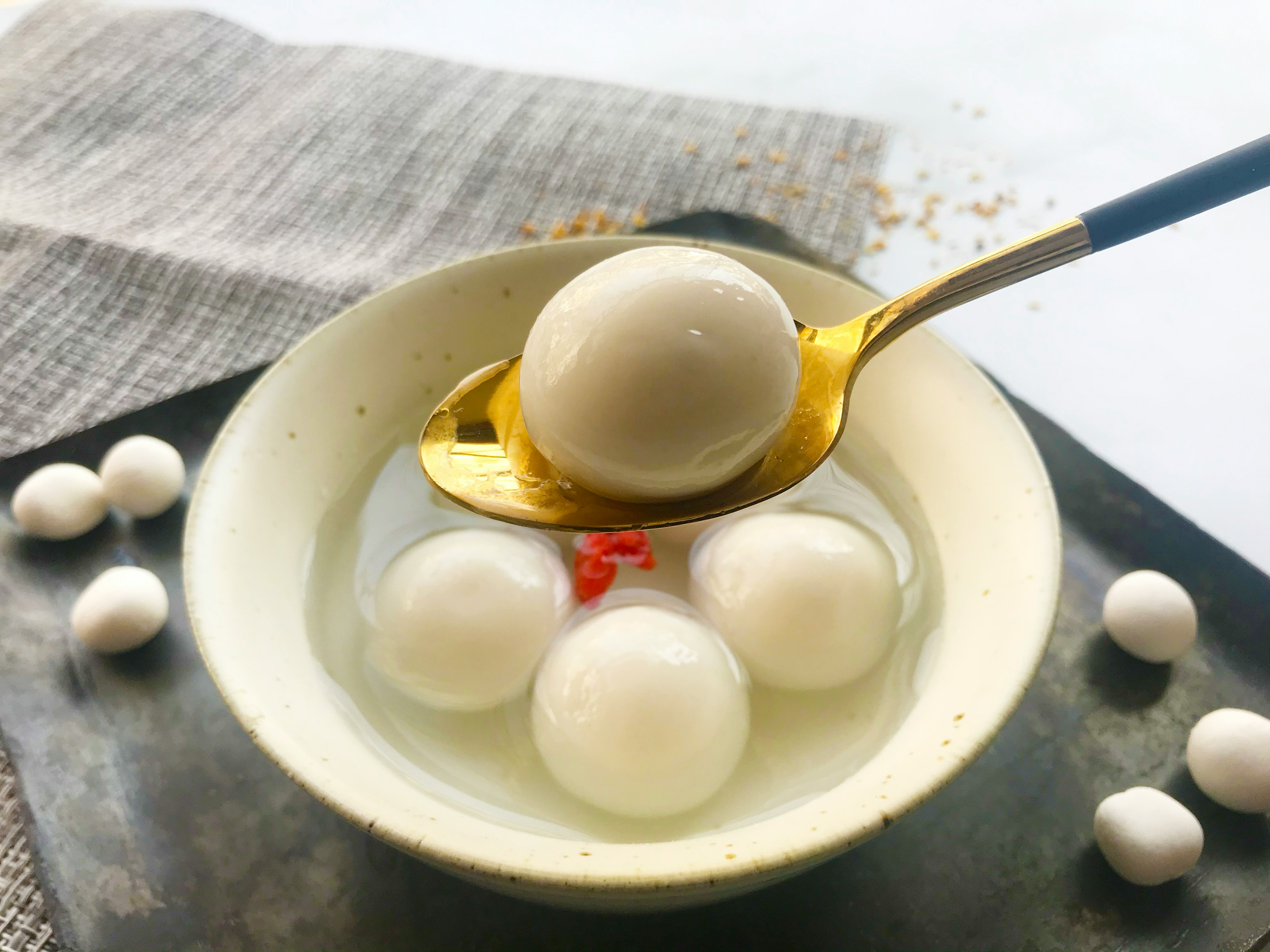
Photo Credit: shiyun from Unsplash
Why We Should Care
How you treat your body during Dōngzhì affects your energy not just for the rest of winter, but for the entire year ahead. As a reminder, yang energy is active, dynamic, and linked to warmth, brightness, and movement. Supporting its rebirth now helps your body store energy and stay resilient.
Ignoring this transition can lead to lingering fatigue, frequent colds, or low vitality. This jie qi is all about laying a strong foundation. Protecting early yang energy now sets you up for health and energy in the months to come.
The Cultural Side
During the Han dynasty, Dōngzhì was officially recognized as a day of rest and celebration, with even the imperial court suspending affairs. This rebirth of yang was considered fragile, so people were encouraged to slow down and eat warming foods to protect their vitality for the year ahead. These beliefs formed the foundation of what became the Dōngzhì Festival (冬至节).
Emperors held ceremonial rituals to honor the heavens and the earth, while families gathered for meals. Eating dumplings (more common in the north) or tangyuan (more common in the south) were a staple during this time of the year.
Today, the Dōngzhì Festival is still celebrated. On the first day of Dōngzhì (around December 21-22), families still come together to share traditional foods, and people use the day to rest up for the year ahead.
Takeaways
Dōngzhì (冬至, Winter Solstice) reminds us that even at the coldest point of the year, change is already underway. While winter still surrounds us, warmth and energy are quietly returning. Remember to rest and nourish deeply, as what you do during this jie qi affects your energy for the rest of the year.
Next up: Xiaohán (小寒, Minor Cold). Stay tuned for the next jie qi and more ways to live in sync with TCM!