





Climate Change and Agriculture
It has long been established that climate change has an overall warming influence on the Earth. Unfortunately, this warming influence can have a significant impact on food production worldwide.
Increased drought severity and length can dry out crops and make the land unsuitable for food production. Due to climate change causing increased aridity over many land areas, deserts are expanding worldwide into what was once fertile cropland. Extreme weather events such as floods, heatwaves, heavy precipitation, and sudden frosts can damage or even destroy entire yields of crops. For example, in China, due to increased flooding risks, rice yields have already declined. This is because when rice paddies are flooded for extended periods of time, the rice cannot survive.
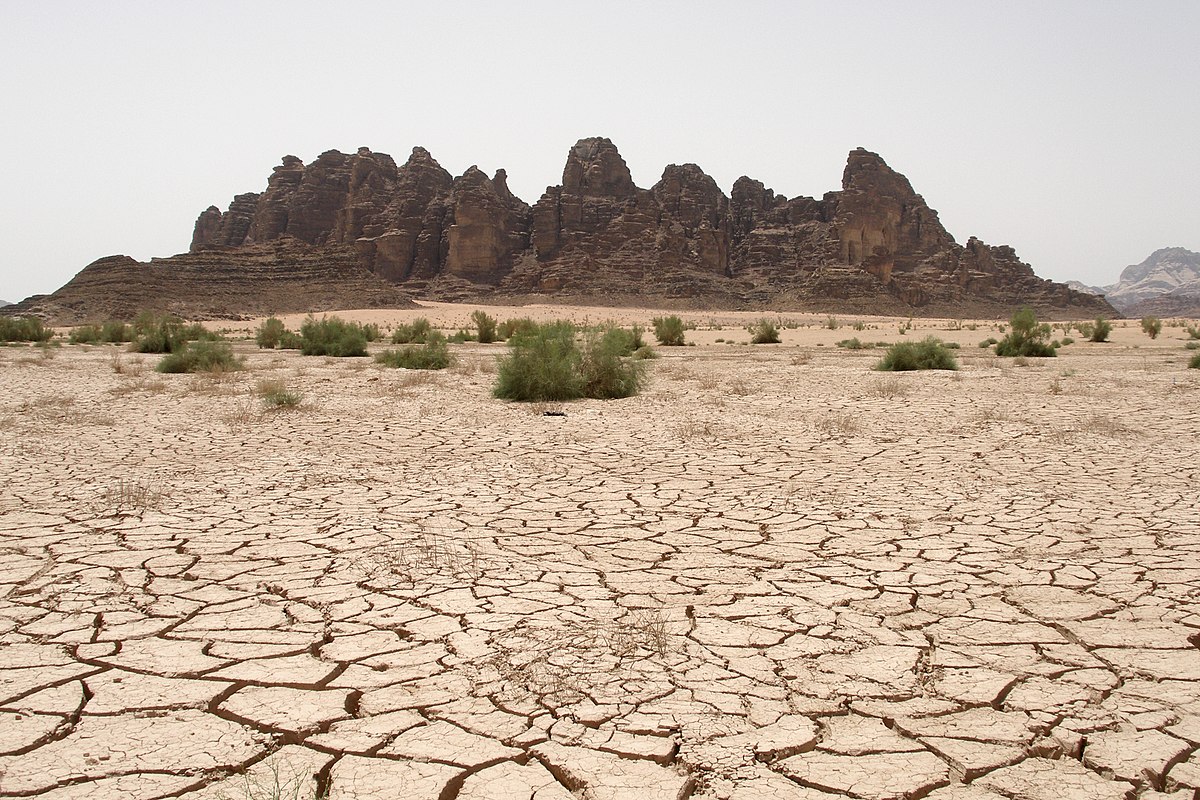
Image Credit: Vyacheslav Argenberg from Wikimedia Commons

This picture only gets worse once you realize that unsustainable farming practices have resulted in the erosion and depletion of fertile soils over vast tracts of land. In fact, 33% of the world’s arable land has been lost in the past 40 years alone. Depending on the conditions, it can take hundreds of years for even a few centimetres of fertile topsoil to reform.
Now, you may be wondering exactly how much food production will decline in the coming years due to climate change. The answer to that question entirely depends on how much the world will warm during this century.
According to one article, there is a 95% chance of warming being limited to below 2.5°C by 2100. For more optimistic scenarios, there is a 10% chance of keeping global temperature rise below 1.5°C for the rest of the century. There are many different views on the likelihood of various climate scenarios, but as of now, it seems that global temperature rise is most likely to be around 2°C by 2100.
Let us slide into your dms 🥰
Get notified of top trending articles like this one every week! (we won't spam you)The Future of Chocolate
This is an important statement to make because even a 1-degree difference in global temperature has an immense impact on food production. But I will get to that later. First, the matter with chocolate has to be settled.
This article is titled as Death to Chocolate: The End of our Favorite Food. To put your mind at ease, cocoa bean production (the stuff that chocolate is made from) is not going to grind to a complete stop, but it will, in fact, come close.
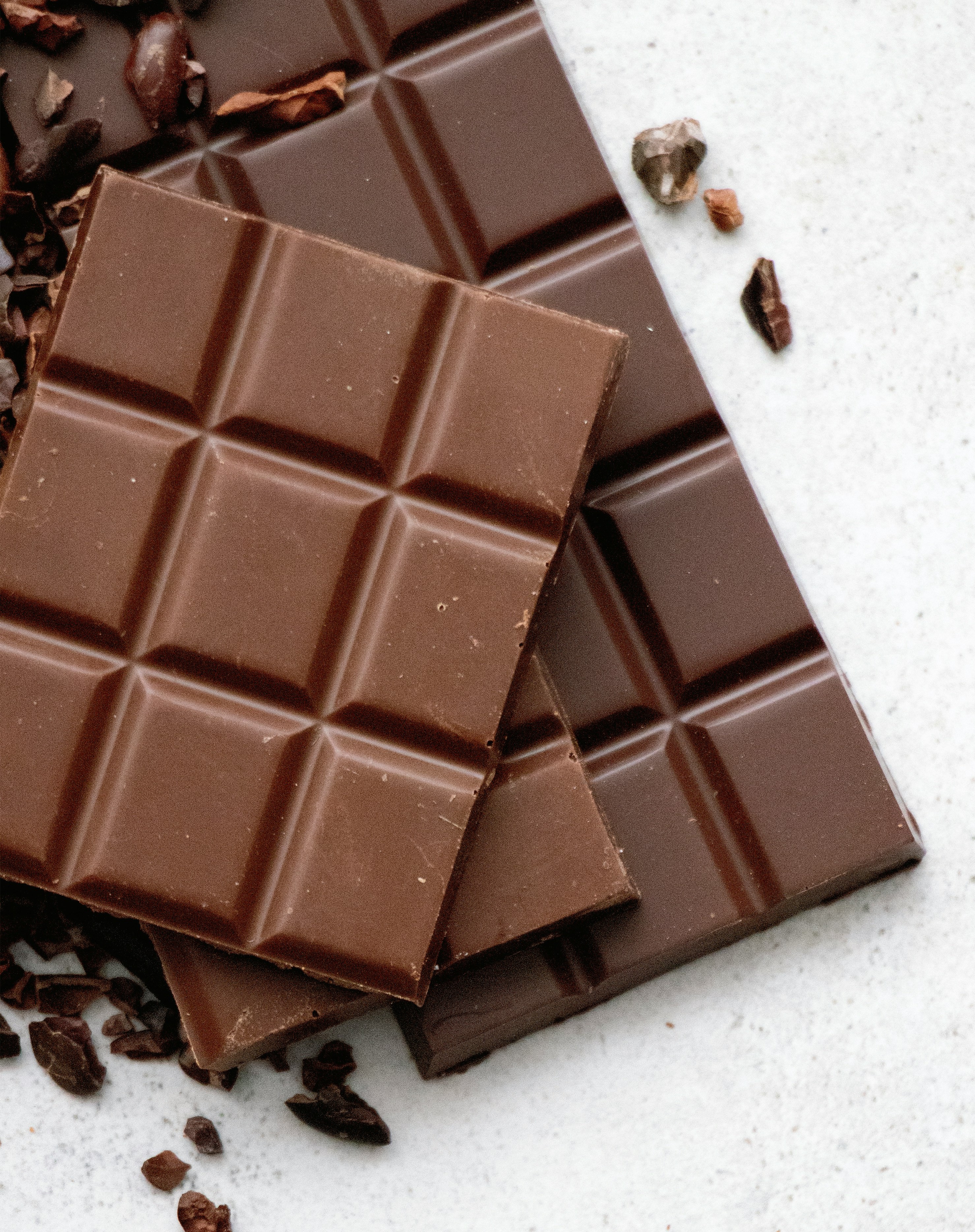
Image Credit: Tetiana Bykovets from Unsplash
According to this article, by 2050, cocoa-growing regions in parts of Ghana, Côte d’Ivoire, and Brazil are under serious threat. By 2080, the land for all of Ghana, Côte d’Ivoire, and Brazil, and also most of Nigeria, will become completely unsuitable for the production of cocoa beans.
Ecuador will also experience dramatic declines in cocoa yields. In case you did not know, these areas are responsible for the vast majority of cocoa production. Cameroon also produces some, along with Malaysia, but they currently make up a much smaller minority of cocoa bean production.
What happens next after cacao is no longer able to be produced in West Africa or South America is that other countries, particularly the ones in Southeast Asia, will start producing cocoa. However, that process is likely to take a while and will probably cause a few problems. One problem is that Indonesia has literally cut down half of all of its rainforests, when at one point in history, it was completely covered in forest. You cannot exactly grow cocoa on completely deforested, infertile ground. Nonetheless, cocoa production will continue, though it may experience significant declines.


Take the Quiz: Which aespa Member Are You?
Find out which aespa member you resemble!
The Impact of Climate Change on Food Production
However, enough about chocolate. What about other foodstuffs that billions of people worldwide depend on for living? By how much will their production be impacted?
Assuming that the world only warms by 2°C by 2100, on average worldwide, there will actually not be substantial declines in food production, except for soybeans, wheat, and lentils, sort of. They will experience declines in food production of roughly 12%. If you would like to see the percentage for production declines for 30 major foods yourself, you can click on this link and scroll down to the chart.
The fact that there will not be a major decline in food production may seem surprising to you if you have heard the statistic that food production worldwide will decrease by 24% or some other fact like that. The reasons for those more alarming statistics are that they are looking at more pessimistic scenarios where the world would warm by 3°C or more, which, mind you, is still a distinct possibility.
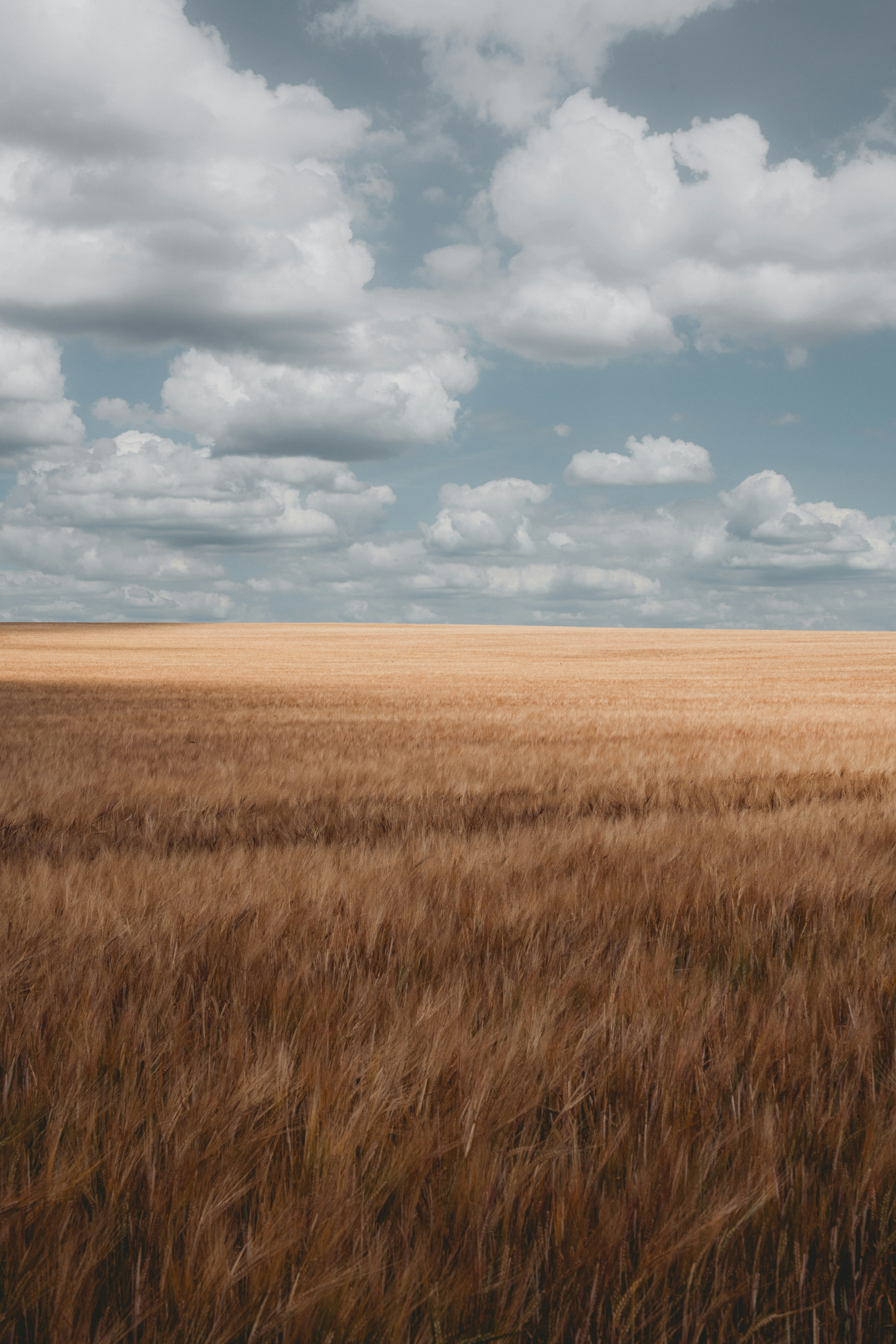
Image Credit: Jez Timms from Unsplash
Unfortunately, even though climate change may not have a huge impact on the actual amount of food produced, it can still have an impact on what the food contains. It has been proven in studies that as atmospheric carbon dioxide levels climb, many foodstuffs lose some of their nutritional value. In rice, if the carbon dioxide levels become high enough, its protein amount gets reduced by 10% along with a significant reduction in certain vitamins and nutrients. Rice alone is a staple food for 2 billion people worldwide.
There is some good news, though, maybe not for the nutrient content of foods but for their production. Adaptations to changing weather conditions, if fully implemented, could, at least in theory, offset any possible impacts climate change will have on food production.
Of course, it remains to be seen if such adaptations can be fully implemented in time and which ones are even viable for many farmers, but even so, it seems that climate change will not have a huge impact on general food production. It will be on chocolate, though, so I suppose enjoy it while it can still be widely produced from its current growing regions.
What You Can Do
And now we come to the part that mentions what you can do about this issue. If you want to truly help the environment and prevent any disruptions in the production of cocoa, limit your personal emissions as much as possible (you can learn how to do so from this article) and then do whatever you can to mitigate the impacts of climate change.
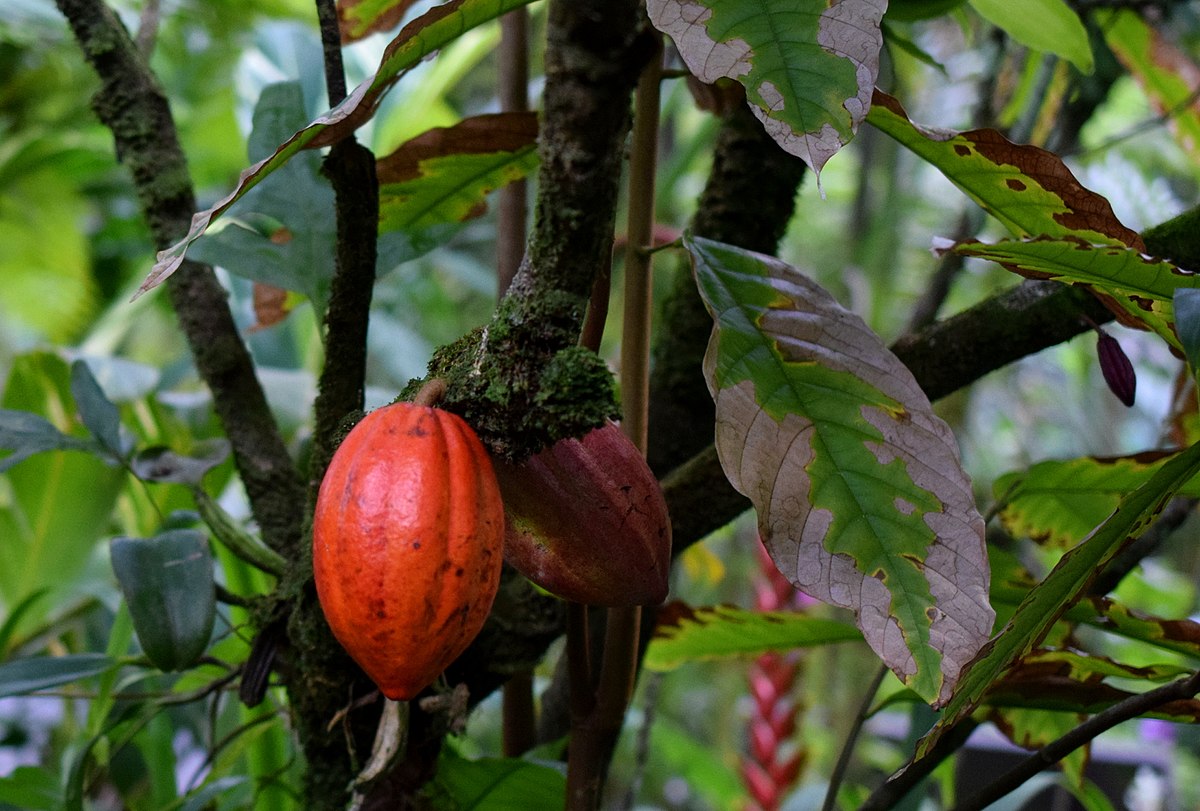
Image Credit: incidencematrix from Wikimedia Commons
.jpg)