




Welcome back to my series exploring the 24 jie qi (solar terms) in Traditional Chinese Medicine (TCM)! In TCM the year isn’t just divided into four seasons; it’s separated into 24 jie qi based on the traditional Chinese calendar. Each jie qi lasts about two weeks and marks shifts in weather, energy, and nature. It guides us on how to eat, rest, and take care of our bodies.
After Xiǎoxuě (小雪, Minor Snow) brought the first signs of winter, Dàxuě (大雪, Major Snow) marks a bigger turning point. As per the name, light snow becomes heavier and the cold intensifies.
Let us slide into your dms 🥰
Get notified of top trending articles like this one every week! (we won't spam you)What Is Dàxuě?
Dàxuě usually begins around December 6 and lasts until about December 22 and is the 21st jie qi of the year. In TCM, this period represents a peak in yin energy. Nature becomes quiet and still, and the body is encouraged to do the same.
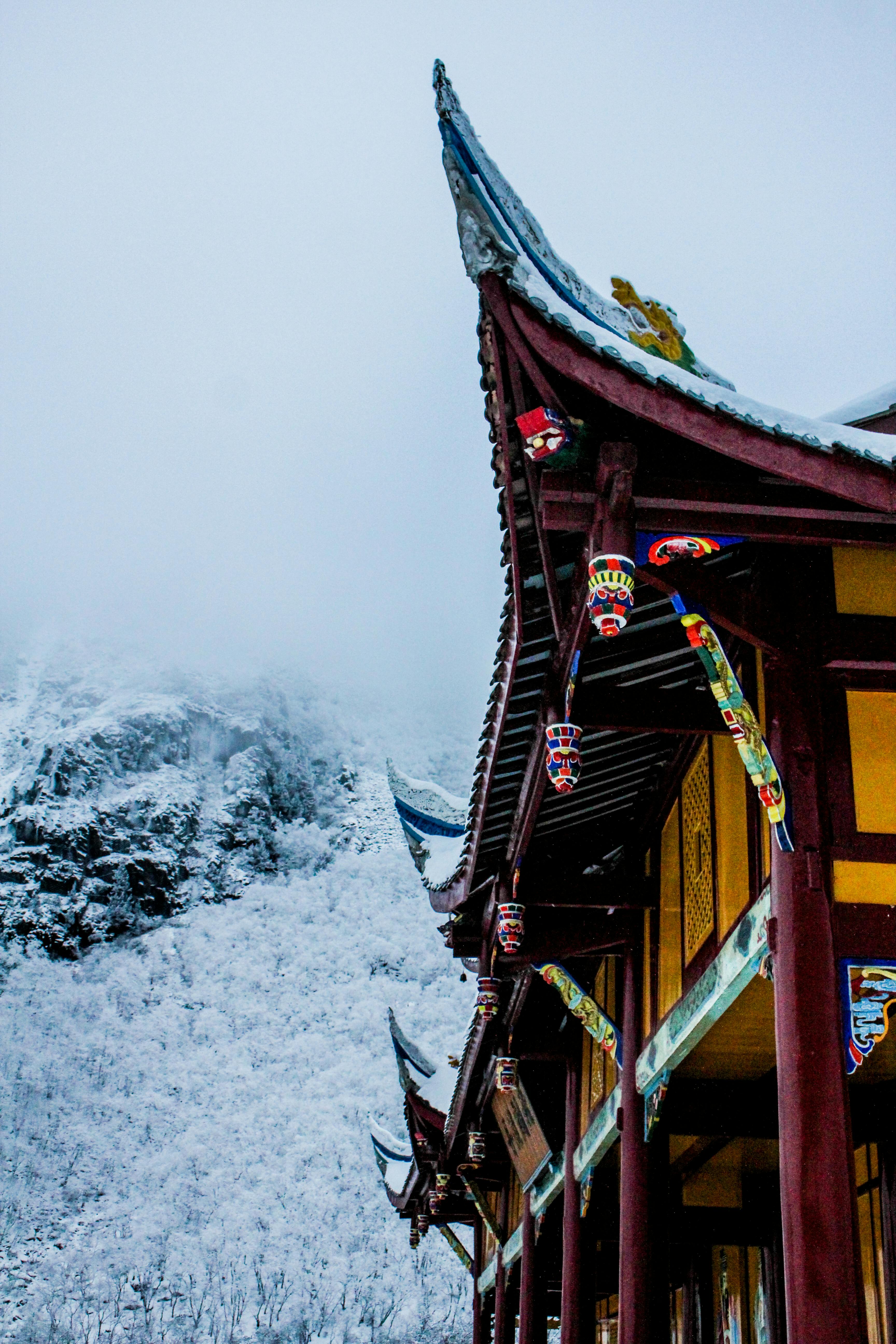
Image Credit: Lan Yao from Pexels

Take the Quiz: Discover Your Ideal Stress-Relieving Hobby
Everyone deals with stress differently, and finding the right hobby can help you relax and unwind. Take this quiz to find out which stress-relievin...
Wellness in Dàxuě
While Xiǎoxuě was more about adjusting to cold, Dàxuě is about enduring it. Here are a few things to do this jie qi to do just that:
- Preserve Warmth: Pay special attention to the lower back, abdomen, and feet (closely linked to kidney health in TCM).
- Avoid Overexertion: Intense workouts or being too busy can drain energy reserves meant to last through winter.
- Prioritize Recovery: Stretching, warm baths, and consistent sleep help your body recharge.
Seasonal Foods to Try
Foods eaten during Dàxuě should be warming, strengthening, and meant to sustain you through prolonged cold. Some of these may include:
- Hearty Soups and Stews: bone broth, lamb soup, chicken soup with ginger
- Root Vegetables: daikon radish, Chinese yam, lotus root
- Protein-Rich Foods: eggs, tofu, beans, and slow-cooked meats
- Nuts and Seeds: walnuts, chestnuts, black sesame
- Warming Teas: ginger, red date, or cinnamon-based blends
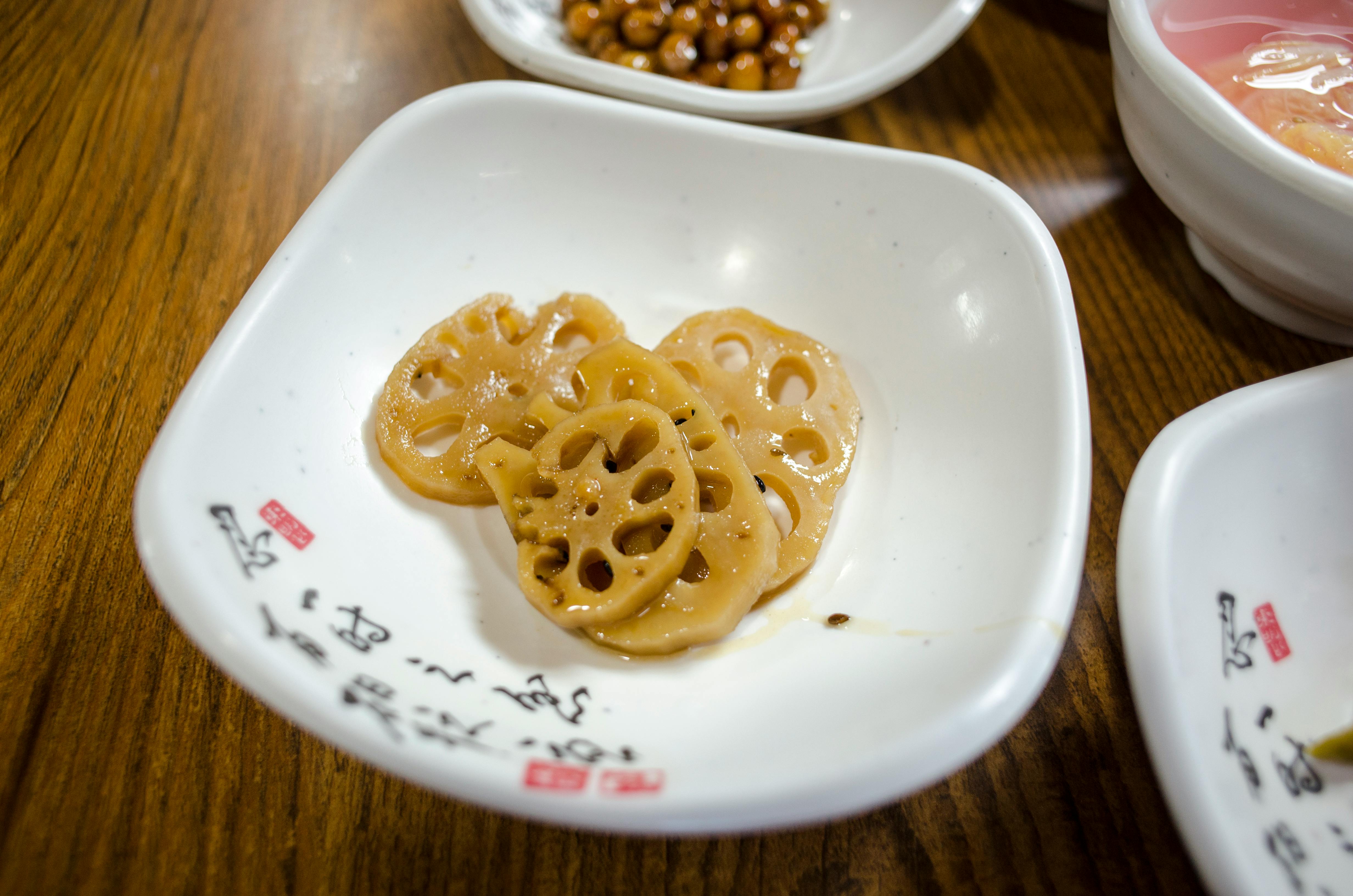 Image Credit: makafood from Pexels
Why We Should Care
Fatigue often builds up during Dàxuě. This is because the excitement of early winter has worn off, daylight is limited, and many people may feel run-down or unmotivated.
From a TCM perspective, this is when energy depletion (when the body burns through qi and warming energy faster than it can recover it) becomes a real risk. If you’ve been pushing through cold weather without enough rest, your body starts to show it through frequent illness or difficulty staying warm.
The Cultural Side
Historically, Dàxuě was a time of retreat. Farming had largely stopped, and daily life centered on staying warm and getting through one of the coldest times of the year. Families relied heavily on foods preserved earlier in the season, like dried grains and pickled vegetables (refer to my Xiǎoxuě article for more information!) and spent more time indoors to prepare for the year ahead. In some regions, officials used this period to check grain reserves and make sure they were prepared for the rest of winter, since heavy snowfall could affect travel and food supply.
Takeaways
Dàxuě is not the time to rush or ignore your limits. Instead, it’s a season for conservation because resting now allows us to make a full comeback later. As the year winds down and the cold settles in, Dàxuě reminds us that stillness is a form of preparation and teaches us the importance of rest.
Next up: Dōngzhì (冬至, Winter Solstice)! Stay tuned for the shortest days of the year and the moment when yang energy quietly begins to return.