






They say that your hair is a crown you never take off.
In case you think there’s a catch here, let me break it to you that there isn’t, because no matter how hard I tried to alter the said crown to my liking, it always remained adamantly perched on my head with no intention of ever leaving me.
Like most curly-haired girls, I grew up hating the bush that sprang out of my head. It was enormous, unruly, and frizzy. It was tenacious. It made me feel like all the weight of the world had somehow been arrested in my hair, bogging me down with self-loathing and disgust that felt impossible to distance myself from – as if I were trapped in incorrigible quicksand.
My hair would wake up each morning and haunt me with new, annoying tricks. On some days, the bush would expand as if it had swallowed an entire galaxy of frizzy objects. On some other, a few strands would twist so erratically that they would stick out like hanging, teasing tongues of mischievous toddlers.
Dance parties, workouts, beach trips and other occasions when my scalp would trickle with drops of sweat would be a nightmare. I used to dread fun events only because by the end of them, I would end up looking like Monica Geller in Barbados. I would envy those with hair that didn’t misbehave in the way that mine did: hair that didn’t betray and change form so drastically, with something as insignificant as sweat being enough to trigger two-facedness.
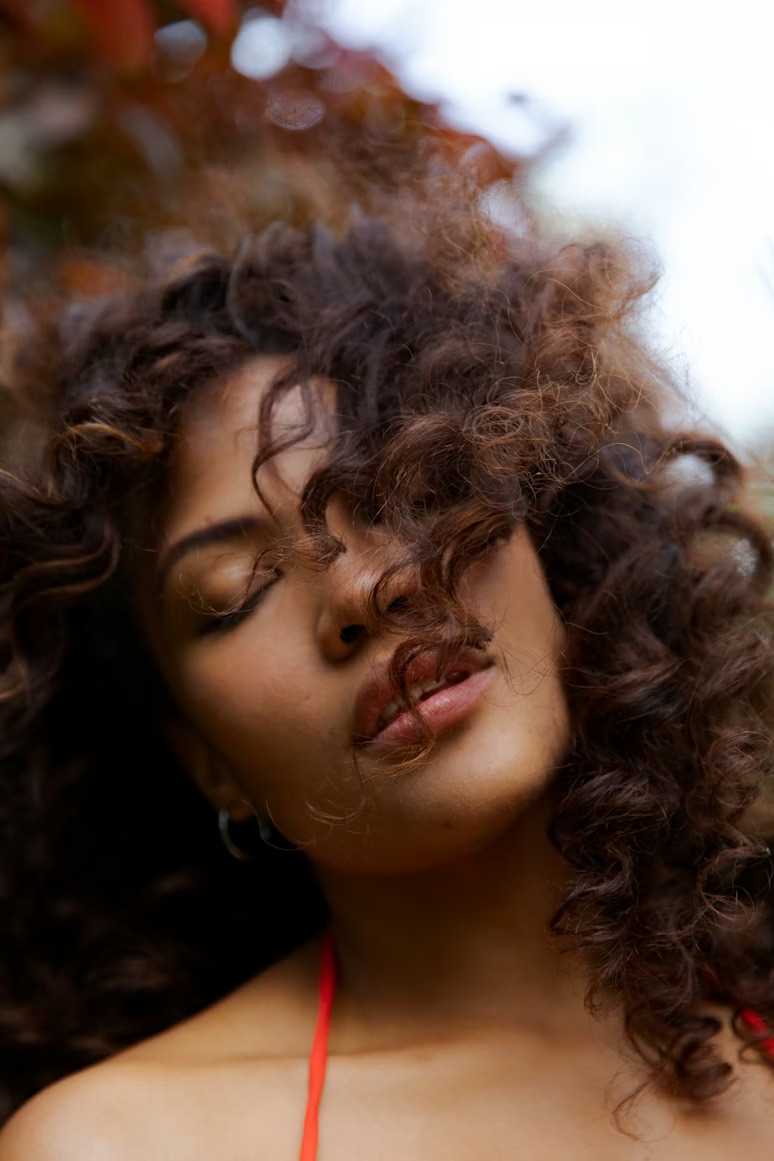
Image Credit: Thais Varela from Unsplash
More than once in my childhood, my frustration with my hair reached its pinnacle, and I impulsively butchered my hair into hideous bob-cuts, naively thinking that the shorter my hair, the less there is to manage. But of course, I learnt the hard way that the shorter the hair, the more likely they are to balloon up. I used to look like I was wearing a rough ring of remorse.
As a seven or eight-year-old, I remember having ridiculous conversations with my mother (who has smooth, straight hair by the way) about how I would get my hair chemically treated and permanently straightened the moment I turned eighteen. She would look at me with teary eyes as she sympathetically listened to my rants.
My teenage years were no different. The amount of time and money I have spent on straighteners and blow-dry brushes is agonising in retrospect. I used to watch movies like Pretty Woman and The Princess Diaries, where both Julia Roberts and Anne Hathaway were perceived as unattractive and unworthy when they sported their natural, poufy hair.
Only when they had a makeover and shiny blowouts did they suddenly come to be considered elegant and beautiful by society. If goddesses like Julia Roberts and Anne Hathaway could be shunned because of their frizzy hair, I obviously convinced myself that there was no way for me to feel even remotely pretty with my natural, unkempt hair.
Cut to the rise of the ‘clean-girl aesthetic’, which made life a living [censored] for big-haired girls like me. The advent of ‘slick-backs’ only worsened my insecurity as images of women with straw-straight, shimmering and perfectly glazed-back hair flooded my social media feeds. It was literally all that everyone saw, so much so that we all became indoctrinated with the idea of hair that was carefully styled and didn’t move an inch as being the ultimate symbol of glamour.
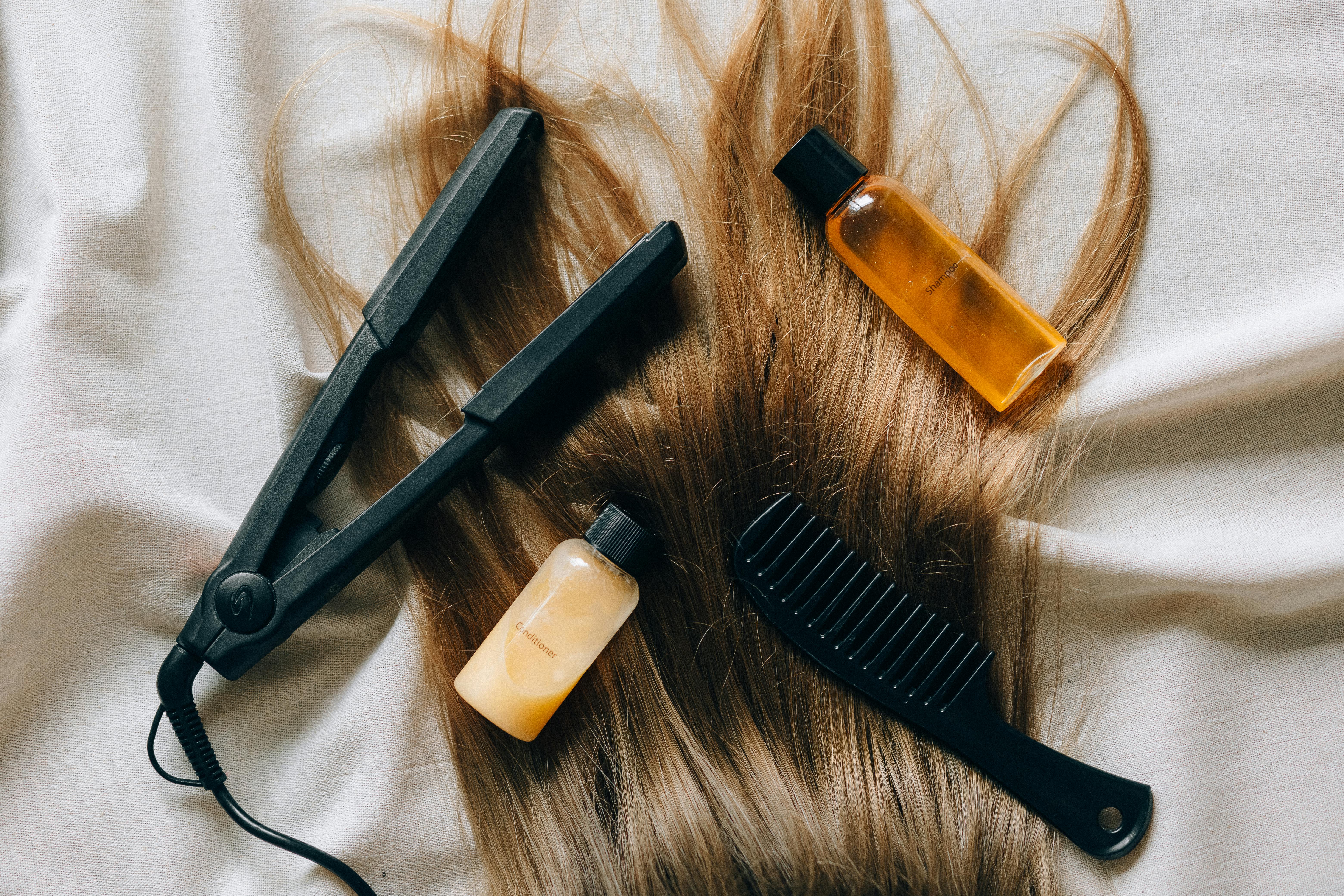
Image Credit: Nataliya Vaitkevich from Unsplash
My relationship with my hair radically changed when I reached university, though. I found myself suddenly flung into surroundings where people cradled their tousled locks with pride. I found a solid representation of curly hair, something I had been deprived of at home, where the majority of my closest family and friends had ‘societally-acceptable’ seamless hair whose every strand pricked me with a bleeding inferiority complex.
Somewhere in the busyness of university, I stopped having the time to splinter my hair with hot rods after every wash. Or maybe there was time, but I stopped feeling the need to allot some towards confining myself to societal beauty trends and expectations.
With every wash that I chose not to paint my hair with artifice, I found slivers of empowerment creeping through me. It was an uplifting feeling as I saw myself rebelling against all the attractiveness ideals that I had drilled in my mind. I started relying on curl creams and not tormenting heat that had started to boil even the insides of my head, reaching my brain and messing with self-confidence and body image.
I want to thank all the curly-haired girls at my university who have unknowingly – by simply strutting around campus with their hair, leaving trails of defiance – inspired me to embrace my natural locks. The ‘clean-girl’ aesthetic doesn’t seem so appealing now that I have started to love the craziness of my hair. The unpredictability of my hair and the different turns and twists it takes every morning doesn’t scare me anymore.
In fact, I wake up with invigorating excitement as I undo my braid and discover what my hair has in store for me for the day. The ripples have started to enchant me.
While I do regret having put my gorgeous hair through so much misery growing up, I am grateful that I could channel all that self-criticism into self-love. My hair still balloons up when I sweat, and to avoid it from whipping my face, I simply tie it back instead of complaining. I let it be.
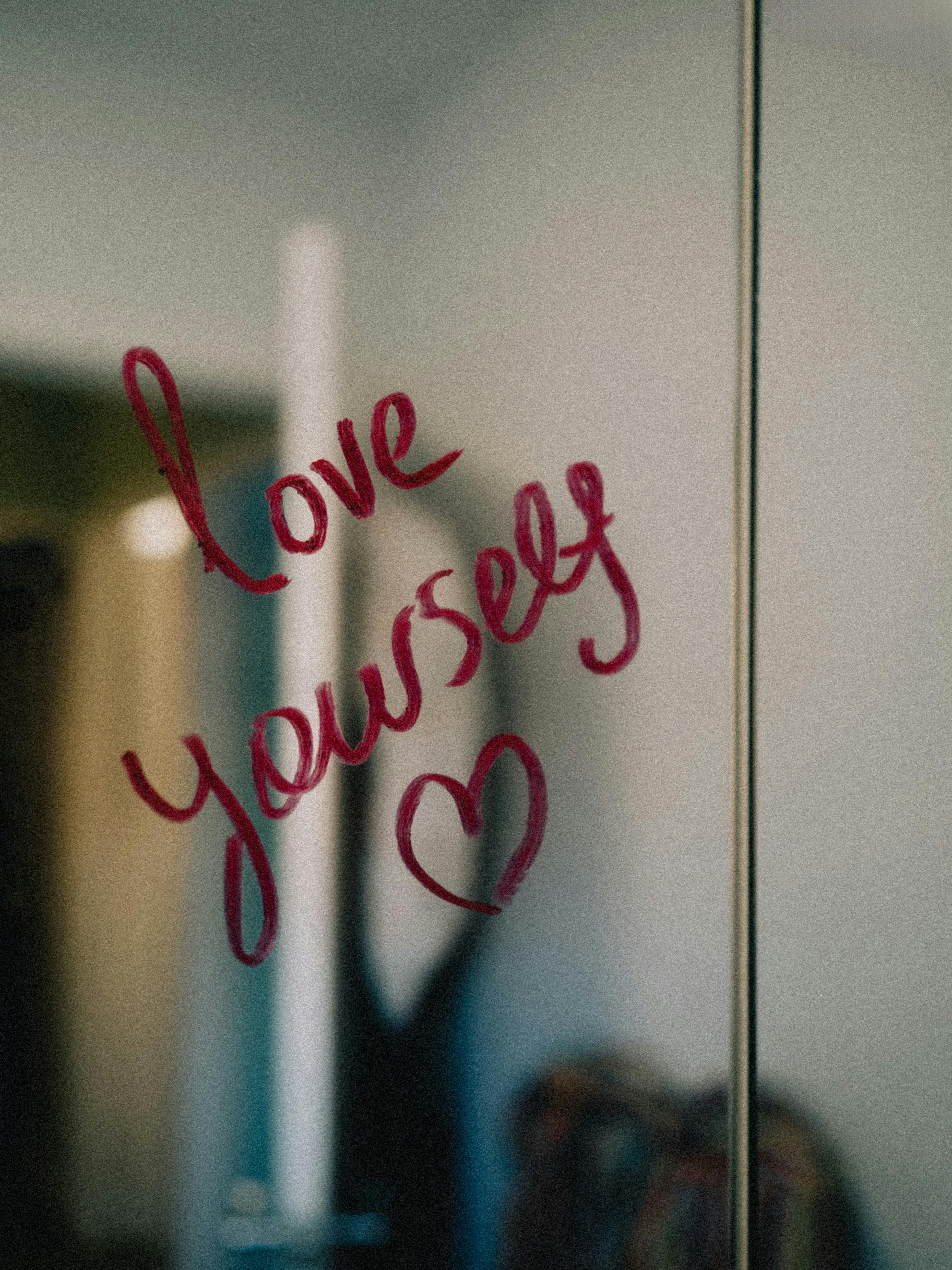
Image Credit: Lisa from Pexels
We have all heard of the ‘curly-hair theory’, and that hair tends to curl and come closer to its natural texture when girls fall in love. This likely happens as we no longer want to continue pretending once we find someone who is our safe space, someone we can trust with the bulk of our hearts. But what if we all fall in love with ourselves first by allowing our hair to be wild and free, instead of giving the power of self-discovery and acceptance into the hands of a man?
As I have denuded my hair of fraudulence, I have realised that trying to compartmentalise loud hair is like chopping down trees in a dense forest. It’s an act against nature, a disguise of true character.
Don't get me wrong, though: I still enjoy an occasional blowout for a different, sleeker look. But now, the urge to change my hair does not stem from despising its natural form, as it did before.
When I was younger and in my phase of deploring my hair, I was shattered when a guy friend jokingly told me that my hair was so thick and frizzy that my ponytail looked like a broom.
Today, as I have finally stripped myself of the dust that conforming to societal beauty norms had tainted me with, I wish there existed a magic broom with which I could clean the contaminated ideas of beauty that our society still holds.
