


Imagine choosing your future kid’s eye color, height, or even IQ, not through luck, but in a lab.
Using a powerful gene-editing tool called CRISPR, scientists have already edited human embryos. Actual babies, born with lab-edited DNA, already exist. Wild.
So how close are we really to customizing everything from intelligence to athleticism? CRISPR has already been used to make real changes to human DNA. As strange as it sounds, the conversation around "designer humans" is no longer just about science fiction. It’s slowly becoming part of real life.
So what does this actually mean? And how far can it go?
Let us slide into your dms 🥰
Get notified of top trending articles like this one every week! (we won't spam you)What Even Is CRISPR?
CRISPR (say: crisper) is basically a pair of tiny, molecular scissors that can cut and rewrite DNA, the code that makes you you. Scientists can use it to delete, fix, or even add genes.
Originally, it was hyped for curing diseases like cancer and sickle cell anemia (huge win), but now it is being used to enhance humans, stronger bodies, better brains, prettier faces.
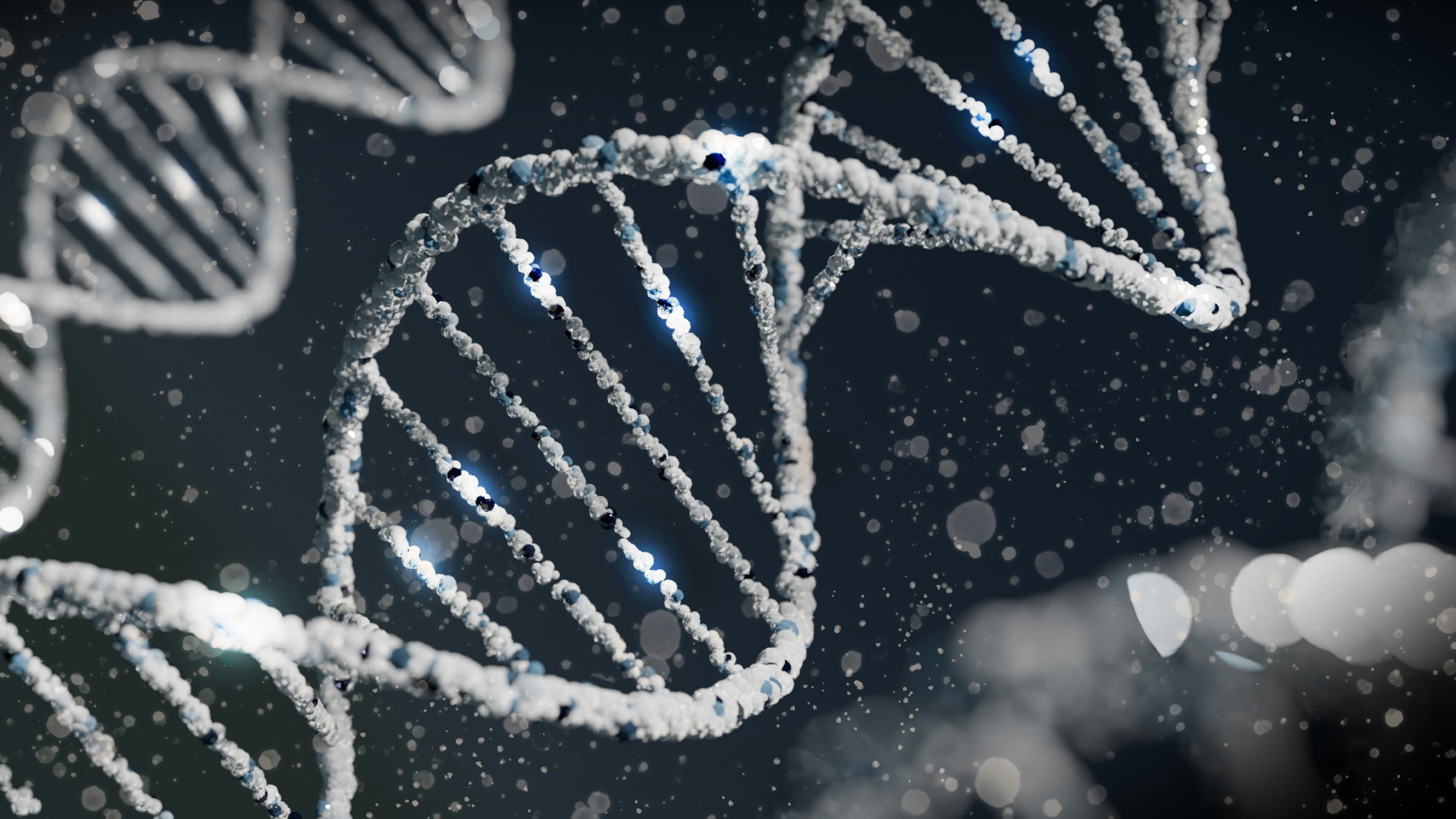 Image Credit: Sangharsh Lohakare from Unsplash


Take the Quiz: Are You a Good Cook?
Think you're a good cook? Well, take this quiz and find out...
The First CRISPR Babies: What Actually Happened?
In 2018, Chinese scientist He Jiankui shocked the world when he announced that he had edited the genes of twin girls, Lulu and Nana, to make them resistant to HIV. This was the first time humans had been genetically modified at the embryo stage. The scientific community went into full panic mode.
Why? Because those changes weren’t just for Lulu and Nana. The edits were made in embryos, meaning they can be passed on to future generations. We’re talking about permanent changes to the human gene pool.
He Jiankui was sentenced to prison for violating medical ethics, but the genie was out of the bottle, and the fact remains: the first CRISPR babies are real. This isn’t just a "someday" scenario; it’s already started.

Image Credit: Reynardo Etenia Wongso from Unsplash
Can We Really Edit for Looks or Intelligence?
When it comes to things like eye color or a single-gene condition, editing is more straightforward. But traits like intelligence, personality, or athletic ability are shaped by hundreds, sometimes thousands, of genes, plus environment and upbringing.
So right now, we’re not at the point where you can "custom build" someone’s personality or abilities. But science is moving fast, and we’re learning more about the genetics behind complex traits every day. It’s not impossible to imagine a future where this becomes a serious conversation.

Image Credit: National Cancer Institute from Unsplash
What Makes This Complicated
Even though it’s exciting, the idea of editing humans raises a lot of questions. Would this technology only be available to the wealthy? Could it change how we think about identity and fairness? And what happens if something goes wrong?
There’s also the pressure it might put on future kids, to live up to traits they didn’t choose, but were selected for them.
Right now, many countries have rules against using CRISPR for anything beyond treating diseases. But as research continues, we’ll likely see more discussion about where to draw the line.
Why It Matters
For our generation, this isn’t just science, it’s also about the future we’ll grow up in. We’re used to living in a world where tech shapes nearly everything, from social media to school. But CRISPR is different. It reaches into something much deeper: who we are at a biological level.
This article isn’t here to give you a final answer. It’s just here to explore what’s happening, how close we really are, and what we might want to think about as the conversation grows.
Gen Z, This Is Our Debate
We’re the generation that grew up on dystopias, deepfake filters, and glow-ups. We’ve seen how tech can both empower and mess with identity. Now we’ve got to ask the real questions:
- Would you edit your future kid’s DNA if you could?
- Should we draw a line between healing and enhancing?
- Can we trust science to be used ethically?
This isn’t just about science, it’s about what it means to be human.