

.jpg)

On the 7th of October, the world saw an unimaginable terrorist atrocity unfold. Hamas launched a brutal attack on Israel, killing and injuring hundreds of civilians, among them women, children, and the elderly. As news emerged, the global Jewish world—my world—watched in disbelief as the very underpinnings of our security and safety seemed to be ripped out from under us.
The attack was not just an attack on Israel, but an attack on the principles of peace, humanity, and justice that so many of us hold dear. In the aftermath of such a terrible event, the reactions of institutions, especially universities, were under a microscope. One such university was Columbia University, where the university president, Dr. Minouche Shafik, had been facing criticism for her words and actions that seemed to rationalize violence and anti-Semitism.
As a Jew, I was left with a deep sense of unease when, instead of making a clear condemnation of the attacks, Dr. Shafik's own reactions were mixed and, at points, downright troubling. Her response to the issue only served to fuel a poisonous narrative that's been growing on college campuses—one that seems to legitimize violence against Jews in the pursuit of political activism.
When she gave a speech supporting the pro-Gaza movement without criticizing the atrocities committed by Hamas, it was a stark reminder that, for some, anti-Semitic speech is being legitimized, even shielded, under the guise of free speech. This speech has resulted in a hostile environment for Jewish students and professors, making them feel threatened and excluded in a setting that is meant to be accepting and inclusive.
Dr. Shafik's resignation is a positive and, quite frankly, long-awaited step in the right direction. Her leadership was tainted by a series of controversies—none more damaging than her stance during one of the most horrific crises to befall the Jewish world in recent memory.
While Columbia University prides itself on being a bastion of intellectual diversity, the administration of Dr. Shafik at times seemed more concerned with appeasing anti-Israel factions than with protecting the safety and dignity of Jewish students. Colleges should be places where ideas are challenged and contested, but never places where hate is allowed to gestate, where violence is justified, or where certain groups are allowed to feel threatened.
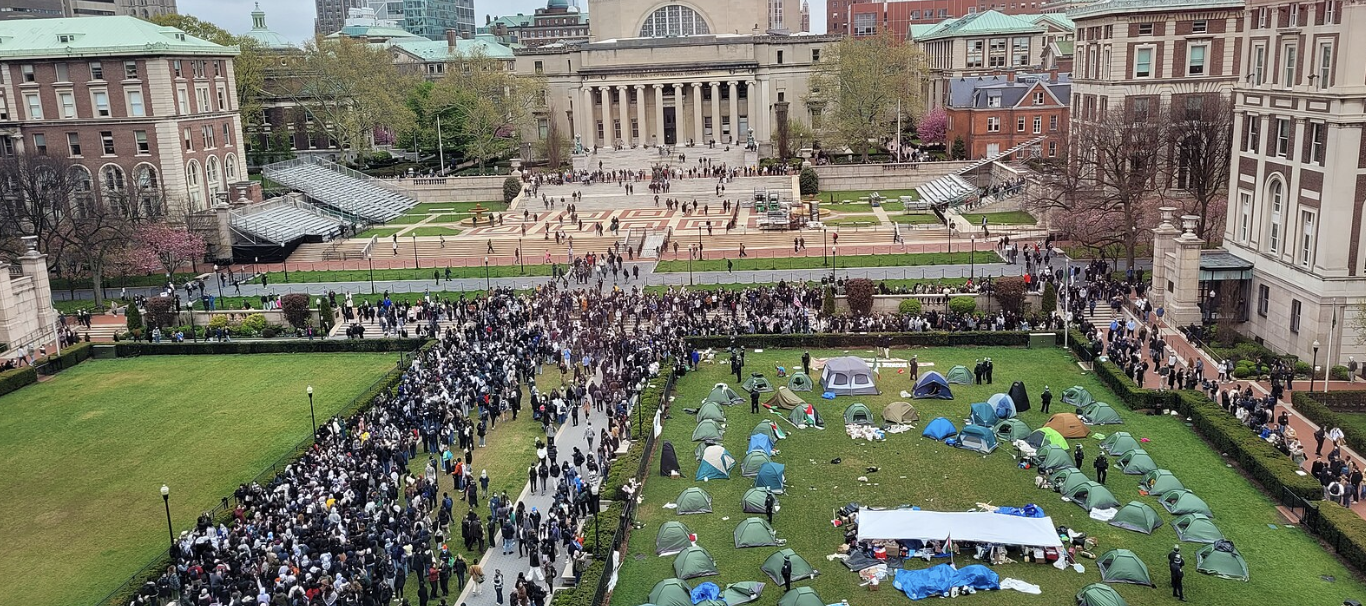 Image Credits: عباد ديرانية fron Wikimedia Commons
Her resignation, perhaps a difficult decision for some, is a sign of accountability. The fact that a leader like Dr. Shafik can step down amid such controversy says volumes to universities across the country: Anti-Semitism will not be tolerated.
It is not enough to simply stay quiet in the face of hate—it must be actively opposed. As a Jewish student, I am grateful that someone who allowed such rhetoric to flourish is no longer at the helm of one of America's most prestigious universities.
The resignation also gives Columbia the opportunity to return to the right path. The new president must be someone who welcomes inclusivity and safety for all students, regardless of their race, religion, or politics. They must be someone who understands the importance of standing up for Jewish students, particularly in moments of crisis like what occurred on October 7th. They must be someone who can foster a climate where all students would be comfortable expressing themselves free from harassment and discrimination.
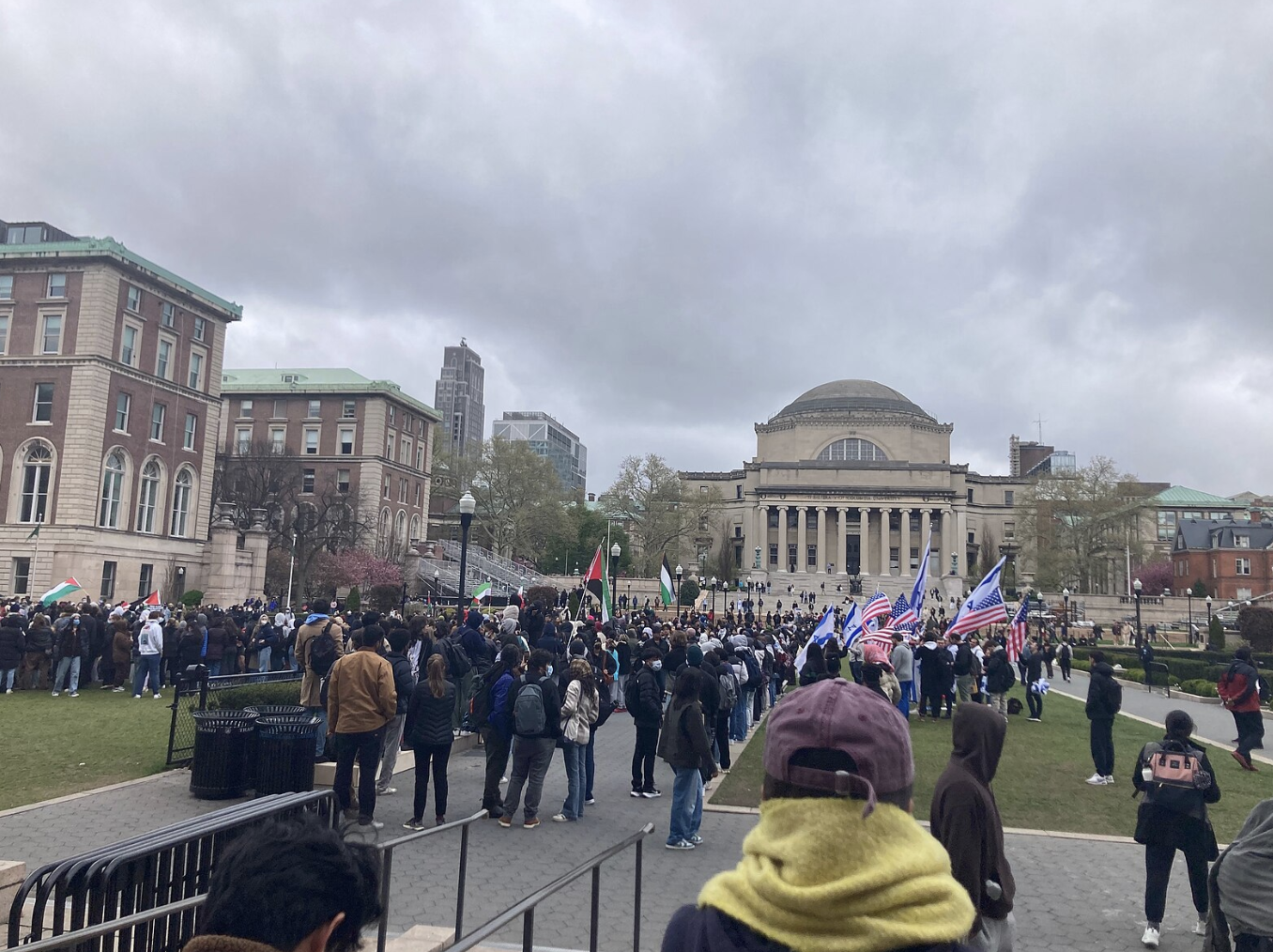 Image Credits:Emjackson42 from Wikimedia Commons
It's not just a matter of finding a new leader—it's finding a leader who is attuned to the seriousness of the current climate and who will make difficult decisions in the interest of justice and safety. The university has an opportunity now to rebuild trust and to model how it will address hate and divisiveness in the future. A new president needs to prioritize inclusivity and create a climate in which Jewish students believe they can thrive without fear of marginalization or silencing.
Dr. Shafik's resignation might have come after a firestorm of controversy, but it's a firestorm that has opened the way to change that is long overdue. Although the damage has been done, it will be the actions moving forward that will dictate whether Columbia can bounce back from this point and emerge stronger, safer, and more committed to the ideals of justice and equality for all.
As a Jew, I am relieved to know we are no longer under the leadership of someone who contributed to a culture of fear and divisiveness. Now, Columbia University has the opportunity to finally live up to the ideals that it purports to stand for.
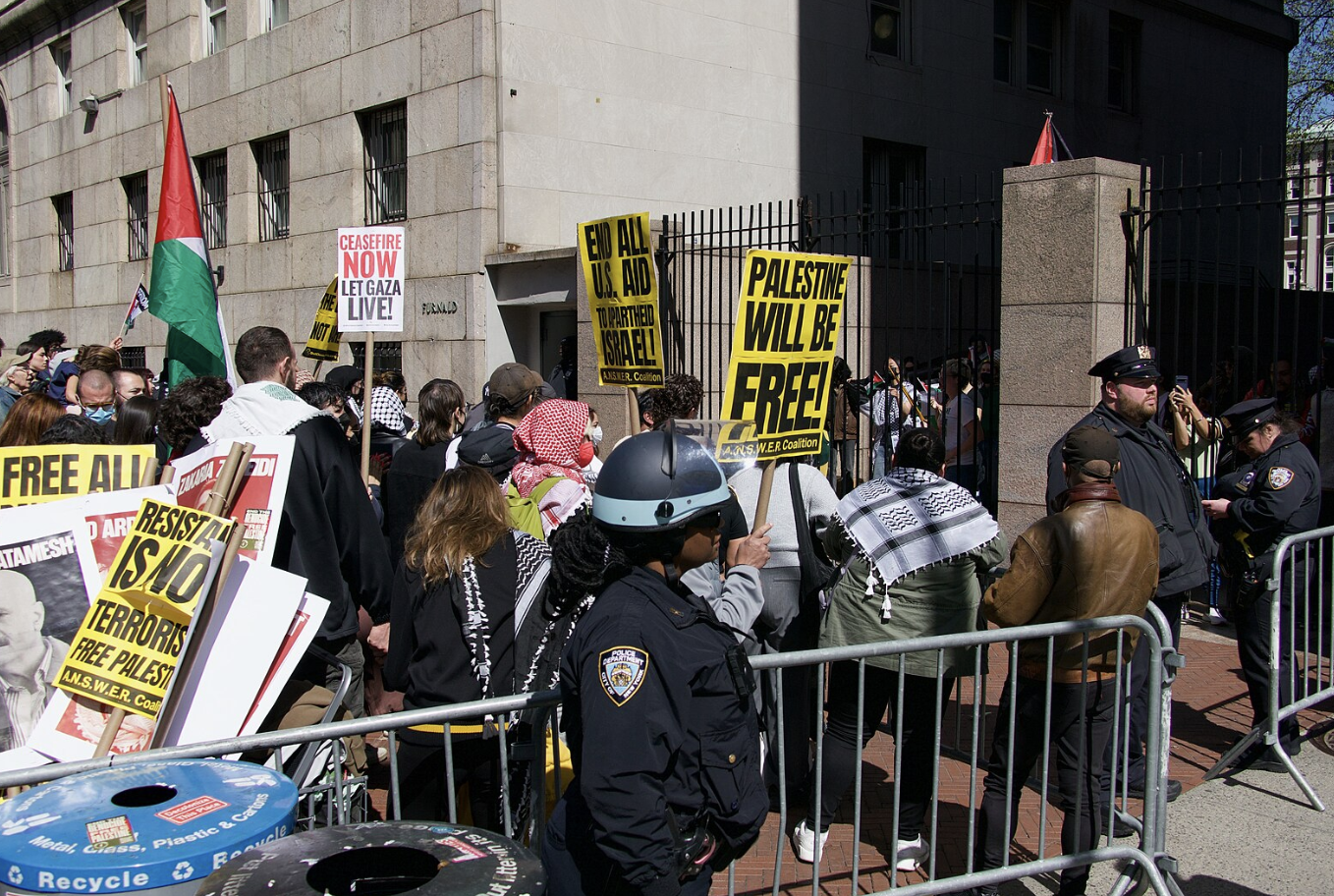
Image Credits: SWinxy from Wikimedia Commons


