




Let’s Be Honest: The Word “Cancer” Hits Different
Cancer isn’t just a word, it’s a memory, a name, a hospital smell I can't forget—a Google search I never wanted to find. Well, if cancer research is scary, daunting, or just too much, it is a completely valid feeling.
But let’s get one thing straight: this is the most hopeful era in the history of cancer research, and this is the first time in history when we’re learning how to fight cancer smarter, kinder, and together. For the first time, survival is no longer an exception—it’s becoming an expectation.

Image Credit: Getty Images via Unsplash
Let us slide into your dms 🥰
Get notified of top trending articles like this one every week! (we won't spam you)Cancer Isn’t One Villain—And That’s Actually Good News
Why cancer appears undefeated is because we discuss it as if it were a single beast. It is not. There are hundreds of kinds of cancers. Each type of cancer has its own patterns and vulnerabilities. Certain genetic mutations and signalling errors that instruct cells to proliferate, divide, or avoid death when they shouldn't are the molecular causes of cancer. Cancer biology is now measurable, predictable, and increasingly targetable thanks to the mapping of these changes, gene by gene and pathway by pathway, which has turned cancer biology into something measurable, predictable, and increasingly targetable. Understanding those differences is how medicine stops guessing and starts targeting.
This kind of complexity once overwhelmed medicine. Now, it’s a roadmap.
Scientists can investigate cancer at the level of genes, proteins, and individual cells. This means targeted treatments for particular cancers in particular individuals can be created. Precision medicine isn’t just cutting-edge science – it’s hope translated into reality. Precision medicine uses genomic sequencing, biomarker analysis, and molecular profiling to match a patient with the treatment most likely to work for their specific cancer.


Take the Quiz: Religion, Schools, and Equality
Religion in Schools: Teaching Respect, Not Bias.
From “Destroy Everything” to “Target the Problem”
Old-fashioned cancer treatment was tough because it had to be. Chemotherapy and radiation targeted rapidly dividing cells – including good cells, too.
But now research is moving the focus in the following way:
- Immunotherapy teaches your immune system to recognise cancer as an enemy.
- Targeted therapies focus on specific genetic mutations that drive tumour growth, leaving healthy cells largely untouched.
- Personalised medicine relies on your own biology to pick a treatment likely to succeed.
Immunotherapy uses tumour-specific antigens to teach the immune system, particularly T-cells, to identify cancer cells. The precise molecular pathways that cancer cells depend on to survive are blocked by targeted therapies.Instead of using one-size-fits-all treatment plans, personalised medicine incorporates genetic data, tumor biology, and patient response.
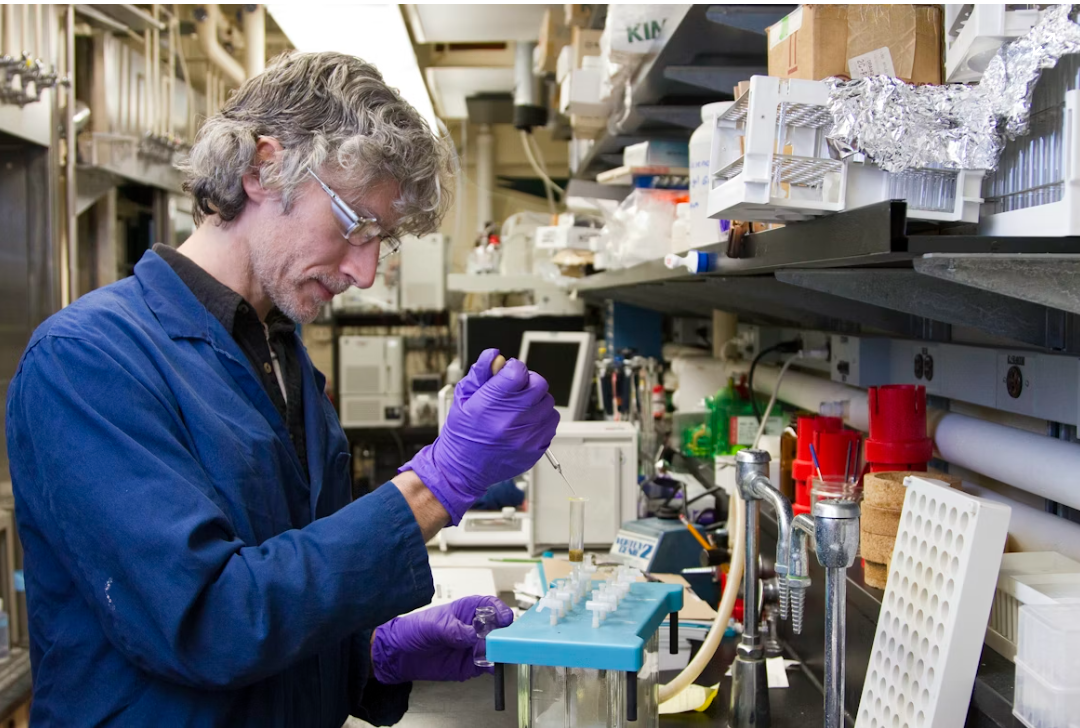
Image Credit: National Cancer Institute via Unsplash
Catching Cancer Early = Changing the Entire Story
Here's a new way to frame cancer: Timing is everything.
Cancer caught late is a crisis. Cancer caught early is often manageable.
Blood tests, AI-powered scans, and molecular screening are being developed that can spot cancer well before symptoms appear; the earlier that window, the more options people have for less invasive treatment, better outcomes, and more control.
Early detection doesn’t just save lives. It saves years of birthdays, careers, relationships, and ordinary mornings that would otherwise be stolen.
Tech Isn’t Just for Social Media—It’s Saving Lives
Gen Z grew up with technology, and now it's that very same tech that's accelerating cancer research.
Artificial intelligence helps doctors read scans more accurately. Big data connects patient outcomes across continents. Global research teams collaborate in real time. Discoveries that once took decades now take years or months. Liquid biopsies, for example, analyse fragments of tumour DNA circulating in the blood, allowing cancers to be detected and monitored without invasive procedures.
Cancer research today looks less like a lone scientist in a lab and more like a global network working in real time toward one goal: making cancer less deadly.
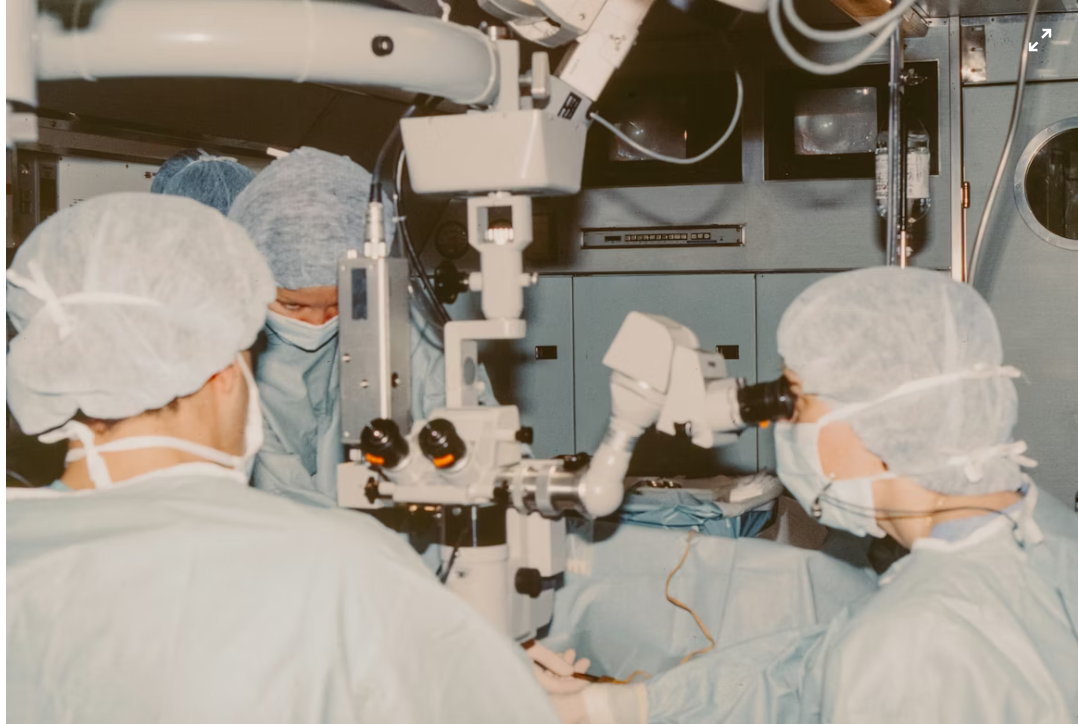
Image Credit: Annie Spratt via Unspalsh
A New Idea We Don’t Talk About Enough: Living After Cancer
Here’s something powerful that doesn’t get enough attention: survivorship, because it’s about returning to school, rebuilding confidence, planning families, and trusting your body again.
More people are living after cancer—and research is finally focusing on what that life looks like. Long-term side effects. Mental health
Researchers now study how treatments alter cellular ageing, immune memory, and reproductive biology—because survival should not come at the cost of lifelong harm
This shift matters. Because surviving isn’t just about being alive—it’s about being able to live fully afterwards. Gen Z’s emphasis on mental health, identity, and dignity is pushing research to care about the whole person, not just the disease.
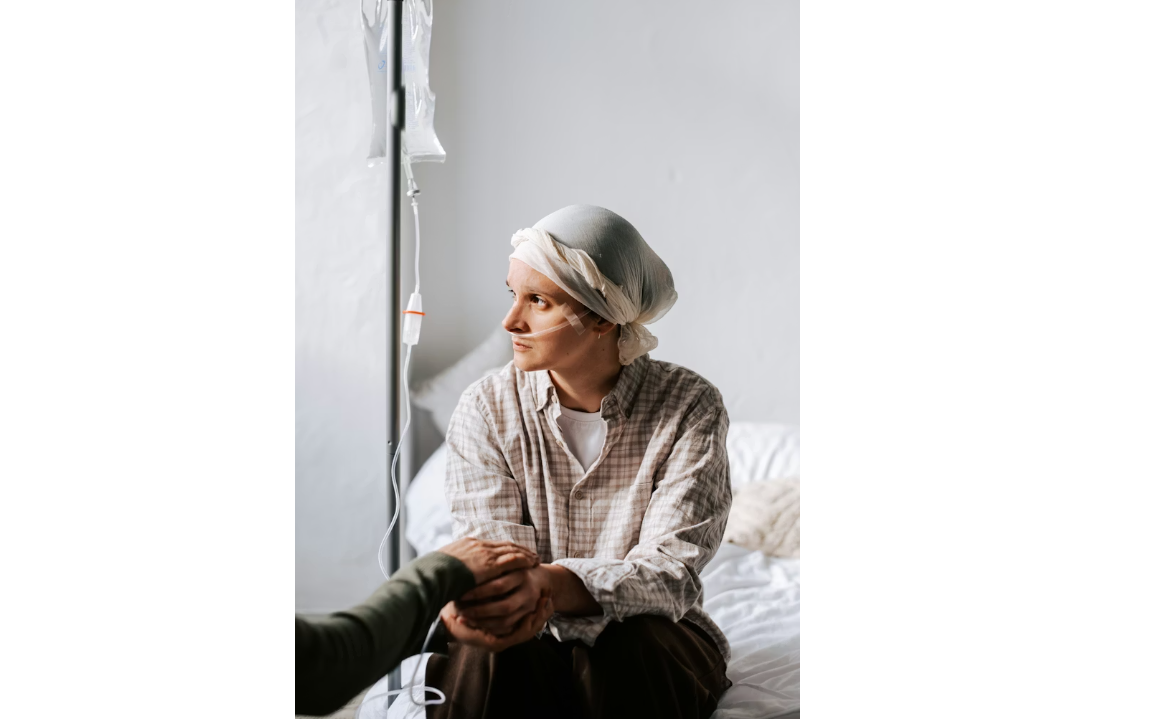
Image Credit: Kateryna Hlizintisova via Unsplash
Prevention Is the Quiet Superpower
Cures are newsworthy. It is more life-giving to vaccines such as HPV already protect against certain cancers. Enough lifestyle research is being done to ensure that the environment is protected against diseases through the prevention of diseases before the disease occurs. This is how science goes upstream to protect the population that may not even know what they escaped.
Prevention is proof that cancer research isn’t just about hospitals and labs. It’s about communities, accessibility, and education.
What Gen Z Actually Brings to the Table
You don’t need to be a scientist to matter here. Gen Z’s real power lies in connection and action.
You can:
- Share accurate, compassionate information online
- Normalise conversations around illness and survivorship
- Advocate for vaccines, screenings, and mental health support
- Volunteer, fundraise, or support local cancer organisations
- Enter fields like data science, policy, design, ethics, or biotech
- Cancer research needs storytellers, coders, organisers, artists, and advocates—not just lab coats.
You’re Not Powerless—You’re Part of the Timeline. Cancer research doesn’t need more silence. It needs voices that refuse to look away
“The truth that can change everything is this: you live at a critical moment in history.”
Yet cancer is far from eradicated, although it is giving ground. People are living longer after a diagnosis of cancer. Their treatment is more intelligent. Learning is occurring in how to treat people, not cancer.
Gen Z will inherit the cancer research of the future, but you will also shape it with empathy, with innovation, with a bravery that doesn’t turn away from difficult situations.
Therefore, yes, research about cancer can be scary. But it’s also amongst the most hopeful, human, and collective things currently taking place. And hope? Hope is what happens when we choose to care anyway.
