






Every day on TikTok, Instagram, or X (formerly Twitter), someone is getting "canceled." This can range from people saying offensive statements to brands making controversial decisions, which leads to backlash from the public. For many teenagers, cancel culture is common and a part of social media and online life. But where did cancel culture originate, and how did it become so popular and powerful?
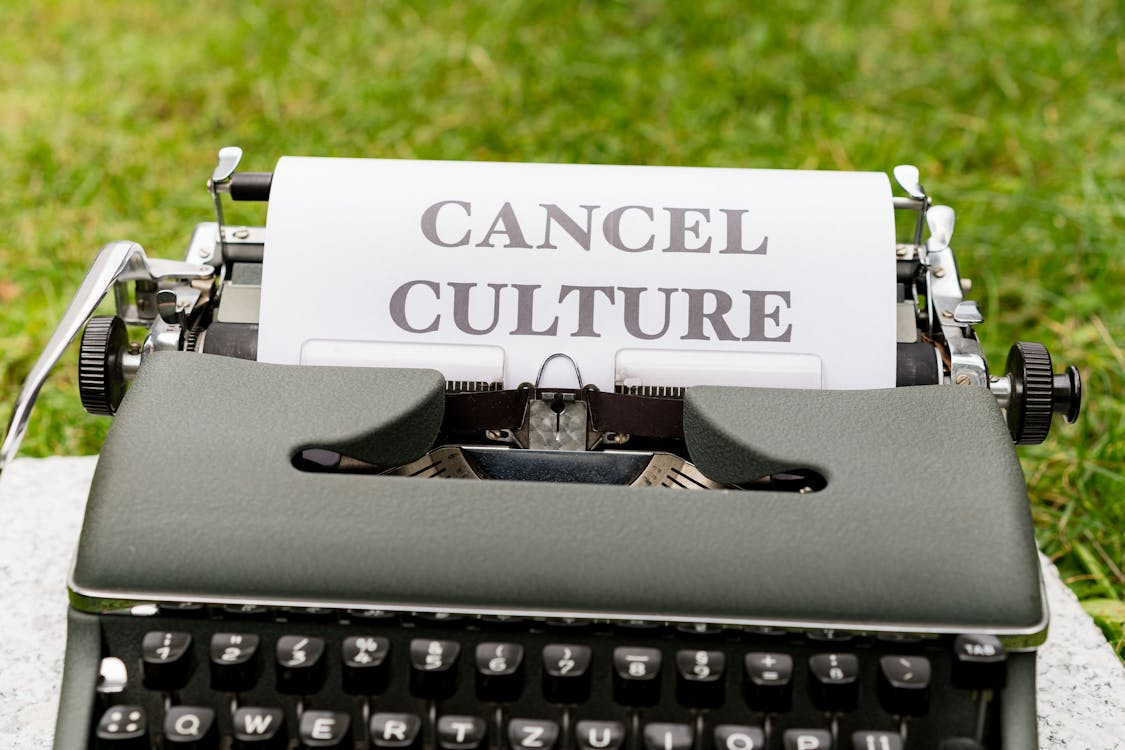
Image Credit: Winkler from Pexels
Let us slide into your dms 🥰
Get notified of top trending articles like this one every week! (we won't spam you)What Does “Cancel Culture” Even Mean?
Cancel culture refers to someone being called out by people online due to their harmful or offensive behavior. The person being called out, or cancelled, will face significant social consequences, such as losing followers, sponsorships, brand deals, and many more. Essentially, they go from being liked to hated by many in their community.
The term “cancel culture” is often seen as a negative phrase and is used in negative situations. However, teenagers view it as a way to hold popular and influential people responsible for their actions when others ignore it.
While “cancel culture” became popular in the 2010s, notably during the #MeToo movement and later during the Black Lives Matter movement, the idea of it is much older and has existed before the internet and social media. For example, boycotts, newspaper articles, and protests are all forms of holding someone accountable.
Ever since social media platforms were created, such as Twitter, the speed and scale of public voice have risen significantly. Instead of having to go to news networks or organizations, people could simply open social media apps and call out people through posts in real time.
Cancel culture started to rise in the 2000’s through social movements. For example, the #MeToo movement in 2006 exposed patterns of sexual harassment and abuse through the actions of Alyssa Milano, who tweeted for survivors to share "me too.” Survivors used social media to share their experiences, and the rising public pressure forced organizations to respond. In 2020, the Black Lives Matter movement further demonstrated how online call-outs could bring awareness to racism and police brutality. These moments show that calling out could lead to a rise in public awareness, eventually leading to change.

Take the Quiz: Religion, Schools, and Equality
Religion in Schools: Teaching Respect, Not Bias.
Does Cancelling Someone Actually Work?
Whether cancelling someone actually works really depends on what “working” means. In some cases, an individual getting cancelled has led to real consequences. One example of this is Kanye West. After making multiple antisemitic statements in late 2022, he faced immediate consequences as he lost his partnerships with Adidas, Gap, and Balenciaga, had his concerts at stadiums cancelled, and had his social media accounts suspended.
However, cancel culture does not always lead to meaningful change. Sometimes, people are “cancelled” but end up returning when the negative attention on them fades, resulting in them having the same behavior as before. In other cases, people who get cancelled create apologies, which, although sometimes are scripted, insincere, or forced, end up with audiences moving on from them. For example, James Charles has faced multiple cancellation attempts, only to come back every single time to a large audience.
When Cancel Culture Goes Too Far
A big limitation of cancel culture is that, in some scenarios, it leaves no room for individual growth or context, as there is a difference between someone making an accidental mistake and someone repeatedly causing harm. Cancelling goes too far when old posts from years ago, or small mistakes, lead to a big backlash.
Cancel culture also crosses a line when individuals harass others through doxxing or threats, which ends up causing focus to fall on harassment rather than taking accountability. This side of “cancelling” results in fear instead of responsibility, showing the negative effects of cancel culture.
Redefining Accountability as a Generation
Due to the negative side of cancel culture, many teenagers are now questioning whether it is the best way to make people take accountability for their actions. Afterall, teenagers value personal growth over individual perfection. People should be learning from their mistakes, acknowledging the harm, and using future actions to show improvement.
Cancel culture has also led to debates regarding alternatives, including the practice of “calling in” instead of “calling out.” In the case of “calling in,” accountability is taken by means of conversation and opinion-sharing rather than public callout. Many teenagers feel that, in specific situations, the practice of “calling in” should be used over “calling out”.
Conclusion
Even though cancel culture isn’t perfect, it shows that we are a generation of people who care about justice and impact. However, this should not overshadow the challenges faced while having a process of cancel culture. It’s essential to weigh a process where people are made accountable while ensuring a possibility of growth is not ruled out.
