







What was supposed to be a joyous occasion soon became a bloodbath. Labelled as Australia's worst shooting in 30 years since the Port Arthur massacre in Tasmania, an antisemitic attack on Bondi Beach left 15 people dead, with 38 hospitalised after a father and son went on a shooting spree on the first day of Hanukkah.
Let us slide into your dms 🥰
Get notified of top trending articles like this one every week! (we won't spam you)What We Know
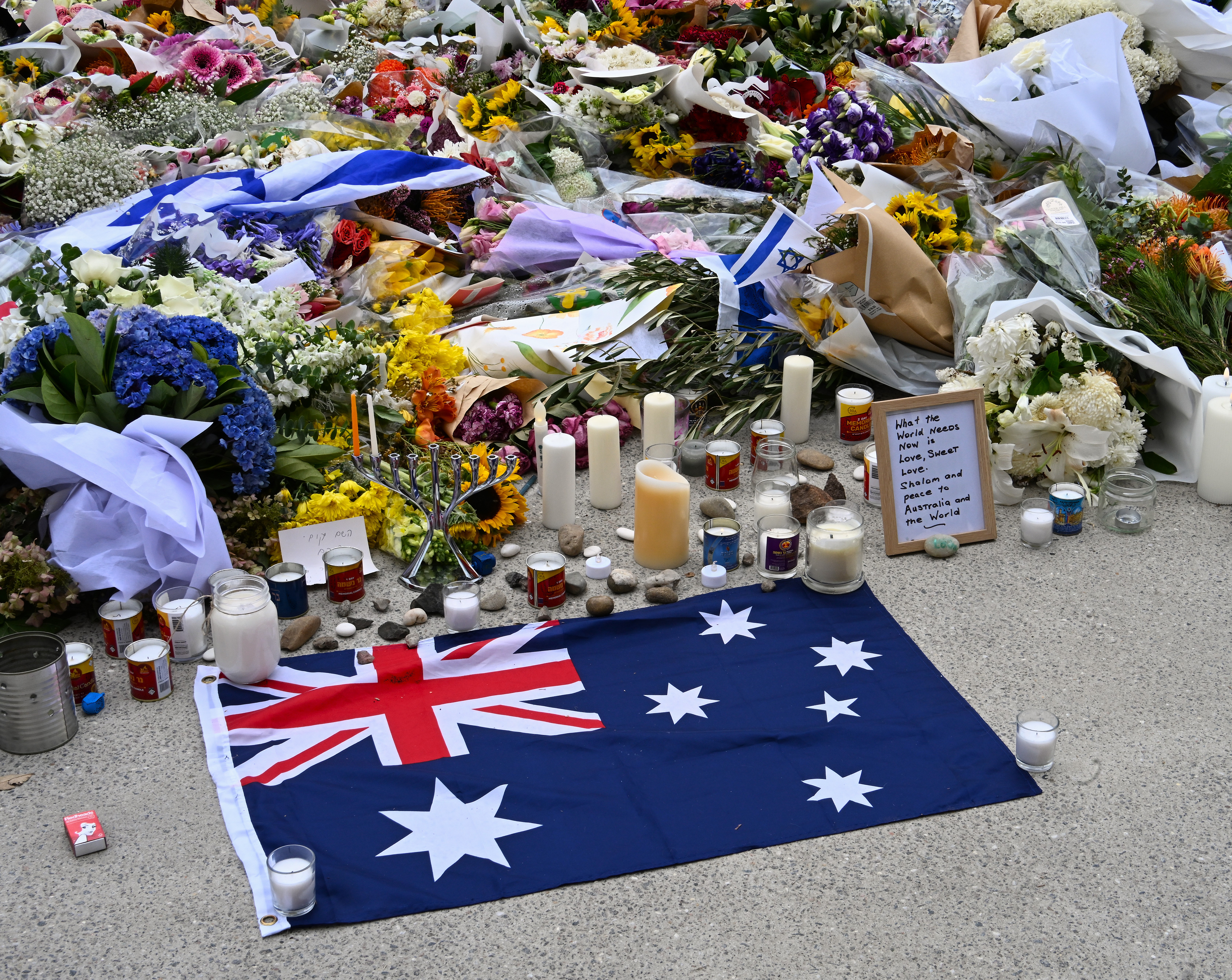
Image Credit: Sardaka on Wikimedia Commons
Sajid Akram, 50, and his son Naveed Akram, 24, were identified as the two gunmen, with the possibility of a third ruled out by local authorities. They were said to have acted alone; however, the attack was declared a terrorist incident three hours after the attack. Islamic State flags were found in their car, and they were said to have drawn inspiration from IS, which was behind the Crocus concert hall attack in Russia last year, leaving 145 dead. They were also responsible for the 2015 attacks in Paris, which left 130 dead.
The son had previously come to the attention of the Australian intelligence agency (ASIO) in 2019, and according to Australian Prime Minister Anthony Albanese, "there was no indication of any ongoing threat or threat of him engaging in violence."
43-year-old Ahmed al-Ahmed emerged as a remarkable hero amid the bloodshed. Video footage of him tackling one of the armed attackers and wrestling the rifle from his hands went viral online as an extraordinary act of courage that prevented further loss of life and gave his peers a chance to escape. Ahmed was shot by a second assailant and remains in the hospital after having undergone surgery for his injuries and is now recovering, according to his family. He has received much love online and is being praised across the world as a hero, and rightfully so.
Take the Quiz: What Type of Notes Should I Take?
Discover the best note-taking method for your learning style!
Are the Current Gun Laws Effective?
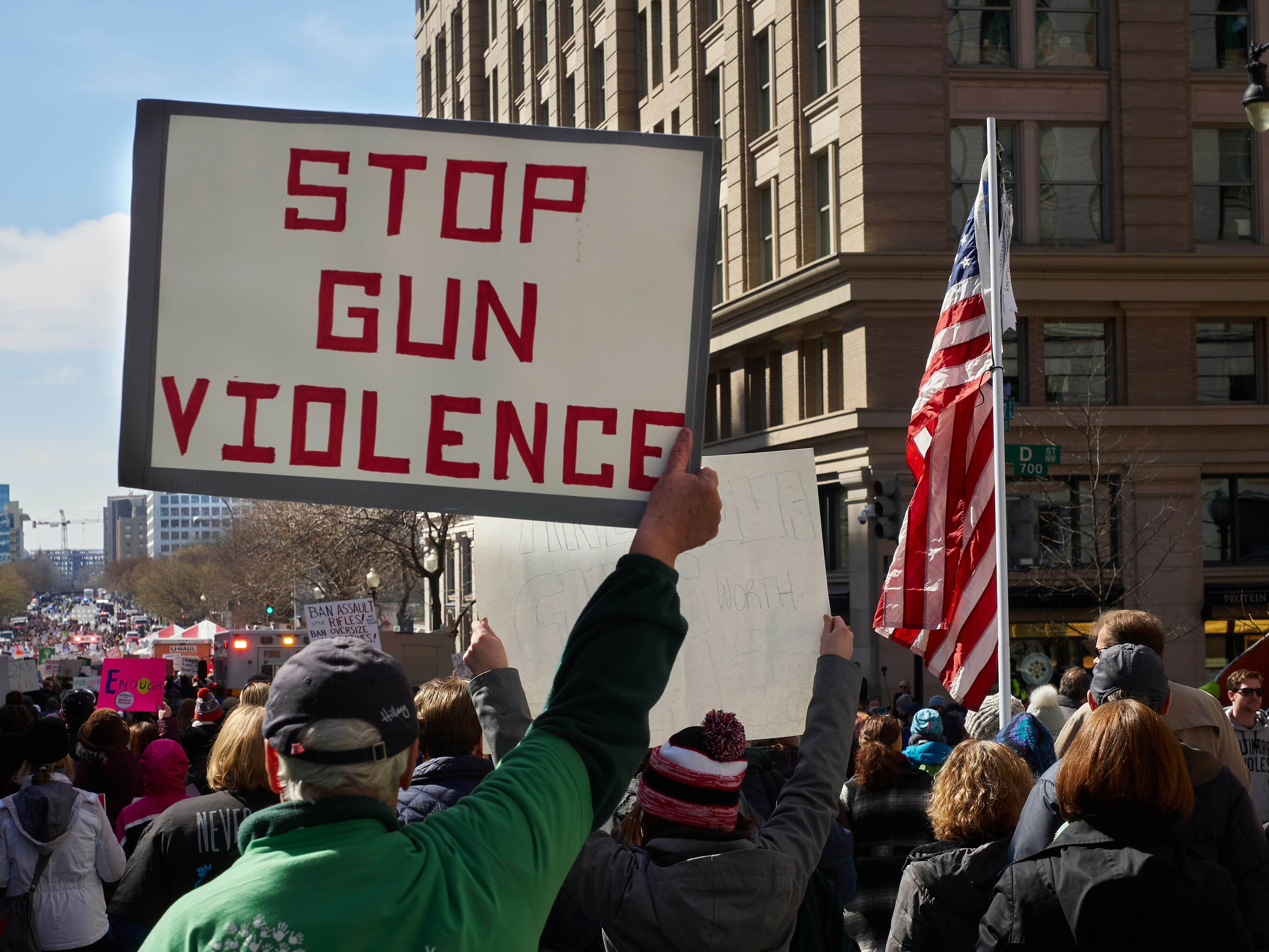
Image Credit: Chip Vincent on Unsplash
It has once again prompted the familiar "How did this happen?" and once again followed by an awkward silence and promises to make gun laws stricter. However, Australia usually congratulates itself for having some of the strictest gun laws in the world, and in the grand scheme of things, they are incredibly tight laws.
To own a firearm is technically a privilege rather than a right, with tightly regulated licences and people with convictions for violent or weapons-related offences are generally barred from a licence. But the attack in Bondi exposes the limits of a system that treats public safety as a box-ticking exercise rather than a proactive responsibility.
The attacks led to a national cabinet meeting by the Australian PM to consider legislating for tighter restrictions on firearm ownership. The proposed reforms were pretty worthless, like restricting the types of guns deemed legal. How about none?
Radical, right? It's clear that humanity can't be trusted around weapons, guns and knives alike. So why should they be so easily accessible to everyone?
International Impacts:
The attack gained attention internationally for a number of reasons. For some, it serves as a sobering reminder of the social divides in society. For others, it's a failure of the authorities to protect their citizens' lives on what was meant to be the joyful beginning of Hanukkah.
Israeli PM Benjamin Netanyahu claimed to have warned the Australian PM that Australia's support for the Palestinian statehood would fuel antisemitism across the country, and blamed him for the attack. However, he also "saluted" the "great man" Ahmed al-Ahmed, who tackled one of the attackers. The Australian PM denied Netanyahu's accusations and vowed to "do whatever is necessary to stamp out antisemitism."
US President Donald Trump called the attack "purely antisemitic", whilst the Palestinian foreign ministry condemned the attack. UN Secretary-General Antonio Guterres said that he was horrified, and King Charles III said he was "appalled and sad". Police in London said that they would strengthen security protocols at Jewish sites in response to the attack in Sydney.
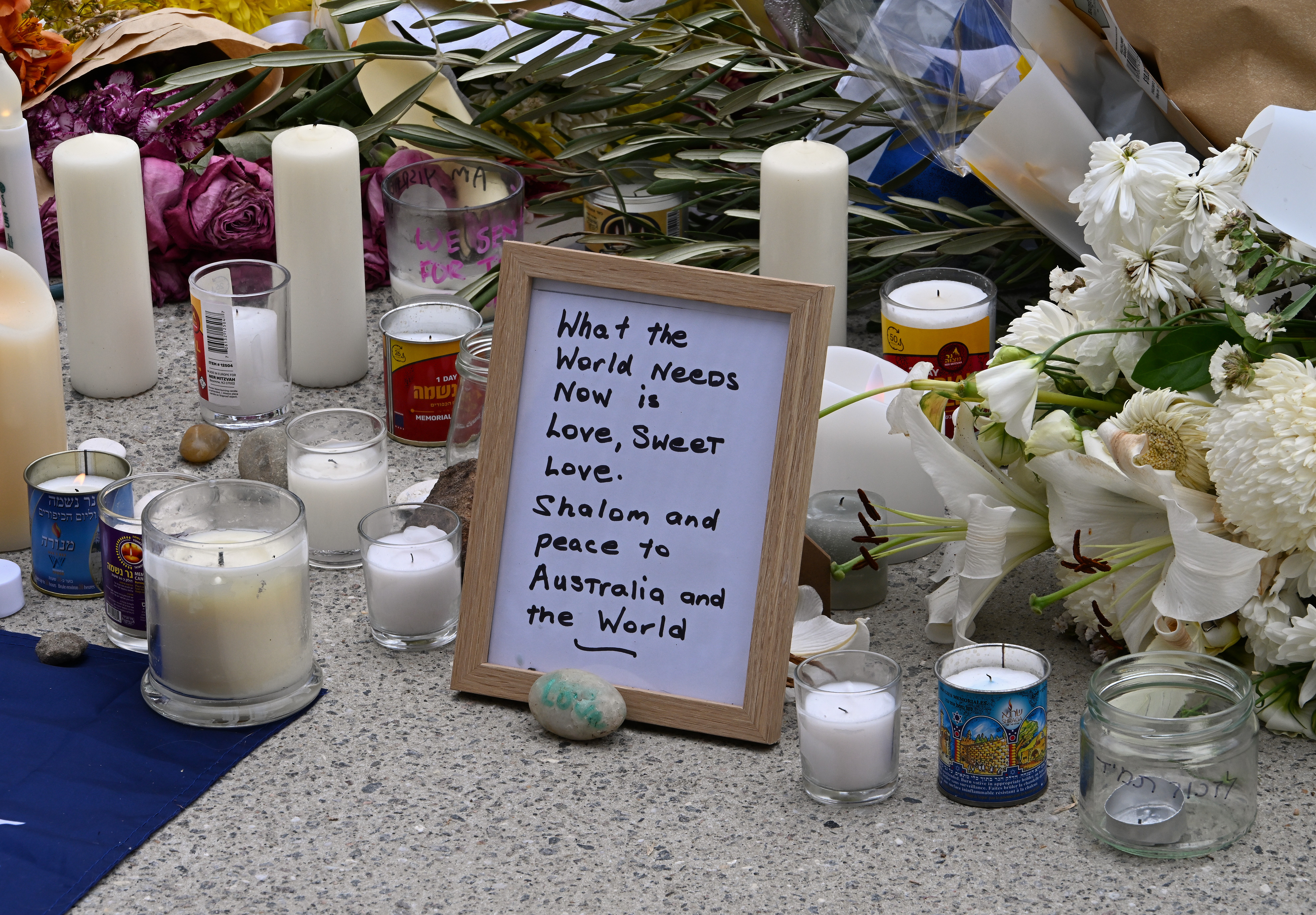
Image Credit: Sardaka on Wikimedia Commons
The Bondi Beach shootings on 14th December serve as a sharp reminder of the social divides running deep in our society, and how large this gap has grown and fuelled extremist attacks in recent times. How long is it until the world wakes up and realises that we all bleed red? Whatever happened to cosmopolitanism, the belief that our obligations to one another transcend identity, borders, and difference, as a moral idea?
Why should we take life and cause hurt in the way some people do? Inequality, fear, and rhetoric that profits from division often make us forget that we are all people, that we all have emotions and feel pain, and that we all deserve the respect we want from others. Violence is more likely if we forget the value of lives and treat them as a cause or grievance. Remembering that should force us, as a society, to question the lack of empathy, kindness and compassion that are omnipresent today, and maybe humanity won't fail so miserably next time.


