




.jpg)

For more than 150 years, birthright citizenship has played a significant role in American law. It means the majority of people born in the US are automatically granted citizenship. This idea, which was developed to ensure equality and defend the rights of those who had previously been refused citizenship, is derived from the Fourteenth Amendment.
Birthright citizenship has been controversial in recent years as a result of immigration discussions. Donald Trump, the former president, argued that this policy needed to be restricted and suggested taking executive action to modify it. His plan brought up important constitutional issues about the Supreme Court's function and the president's authority. While this issue is still being discussed in the courts, one of the most significant legal issues currently affecting immigration policy is this one.
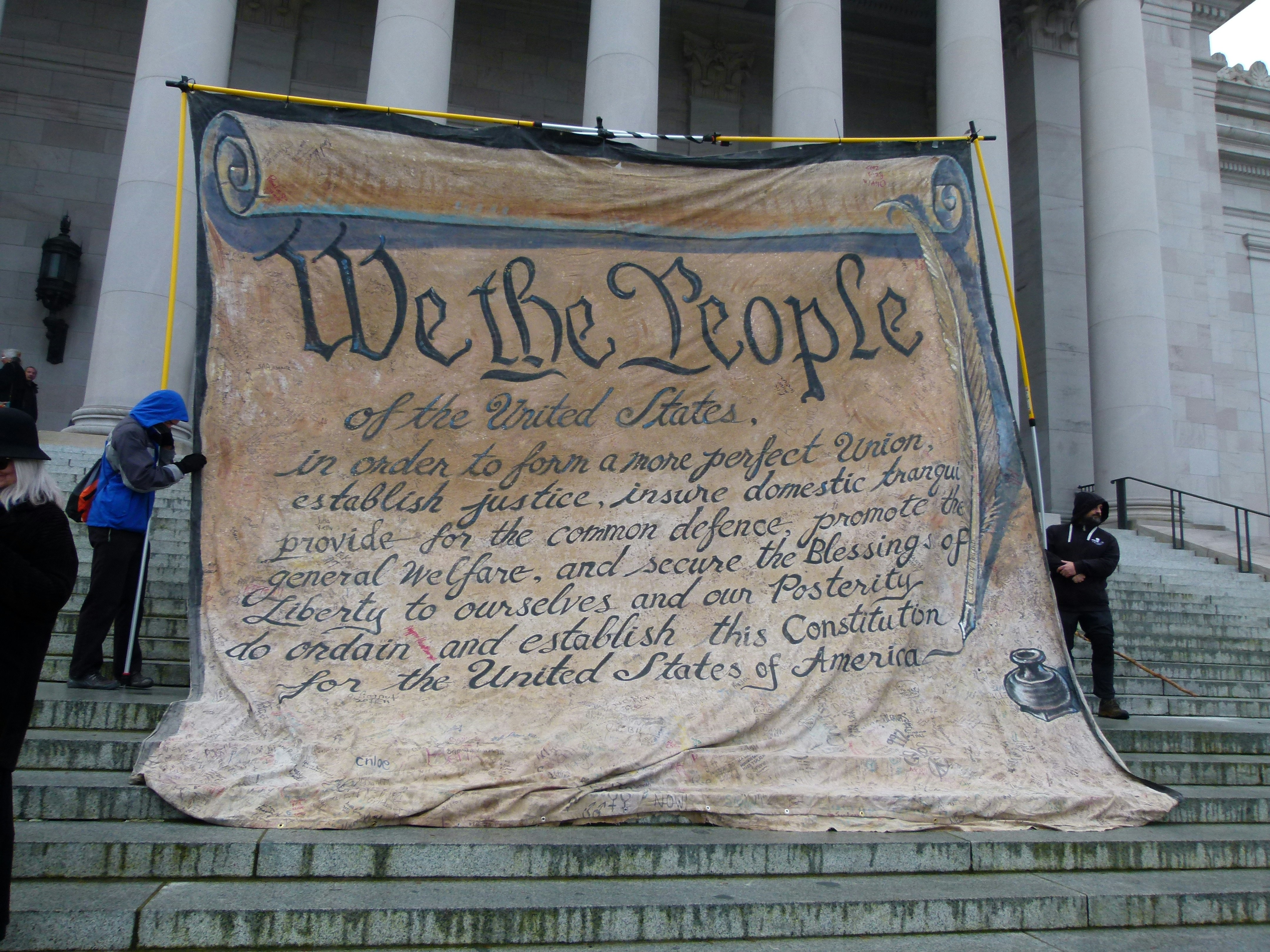
Image Credit: Larry Alger from Unsplash
Let us slide into your dms 🥰
Get notified of top trending articles like this one every week! (we won't spam you)What Is Birthright Citizenship?
Birthright citizenship is based on the Citizenship Clause of the Fourteenth Amendment, which states that all people born or naturalized in the United States and subject to its laws are citizens. Following the Civil War, this amendment was approved in 1868. Its primary goal was to guarantee that those who had been slaves were acknowledged as full citizens and given legal protection. Prior to this amendment, not every person born in the nation was entitled to citizenship.
The Citizenship Clause has been read over time to imply that nearly everyone born in the United States is a citizen. Children of foreign diplomats or members of opposing groups are the primary exceptions. In the 1898 case of United States v.
Wong Kim Ark, the Supreme Court supported this approach. In this particular case, the Court determined that a child born in the country to non-citizen parents became a citizen of the United States. Since then, birthright citizenship has been regarded as a set constitutional principle rather than a changeable policy.
Image Credit: Global Residence Index from Unsplash
Take the Quiz: What Kind of Political Personality Are You?
Ever wondered what role you’d play in the political world? Take this fun quiz to find out!
What Did Donald Trump Propose?
While he was president, Donald Trump said that birthright citizenship promotes illegal immigration. He declared in 2018 that he intended to use an executive order to abolish birthright citizenship. According to Trump, children born to temporary visitors or undocumented immigrants shouldn't be granted citizenship automatically. The White House claims President Trump thought the Fourteenth Amendment had been applied too widely.
Both advocates and opponents of this proposition had passionate reactions. According to supporters, the president should have the power to restrict citizenship depending on immigration status. According to critics, the Constitution cannot be altered by an executive order.
They emphasized that birthright citizenship is explicitly stated in the Fourteenth Amendment and upheld by rulings from the Supreme Court. According to numerous legal experts, as a result, Trump's plan would be unconstitutional.
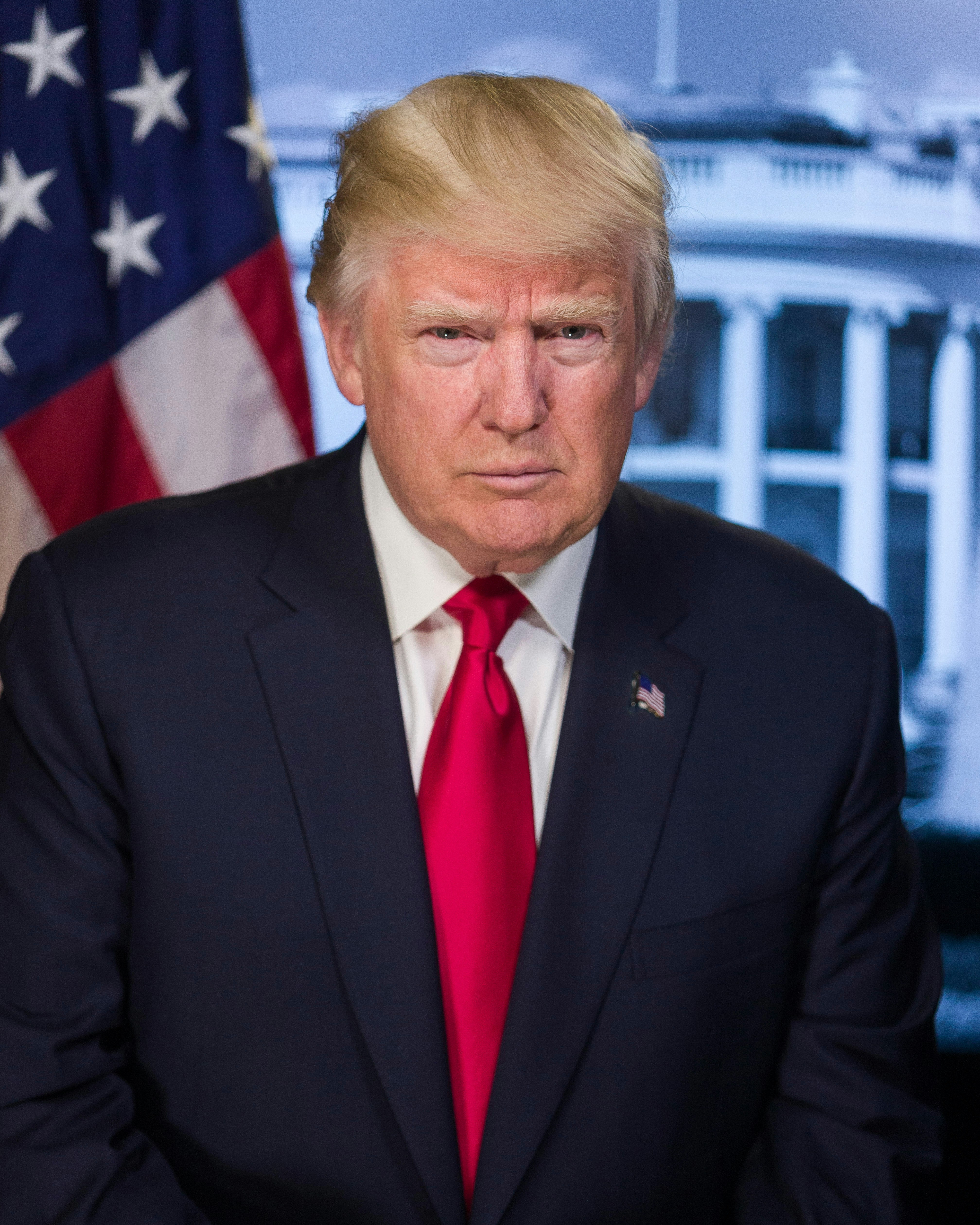
Image Credit: Library of Congress from Unsplash
What Is the Role of the Supreme Court?
The United States' top court, the Supreme Court, is in charge of interpreting the Constitution. The Supreme Court provides the final ruling in cases where there is debate regarding the significance of the Constitution. The Court also determines the constitutionality of laws and executive actions.
The Supreme Court plays a crucial role in the birthright citizenship argument because it deals with how the Fourteenth Amendment should be interpreted. The Supreme Court would determine whether a president's attempt to remove birthright citizenship by executive order is permitted by the Constitution. The Court's ruling would establish an example that influences future executive authority and immigration policy.
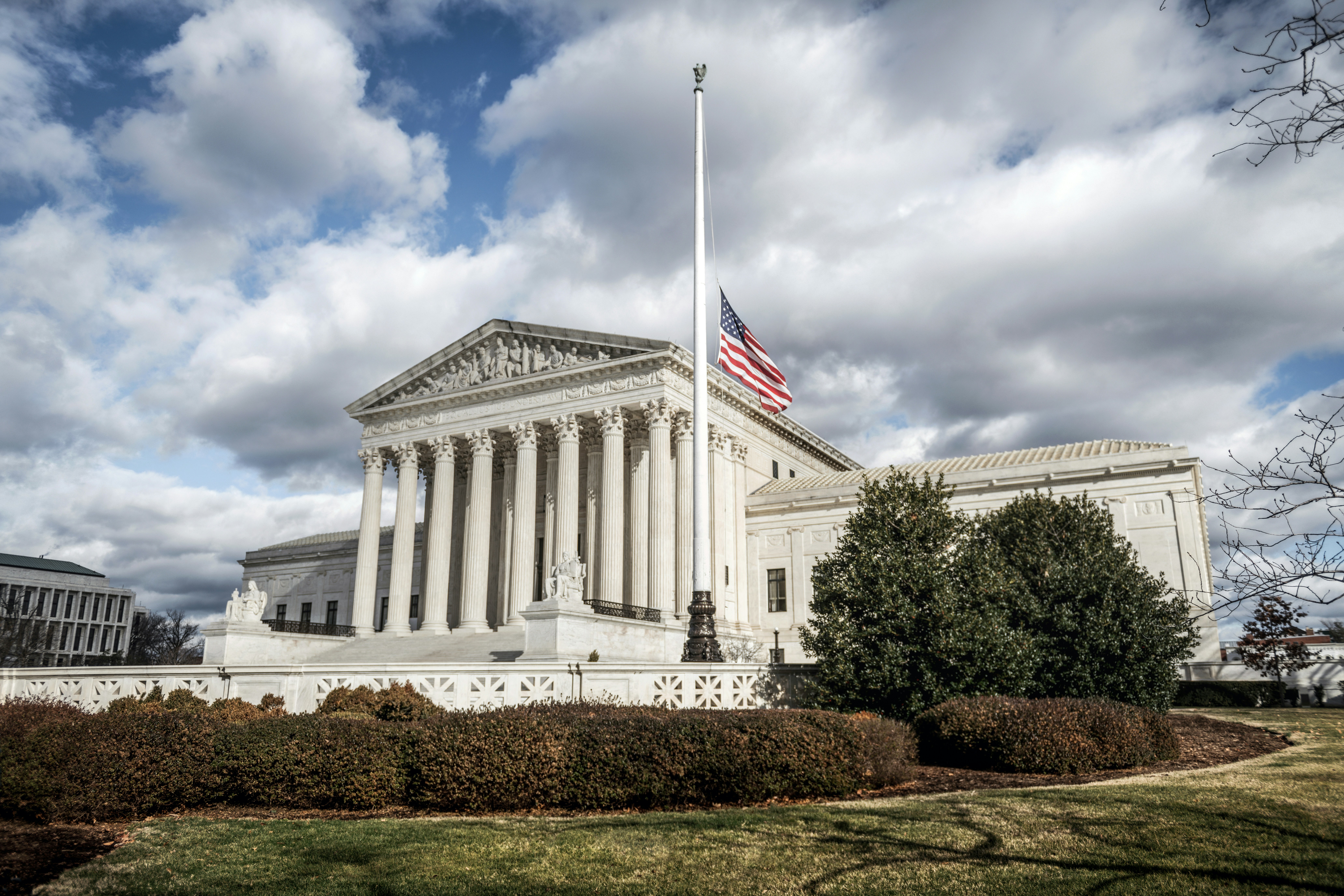
Image Credit: Tim Mossholder from Unsplash
Legal Challenges and Court Decisions
If an executive order ending birthright citizenship were issued, it would almost immediately be challenged in federal courts. According to civil rights organizations like the American Civil Liberties Union (ACLU), such an order would obviously violate the Constitution. Lower courts have frequently issued nationwide orders to prevent executive acts in similar immigration situations.
To prevent any attempt to abolish birthright citizenship, courts would probably rely on earlier Supreme Court decisions, specifically Wong Kim Ark. Since citizenship laws must be enforced equally throughout the nation, nationwide blocks would be required. The idea of equal protection under the law would be violated, and confusion would result from allowing various regulations in different states.

Image Credit: Tingey Injury Law Firm from Unsplash
Why This Issue Matters
Birthright citizenship is important because it affects the meaning of equality and citizenship in the United States. Legally speaking, the issue examines the president's authority and the possibility of changing constitutional rights without the need for a constitutional amendment or Congress. It draws into question the extent to which citizenship is protected by the Fourteenth Amendment.
In terms of society, eliminating birthright citizenship might result in a group of Americans who were born in the country but are not citizens. Serious issues with employment, education, and legal protection could result from this. The balance of power in the federal government and immigration policy will be significantly impacted by the Supreme Court's ruling on this matter.
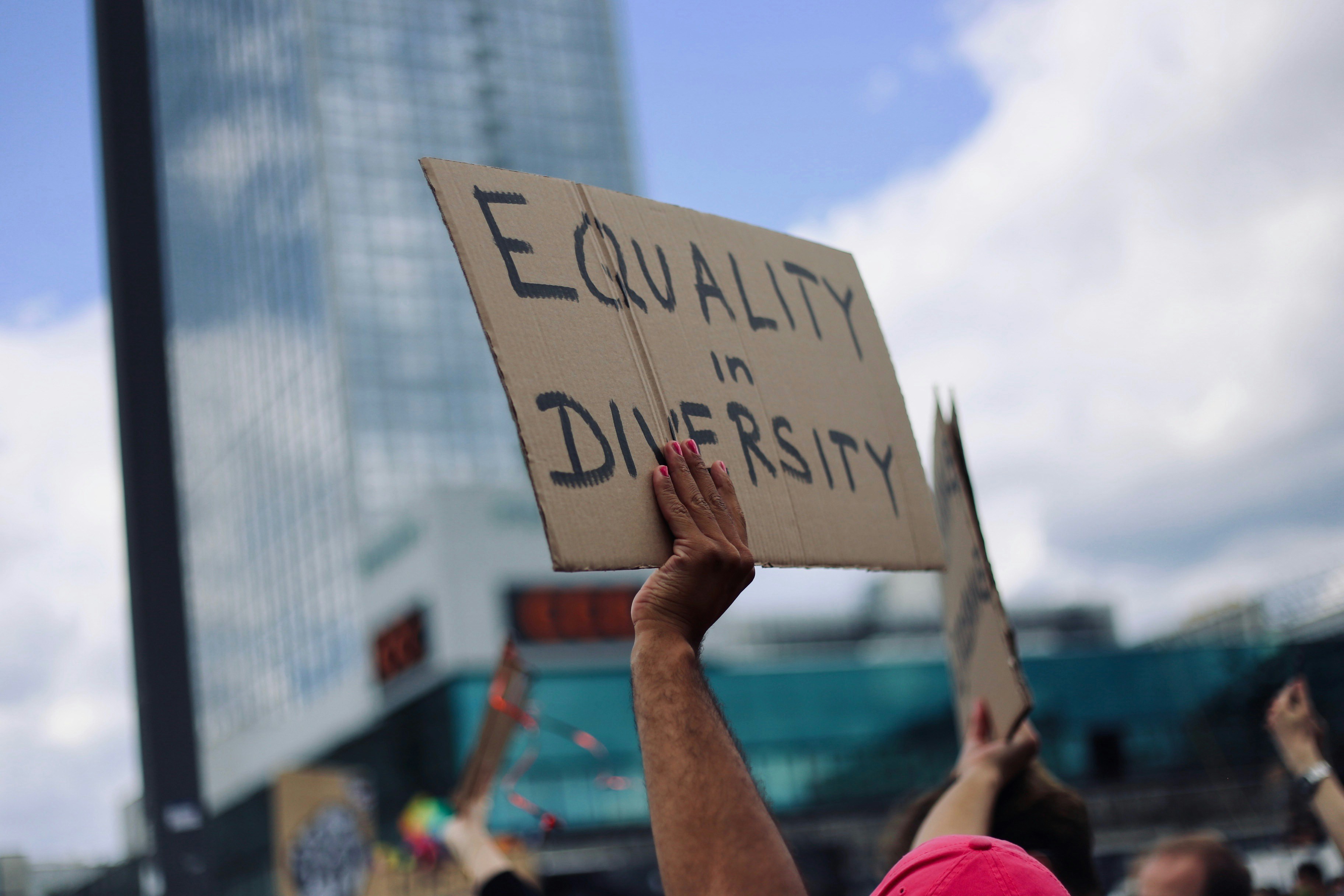
Image Credit: Amy Elting from Unsplash
Looking Into the Future
As the United States competes in a global economy, the future of the country will be shaped by its immigration and citizenship policies. Migration monitoring is crucial, but executive action to alter birthright citizenship could undermine constitutional rights. The economy may be strengthened and American values upheld by establishing equal and open opportunities for educated immigrants to remain in the country. The Supreme Court’s decision on birthright citizenship will not only resolve a legal debate but also define what it means to be an American in the future.
