




It’s no secret that being a teen today is harder than ever. Between school stress, family pressure, social media, friendships, relationships, and just trying to figure out who we are, life can feel overwhelming. For so many of us, therapy isn’t just a “nice option” it’s a literal lifeline.
But here’s the catch: therapy is expensive, and that makes it inaccessible for most teens who don’t have money of their own. Even if you want to get help, chances are you can’t afford it without relying on parents, and not every family can or will pay for it. The reality is that therapy can cost anywhere between $50 to $200 per session in some countries, which adds up to thousands of dollars a year. That’s impossible for most teenagers and even for many parents who are already juggling bills.
So what happens? Teens either don’t get the help they need or wait until things get so bad that they’re dealing with major crises. And by then, it’s way harder to heal. This is why therapy needs to be free for all teens not optional, not hidden behind money, but an actual, accessible right.
Let us slide into your dms 🥰
Get notified of top trending articles like this one every week! (we won't spam you)The Reality of Costs and Barriers

Image Credit: Pixabay from Pexels.
When people say “just go to therapy,” they don’t realize how unrealistic that sounds for most teens. A single therapy session often costs more than what some families spend on groceries for a week. Even insurance doesn’t always make it better, lots of plans either don’t cover mental health at all or cover only a small portion, leaving families with bills that pile up fast.
And that’s just the financial barrier. There’s also the issue of access; not every community has affordable clinics, and rural areas often have zero mental health providers nearby. Imagine living in a small town, finally getting the courage to ask for help, and then realizing the nearest therapist is hours away. This is why so many teens turn to unhealthy coping mechanisms instead. They might bottle everything up, act out, or escape into distractions like drinking, drugs, or overusing social media, because therapy feels like an unreachable privilege. If therapy was free and accessible in schools or community centers, it wouldn’t feel like this impossible luxury, it would just be a normal, necessary part of life, like regular checkups at the doctor.


Take the Quiz: Do You Know Gen-Z Slang?
Take this quiz to see if you're updated on the latest Gen-Z slang!
The Long-Term Impact of Ignoring Teen Mental Health
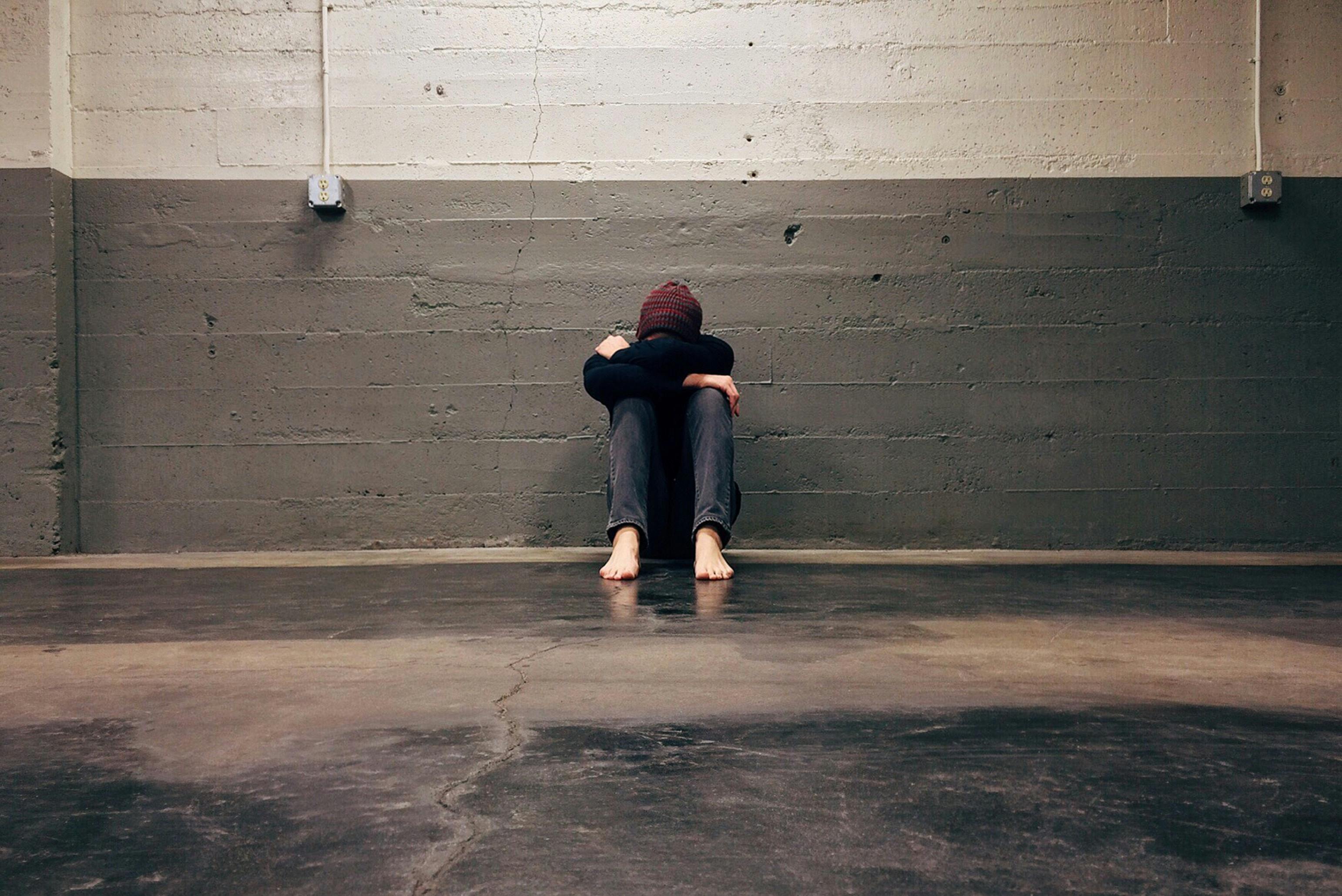
Image Credit: Pixabay from Pexels.
Here’s the thing: when teens can’t get therapy, the effects don’t just disappear. Untreated mental health struggles turn into long-term issues. Anxiety turns into panic attacks, stress becomes burnout, sadness spirals into depression, and trauma that could have been healed just keeps building.
And when you zoom out, this isn’t just a “teen problem”; it affects whole communities. Students who don’t get help struggle more in school, which affects grades, future opportunities, and confidence. Some drop out altogether because the pressure feels unbearable. Others carry unhealed pain into adulthood, which can lead to job instability, relationship issues, or even physical health problems because stress literally breaks down the body over time. The scary part? Suicide is one of the leading causes of death among teens worldwide, and lack of access to mental health support is one of the biggest reasons why. If therapy were free and normalized, so many of these struggles could be prevented before they reach a breaking point. Free therapy isn’t just about helping individual teens, it’s about breaking a generational cycle of untreated pain that keeps getting passed on.
What Free Therapy Could Change

Image Credit: Polina Tankilevitch from Pexels.
Imagine a world where every teen, no matter their background or income, could walk into school or a community center and talk to a therapist without worrying about money. That could change everything. It would mean teens could work through problems early before they get worse.
It would mean kids from low-income families would finally have the same chance at mental health as wealthier kids. It would also help remove the stigma, because therapy wouldn’t be this “special thing for people with problems,” it would just be a normal part of growing up. Policies could make this real governments could allocate more funding for in-school counselors, community programs, and online therapy platforms that are completely free for teens. Teachers and school staff could be trained to spot early signs of mental health struggles and direct students to free resources instead of punishing them for acting out. The long-term payoff would be massive: healthier students, stronger communities, and fewer crises down the road. Free therapy isn’t just about saving teens money, it’s about saving lives and creating a generation that’s actually able to thrive.
At the end of the day, therapy shouldn’t be a privilege, it should be a right. Teens deserve a safe place to talk, to heal, and to grow without worrying about money or judgment. If we can go to the doctor for a fever, we should be able to go to a therapist for anxiety or stress without a second thought. Free therapy for teens isn’t just about mental health, it’s about giving us a real chance to build better futures.